Planches Contact Festival de résidences photographique de Deauville 12e édition. L'imaginaire à l'œuvre.
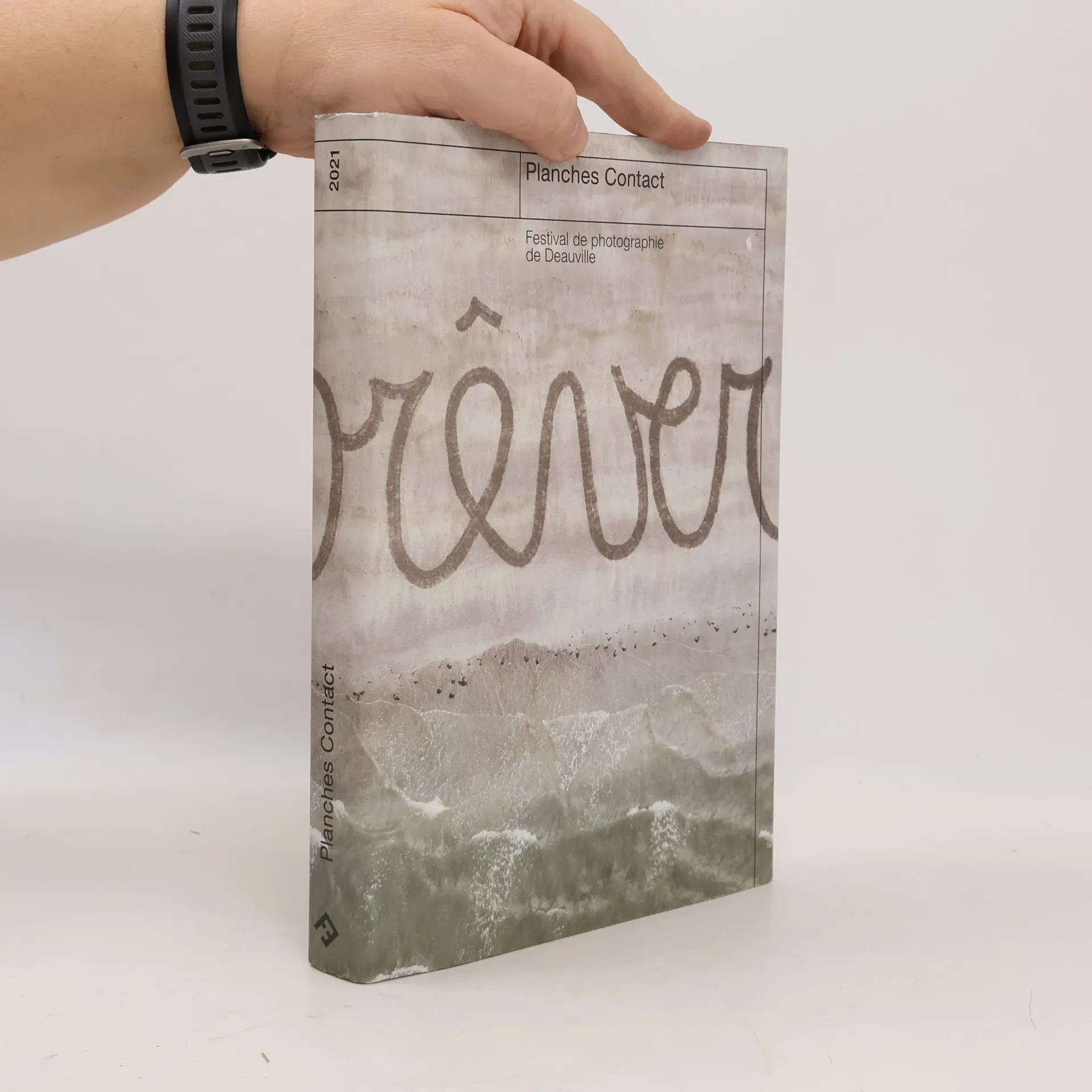



Planches Contact Festival de résidences photographique de Deauville 12e édition. L'imaginaire à l'œuvre.
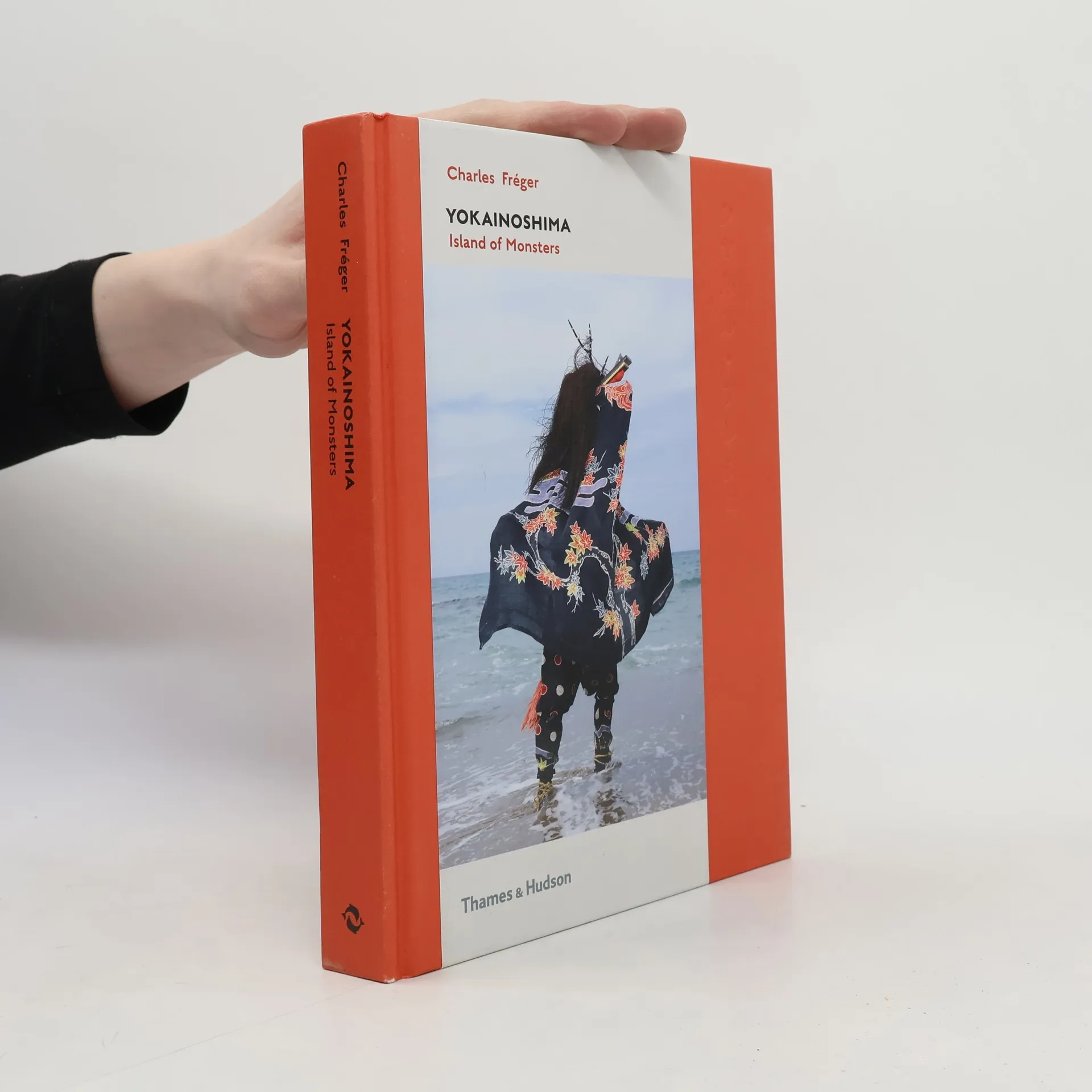
A gorgeously photographed glimpse into the "island of monsters"―the world of Japanese folk masks, characters, and costumes In Japan, the passing of the year is marked by festivals and rituals that have gone largely unchanged for centuries. Elaborate outfits, made from textiles as well as branches, straw, and other materials plucked from the natural environment, are donned in rural, agricultural, and fishing communities throughout Japan to celebrate seasonal rites of fertility and abundance. Yokainoshima (literally “island of monsters”) explores the extraordinary crop of masks, costumes, and characters that reappear with the return of each season.Charles Fréger’s photographs combine the attention to detail of a documentary photograph with individual portraiture in a fresh and distinctive style. Texts by specialists in Japanese folk culture and anthropology accompany the photographs, putting the huge variety of eclectic costumes in context with descriptions of the local festivals, dances, and rituals where they are worn.This compelling sequence of new portraits by an internationally acclaimed photographer will captivate enthusiasts of fine art photography and far off places as it pulls back the curtain on a strange and magical centuries-old tradition. 180 color illustrations
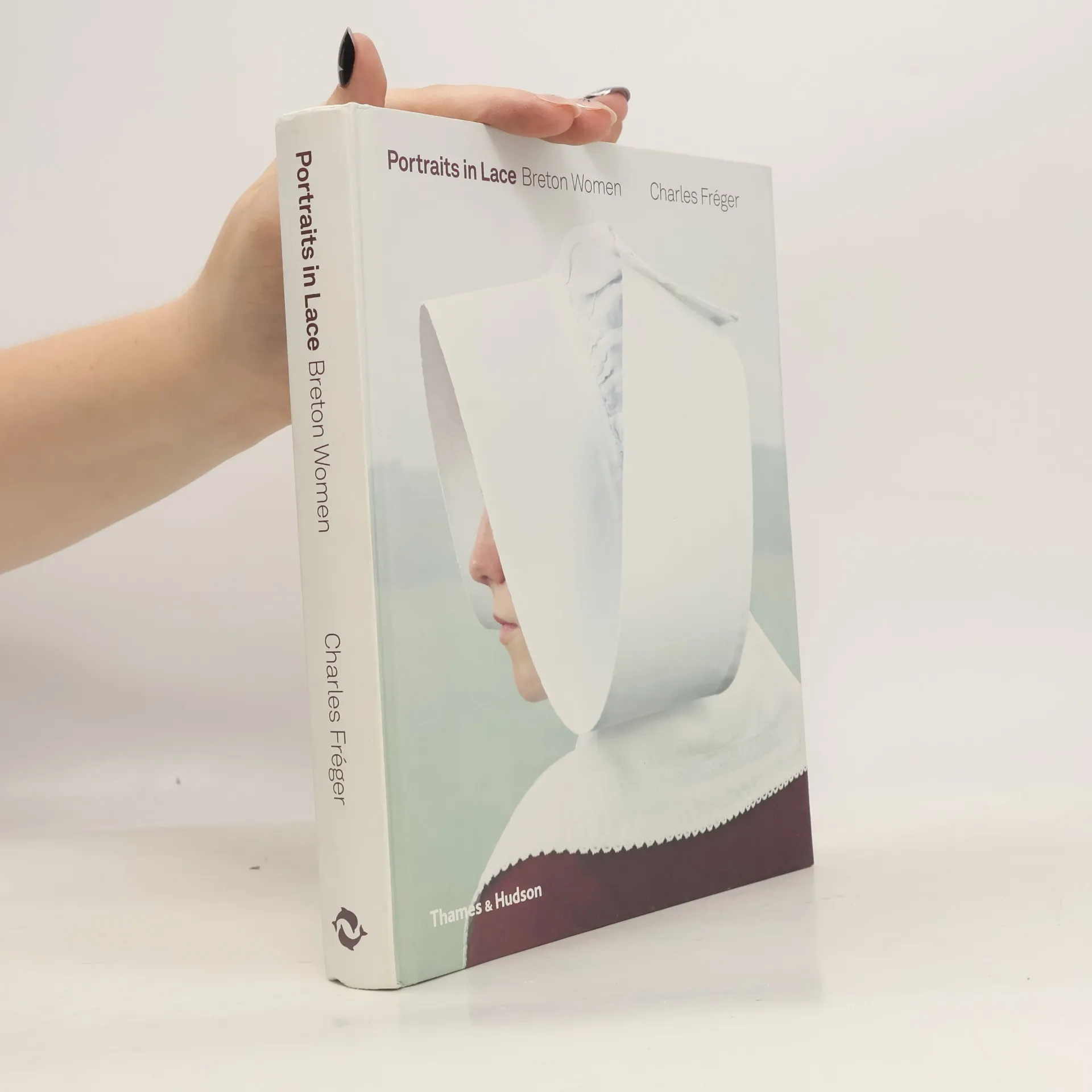
From high starched towers to elaborately pinned, tucked, and embroidered confections of handmade lace, the creations captured here by Charles Fréger are as delicate as they are distinctive. Fréger has photographed a series of portraits of Breton women of every generation from every region, wearing costumes and headdresses of endless variety. Each costume and headdress may indicate a wearer’s village as well as age or status. They are worn for celebrations of marriage, birth, or a local saint’s day, or to mark a period of mourning. Against a translucent gauze backdrop, young girls and women, both married and unmarried, mothers, sisters, and grandmothers, pose in costume for these stunning portraits.Although these headdresses were once worn daily, today they are part of a costume tradition upheld by women throughout Brittany in rites of passage, in Celtic circles, and at summer festivals, keenly attended by young and old.Some fifty headdresses are identified and described in a separate reference section, accompanied by specially commissioned illustrations. Fréger’s exceptional photographs demonstrate Breton culture’s wealth of pride, ingenuity, and personal expression.
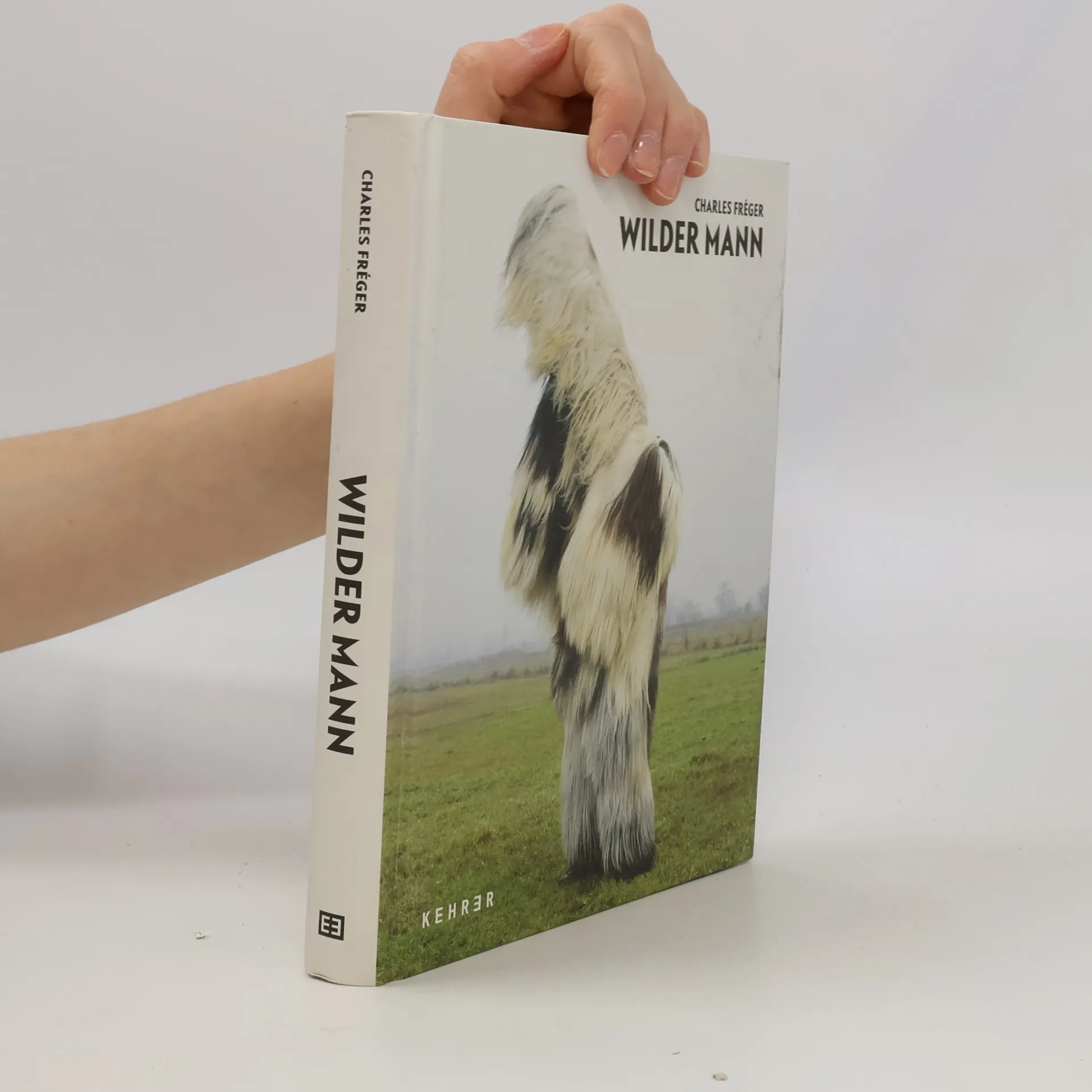
Sein neuester Werkzyklus führte den Fotografen Charles Fréger in achtzehn europäische Länder auf der Suche nach der mythologischen Figur des Wilden Mannes: Österreich, Italien, Ungarn, Slowenien, Slowakei, Spanien, Portugal, Polen, Deutschland, Griechenland, Mazedonien, Bulgarien, Tschechien, Kroatien, Schweiz, Finnland und Rumänien. Die Verwandlung des Menschen zum Biest ist ein zentraler Aspekt in über Jahrhunderte tradierten heidnischen Ritualen, die den Wechsel der Jahreszeiten, Fruchtbarkeit, Leben und Tod zelebrieren, heute noch lebendig in Fasnacht- oder Adventsbräuchen. Die Kostüme repräsentieren häufig Teufel, Ziegenböcke, wilde Eber, Bären oder den Tod, sie verwenden Masken, Hörner, Glocken, tierische Materialien wie Fell und Knochen oder pflanzliche Stoffe wie Stroh oder Kiefernzweige. Charles Fréger (*1975, Bourges, Frankreich) ist einer der wichtigsten Vertreter der jungen europäischen Fotografie. Seine Arbeit ist fast ausschließlich dem Porträt gewidmet, insbesondere der Studie uniformierter und kostümierter Kollektive und der wechselnden Identität deren Mitglieder zwischen eigenständigem Individuum und Teil einer Gemeinschaft. Fréger ist Mitbegründer der internationalen Künstlergruppe POC (Piece of Cake).