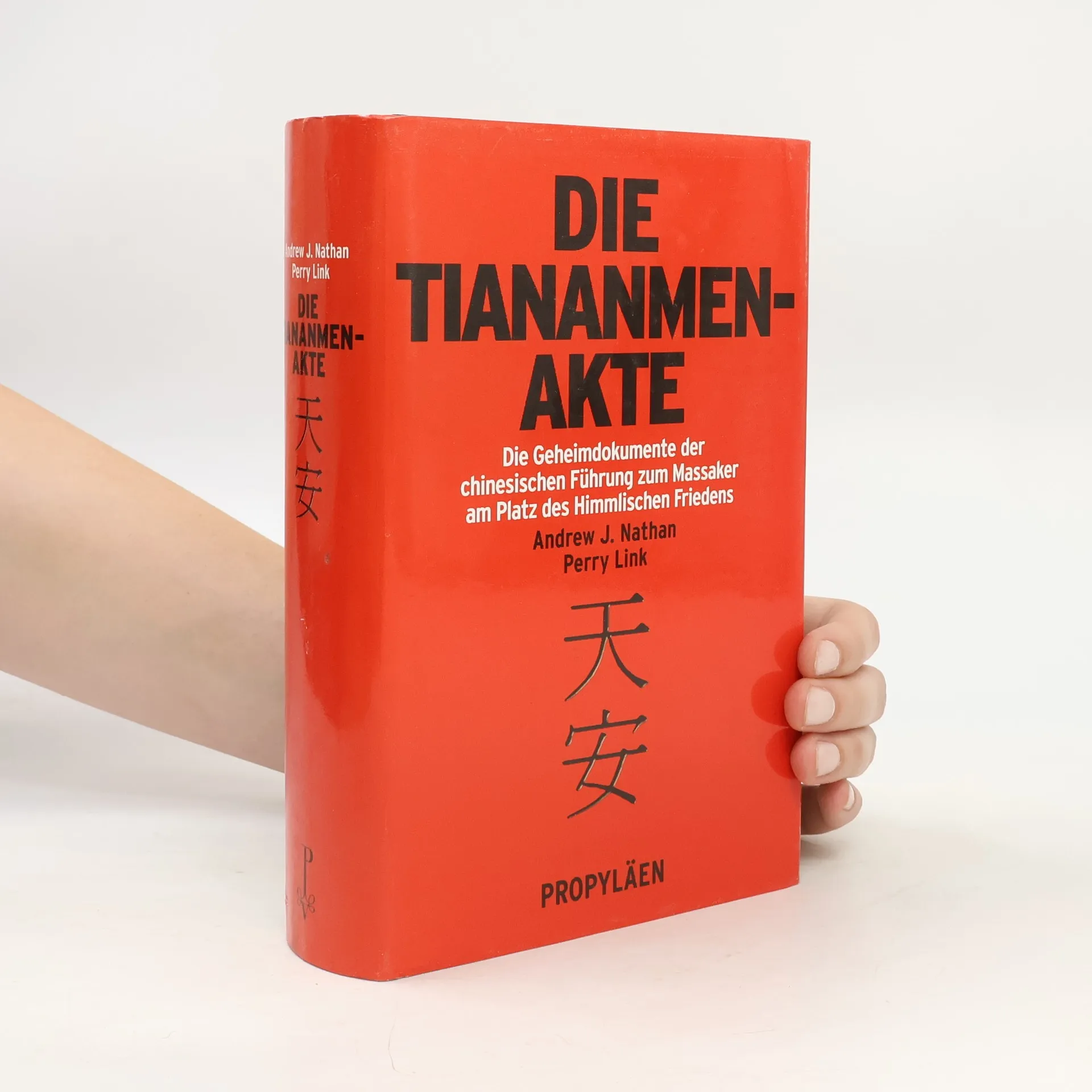
Die Tiananmen-Akte
- 765 Seiten
- 27 Lesestunden



Ausgewählte Schriften und Gedichte
Das weltweit erste Buch des Friedensnobelpreisträgers - jetzt als Taschenbuch! Liu Xiaobo ist nicht nur der prominenteste Systemkritiker Chinas, sondern einer der einflussreichsten Schriftsteller und Denker des Landes. Er ist eine Schlüsselfigur für die chinesische Demokratiebewegung. Umso erstaunlicher ist, dass bislang kaum etwas von ihm in einer westlichen Sprache zu lesen war.Mit dieser Auswahl seiner wichtigsten Texte ist Liu Xiaobo als ein herausragender Autor, Denker und Lyriker für das deutsche Publikum zu entdecken. Seine Essays zur chinesischen Politik der Gegenwart, zu Kultur und Gesellschaft und zur Demokratiebewegung sowie seine Gedichte bestechen nicht nur durch Mut und Weitsicht, sondern auch durch glasklare Gedankenführung und geschliffene Sprache. Sie eröffnen uns einen neuen, bislang unbekannten Kosmos. Mit einem Vorwort von Václav Havel »Freiheitskämpfer kann man, glaube ich, in zwei Grundtypen einteilen: den Typus des Selbstüberschätzers und den Typus des Selbstzweiflers … Bei Liu Xiaobo aber haben wir beides in einer Person. Und das macht ihn so wahrhaftig.«Herta Müller
Oh, China! is a textbook tailored for "advanced beginners" studying Mandarin Chinese—students who can speak and understand basic Mandarin but struggle with reading and writing at an intermediate level. Unlike typical first-year texts that focus on elementary vocabulary and conversation, this book emphasizes reading, writing, grammar, and achieving standard pronunciation. The lessons are designed to engage advanced beginners, covering themes relevant to young Chinese-Americans, the concept of "overseas Chinese" and their connections to China, and significant figures in modern Chinese history. Each lesson is presented in both traditional and simplified characters, and the first fifteen lessons also include hanyu pinyin. Accompanying materials feature vocabulary lists, grammar notes, usage exercises, and character stroke-order charts. The book opens with a comprehensive chapter on Mandarin pronunciation, complete with exercises, and concludes with a Chinese-to-English vocabulary index. Intended for one year of college-level study, it prepares students for third-year courses. This latest addition to Princeton University Press's series on Chinese language instruction addresses a critical need in Mandarin education. Audio and video resources are also available to enhance learning. For more information, contact the Chinese Linguistics Project at Princeton University.