Stephen Johnson, geboren in Australien, wechselte von einer Karriere in der Fernsehproduktion zum Schreiben in Auckland. Sein Romandebüt, inspiriert von seinen Erfahrungen als Reiseleiter in den 1980er Jahren durch Europa, wurde für den Preis für den besten Erstlingsroman nominiert. Dieses Werk entstand während einer ausgedehnten Wohnmobilreise durch Europa, die eine reiche Kulisse für seine Erzählkunst bot. Johnsons Schreiben verbindet somit Reiseabenteuer mit erzählerischer Fiktion.
This text presents an insight into the organisation and structure of the powerful army of ancient Rome. Find out what went on on a daily basis within the fort, and discover how the Roman army used ingenious techniques to defend the fort.
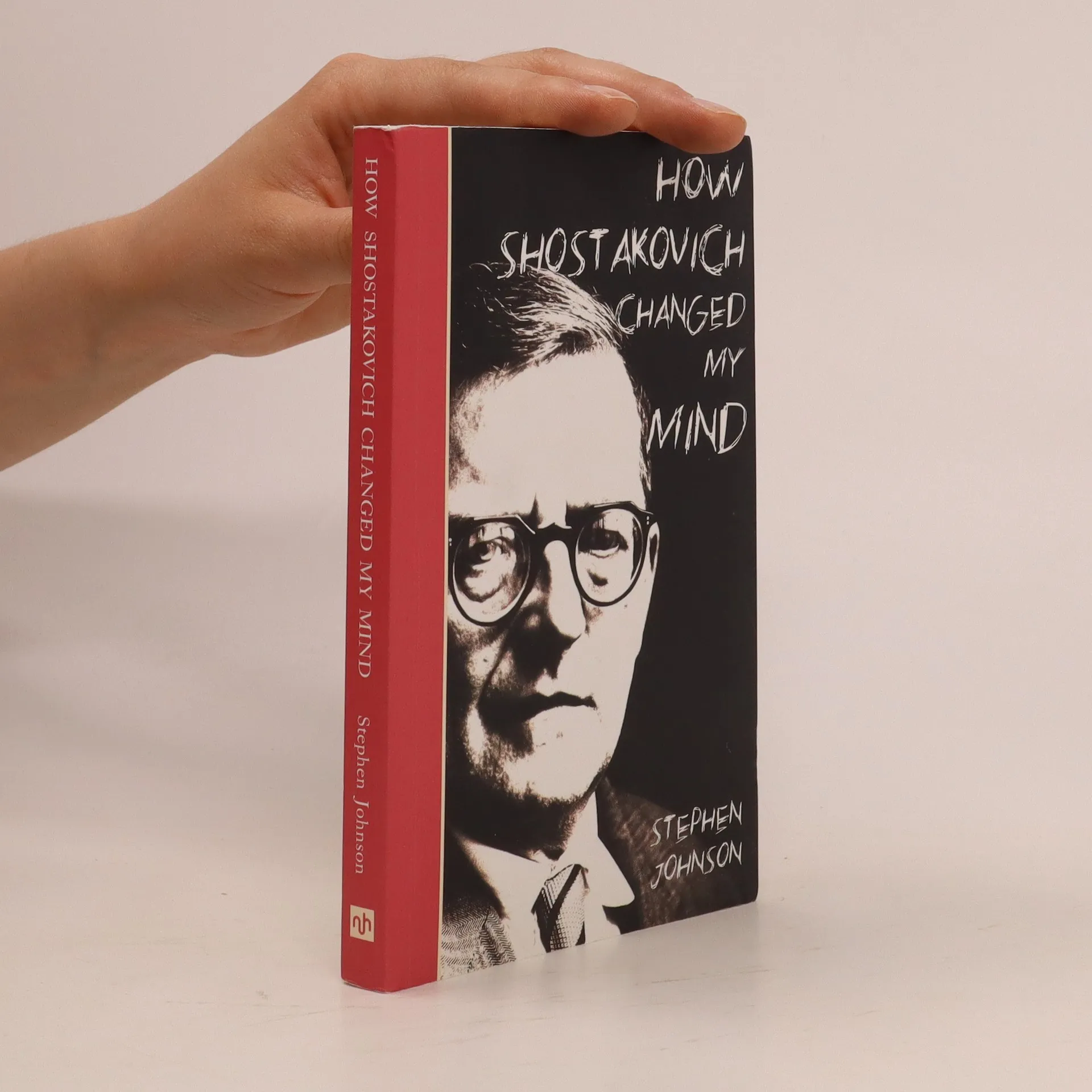
Music broadcaster and composer Stephen Johnson explores how Shostakovich's music took shape under Stalin's reign of terror, and how it gave form to the hopes of an oppressed people. Johnson writes of the healing effect of music on sufferers of mental illness and tells of how Shostakovich's music lent him unexpected strength in his struggle with bipolar disorder.
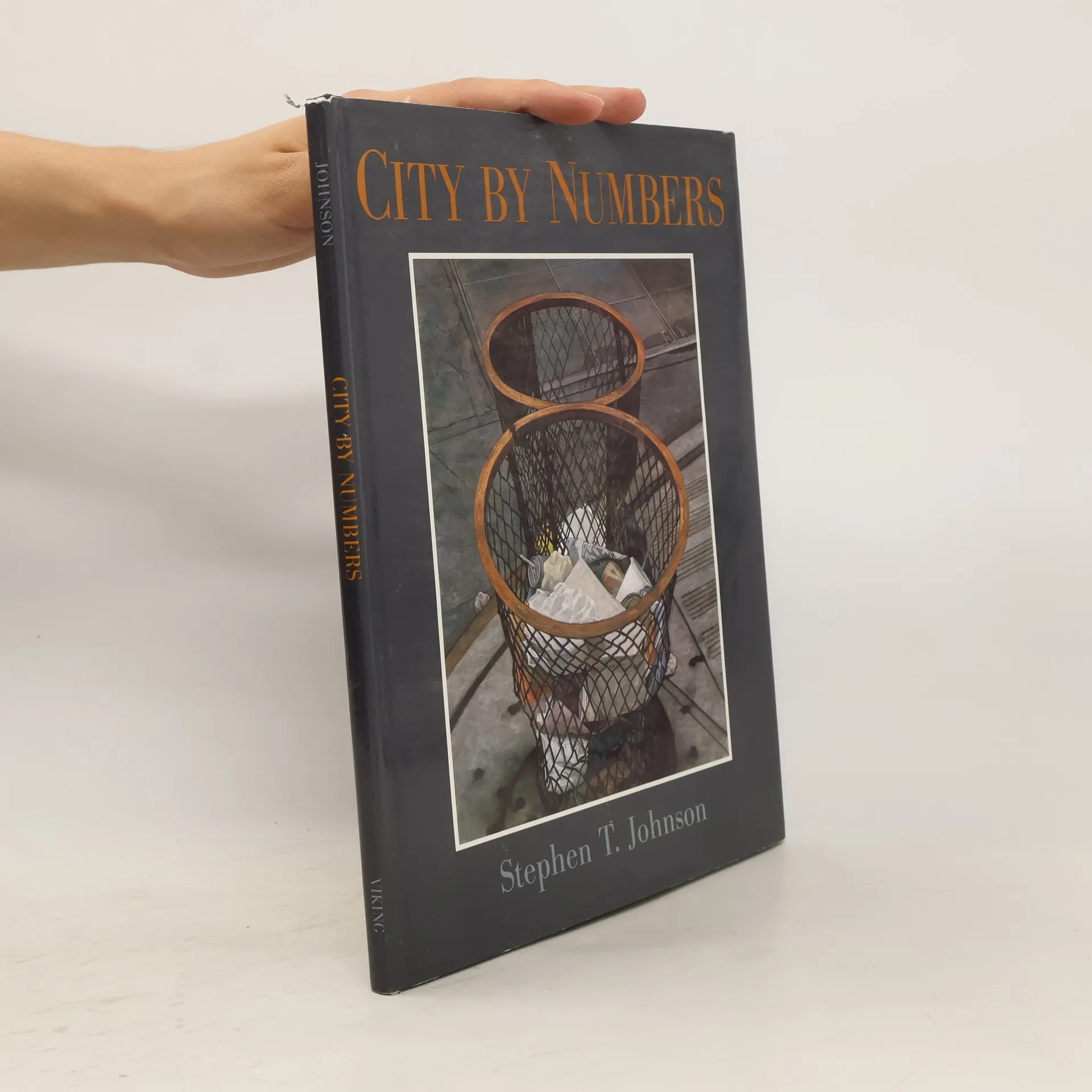
Paintings of various sites around New York City--from a shadow on a building to a wrought iron-gate to the Brooklyn Bridge--depict the numbers from one to twenty-one
Placing Mahler within his world, The Eighth reassesses Mahler's work in the
context of the prevailing thought of his age, but also against the backdrop of
that tumultuous summer, when Mahler worked desperately on his Tenth Symphony,
was betrayed by his wife, and consulted Sigmund Freud.
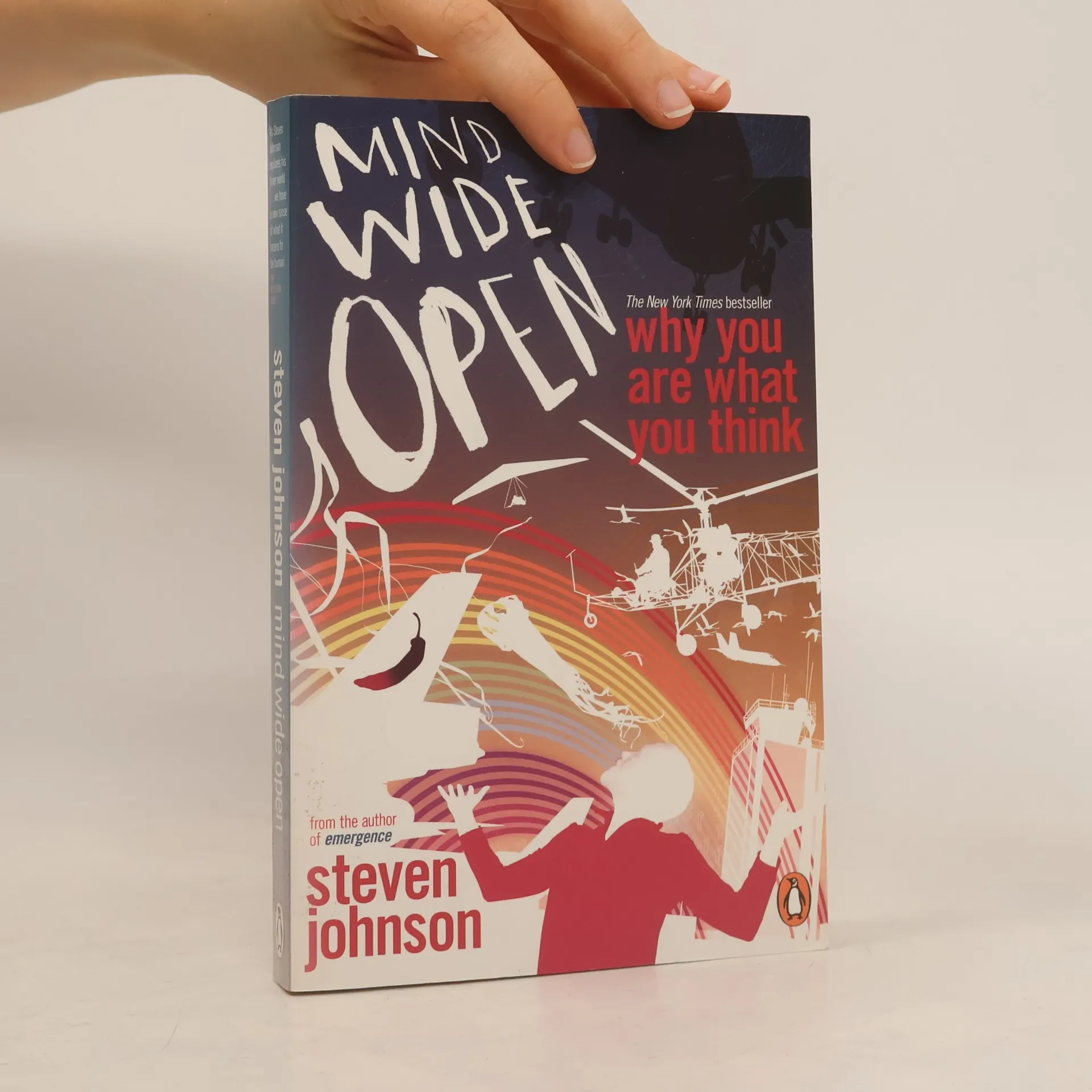
Forget what you thought you knew about yourself and open your mind wide . . . 'You are part reptile, part mammal, part primate. You are a dopamine fiend. You are a walking assembly of patterns and waves, clusters of neurons firing in sync with one another . . . ' In Mind Wide OpenSteven Johnson takes us on a journey to the frontiers of brain science and reveals exactly how we're hardwired to think and feel. Experimenting with the latest technology he discovers (among other things) that everything we do from falling in love to forming a sentence is caused by neurons firing and chemicals swirling around our heads; that there are gadgets which can enable us to control our own brainwaves; that everyone's mind, like their fingerprint, is unique; and this can help us understand our own mental foibles and see ourselves in a totally new way.
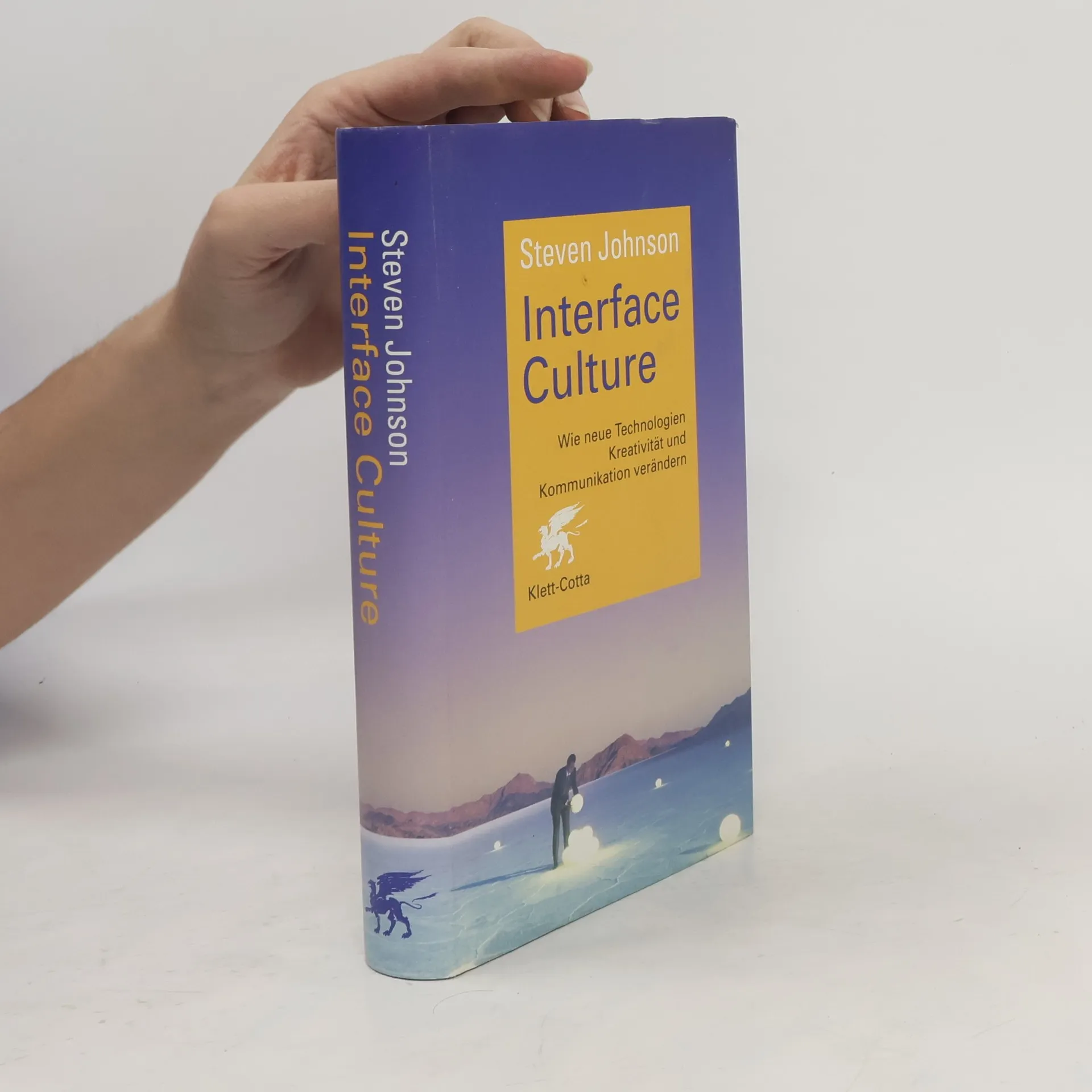
Steven Johnson zeigt, wie Schnittstellen – die Tasten, Grafiken und Wörter auf dem Computerbildschirm, über die wir Informationen steuern – unser tägliches Leben beeinflussen, und verfolgt ihre Wurzeln bis zu viktorianischen Romanen, frühem Kino und sogar mittelalterlicher Stadtplanung. Das Ergebnis ist ein reichhaltiges kulturelles und historisches Tableau, in dem die heutigen Schnittstellen ihren rechtmäßigen Platz in der Linie künstlerischer Innovation einnehmen. Mit einem besonders zugänglichen Stil bringt Interface Culture neue intellektuelle Tiefe in die wichtige Diskussion darüber, wie Technologie die Gesellschaft transformiert hat, und wird sicherlich breite Debatten in literarischen und technologischen Kreisen anstoßen.
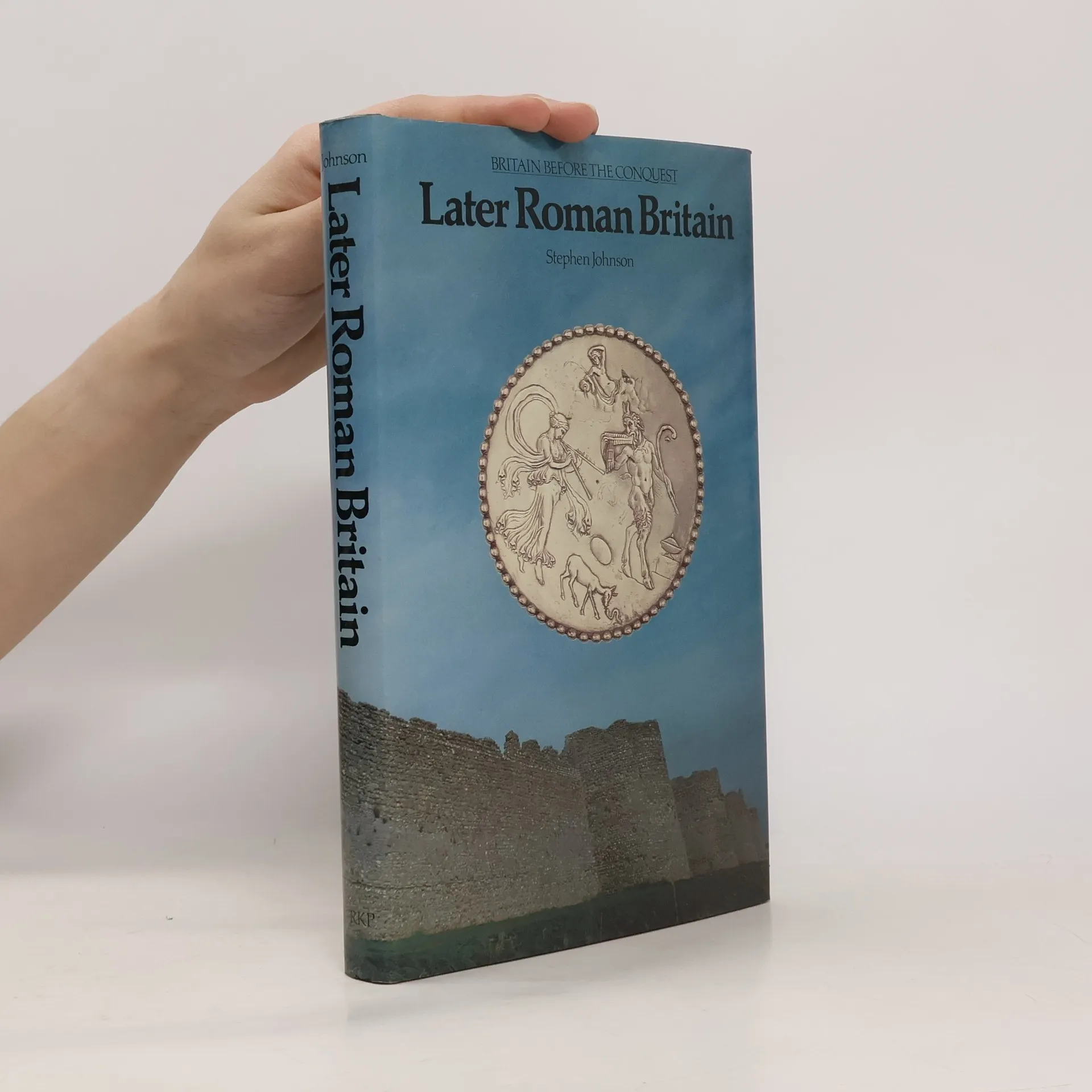
Later Roman Britain , first published in 1980, charts the end of Roman rule in Britain and gives an overall impression of the beginning of the so-called ‘Dark Ages’ of British history, the transitional period which saw the breakdown of Roman administration and the beginnings of Saxon settlement. Stephen Johnson traces the flourishing of Romano-British society and the pressures upon it which produced its eventual fragmentation, examining the province’s barbarian neighbours and the way the defence was organised against the many threats to its security. The final chapters, using mainly the findings of recent archaeology, assess the initial arrival of the Saxon settlers, and indicate the continuity of life between late Roman and early Saxon England. Later Roman Britain gives a fascinating glimpse of a period scarce with historical sources, but during which changes fundamental to the formation of modern Britain began to take place.
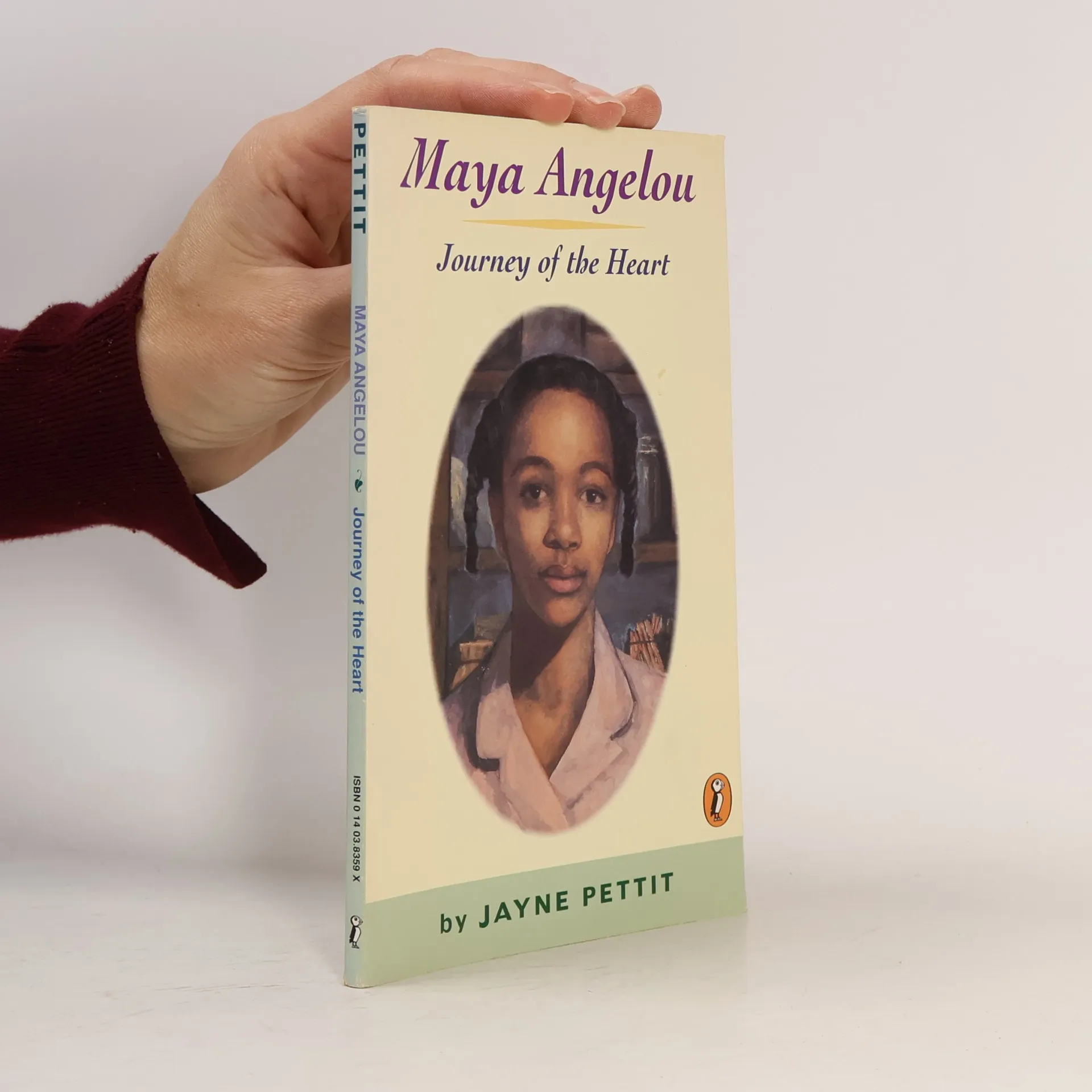
Maya Angelou's life unfolds through her multifaceted roles as a poet, writer, activist, and professor. Her journey encompasses a childhood marked by trauma, a significant role in opera, and passionate involvement in the civil rights movement. The narrative highlights her unwavering commitment to poetry and education, showcasing her efforts to uplift the African-American community. Drawing from her autobiography, this inspiring account celebrates the resilience and achievements of an extraordinary woman.
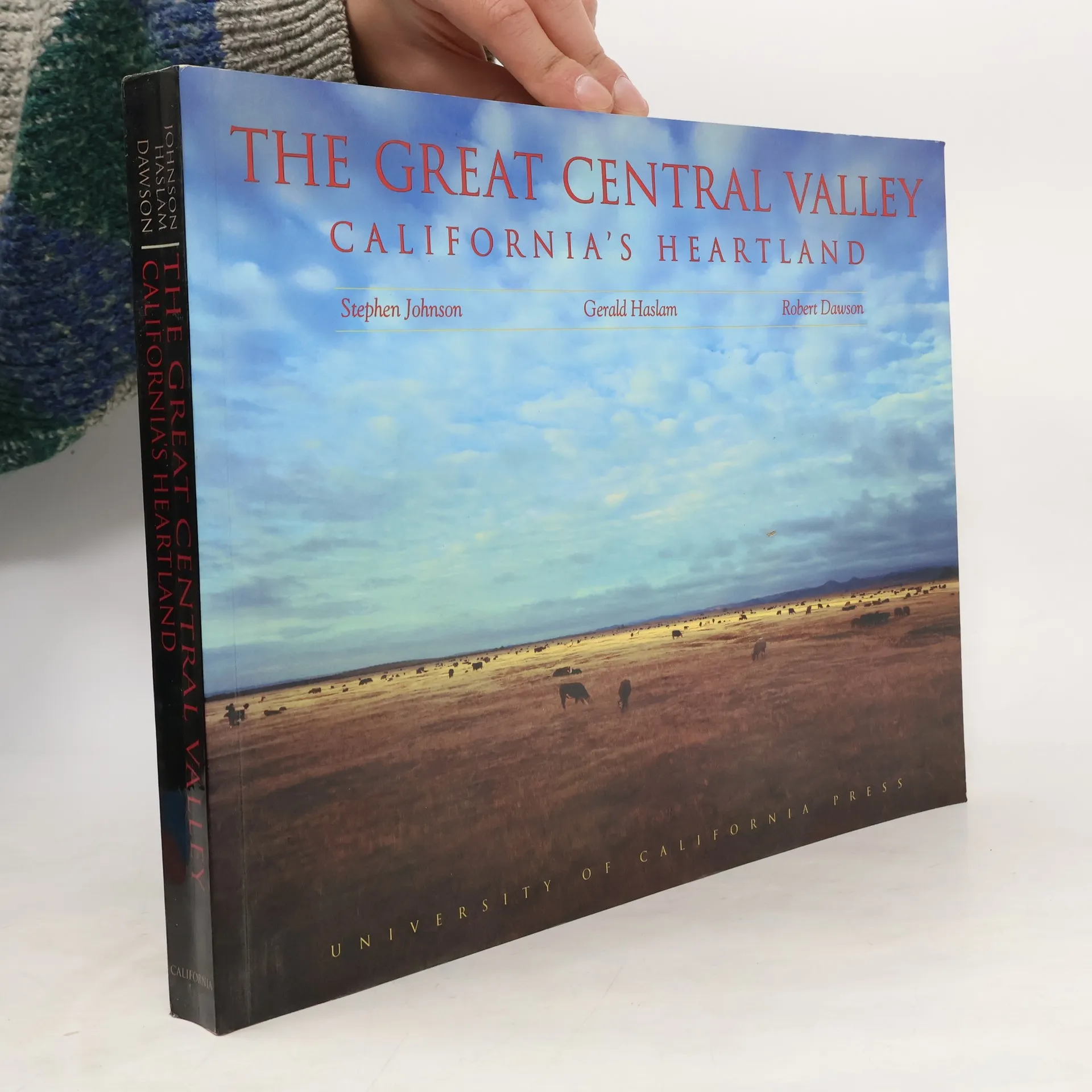
This evocative book by Stephen Johnson, Gerald Haslam, and Robert Dawson explores the rich natural and social history of California's Great Central Valley. Haslam's text highlights the tenacious spirit of the Valley's people, who rely on hard work and ingenuity for survival and success. The land, though demanding, yields to innovative agricultural practices. Johnson's and Dawson's stunning photographs capture the region's beauty and the intricate relationship between the land and its inhabitants.
Spanning 430 miles and up to 75 miles wide, the Central Valley is California's economic heart, covering nearly fifteen million acres—comparable to England. It is the world's richest farming region, producing over 25% of the U.S. table food. Kern County, the southernmost area, generates more oil than some OPEC nations. The Valley's cultural diversity is reflected in its multilingual population, including Tagalog, Hmong, Spanish, and English speakers, alongside a mix of farm laborers, small family farms, and agribusinesses.
However, the Valley faces significant threats. Over the past 150 years, agricultural expansion and population growth have devastated much of its original wildlife, leading to critical issues like chemical pollution, soil erosion, and economic inequities. The photographs, alongside historical engravings and paintings, emphasize the urgent need to protect this endangered region and reclaim its lost grandeur.