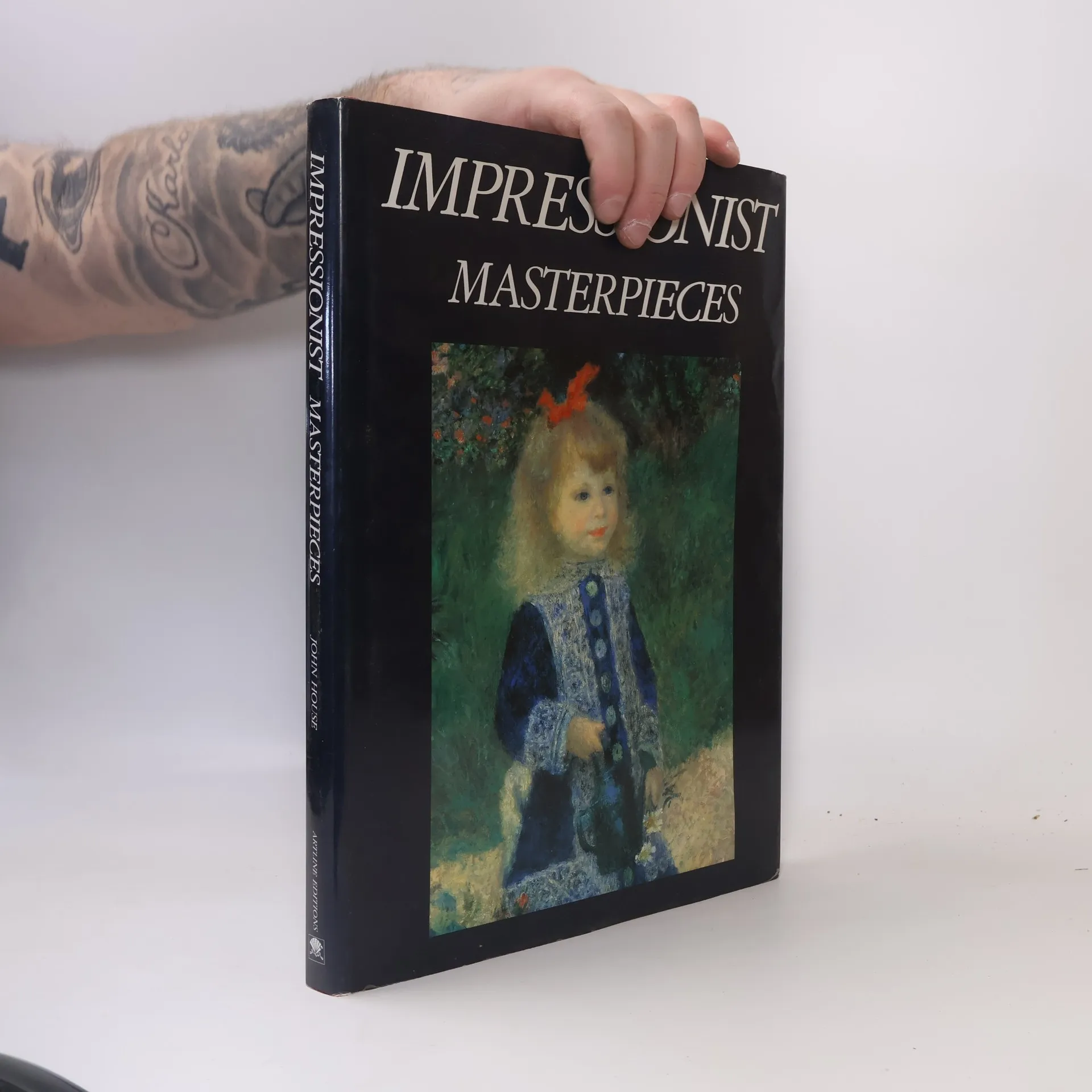
John House war der Doyen unter den Kunsthistorikern des Impressionismus. Weit davon entfernt, leichtgewichtig oder einschmeichelnd zu sein, zeigte House in seinen Schriften die Impressionisten als scharfe Beobachter des sozialen Wandels. Statt einer in sich geschlossenen Bewegung wurden sie als geschickte Verhandlungsführer künstlerischer Konventionen und Institutionen dargestellt. House spielte eine wesentliche Rolle bei der Transformation des akademischen Studiums dieser Periode und leitete durch die von ihm kuratierten Ausstellungen die Entwicklung ihrer öffentlichen Wertschätzung.
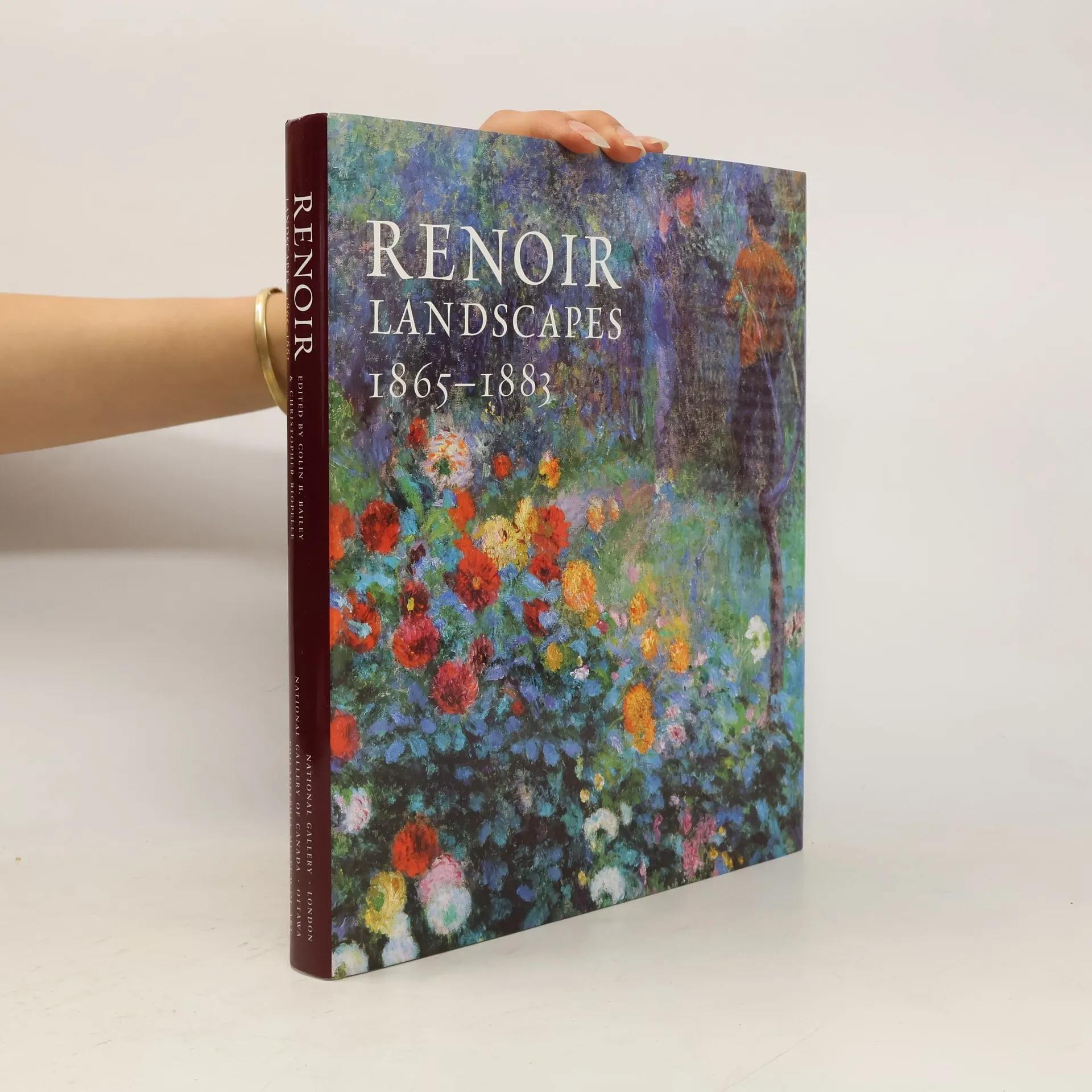
This stunning book, published to accompany a major touring exhibition, examines Renoir's landscape art in depth, demonstrating that he was one of the most audacious and original landscape artists of his age.
Highlighting the first-ever exhibition of Paul Czanne's complete collection at The Courtauld Gallery, this catalogue celebrates the 75th anniversary of The Courtauld Institute of Arts. It features an exceptional array of seminal paintings, alongside rarely seen drawings and watercolors, showcasing the breadth of Czanne's artistic evolution throughout his career. The collection's significance is underscored by its quality and diversity, offering a comprehensive insight into one of the most influential artists in art history.
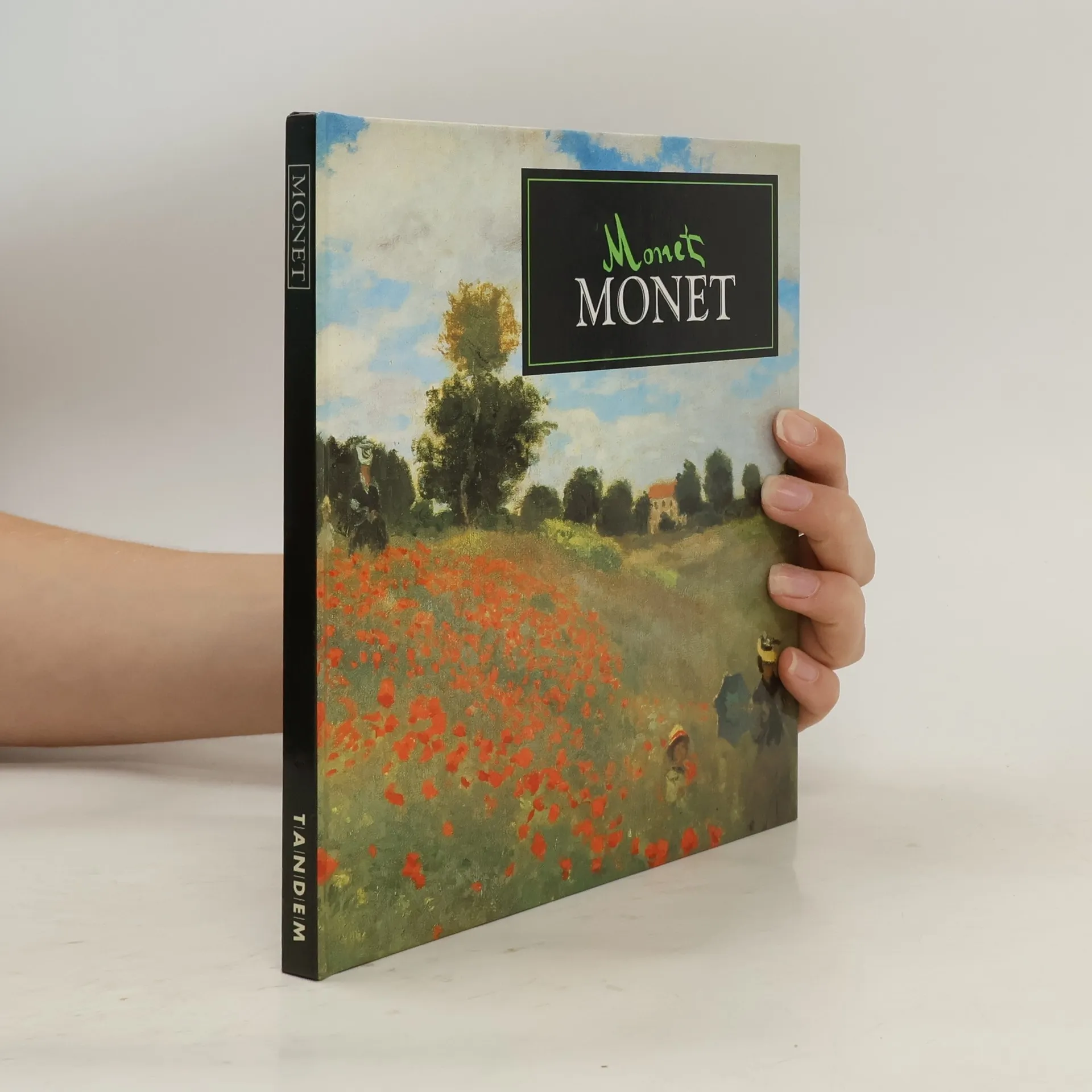
Ein einmaliges Kunsterlebnis für alle Fans des Impressionismus: Claude Monets Meisterwerke werden in diesem hochwertigen Leporello-Druck in Leinen gebunden und mit Booklet im Schmuckschuber präsentiert. 50 Werke der langen und herausragenden Karriere des Vaters des Impressionismus führen seine künstlerische Entwicklung vor Augen. Neben städtischen und modernen Themen bildet die Darstellung der Natur das Herzstück seiner Malerei. Die Natur war Gegenstand seiner unablässigen Suche, dabei verlor er nie aus den Augen, was für ihn wesentlich war: die Wahrheit seiner Empfindungen. Von der getreuen Wiedergabe der Landschaft in den Anfängen bis hin zur gestischen Malerei der späten Seerosen-Gemälde lässt uns der Band die Entwicklung seines Schaffens neu verstehen. Die Themen von Monets Werk (das Meer, die Seine, die Gärten, die Jahreszeiten usw.) werden ebenso erörtert wie die von ihm verwendeten Techniken, wie z. B. die Behandlung von Licht und Farbe durch den Pinselstrich, die Verwendung von Wiederholungen und Serien, um die atmosphärischen Variationen besser wiederzugeben, und die fortschreitende Auflösung der Formen, die ihn zu einem Vorläufer der Abstraktion machen.
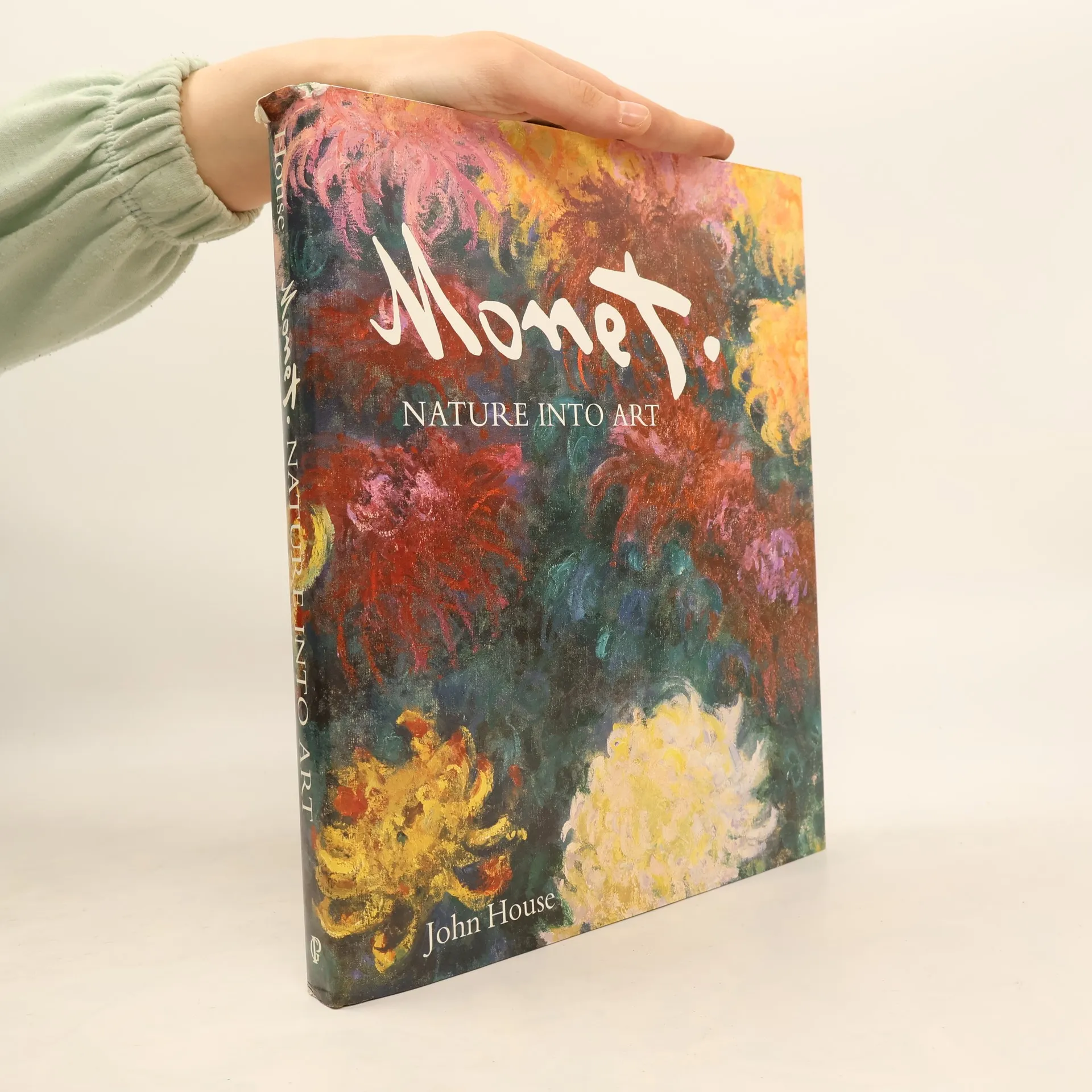
Analyzes the career of the artist responsible for the public image of Impressionism, focusing on the evolution in Monet's painting technique and execution and relating it to his ideas, experiences, and the contexts in which he worked
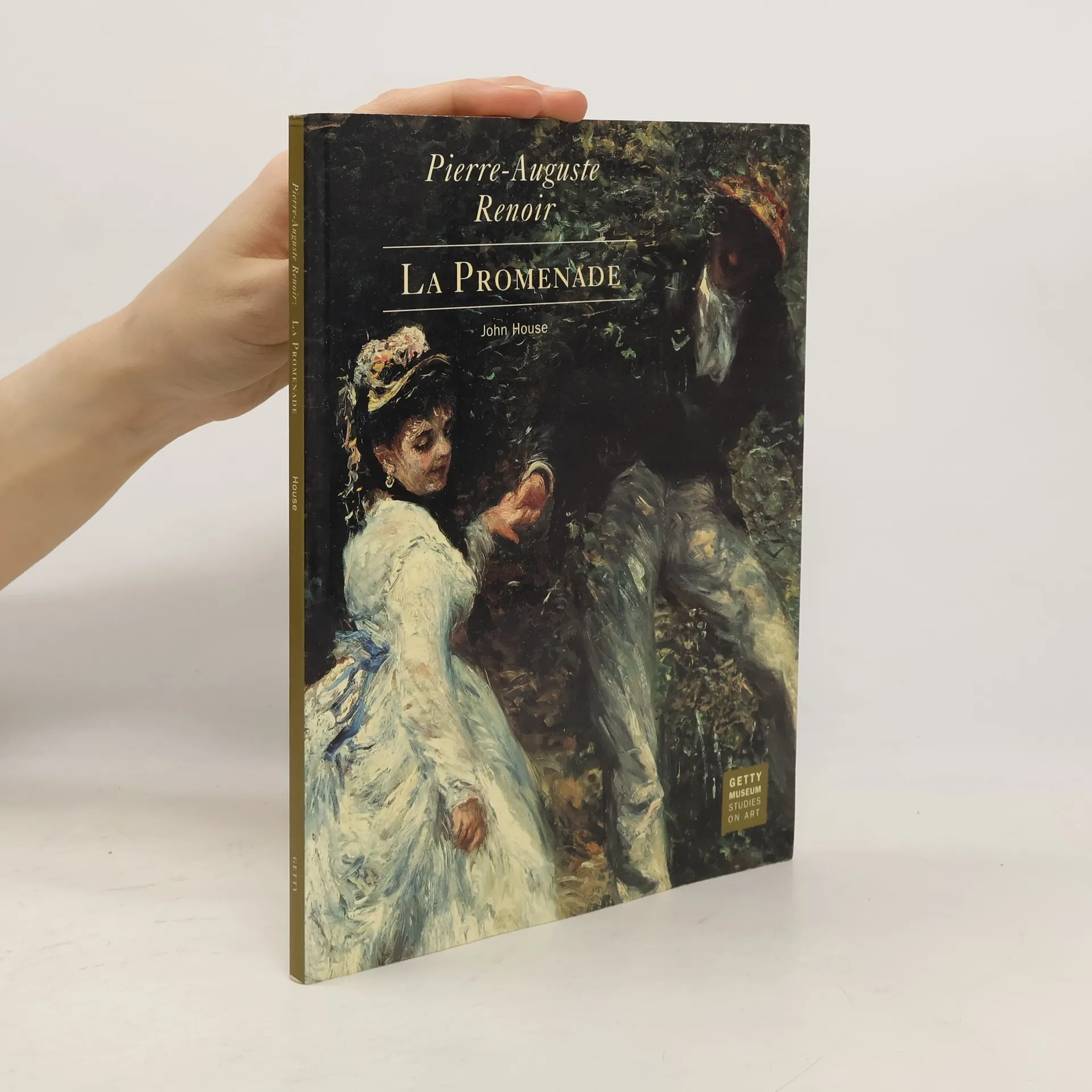
John House examines the many facets of the work and what it reveals about Renoir as a man and artist. He asks, "What did it mean to paint a picture like La Promenade in France in 1870, in the final months of Napoleon III's Second Empire?" The reader is invited to look at the canvas - and Impressionism - as a rejection of the idealist world of academic art and as a challenge to contemporary social norms.
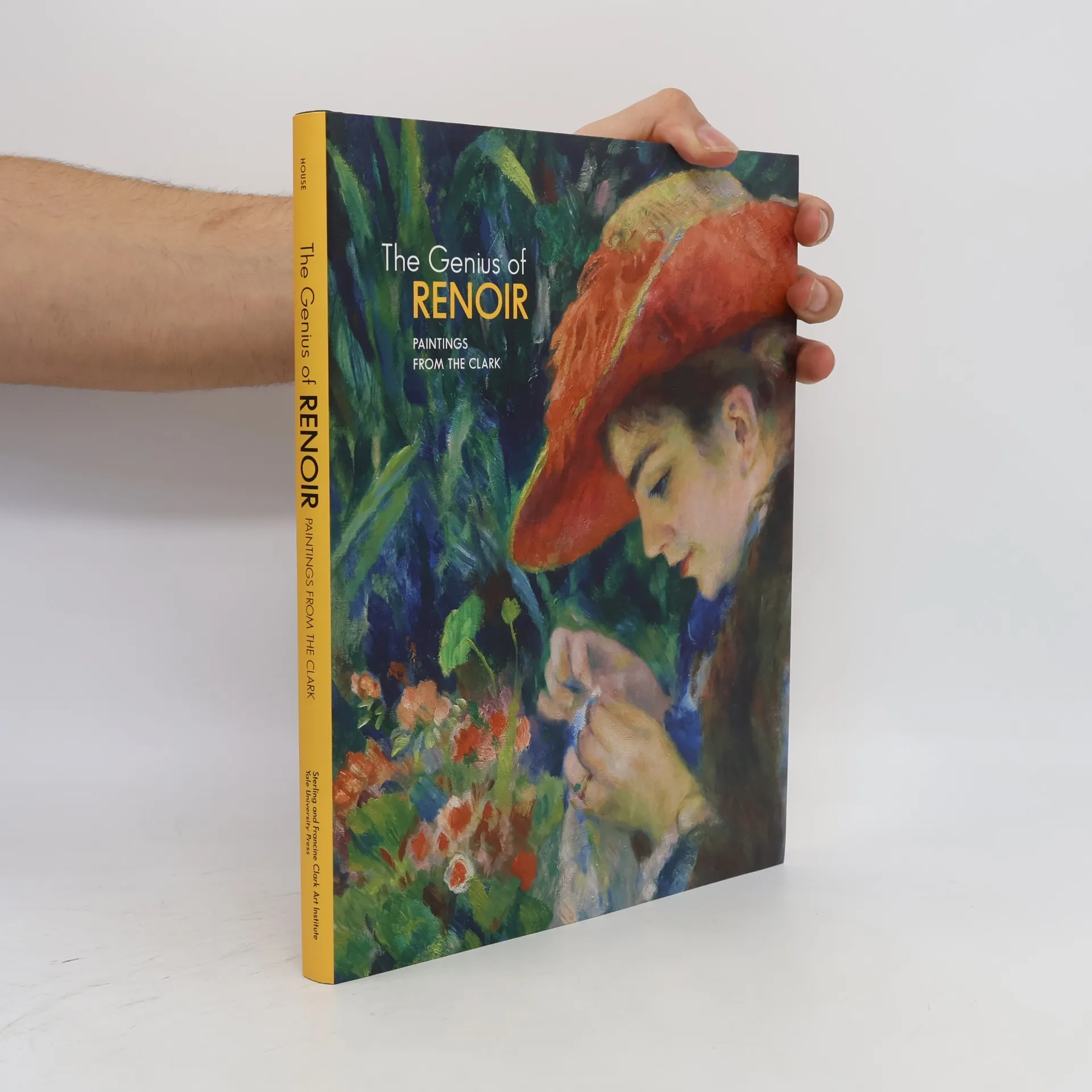
With a consuming enthusiasm for the paintings of Pierre-Auguste Renoir (1841-1919), art collector Sterling Clark assembled one of the greatest private collections of Renoir's work during the first half of the 20th century. Today the masterpieces he so admired form a vital part of the Impressionist holdings of the Sterling and Francine Clark Art Institute. The Genius of Renoir: Paintings from the Clark offers a fascinating, fresh look at the thirty-two Renoir paintings in the Clark collection, featuring beautiful digital color reproductions created especially for this volume. The book brings to light new and often revelatory scholarship concerning the importance of each work, both within Renoir's oeuvre and within the Clark collection. Among the richly varied paintings, encompassing portraits, landscapes, and still lifes, are such key works as Marie-Thérèse Durand-Ruel Sewing, A Box at the Theater (At the Concert), Onions, and Venice, the Doge's Palace. John House, a leading authority on Renoir, offers an in-depth analysis of each of the works in the collection, and curator-author James A. Ganz draws on extensive archival research on Sterling Clark's pursuits as an art collector and museum founder to illuminate this visionary and often enigmatic man.