

Gratis Versand ab 14,99 €. Mehr Infos.
Bookbot

Stanley McChrystal

    General Stanley McChrystal zeichnet sich durch seine unerschütterliche Autorität und seine Bereitschaft aus, unbequeme Wahrheiten anzusprechen. Seine Führung war geprägt von kühnem Denken und der Fähigkeit, eine einflussreiche Stimme im Militär zu werden. Seine Erfahrungen in Spitzenpositionen beim Militär vermittelten ihm ein tiefes Verständnis für Führungsdynamik und strategische Entscheidungsfindung, das er in seine akademische Laufbahn einbrachte. Er hält Vorlesungen über Führung und teilt seine Erkenntnisse über Management und Strategie.

    Risk
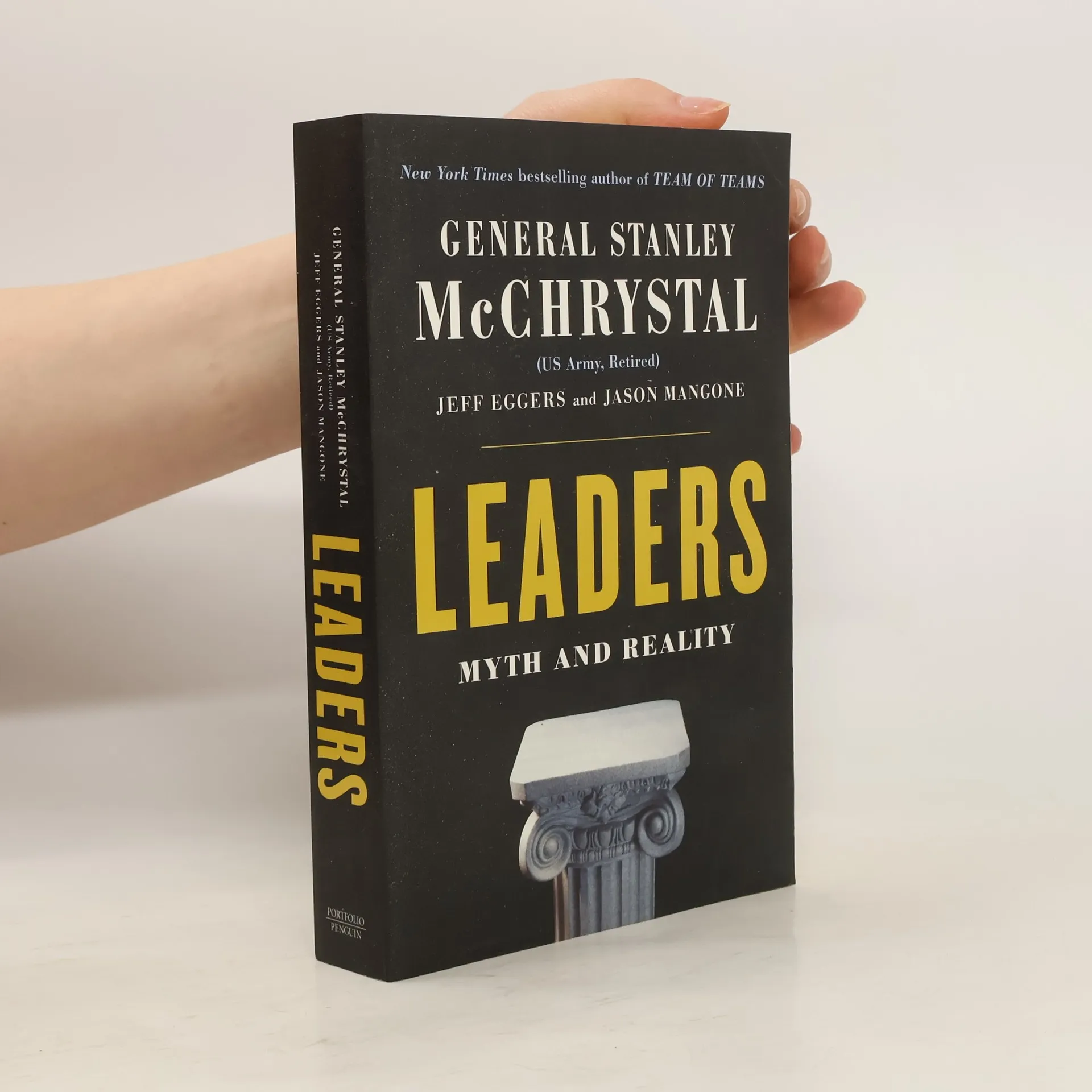
    Leaders
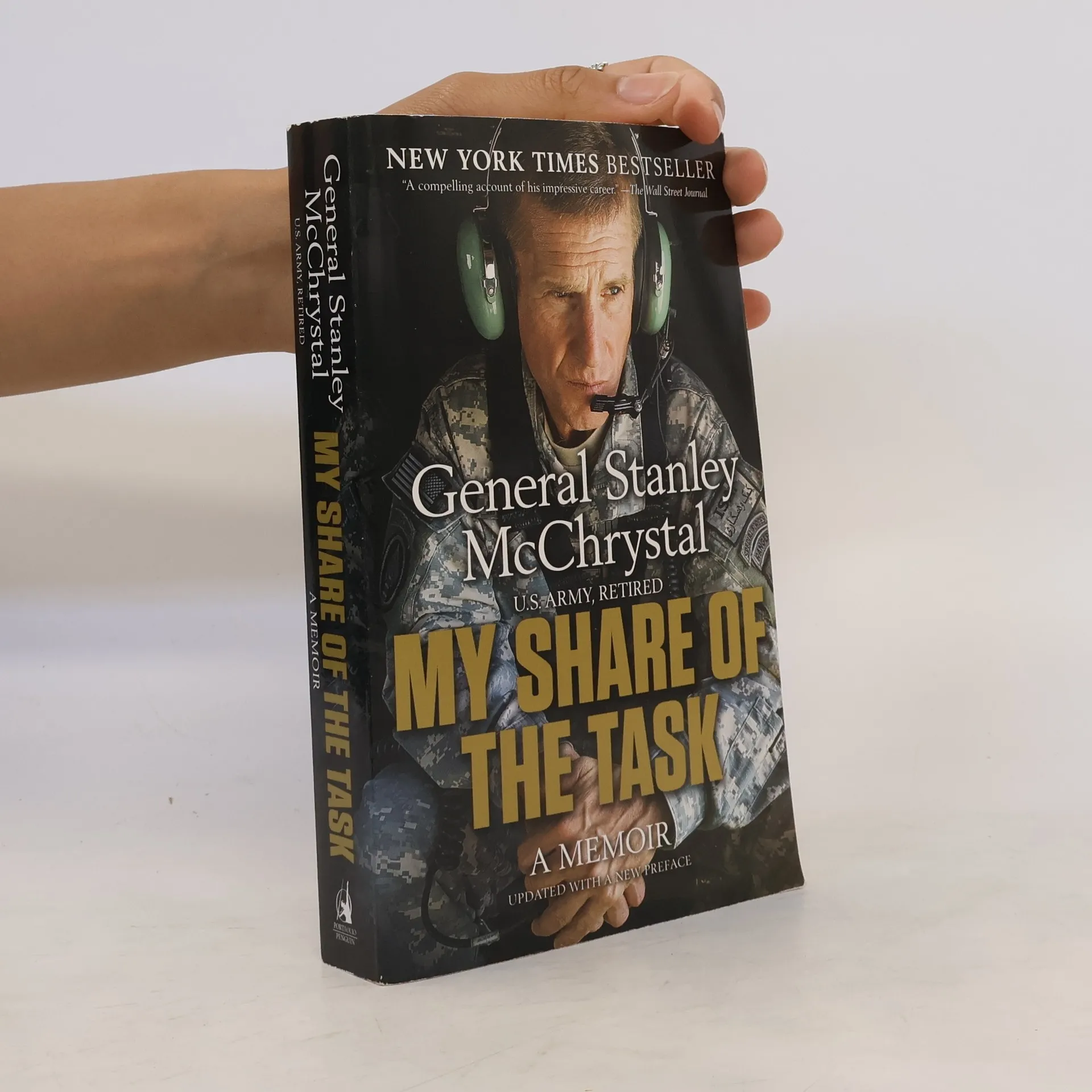
    My Share of the Task
    Team of Teams. New Rules of Engagement for a Complex World
    Führung
    Team of Teams
    • Team of Teams

      Wie Organisationen ihre Anpassungsfähigkeit in einer komplexen Welt verbessern können

      Als Kommandeur des Joint Special Operations Command (JSOC) sah sich General Stanley McChrystal 2004 im Krieg gegen den Terror einer ernsten Situation gegenüber, da Al-Qaida die Elitekräfte Amerikas trotz ihrer überlegenen Ressourcen überlistete. Er erkannte, dass die konventionelle militärische Hierarchie für eine sich schnell verändernde Welt ungeeignet war. Das dezentralisierte Netzwerk von Al-Qaida ermöglichte es, schnell und effektiv zuzuschlagen, was einen radikalen Wandel in der Herangehensweise von JSOC erforderte. Unter McChrystals Führung verwandelte sich JSOC in ein neues Modell, das zentrale Kommunikation mit dezentraler Autorität integrierte, um Al-Qaida effektiv entgegenzutreten. Dieses Buch zeigt, wie der Übergang des Militärs als Blaupause für andere Organisationen dienen kann, von Unternehmen über gemeinnützige Organisationen bis hin zu staatlichen Einrichtungen. In einem unvorhersehbaren Umfeld agieren die erfolgreichsten Organisationen wie ein „Team von Teams“, indem sie kleine Gruppen fördern, die Experimente anregen und gleichzeitig das Teilen von Erkenntnissen unterstützen. McChrystal skizziert die entscheidenden Herausforderungen, vor denen zeitgenössische Organisationen stehen, und bietet eine überzeugende Lösung zur Bewältigung von Komplexität und zur Förderung von Anpassungsfähigkeit.

      Team of Teams
      4,1
    • Führung

      Mythos und Realität

      • 576 Seiten
      • 21 Lesestunden
      Führung
    • As commander of Joint Special Operations Command (JSOC), General Stanley McChrystal discarded a century of management wisdom and pivoted from a pursuit of mechanical efficiency to organic adaptability. In this book, he shows how any organization can make the same transition to act like a team of teams - where small groups combine the freedom to experiment with a relentless drive to share their experience. Drawing on a wealth of evidence from his military career and sources as diverse as hospital emergency rooms and NASA's space program, McChrystal frames the existential challenge facing today's organizations, and presents a compelling, effective solution.

      Team of Teams. New Rules of Engagement for a Complex World
      4,3
    • My Share of the Task

      • 480 Seiten
      • 17 Lesestunden

      Explores the major episodes and controversies of author's career. In this book, the author paints a vivid portrait of how the military establishment turned itself, in one generation, into the adaptive, resilient force that would soon be tested in Iraq, Afghanistan, and the wider War on Terror.

      My Share of the Task
      4,1
    • Leaders

      • 480 Seiten
      • 17 Lesestunden

      Leaders rexamines old notions of leadership - especially the outdated view that history is shaped by great men going it alone. General McChrystal shows us that leadership can take many forms, leaders often have different strengths, and great leaders can come from anywhere SHERYL SANDBERG COO of Facebook and founder of LeanIn.Org

      Leaders
      3,8
    • Retired four-star general Stan McChrystal has navigated the high-stakes world of combat and leadership, from West Point to Afghanistan and beyond. In his latest work, he examines why individuals and organizations often fail to manage risk effectively. The common mistake lies in focusing solely on the probability of risks rather than the mechanisms available for managing them. McChrystal, along with coauthor Anna Butrico, presents a battle-tested system for identifying and responding to risks. They argue that risk should not be merely predicted but understood through ten dimensions of control that can be adjusted at any time. By monitoring these controls, we can maintain a robust Risk Immune System, enabling us to anticipate, identify, analyze, and act on unforeseen challenges. Drawing from military history and business examples, McChrystal provides practical exercises to enhance preparedness. He demonstrates that these ten factors are always at play and that by considering them, individuals and organizations can master the various risks they encounter. While the future remains uncertain, McChrystal's insights offer a pathway to strengthen our defenses against known and unknown threats.

      Risk
      3,7