


Gratis Versand ab 14,99 €. Mehr Infos.
Bookbot

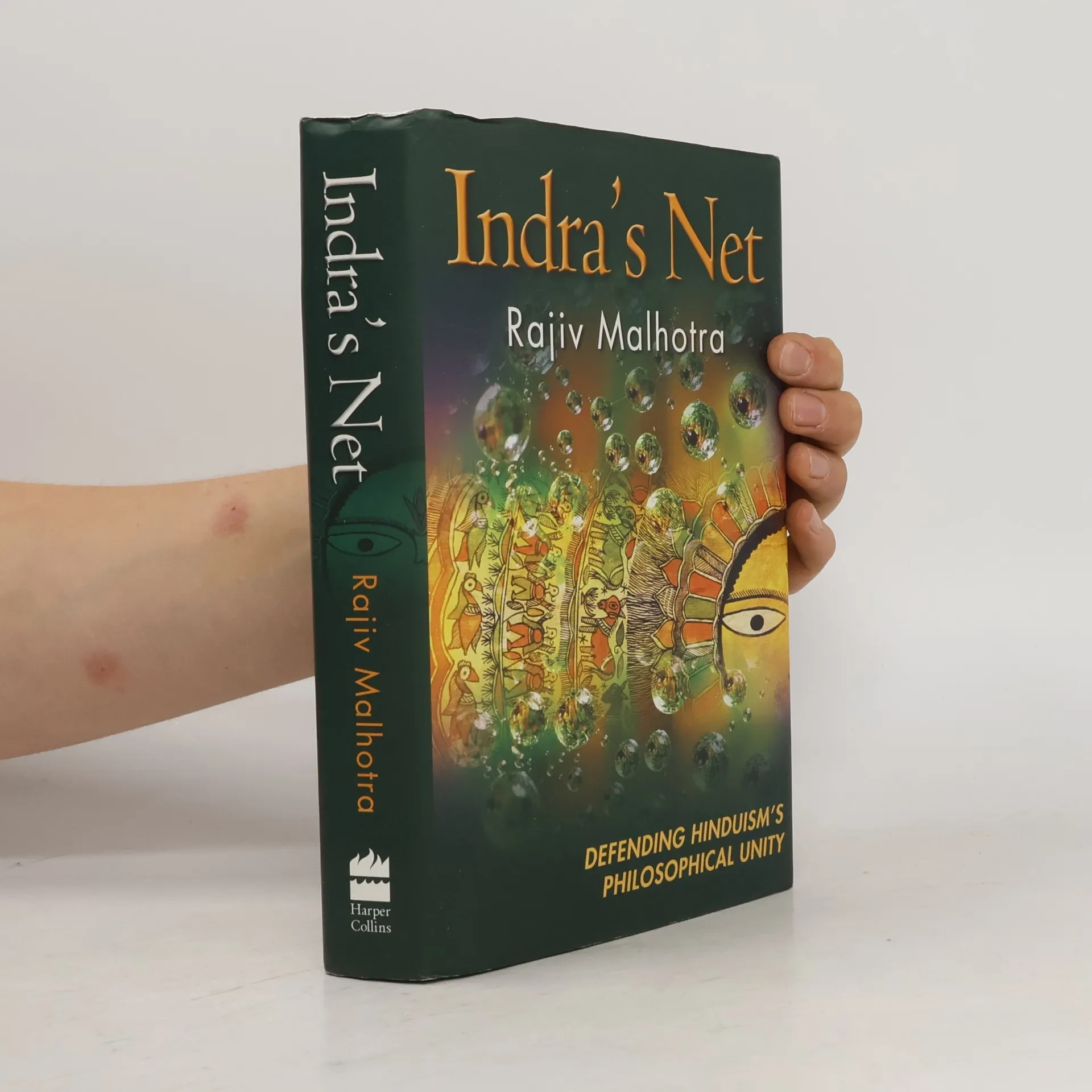
Rajiv Malhotra

    Rajiv Malhotra widmet sich als Gelehrter den indischen Traditionen und setzt seine unternehmerischen und philanthropischen Fähigkeiten ein, um Missverständnisse in Amerika und innerhalb der indischen Diaspora auszuräumen. Seine umfangreichen Schriften, Kommentare und öffentlichen Vorträge befassen sich mit dem reichen Spektrum indischer Kulturen, den Dynamiken der Globalisierung und der sich entwickelnden Beziehung zwischen östlichen und westlichen Perspektiven. Malhotras Arbeit zielt darauf ab, ein tieferes, genaueres Verständnis der alten indischen Philosophien und ihrer Relevanz in der modernen Welt zu fördern. Er engagiert sich aktiv für Bildungsinitiativen und gemeinnützige Arbeit, was sein lebenslanges Engagement für interkulturellen Dialog und Verständnis widerspiegelt.

    Artificial Intelligence and theFuture of Power
    Snakes in the Ganga
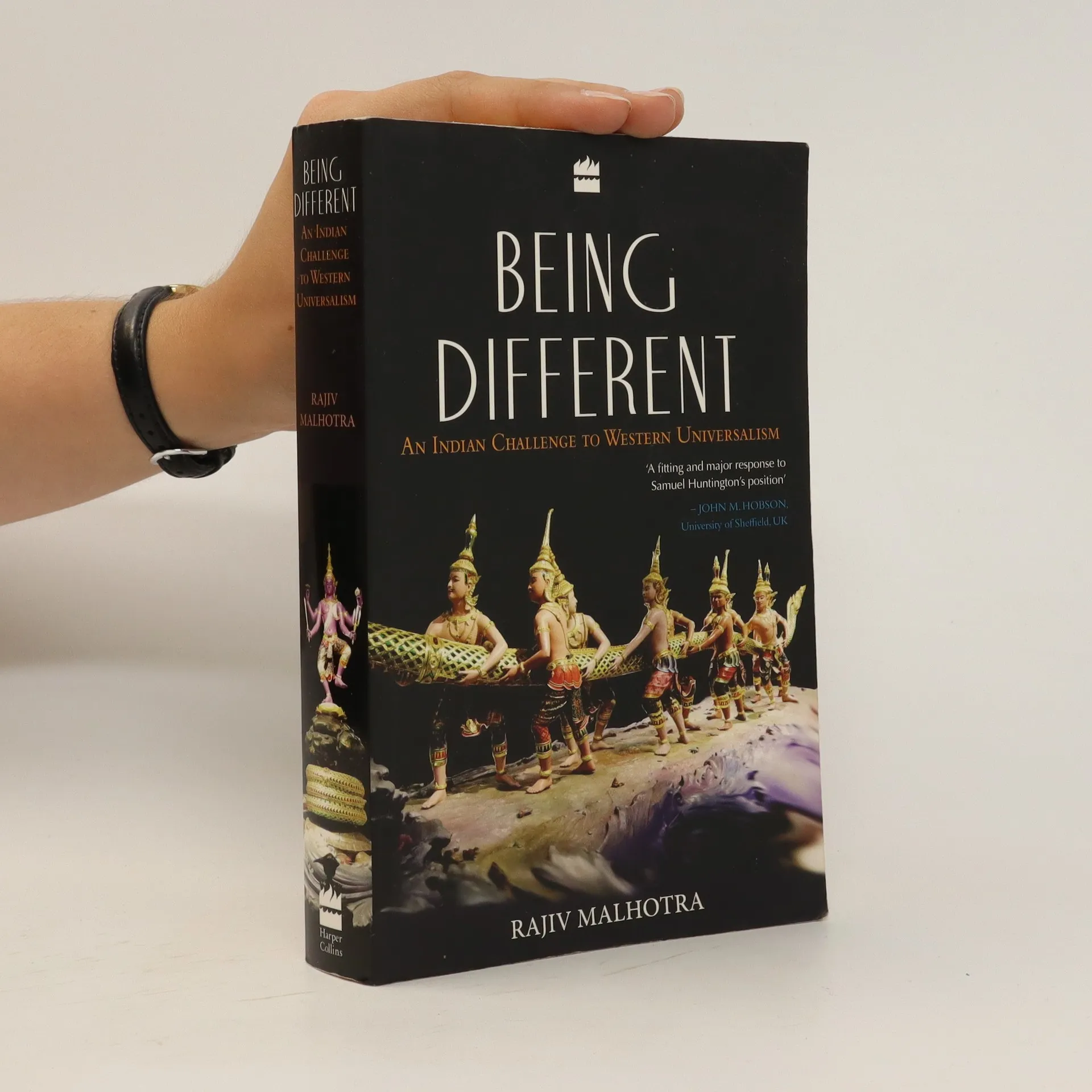
    Being Different : An Indian Challenge To Western Universalism
    • 'Rajiv Malhotra's insistence on preserving difference with mutual respect - not with mere "tolerance" - is even more pertinent today because the notion of a single universalism is being propounded. There can be no single universalism, even if it assimilates or, in the author's words, "digests", elements from other civilizations' - Kapila Vatsyayan In Being Different: An Indian Challenge to Western Universalism, thinker and philosopher Rajiv Malhotra addresses the challenge of a direct and honest engagement on differences, by reversing the gaze, repositioning India from being the observed to the observer and looking at the West from the dharmic point of view. In doing so, he challenges many hitherto unexamined beliefs that both sides hold about themselves and each other. He highlights that while unique historical revelations are the basis for Western religions, dharma emphasizes self-realization in the body here and now. He also points out the integral unity that underpins dharma's metaphysics and contrasts this with Western thought and history as a synthetic unity. Erudite and engaging, Being Different critiques fashionable reductive translations and analyses the West's anxiety over difference and fixation for order which contrast the creative role of chaos in dharma. It concludes with a rebuttal of Western claims of universalism, while recommending a multi-civilizational worldview.

      Being Different : An Indian Challenge To Western Universalism
      4,4
    • Snakes in the Ganga

      Breaking India 2.0

      • 864 Seiten
      • 31 Lesestunden

      Intense warfare against India's integrity is driven by a well-orchestrated global machinery fueled by a new ideology. Marxism has been reborn as Critical Race Theory in US academia, framing America's racism and recklessly mapped onto India, where caste is equated with race. Marginalized communities are viewed as analogous to Blacks, while Brahmins are seen as the Whites of India. Groups claiming grievances, such as Muslims and LGBTQ+ individuals, are artificially grouped together. This Woke movement aims to dismantle Indian civilization and heritage, waging a relentless war against the government, educational institutions, culture, industry, and society. Harvard University serves as Ground Zero for these social theories, developed in collaboration with Indian scholars, activists, journalists, and artists, posing a clear threat to India's sovereignty and national security. Many Indian elites promote Harvard as the Vishwa guru, while private universities in India import Wokeism, jeopardizing stability. Indian corporates are adopting Western Environmental, Social, and Governance ratings aligned with the global Social Justice movement. China has exploited this new infrastructure to gain access to India. Wokeism has also influenced Indian government policies, such as the National Education Policy 2020, which propagates Harvard's liberal arts. An entire ecosystem of ideologies, institutions, and young leaders is emerging for the rec

      Snakes in the Ganga
      4,3
    • The book explores the ongoing debate about AI's impact on the workforce, particularly the potential for machines to replace a significant number of blue- and white-collar jobs within the next two decades. It highlights the consensus among experts regarding the necessity for workers to undergo re-education as many roles become obsolete or transformed. The discussion emphasizes the increasing vulnerability of jobs over time, with a particular focus on the harsher effects anticipated in developing countries due to lower education standards.

      Artificial Intelligence and theFuture of Power
      4,3