Berlin: Bei Partnern noch vor dem Fest lieferbar
Bookbot

George B. Bridgman

    George Brant Bridgman war ein kanadisch-amerikanischer Künstler, Lehrer und Schriftsteller. In Kanada geboren, verbrachte er den Großteil seines Berufslebens in den USA, wo er Anatomie und Figurenzeichnen an der Art Students League of New York unterrichtete. Zu seinen Schülern zählten viele zukünftige berühmte Künstler, was seinen bedeutenden Einfluss auf nachfolgende Künstlergenerationen unterstreicht.

    Anatomia Constructiva
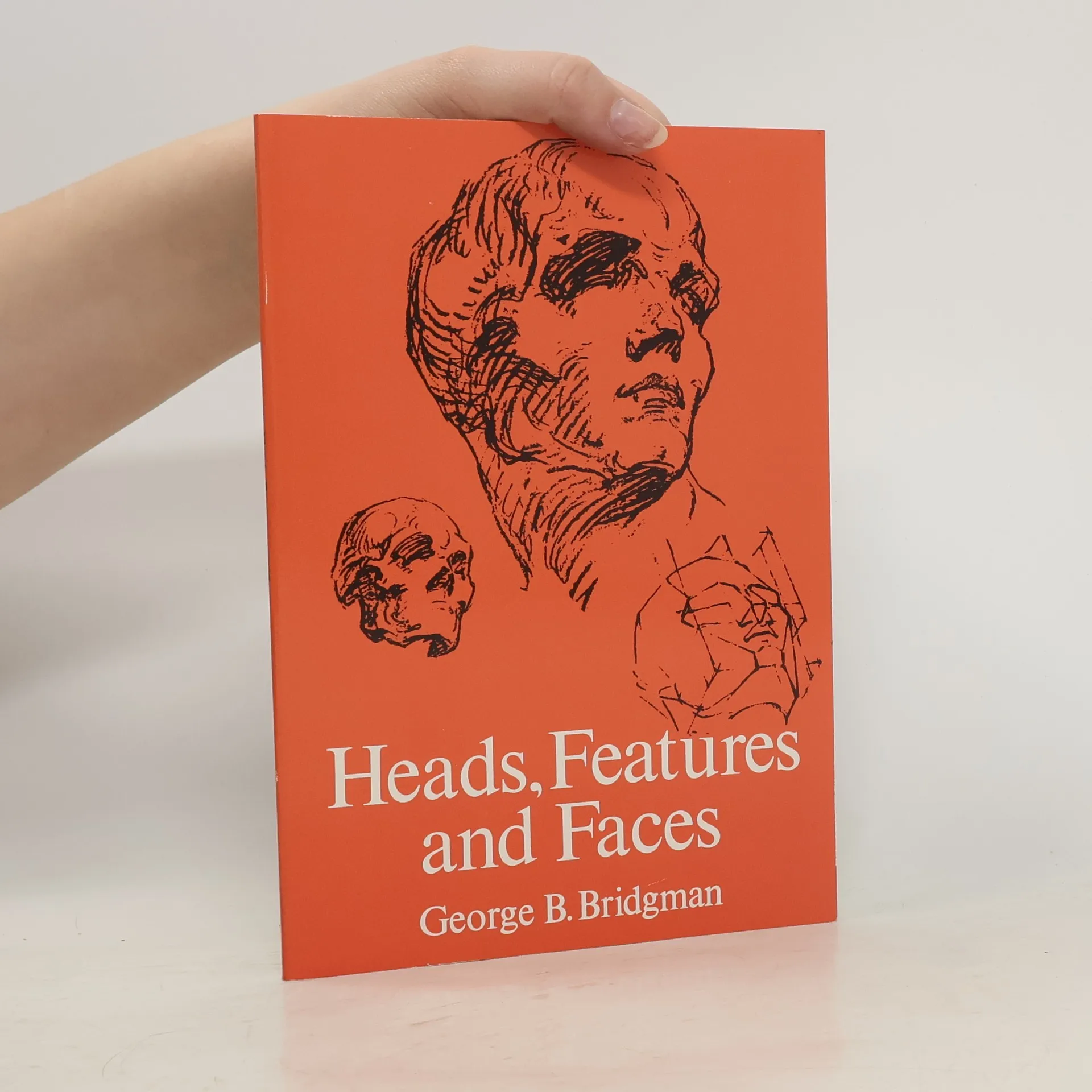
    Heads, Features and Faces
    The Human Machine
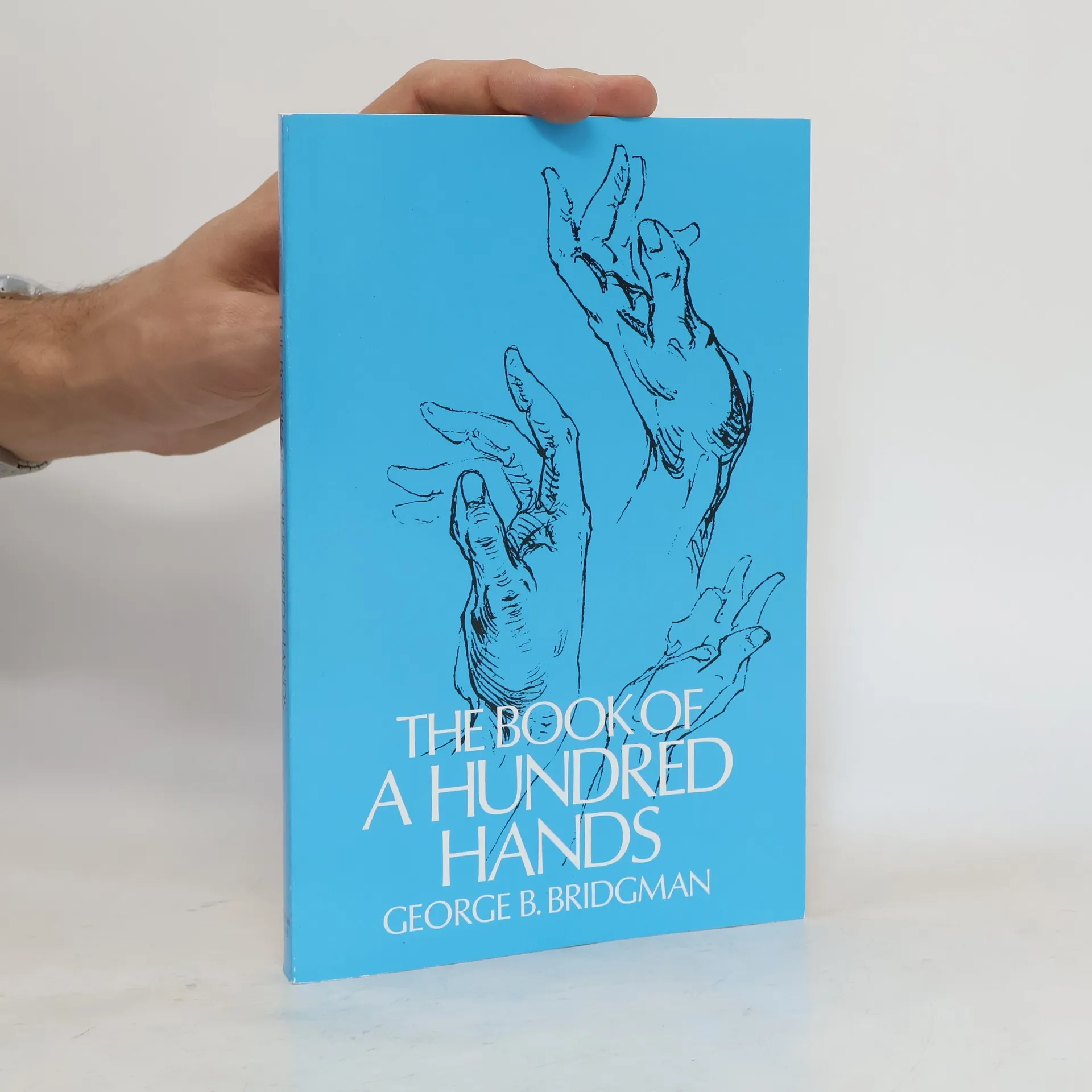
    The Book of a Hundred Hands
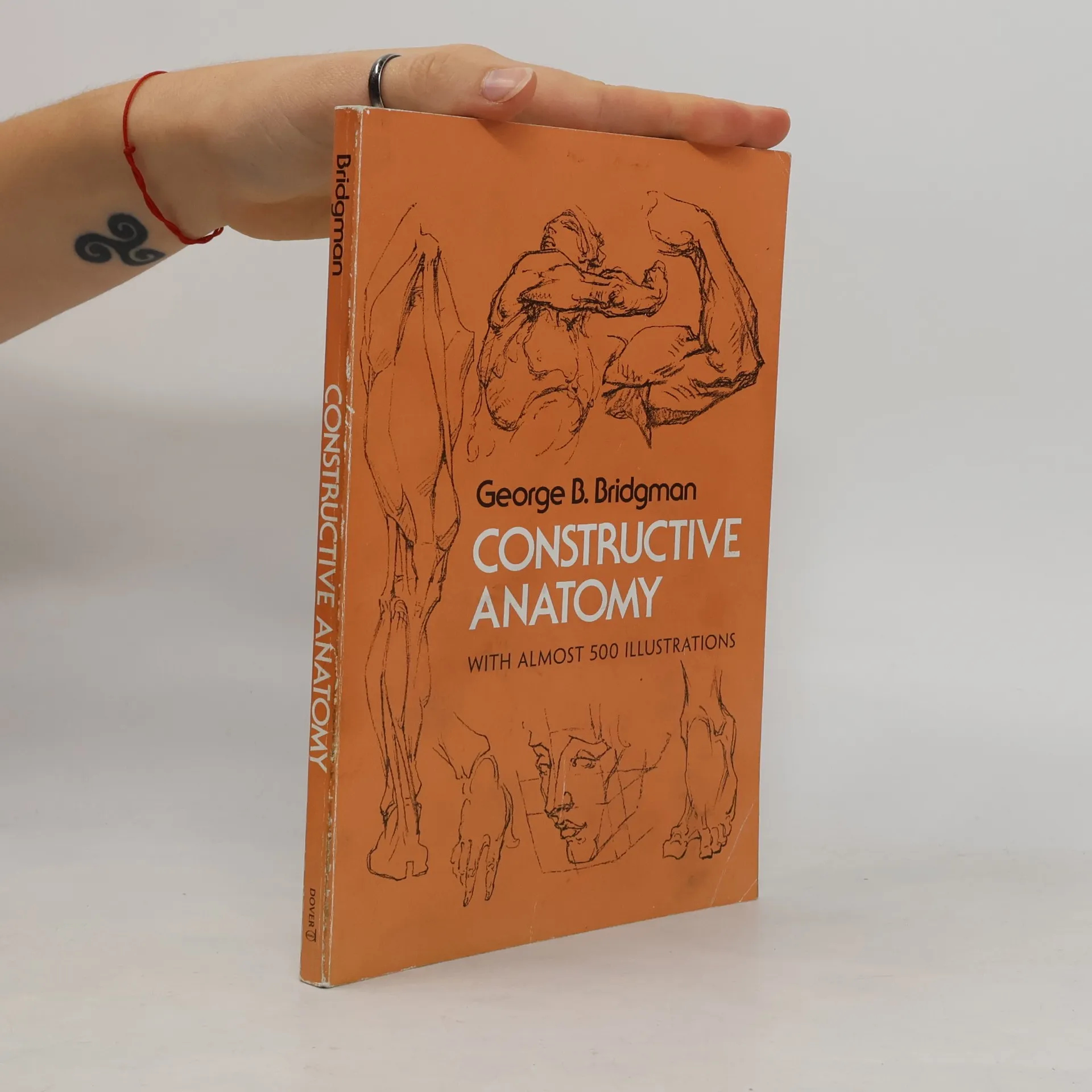
    Constructive Anatomy
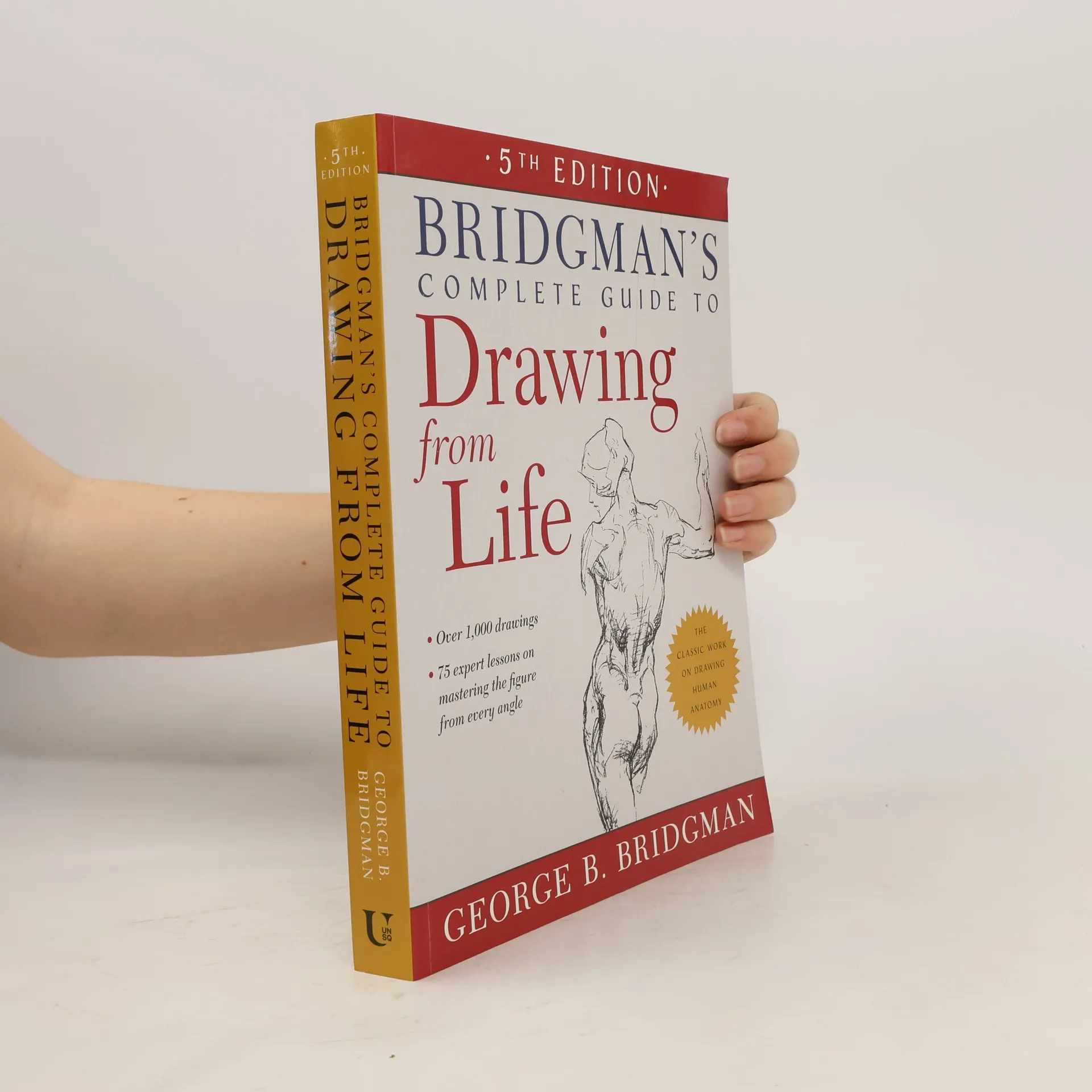
    Bridgman's Complete Guide To Drawing From Life
    • This volume combines six well-known books by celebrated artist and lecturer George A. Bridgman, who taught figure and anatomy drawing at New York City's Art Students League. In this fifth edition, the interior art has been cleaned and the design freshened in two-color. In its sleek new format, this authoritative volume is sure to continue as one of the premier figure-drawing publications of all time.

      Bridgman's Complete Guide To Drawing From Life
    • A variety of sketches depicting bone and muscle structure, as well as human features, illustrate these lessons in drawing human forms

      Constructive Anatomy
    • INTRODUCTION IT appears to be a fixed law that the contraction of a muscle shall be toward its centre, therefore, the subject for mechanism on each occasion is so to modify the figure, and adjust the position of the muscle as to produce the motion required agreeably with this law. This can only be done by giving to different muscles a diversity of configuration suited to their several offices and to their situation with respect to the work which they have to perform. On which account we find them under a multiplicity of forms and altitudes sometimes with double, sometimes with treble tendons sometimes with none, sometimes with one tendon to several muscles at other tipies with one muscle to several tendons. The shape of the organ is susceptible of an incalculable variety, while the original property of the muscle. The law and line of its contraction remains the same and is simple. Herein the muscular system may be said to bear a perfect resemblance to our works of art. An artist does not alter the native quality of his materials or their laws of action. He takes these as he finds them. His skill and ingenuity are employed in turning them such as they are, to his account by giving to the parts of his machine a form and relation in, which these unalterable properties may operate, ., The mouth was made to cut and grind food. To save this trouble and work, mechanical devices such as the mill- stone were put into operation. Hence the upper stone ground while the lower was stationary, In the human machine, the upper stone is fixed and the lower does the grinding. The only movable bone of the skull is the lower jaw which hinges to the head just in front of the ear. It acts as a lever of the third order. The cutting and grinding force is controlled by powerful muscles. The one that raises the lower jaw is named The temporal muscle attached to the coronoid portion of lower jaw it passes upward under the zygomatic arch covering the tern oral fossa. From its attachment above, its fibres converge before passing under the arch. The inferior maxillary or lower jaw bone is shaped somewhat like a horse-shoe. Its front projection forms the chin it then passes backward on either side of the mouth then bends upwards ending in a head or condyle that articulates with the temporal bone. The muscles of mastication are of marked prominence and are called masseters. They move the lower jaw and are inserted into the vertical branch of the lower jaw-bone the upper part or the superiot border arises from the zygomatic arch. By its contraction it brings the teeth together in cutting and grinding. Unlike the facial muscles or muscles of expression, the temporal and the masseter extend from the surface of one bone to that of another, that is, from the unmovable bones of the head to the movable lower jaw-bone. In the human species, the mouth not only is used for the grinding and breaking down of food, but also the tespiration of air and the utterance of sound.

      The Human Machine
    • Heads, Features and Faces

      • 64 Seiten
      • 3 Lesestunden
      4,1(168)Abgeben

      Shares ideas on perspective, planes, and anatomy as they relate to portrait drawing

      Heads, Features and Faces
    • Anatomia Constructiva

      • 208 Seiten
      • 8 Lesestunden

      The book presents Bridgman's innovative approach to figure drawing through the use of "boxes" as a foundational method. This technique simplifies the complex anatomy of the human form, making it accessible for artists. Bridgman’s instructional style emphasizes understanding the structure and proportions of the body, providing valuable insights for both beginners and experienced artists looking to enhance their skills in figure representation.

      Anatomia Constructiva
    • Constructive Anatomy

      Includes Nearly 500 Illustrations

      • 214 Seiten
      • 8 Lesestunden

      Featuring meticulously detailed anatomical studies, this book offers an in-depth exploration of the human figure, complemented by exquisite illustrations. It serves as a valuable resource for artists and students alike, providing insights into the complexities of anatomy with a focus on clarity and precision. The combination of thorough research and artistic representation makes it an essential reference for anyone interested in mastering the art of figure drawing.

      Constructive Anatomy
    • "The Book of a Hundred Hands" is exactly what it sounds like. With this delightful little book George Bridgman has handed the world's artists a remarkable resource. As he points out, the human hand has a tremendous capacity for expression, and the attentive artist takes advantage of this potential to imbue their work with detail and meaning. After all, we can tell a lot about a person from their hands: everything from a subject's age and gender, to their psychological and emotional states, and even occupation. With 100 carefully-selected illustrations that clearly identify the regions of the hand in a variety of positions, "The Book of a Hundred Hands" is the perfect workbook and reference for any artist, beginning or experienced. Whether you read it as a textbook or pull it from your shelf for inspiration when you're stumped on a particular hand-rendering problem, this book is a worthy addition to any artist's library. The lessons it contains are sure to elevate your human figures to new levels of expression and detail.

      The Book of a Hundred Hands (Dover Anatomy for Artists)