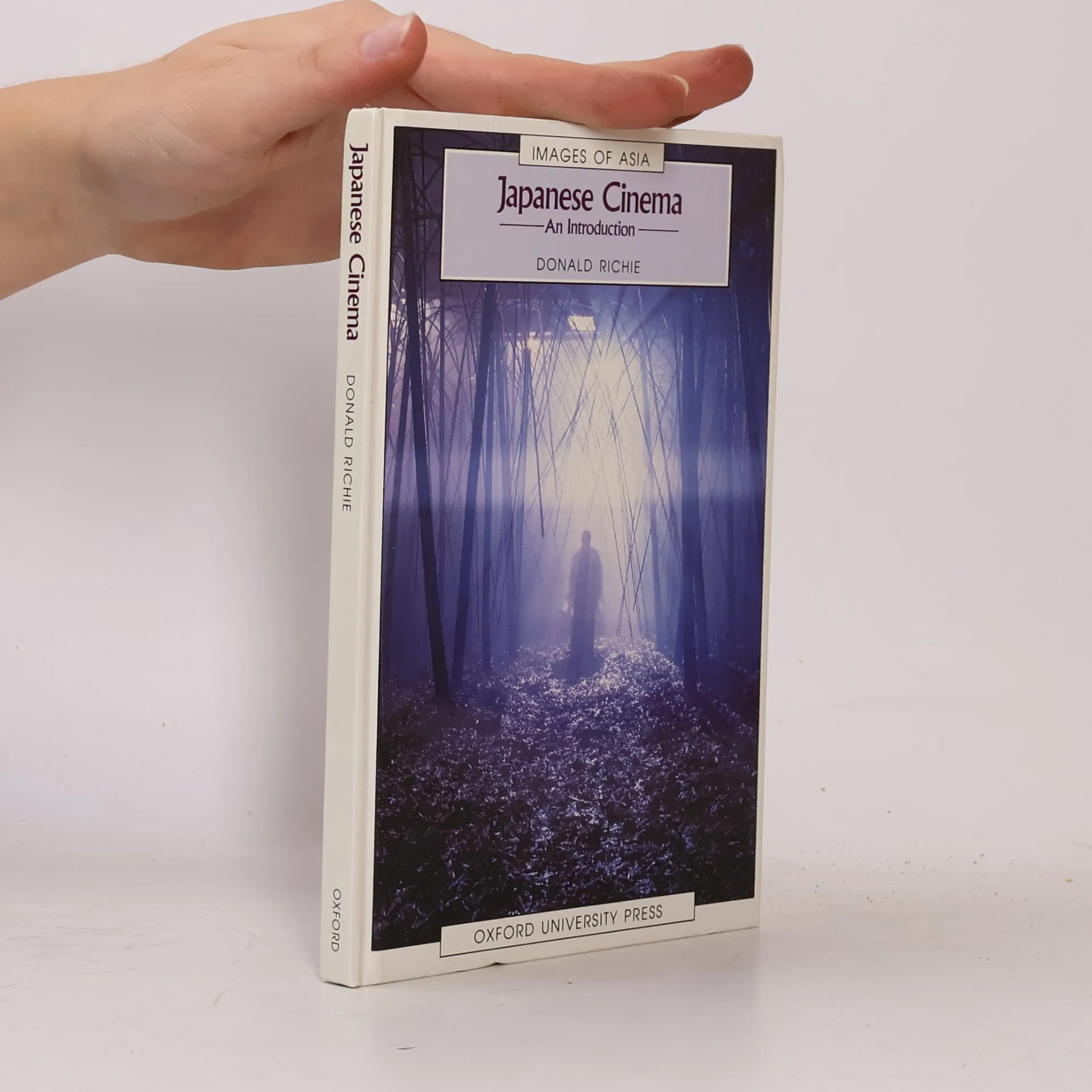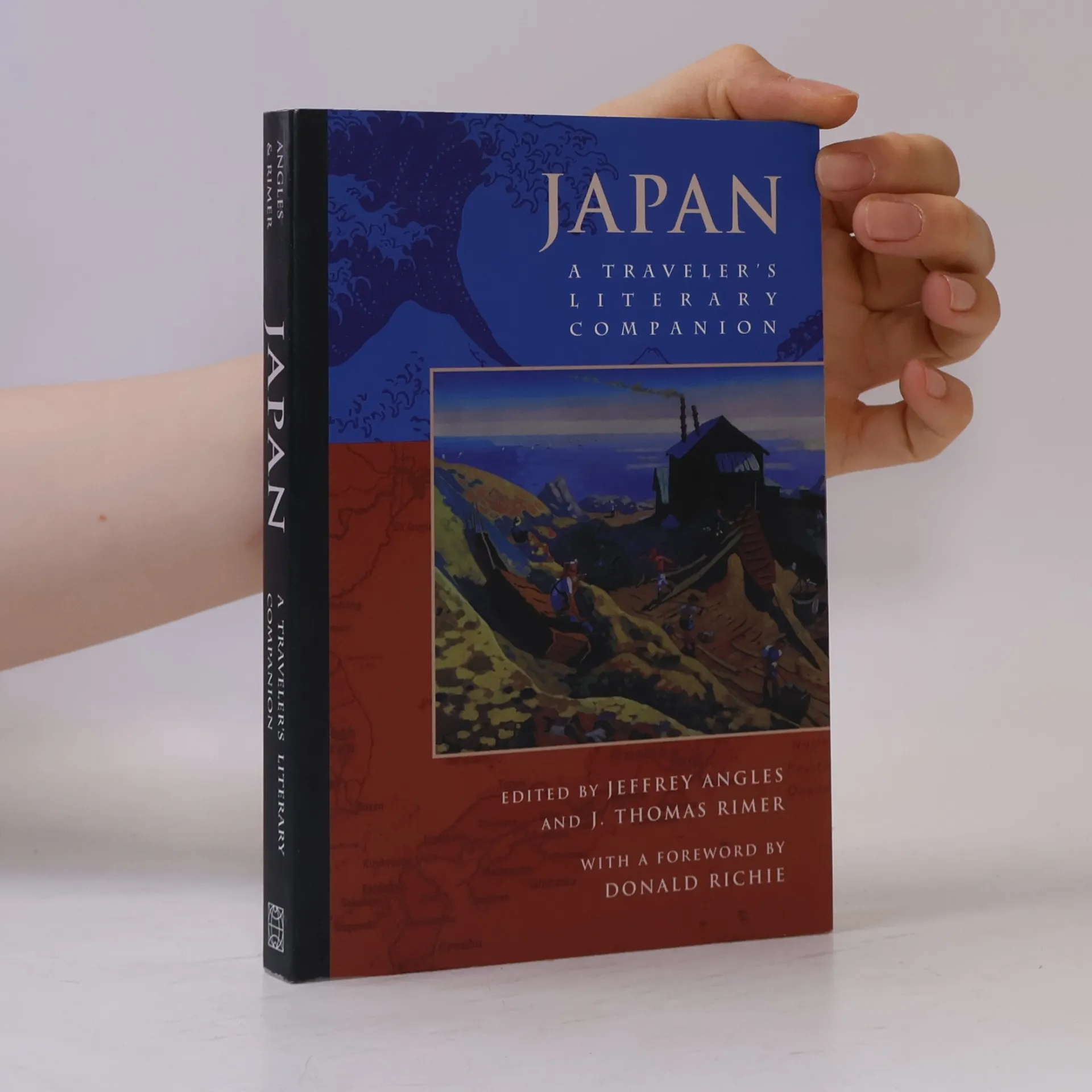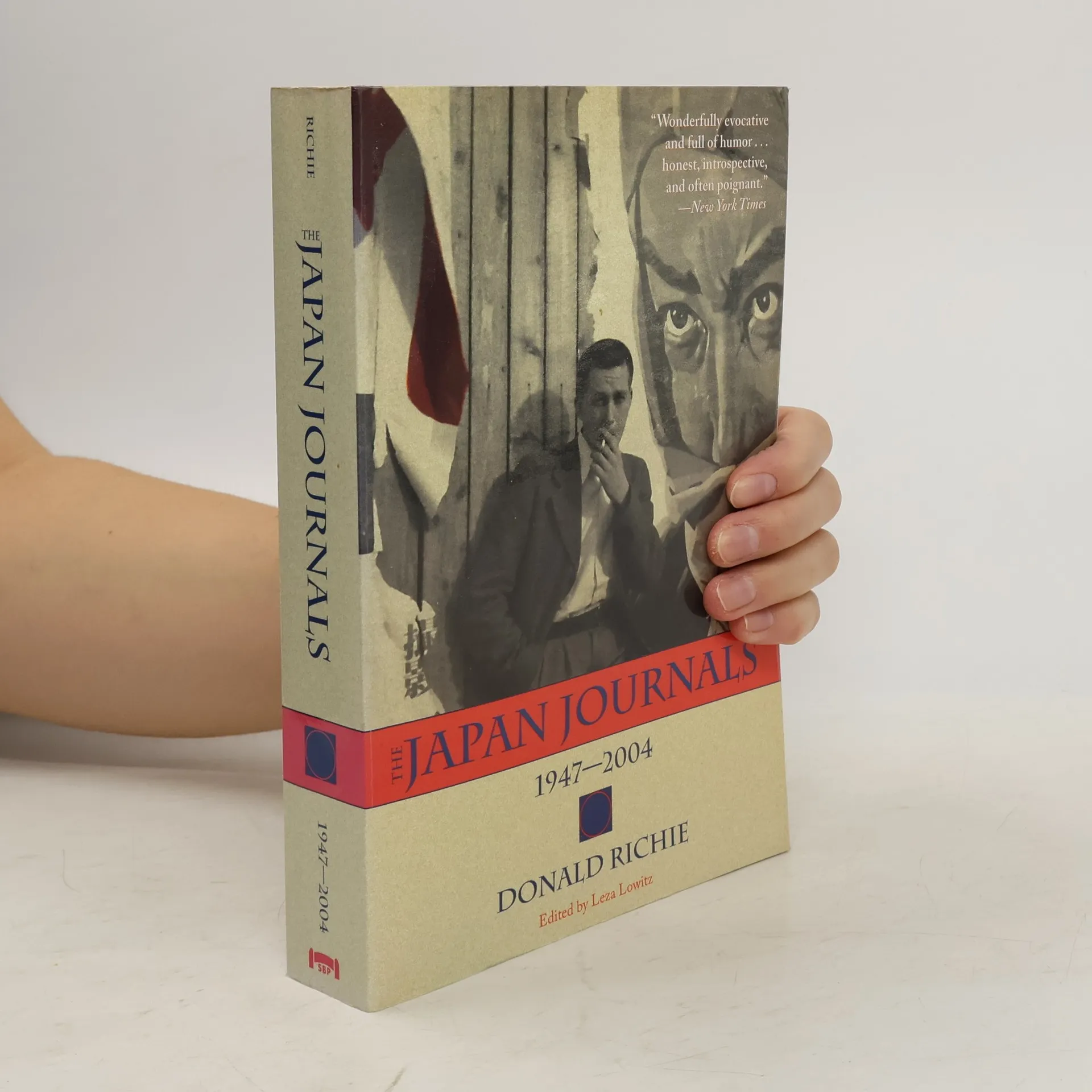
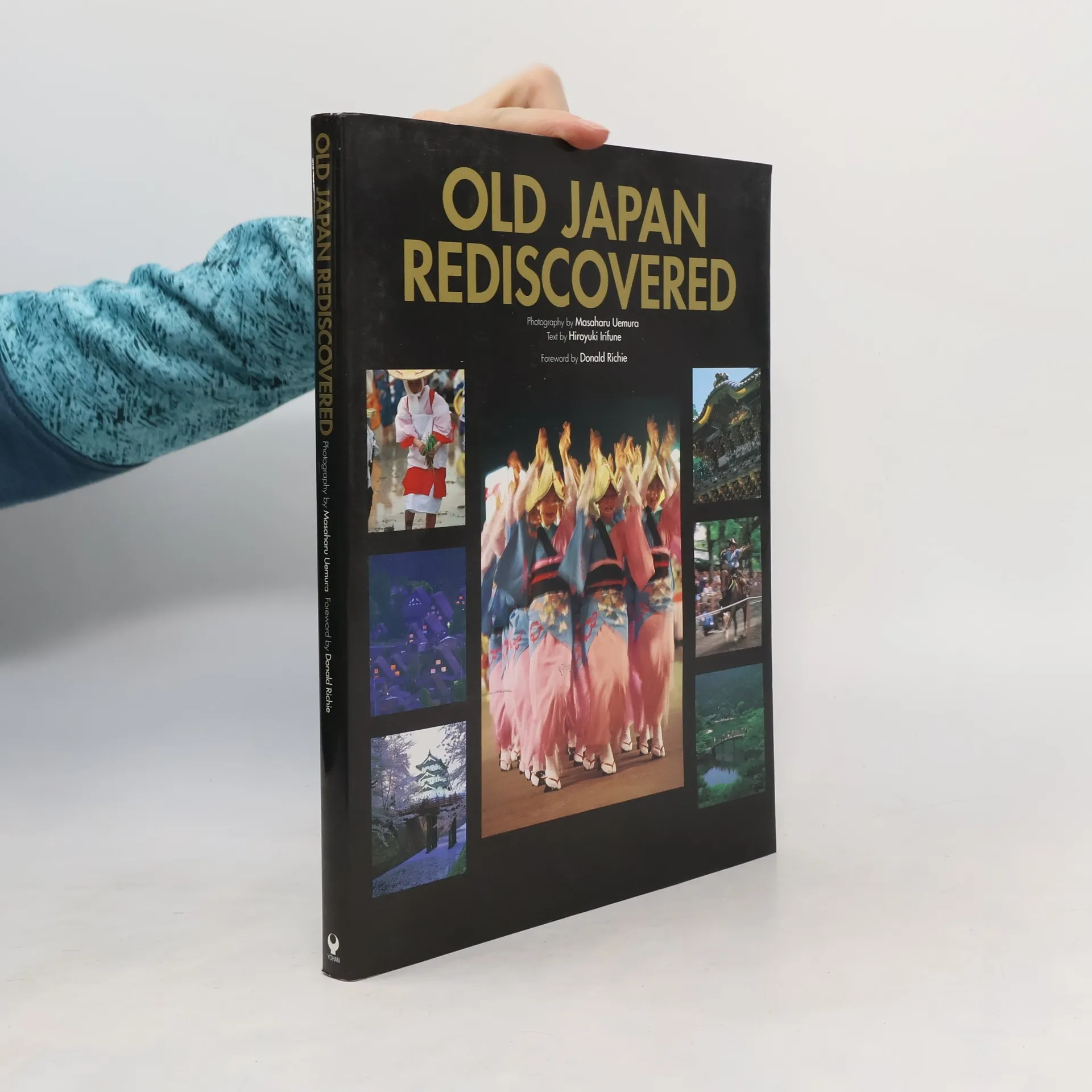
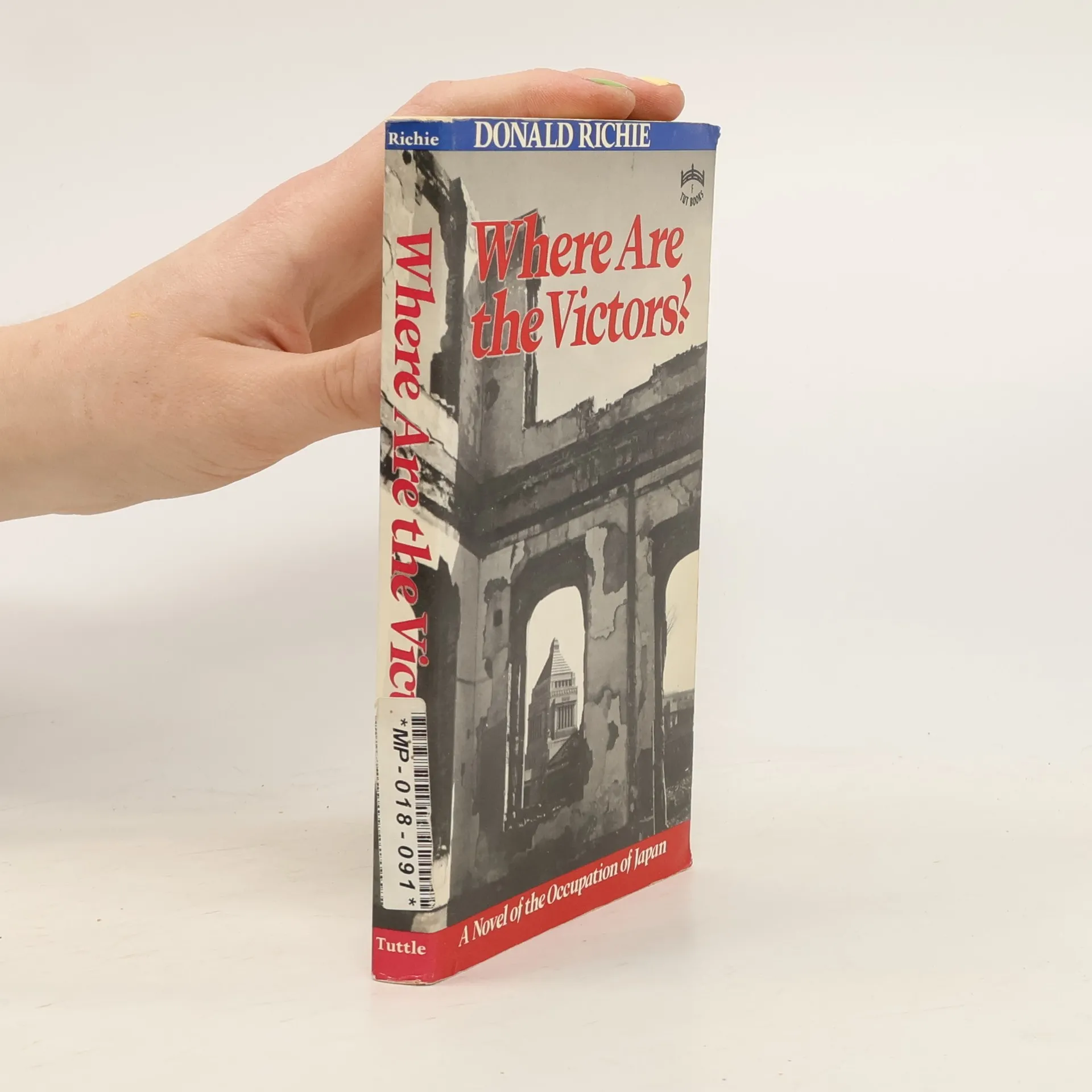

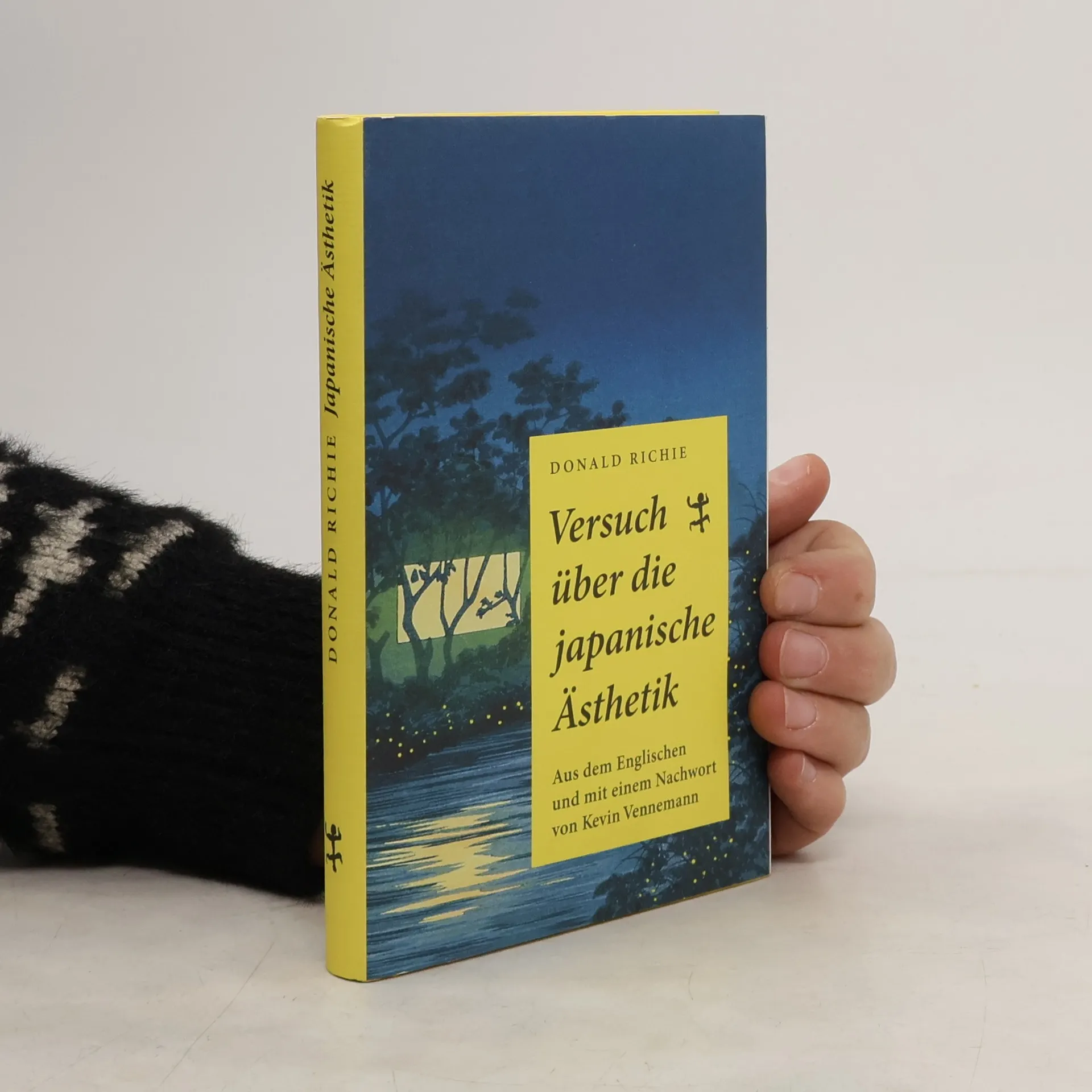
Versuch über die japanische Ästhetik
- 250 Seiten
- 9 Lesestunden
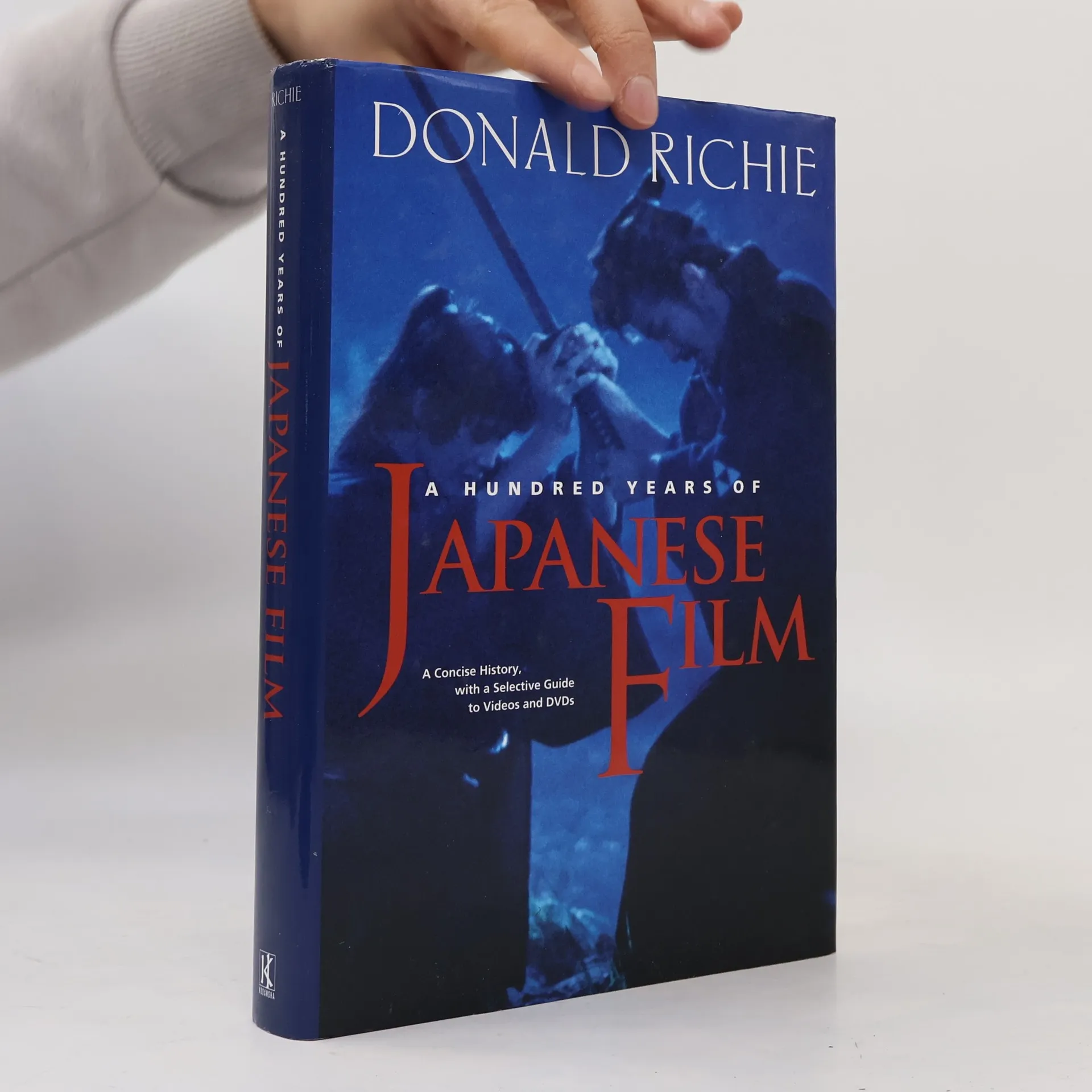
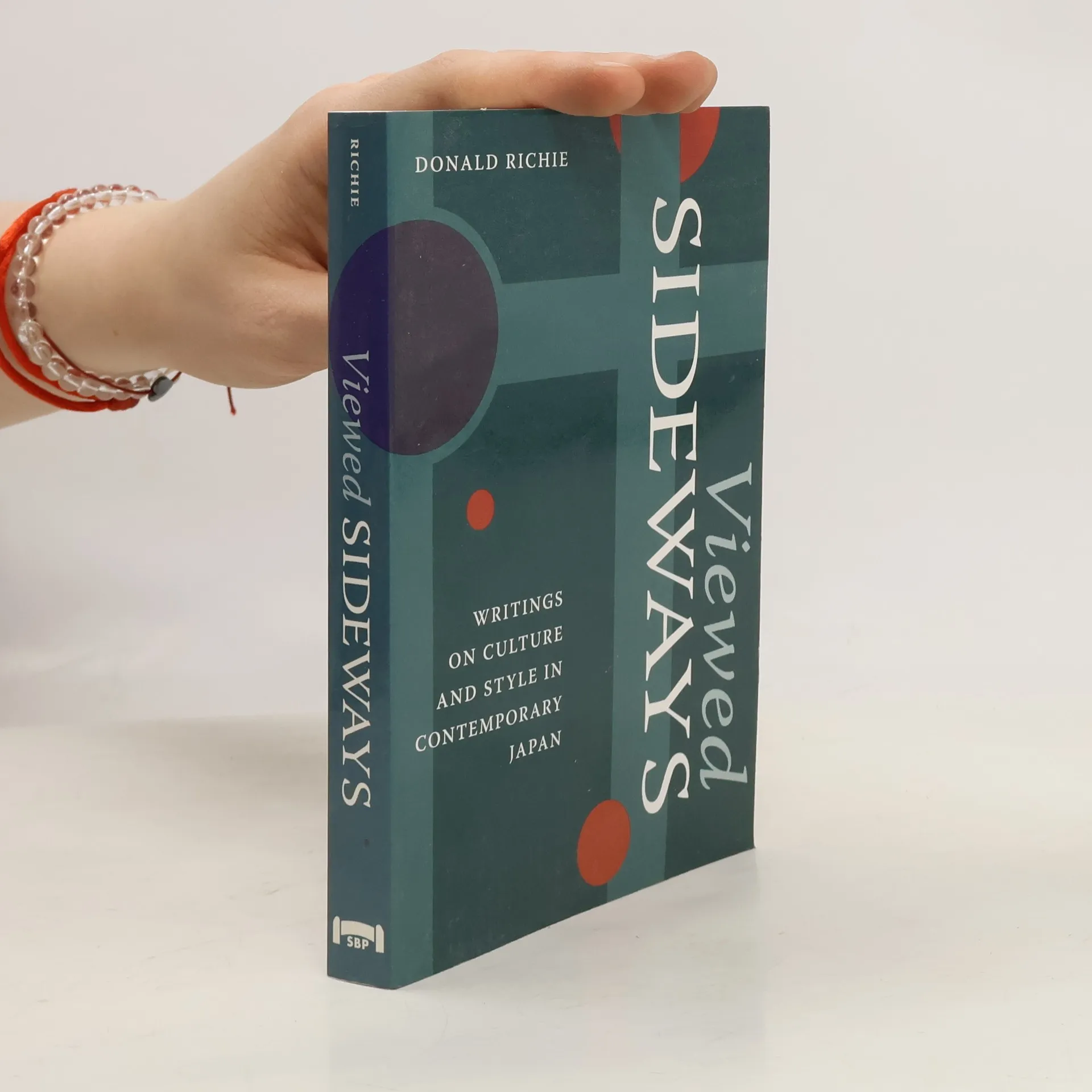
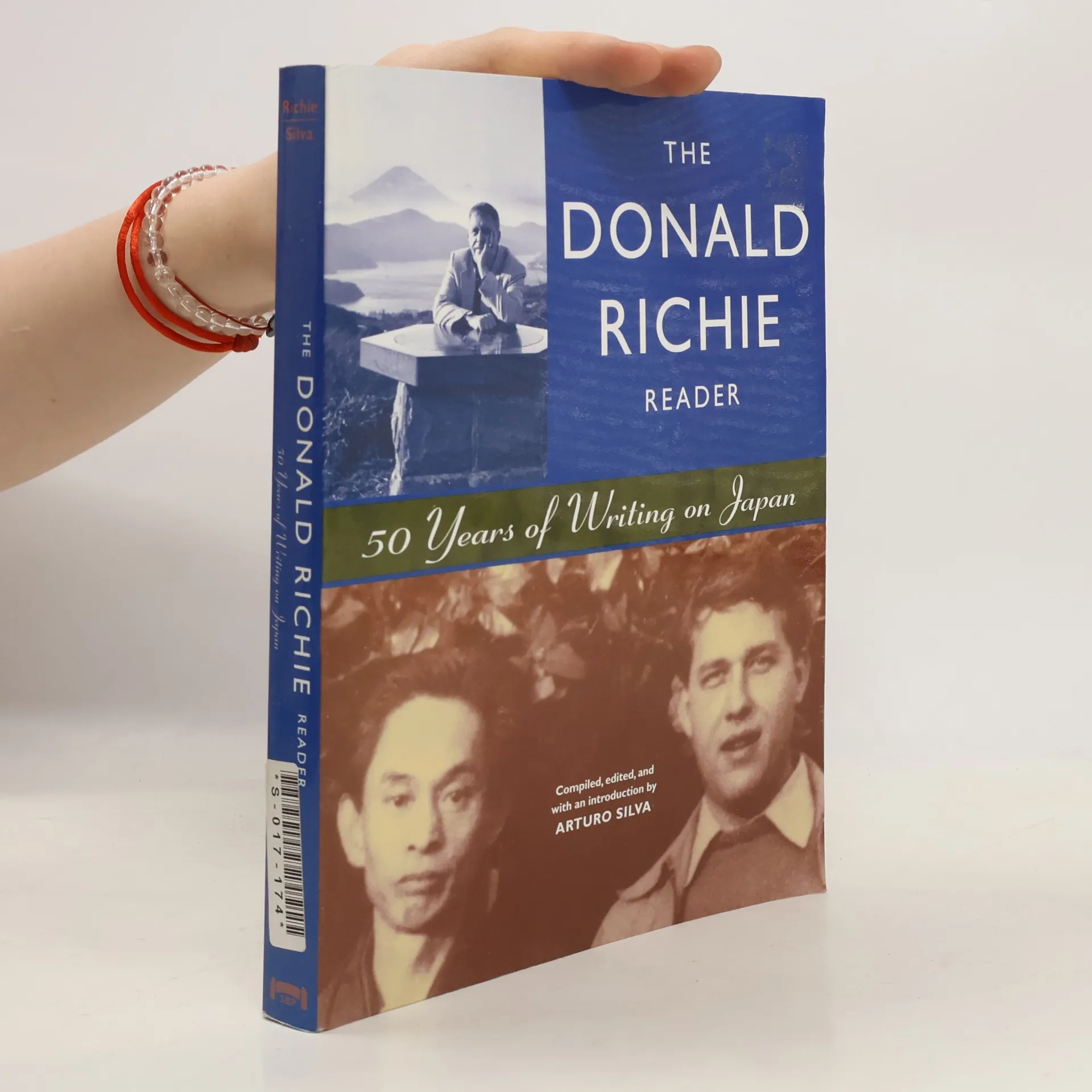
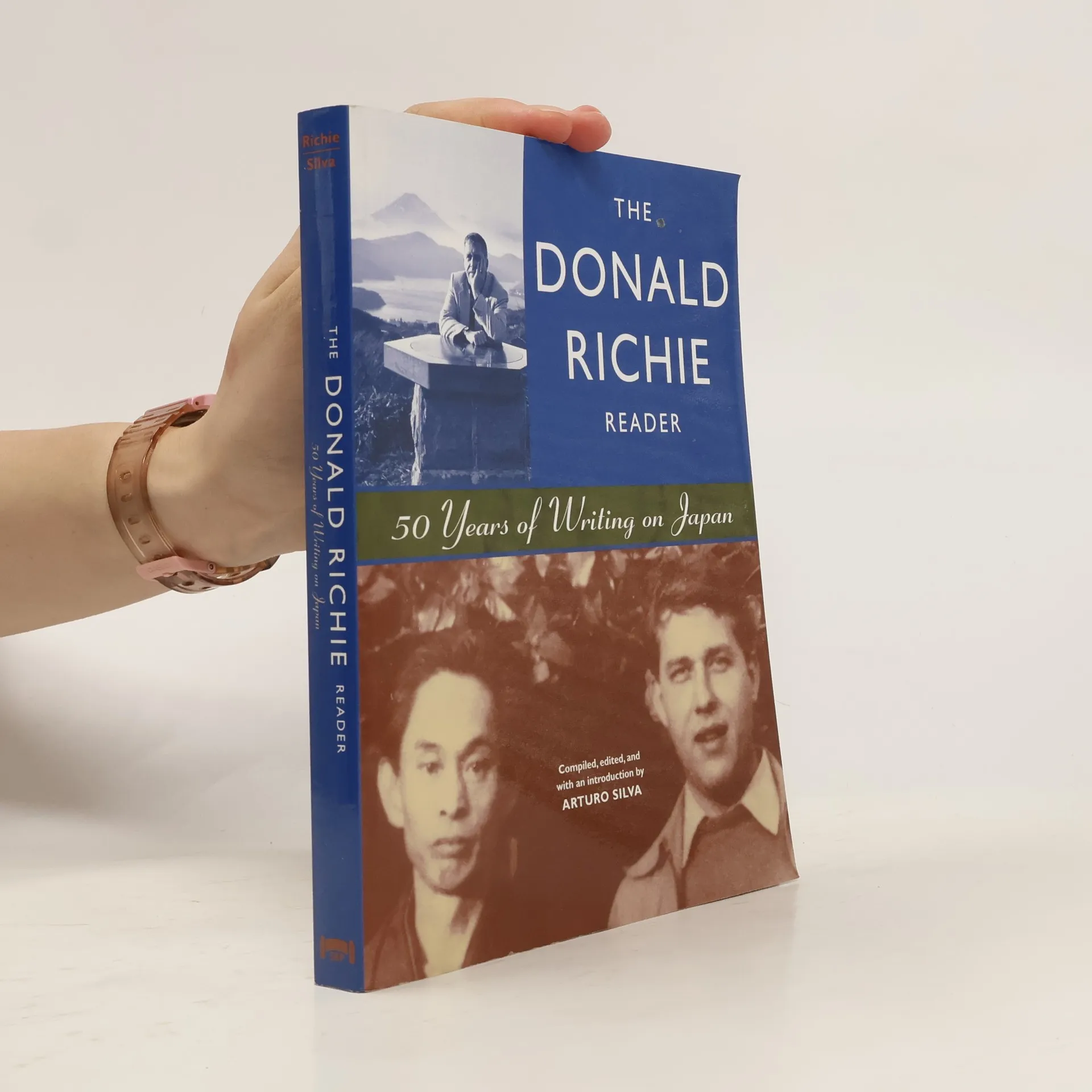
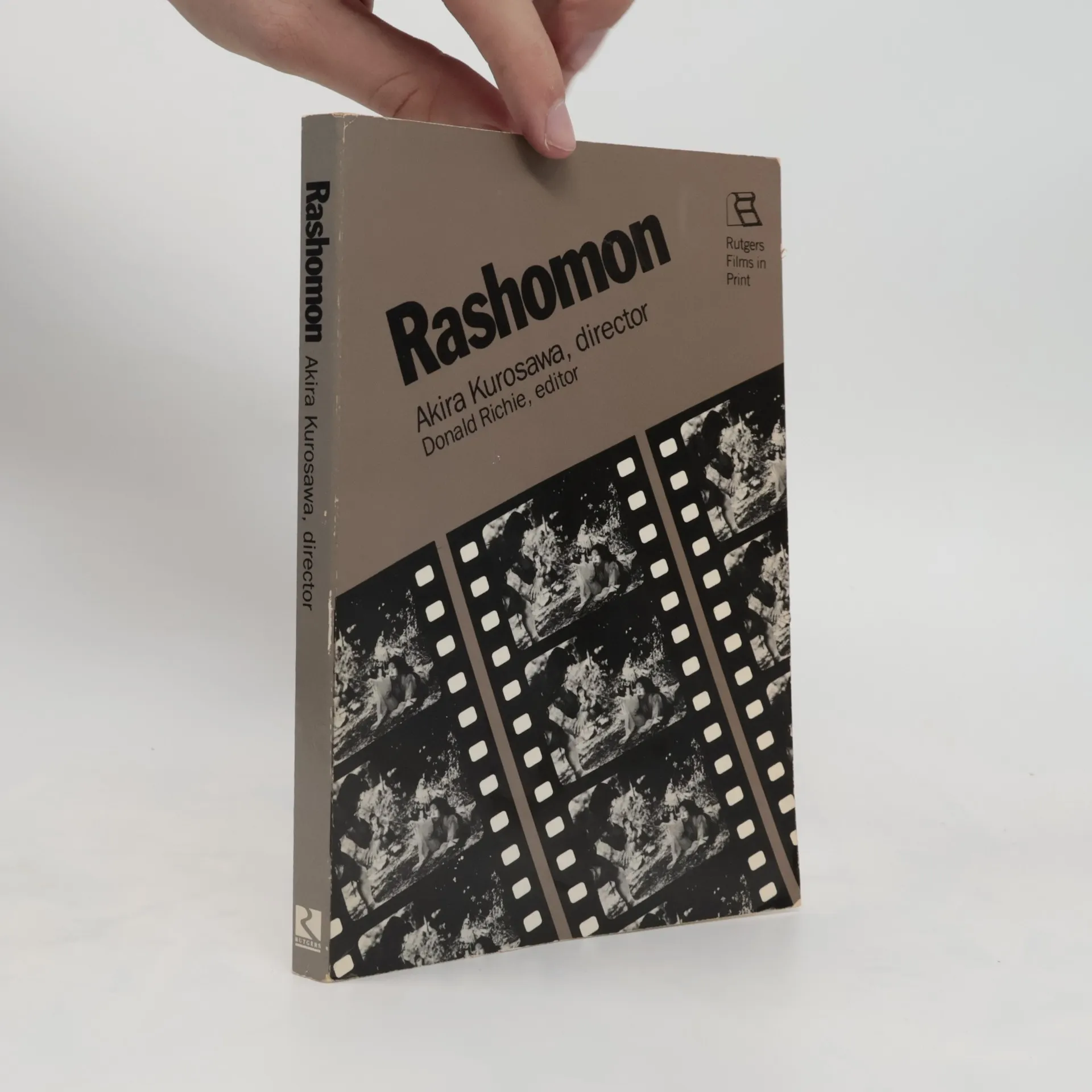
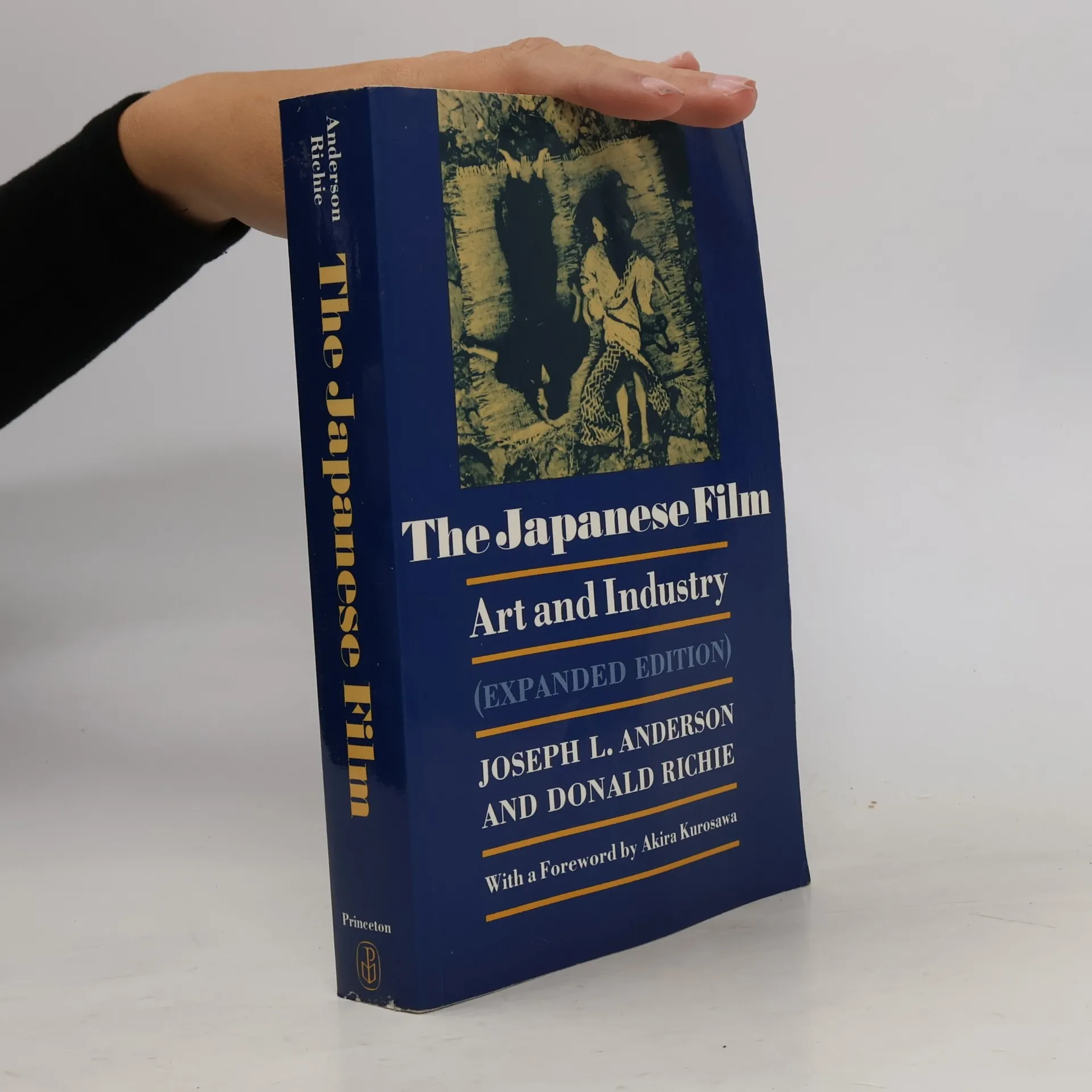
Donald Richie war ein amerikanischer Autor, der für seine tiefen Einblicke in die japanische Kultur und Kinematographie bekannt wurde. Obwohl er sich selbst hauptsächlich als Schriftsteller betrachtete, zeichnet sich sein Werk durch sorgfältige Analysen aus, die die einzigartige "präsentative" Natur des japanischen Films im Gegensatz zum westlichen "repräsentativen" Kino hervorheben. Richies Schriften bieten den Lesern eine fesselnde Perspektive auf Japan, agierend als ein "subtiles, stilvolles und täuschend klares Medium zwischen zwei Kulturen", wie von Tom Wolfe beschrieben. Seine Essays und Filmkritiken werden für ihre Tiefe und ihre Fähigkeit, unterschiedliche kulturelle Welten zu verbinden, geschätzt.


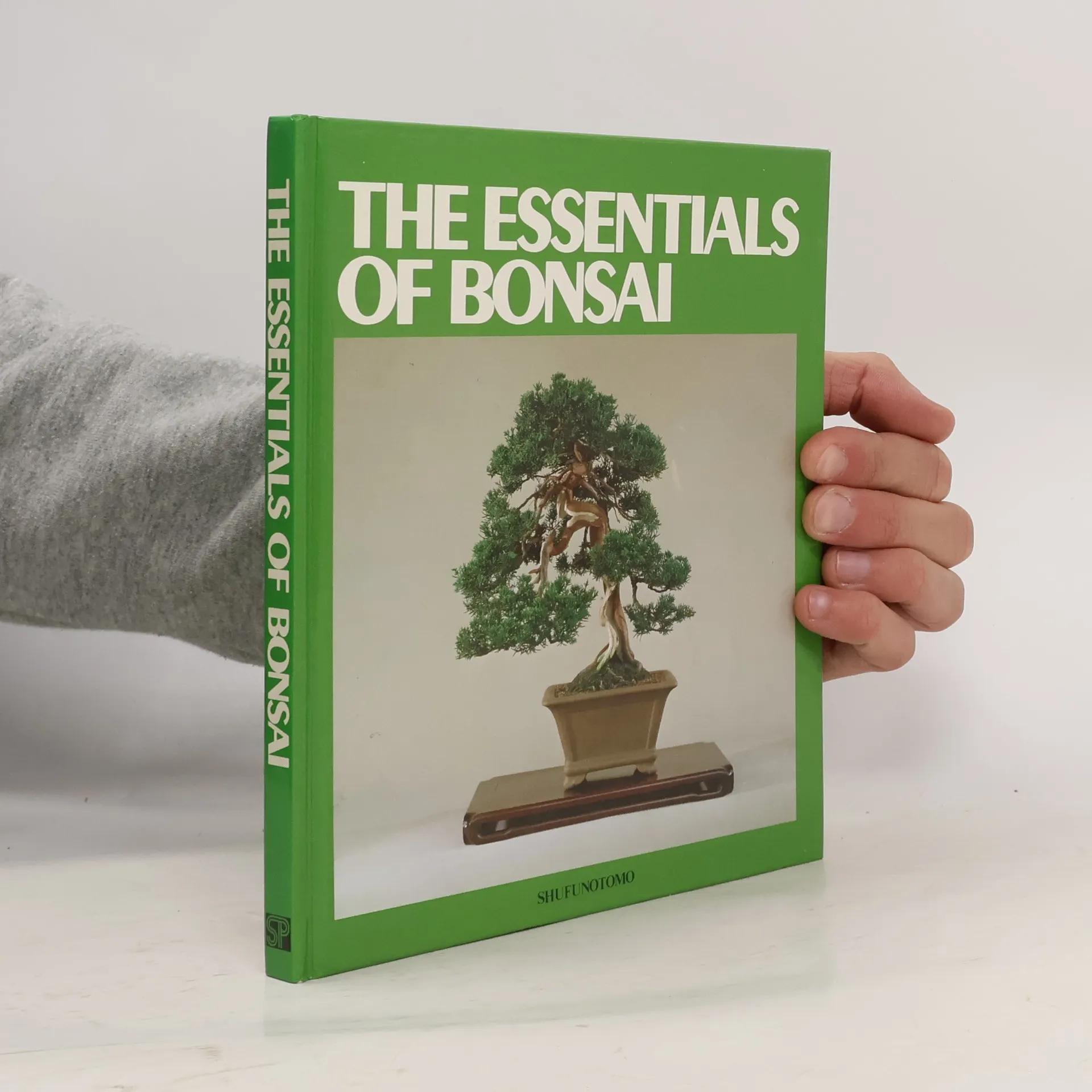
So far Shufunotomo has published about 50 titles on bonsai in the Japanese language, and this book is based on materials obtained from these publications. Bonsai is an art closely related to nature and, as such, abounds with variety. Not only are there numerous different plant species to be cultivated as bonsai, but each individual tree has its own characteristics. While the particular methods of growing and caring for the trees differ according to the natural circumstances, there are some fundamental principles which remain constant. This book offers the essentials of bonsai to those who would like to get started and those who already have some experience in this fascinating field. We are very grateful to Mr. Yoshio Takayanagi, who helped us compile this book. He is a free-lance writer on bonsai and has edited several books on the subject. We also appreciate the assistance of both Mrs. Kiyo Inoue, who translated the original Japanese text into English and Mrs. Dale Hilton, who made additional suggestions about the manuscript.
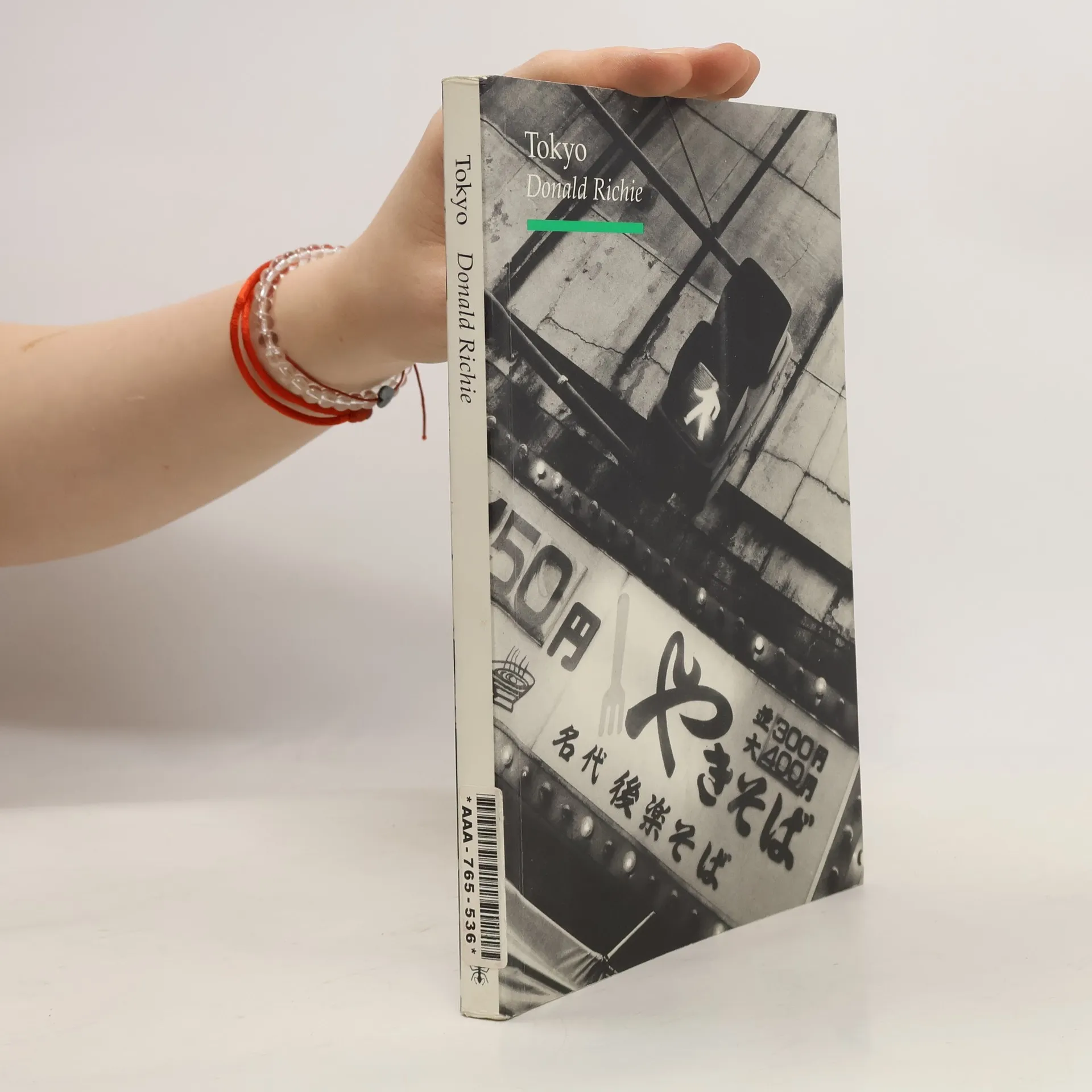
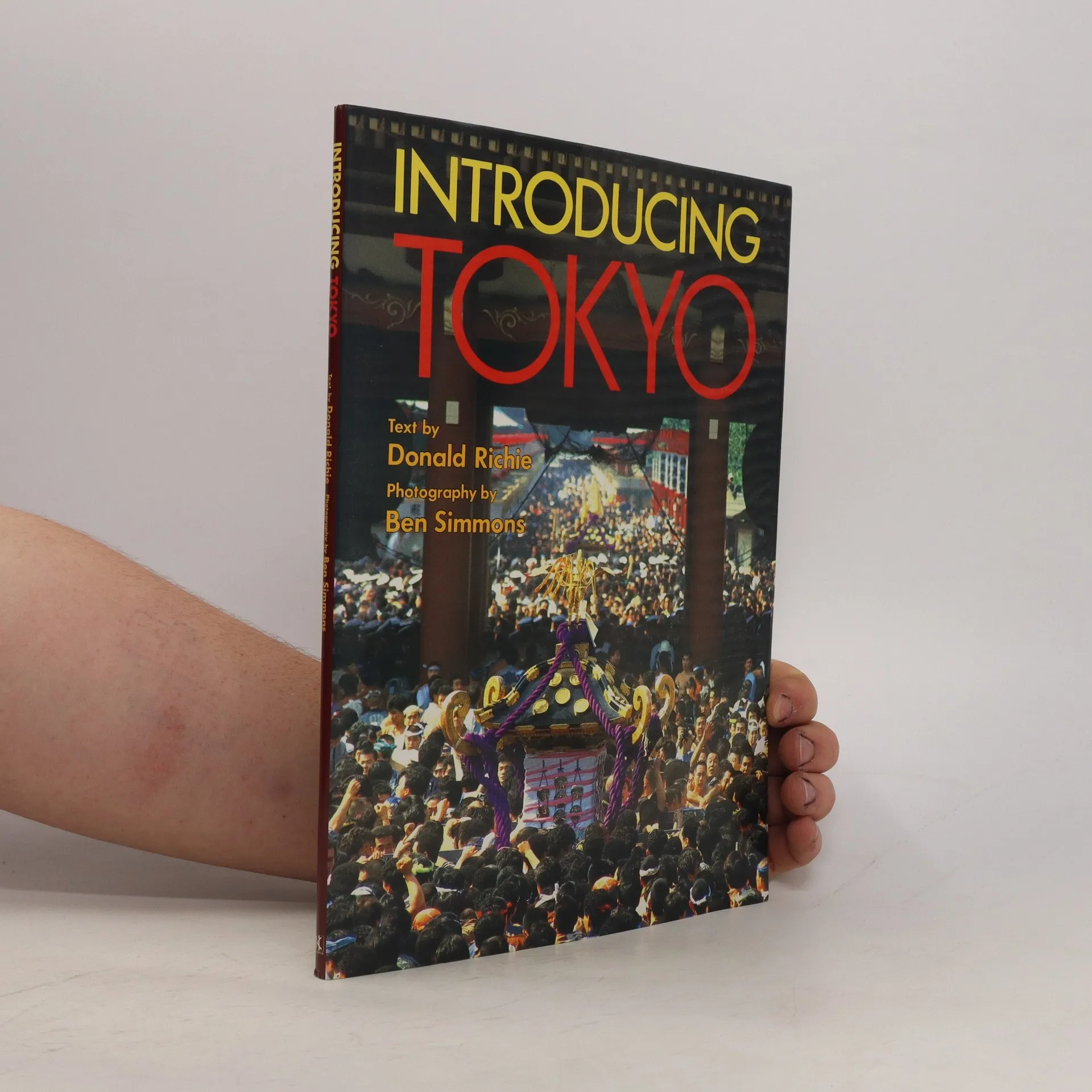
Featuring stunning photography, this travel guide delves into the vibrant culture, art, and architecture of Tokyo. It highlights the city's unique blend of tradition and modernity, showcasing its diverse neighborhoods and iconic landmarks. Perfect for both first-time visitors and seasoned travelers, the guide offers insights into the experiences that define Tokyo as a world-class destination.
The classic travel journal, a quest for personal discovery and the ancient beauties and dying values of modern Japan.
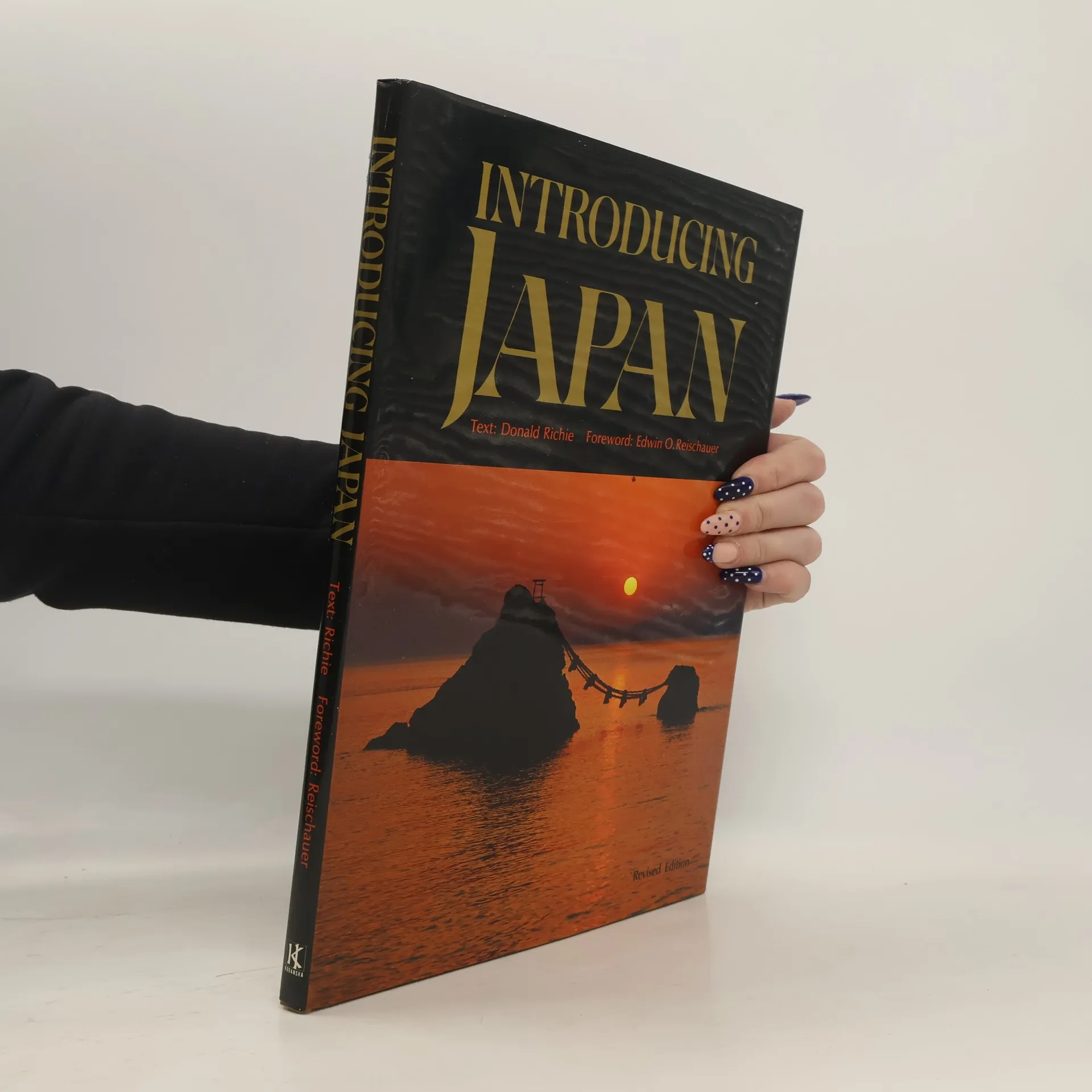
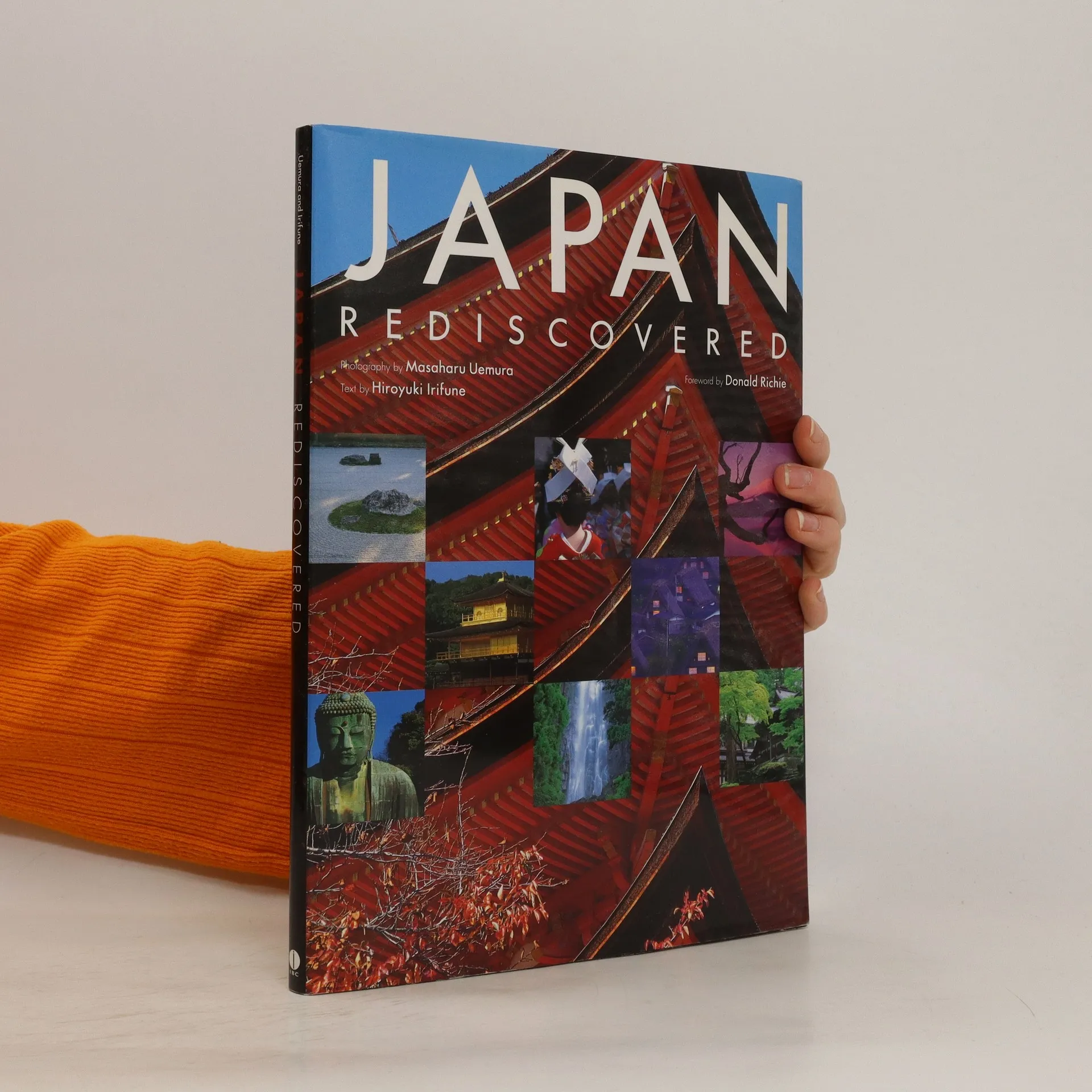
This illustrated volume presents a portrait of Japan with over 100 colourhotographs and essays on nature, arts, traditional culture and modern life.
From the metropolitan bustle of busy, modern Tokyo to the serenity of classical Kyoto, from the northern frontier land of snowy Hokkaido to distinctly colorful Kyushu and Okinawa in the southwest, Japan is a country of striking contrasts and frequent contradictions-geisha and baseball, the Kabuki theater and oil refineries, skyscrapers of steel and glass, landscape gardens of sand and rock. The blend of the ancient and the contemporary is unique and fascinating. Here in one volume are all the beauty and vitality of a nation whose recorded history reaches back nearly two thousand years, a nation that has progressed in little more than a century from self-imposed isolation to a place of prominence among the nations of the world. Facts-historical, geographic, cultural and economic-are wedded In a definitive combination to extraordinary pictures by some of Japan's leading photographers. This book provides, in addition to the incisive text and captions written by Donald Richie, an informative foreword by the late Edwin O. Reischauer. For the general reader, for those who have visited these islands, and for those who are unfamiliar with them, this is a superbly well-rounded introduction.
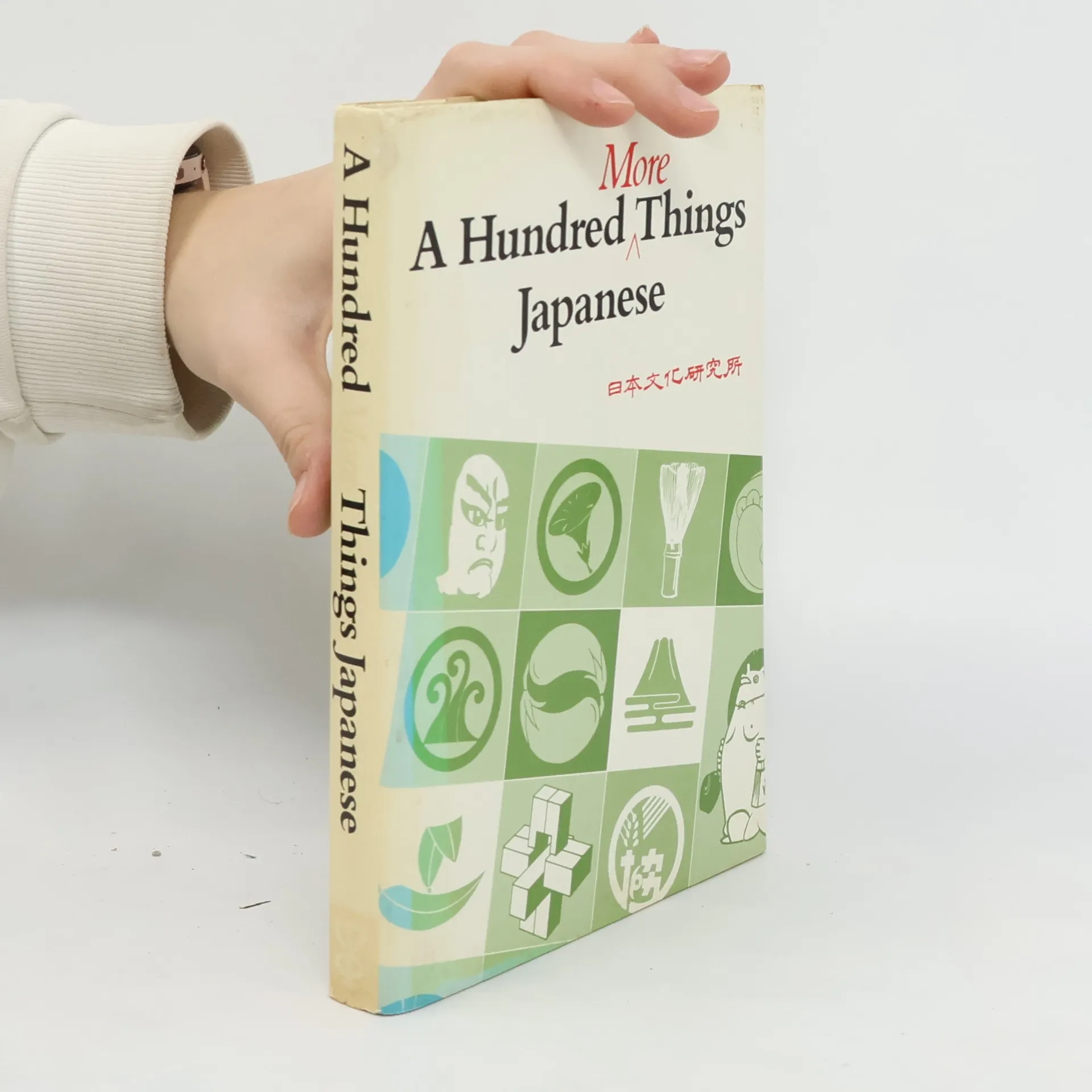
Following on the success of the first publiction, A hundred things Japanese, this work provides 100 more additional definitions that define Japanese culture
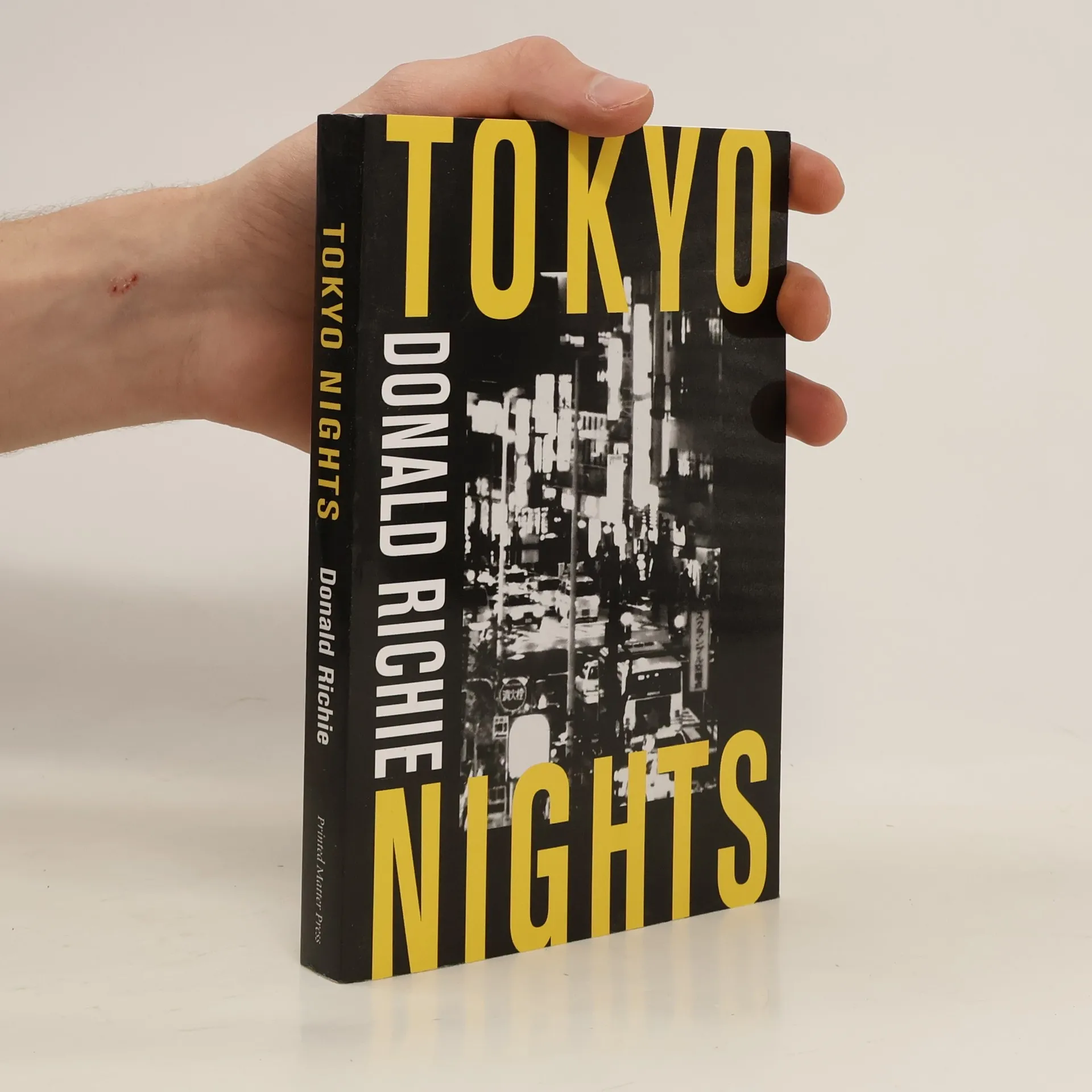
Fiction. This book is a fast and enjoyable read. Take three men and three women. Mix them well in the summer heat and cool autumn of Ginza. This book was first published in London in 1988, revised edition published in 1994. This second revised edition contains a new introduction by David Cozy. "A Bizarre manga, a post-modern comedy of manners full of withering insights into contemporary Japan"--The Japan Times. "It is Richie's unswerving commitment to make it only too plain what these sorts of people do say (and don't say) to each other that makes the novel so suffocatingly authentic"--Intersect.