Der dritte Band des Handbuchs Anarchismus bietet einen umfassenden Überblick über die Regionen, in denen der Anarchismus wirkmächtig war.
Thomas Friedrich Reihenfolge der Bücher (Chronologisch)



Der Fokus liegt auf der Entwicklung eines Vorschlags zur Einbindung von Nachhaltigkeitskriterien in das Risiko- und Portfoliomanagement von Kapitalverwaltungsgesellschaften für Immobilienfonds. Die Arbeit greift die technischen Prüfkriterien der aktuellen EU-Taxonomie für Bau, Renovierung, Erwerb und Besitz von Immobilien auf und überführt diese in ein strukturiertes Prüfschema. Ziel ist es, bestehende Prozesse zu optimieren und den Anforderungen an nachhaltige Investitionen gerecht zu werden.
Diese Einführung vermittelt in gut verständlicher Weise die theoretischen Grundlagen der drei Bereiche Syntaktik, Semantik und Pragmatik und erläutert dann in exemplarischen, didaktisch aufgebauten Bildanalysen die unterschiedlichen Strategien visuellen Gestaltens.Die wichtigsten Grundbegriffe und die produktivsten Analysemethoden werden nachvollziehbar und anregend dargestellt, ohne dass dabei ihre Komplexität über Gebühr reduziert würde. In ausführlichen Beispielanalysen, insbesondere aus dem Bereich der Werbung, verdeutlichen die Autoren die Anwendung von Grundlagen und Methoden der Bildsemiotik.Die zweite, korrigierte Auflage dieses in Text und Bild konzisen Lehrbuchs ist um zwei aktuelle Modellanalysen erweitert.
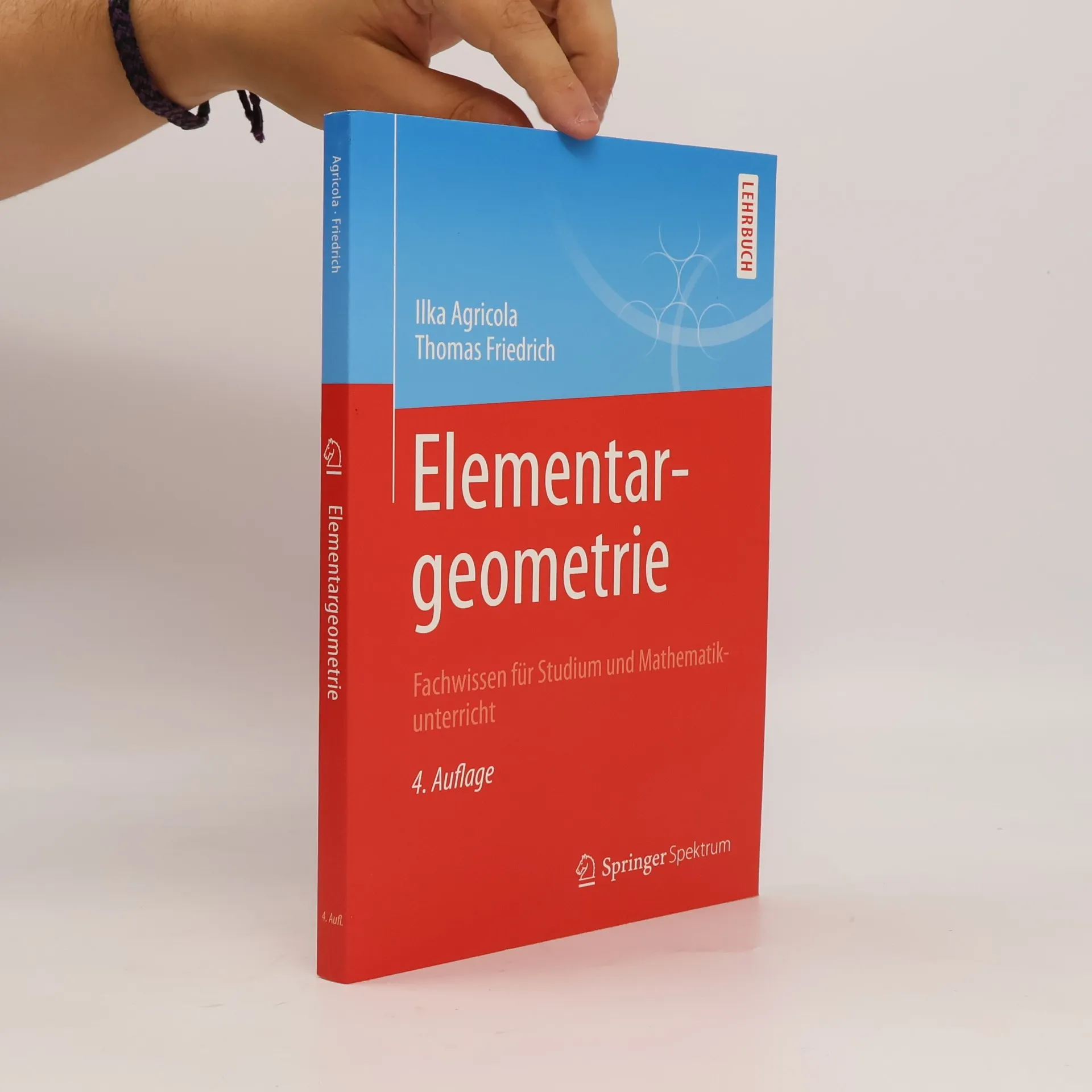
Elementargeometrie
Fachwissen für Studium und Mathematikunterricht - 4. Auflage
- 246 Seiten
- 9 Lesestunden
Das vorliegende Lehrbuch führt in alle unterrichtsrelevanten Themen der Elementargeometrie ein. Es eignet sich als Begleitbuch zur gleichnamigen Vorlesung für Studierende des Lehramts Mathematik sowohl in den Bachelor- als auch in den Staatsexamensstudiengängen. Die beiden letzten Kapitel eignen sich für vertiefende Lehrveranstaltungen und bieten viele mögliche Themen für Seminar- und Studienarbeiten. Die 4. Auflage wurde sorgfältig überarbeitet und erweitert. Manche Themenkomplexe sind nun ausführlicher dargestellt worden. Einige Abbildungen geometrischer Modelle wurden ergänzt und die Anzahl der Übungsaufgaben wurde weiter erhöht. Am Ende des Buches findet der Leser Lösungen ausgewählter Aufgaben zu allen Kapiteln; das Buch ist so sehr gut zur Prüfungsvorbereitung geeignet. Die Autoren bieten darüber hinaus einen besonderen Service Jeder Studierende, der beim Lösen der Übungsaufgaben auf Schwierigkeiten stößt, kann sich per E-Mail direkt an die Autoren wenden.
Hitler's Berlin
- 480 Seiten
- 17 Lesestunden
From his first visit to Berlin in 1916, Hitler was preoccupied and fascinated by Germany's great capital city. In this vivid and entirely new account of Hitler's relationship with Berlin, Thomas Friedrich explores how Hitler identified with the city, how his political aspirations were reflected in architectural aspirations for the capital, and how Berlin surprisingly influenced the development of Hitler's political ideas. A leading expert on the twentieth-century history of Berlin, Friedrich employs new and little-known German sources to track Hitler's attitudes and plans for the city. Even while he despised both the cosmopolitan culture of the Weimar Republic and the profound Jewish influence on the city, Hitler was drawn to the grandiosity of its architecture and its imperial spirit. He dreamed of transforming Berlin into a capital that would reflect his autocracy, and he used the city for such varied purposes as testing his anti-Semitic policies and demonstrating the might of the Third Reich. Illuminating Berlin's burdened years under Nazi subjection, Friedrich offers new understandings of Hitler and his politics, architectural views, and artistic opinions. -- Book jacket
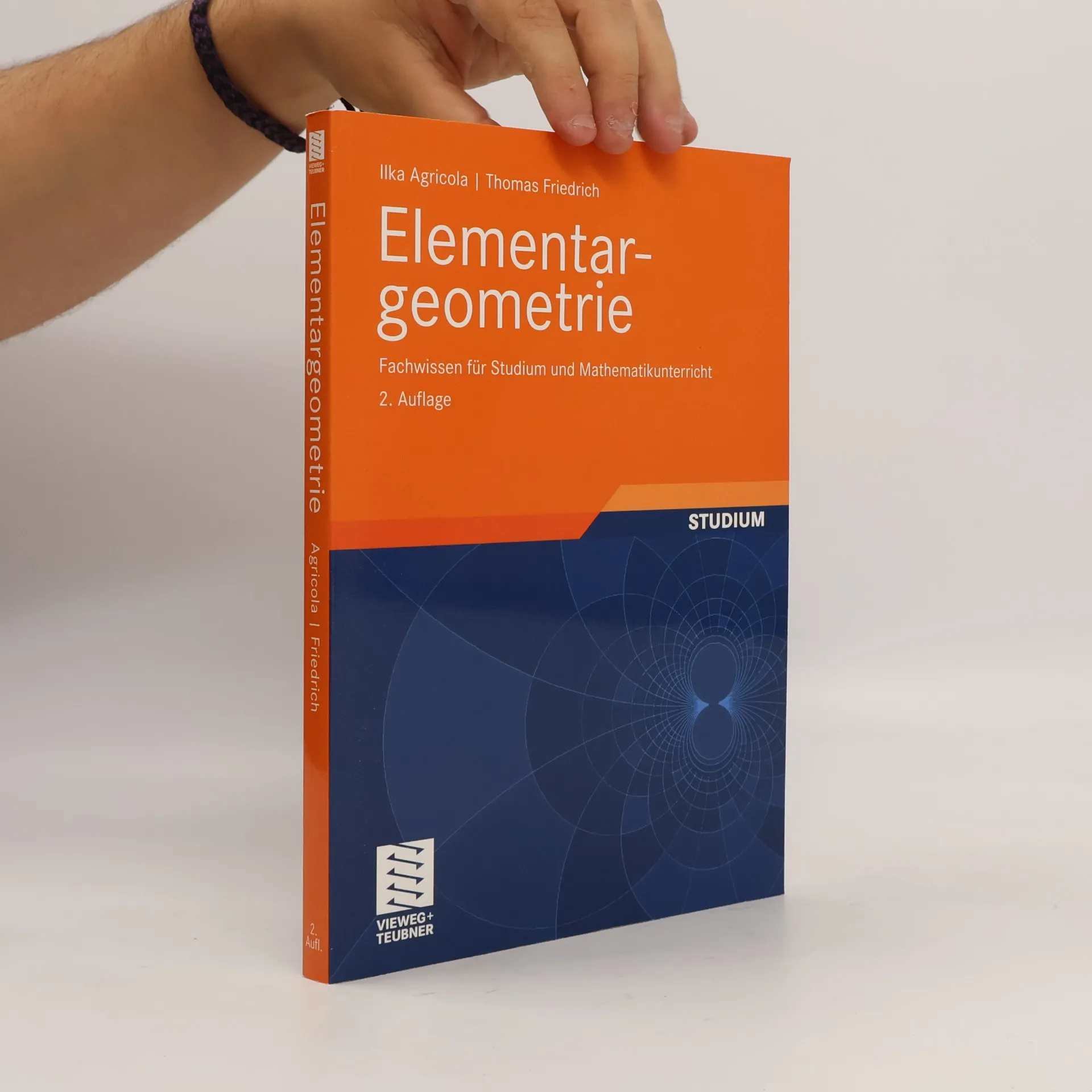
Elementargeometrie
Fachwissen für Studium und Mathematikunterricht - 2. Auflage
- 236 Seiten
- 9 Lesestunden
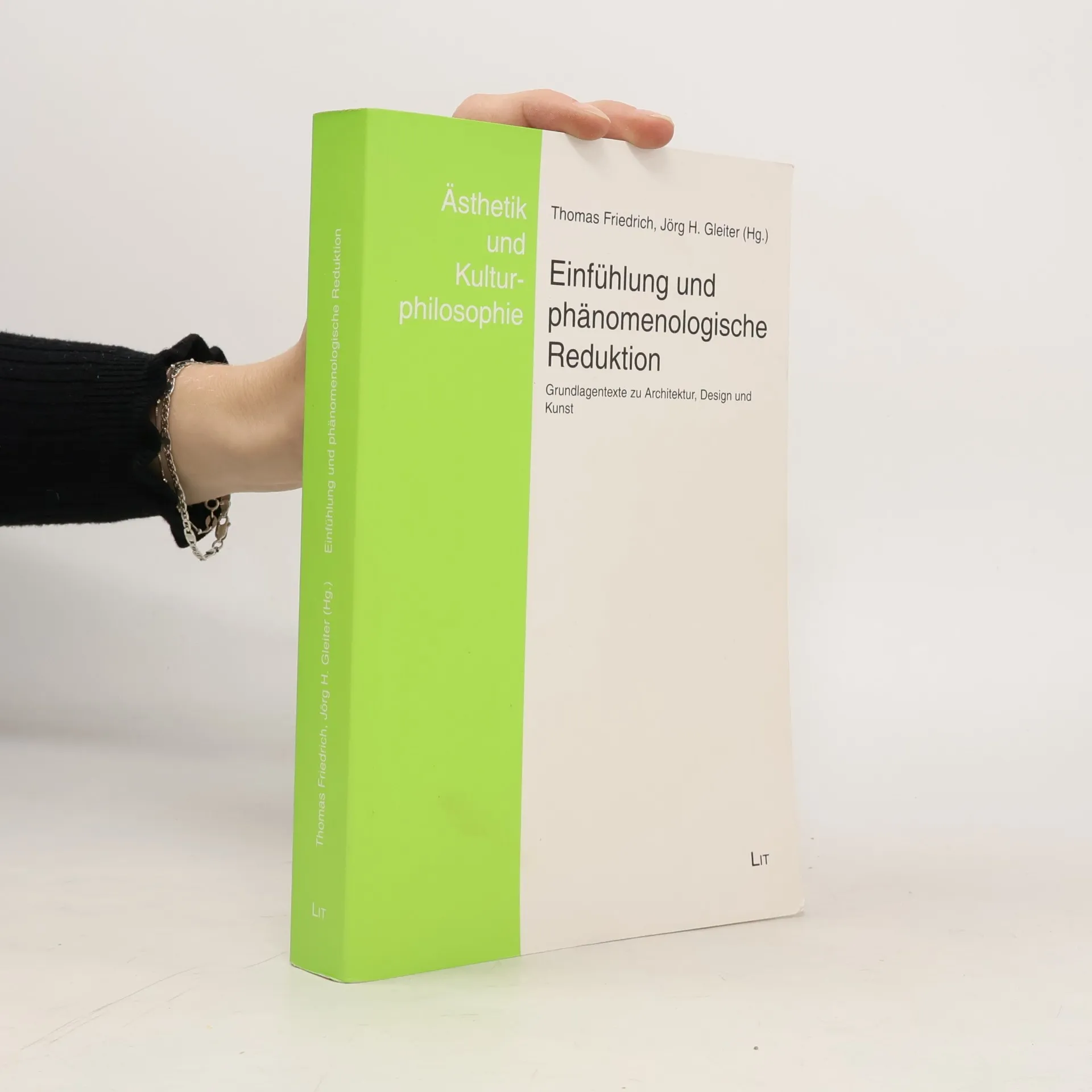
Ästhetik und Kulturphilosophie - 5: Einfühlung und phänomenologische Reduktion
- 337 Seiten
- 12 Lesestunden
Unter dem Einfluss der experimentellen Psychologie und der Neurophysiologie vollzog sich in der zweiten Hälfte des 19. Jahrhunderts in der Ästhetik und Architektur eine weit über ihre eigentlichen Felder hinaus wirkende Wende. Mit der Idee der „Einfühlung“ rückte die Frage unserer sinnenhaften Wahrnehmung zwischen Objekt- und Selbstvorstellung ins Zentrum der Ästhetik. Die Einfühlungsästhetik war geprägt von der Abwendung von Repräsentation und Formsymbolik und der Hinwendung auf die leiblich-körperliche Präsenz im Raumkontinuum. Mit dem zugrundeliegenden Psychologismus und der Vorstellung einer getrennten Innen- und Außenwelt blieb jedoch vage und unvollendet, was erst mit Edmund Husserls Transzendentalphänomenologie und der Methode der „phänomenologischen Reduktion“ seine konzeptuelle Präzisierung erhielt. Die Einfühlungsästhetik wird so als eine Vorstufe zur Phänomenologie sichtbar, als eine Phänomenologie avant la lettre.
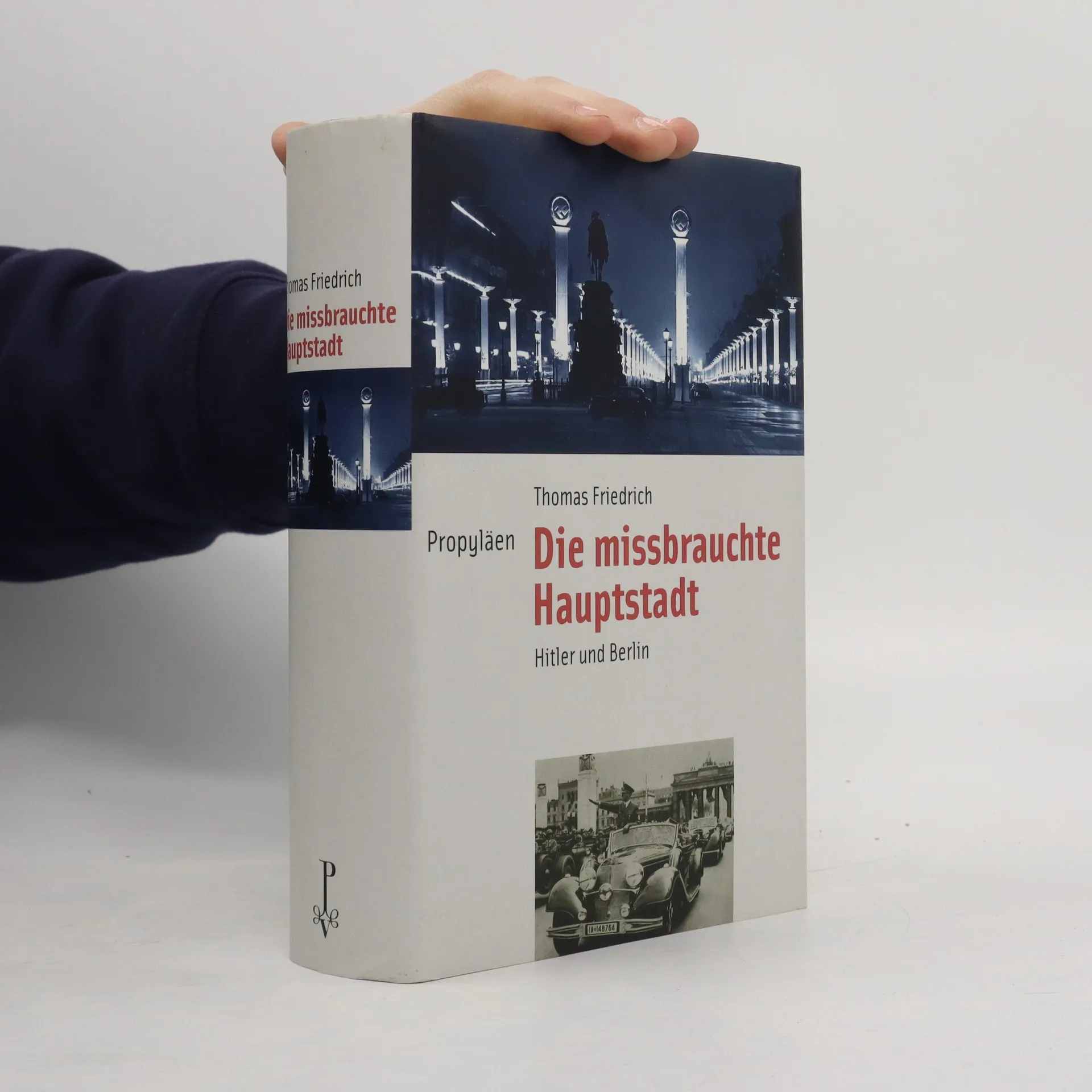
Die missbrauchte Hauptstadt
- 623 Seiten
- 22 Lesestunden
Topography of Terror
Gestapo, SS and Reichssicherheitshauptamt on the "Prinz-Albrecht-Terrain": A Documentation
- 237 Seiten
- 9 Lesestunden
1st Arenhovel trade 1989 edition paperback fine condition. In stock shipped from our UK warehouse
Der Potsdamer Platz
- 317 Seiten
- 12 Lesestunden
Berlin 1945
- 200 Seiten
- 7 Lesestunden
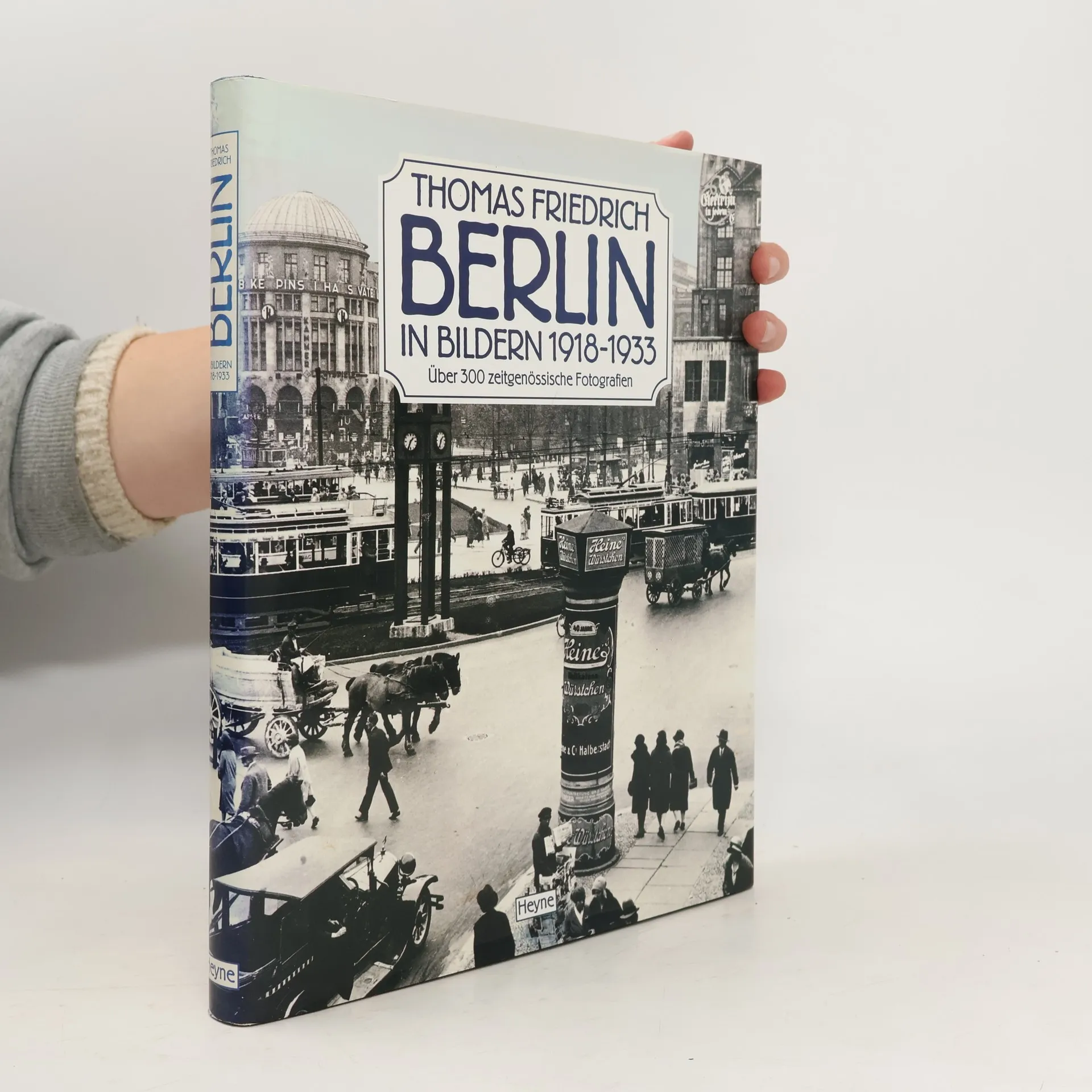
Berlin in Bildern 1918 - 1933
- 239 Seiten
- 9 Lesestunden
Berlin
- 240 Seiten
- 9 Lesestunden
This collection of photographs aims to create a portrait of life in Berlin at the time of the Weimar Republic. It shows Berliners at work, at home, at play, and contrasts a diversity of social settings from the tenements of the very poor to the luxury apartments of the rich. The Weimar years were a time of social upheaval, political instability and great intellectual activity and conflict. This book aims to convey some of the excitement and strangeness of the time.
Das Vorspiel
- 158 Seiten
- 6 Lesestunden
Das Lesebuch vom Krieg
- 351 Seiten
- 13 Lesestunden
1945
- 197 Seiten
- 7 Lesestunden