

Die Sammlung Tusculum bietet eine umfassende zweisprachige Bibliothek der antiken griechischen und lateinischen Literatur, die etwa 200 klassische Werke umfasst. Zu den bedeutenden Autoren zählen Cicero, Ovid und Horaz, sowie philosophische Schriften von Platon und Dramen von Sophokles. Jedes Werk wird in Originaltext und exzellenter deutscher Übersetzung präsentiert, ergänzt durch informative Kommentare. Die Reihe richtet sich an Wissenschaftler, Studenten und Interessierte der antiken Dichtung und Philosophie und bietet hochwertige Standardausgaben mit klassischer Einbandgestaltung.
Philostratus Bücher
1. Januar 0170 – 1. Januar 0250


Flavius Philostratos Lebensbeschreibung der Sophisten ist einerseits eine der wichtigsten Quellen, sowohl was diese philosophische Schule anbelangt, als auch darüber hinaus, für ein umfassendes Verständnis der Kultur der römischen und griechischen Antike. Bis heute ist die Abhandlung vor allem durch die Begriffsprägung der ersten (die ältere, griechische) und zweiten Sophistik (die römische) einflussreich. Andererseits ist das Werk eine lebenspraktisch-philosophische, literarische Abhandlung über das richtige Leben des Sophisten, idealisiert als beispielhafte Lebensgestaltung, die durch Wahrheitssuche und vollendeten Stil bestimmt ist.
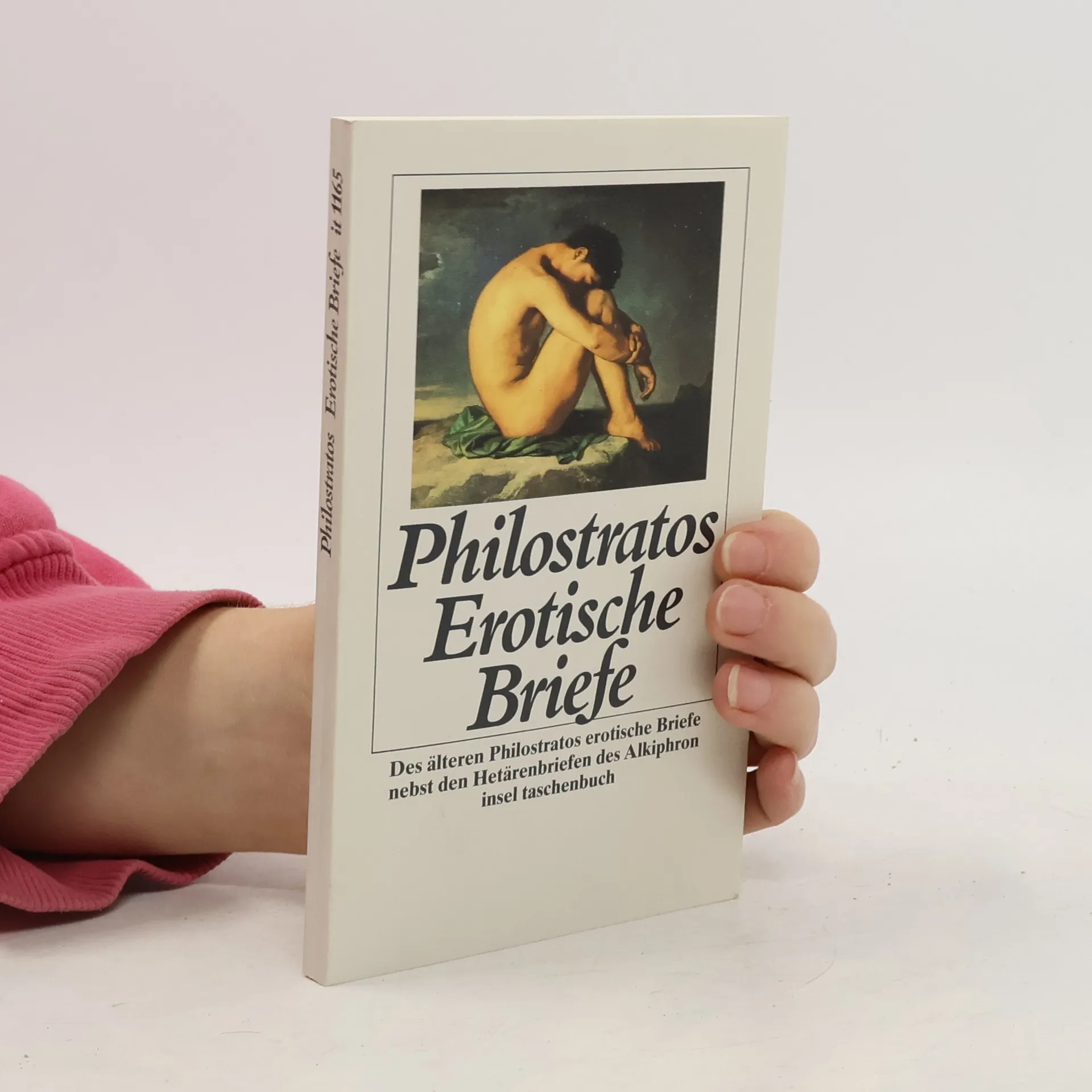
Erotische Briefe
Des älteren Philostratos erotische Briefe nebst den Hetärenbriefen des Alkiphron
The Lives of the Sophists
- 640 Seiten
- 23 Lesestunden
In Lives of the Sophists Philostratus (second to third century CE) depicts the widespread influence of Sophistic in the second and third centuries CE. Lives of Philosophers and Sophists by Eunapius (born 347 CE) is our only source concerning Neo-Platonism in the latter part of the fourth century CE.
Apollonius of Tyana
- 448 Seiten
- 16 Lesestunden
In his Life of Apollonius, Philostratus (second to third century CE) portrays a first-century CE teacher, religious reformer, and perceived rival to Jesus. Apollonius s letters, ancient reports about him, and a letter by Eusebius (fourth century CE) that is now central to the history of Philostratus s work add to the portrait.