



Albert Memmi Bücher
Albert Memmi wurde am Scheideweg dreier Kulturen geboren, und sein Werk konzentriert sich auf die Schwierigkeit, ein Gleichgewicht zwischen Ost und West zu finden. Sein bekanntester Essay untersucht die wechselseitige Beziehung zwischen dem Kolonisator und dem Kolonisierten und analysiert Machtdynamiken sowie die psychologischen Auswirkungen des Kolonialismus. Memmi befasst sich mit der Komplexität von Identität und Entfremdung in einer postkolonialen Welt. Seine späteren Schriften bauen auf diesen Themen auf und untersuchen die Herausforderungen der Dekolonisierung und die Verantwortung für den Nationenaufbau.


Belletristik : Tunesien ; Liebe - kulturelle Identität - Judentum.
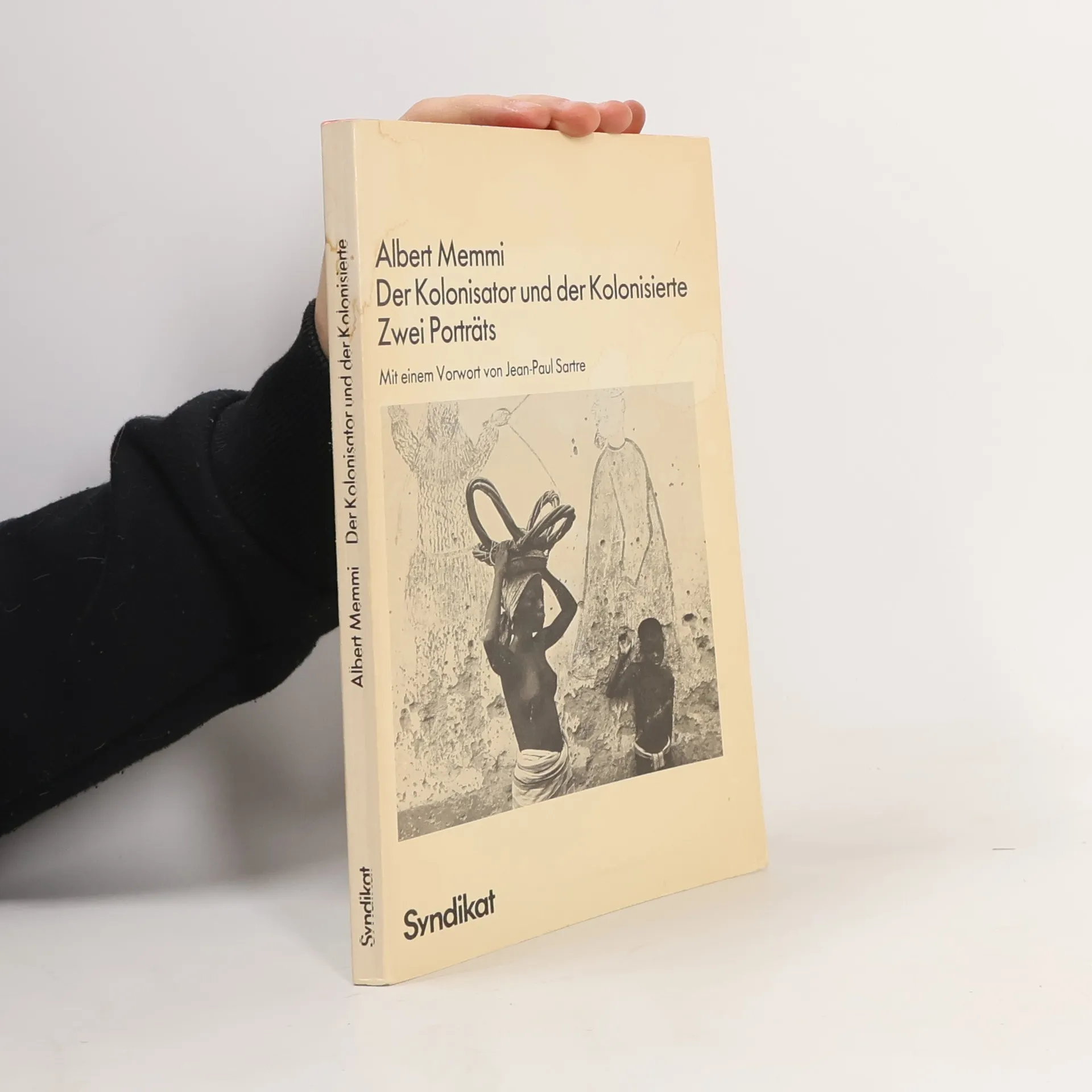
Der Kolonisator und der Kolonisierte. Zwei Porträts
Neuedition mit einem Nachwort von Adam Shatz über Albert Memmi und einem Vorwort von Jean-Paul Sartre
Das kleine Glück
- 155 Seiten
- 6 Lesestunden
Laut Memmi besteht Rassismus in der „verallgemeinerten und verabsolutierten Wertung tatsächlicher oder fiktiver Unterschiede zum Nutzen des Anklägers und zum Schaden seines Opfers, mit der seine Privilegien oder seine Aggressionen gerechtfertigt werden sollen“. Diese Rassismus-Definition von Albert Memmi gilt seit ihrer Aufnahme in die Encyclopaedia Universalis als gültig in Forschung und Lehre. Darüber hinaus wurde sie von ihm selbst in zahlreichen Publikationen erweitert und präzisiert. In dem vorliegenden Buch, das als Taschenbuch in Frankreich in mehreren Auflagen große Beachtung fand, beschäftigt sich Memmi ausschließlich mit dem Phänomen Rassismus: dem biologisch, oder besser, biologistisch argumentierenden, dem Antisemitismus, dem auf Rassismus gründenden Kolonialismus und einem auch hierzulande zunehmend anzutreffenden diffusen Fremdenhass. Anhand neuer Argumente und mit vielen Beispielen und Einzelstudien aus Geschichte und Gegenwart, analysiert er das ganze Spektrum des rassistischen Denkens.
Portrait of a Jew
- 324 Seiten
- 12 Lesestunden
In this memoir and extended meditation on Jewish identity and anti-Semitic stereotypes written in France in the early 1960s, Albert Memmi paints a portrait of himself as a secular Jew. The book has been compared to Rousseau’s Confessions because of its meticulous self-examination. Written only 15 years after the end of the Nazi occupation and just over a decade after the establishment of the State of Israel, Portrait of a Jew is a snapshot in time as well as a work of psychology and sociology. It both questions prevailing myths about the Jews of his time and describes the reality Memmi sees. Its sequel is The Liberation of the Jew.Portrait of a Jew and The Liberation of the Jew “form a whole: the beginning and the outcome of a passionate quest. The first offers a diagnosis, the second a remedy. [...] Both are written with moving sincerity [...] As a personal document, Memmi’s introspective study is valuable. Thought-provoking and disturbing in the best sense of the word, it allows us to look into the tormented mind and soul of a distinguished Jewish writer who aspires to live honestly while belonging simultaneously to two worlds. His doubts and affirmations carry the weight of testimony.” — Elie Wiesel, The New York Times“Portrait of a Jew and The Liberation of the Jew [are] filled with a Jewish existentialism marked by quest for identity and self-affirmation far more psychological and sociological than traditionally religious.” — Richard Locke, The New York Times“A bitter, plangent autobiography written in dark colors and minor chords. It is purgative and painful reading, for it angers, outrages, and reduces the reader to lonely verbal combats. But when the din and dust has died away, the questions and statements are still there asserting themselves.” — Henrietta Buckmaster, The Christian Science Monitor
Women as seen through the eyes of men! Set in a Paris restaurant, a reunion of old school friends provides a vehicle for the telling of after-dinner anecdotes on the theme of male-female relationships. A chance meeting, a moment of love, a tender memory, a bitter one.