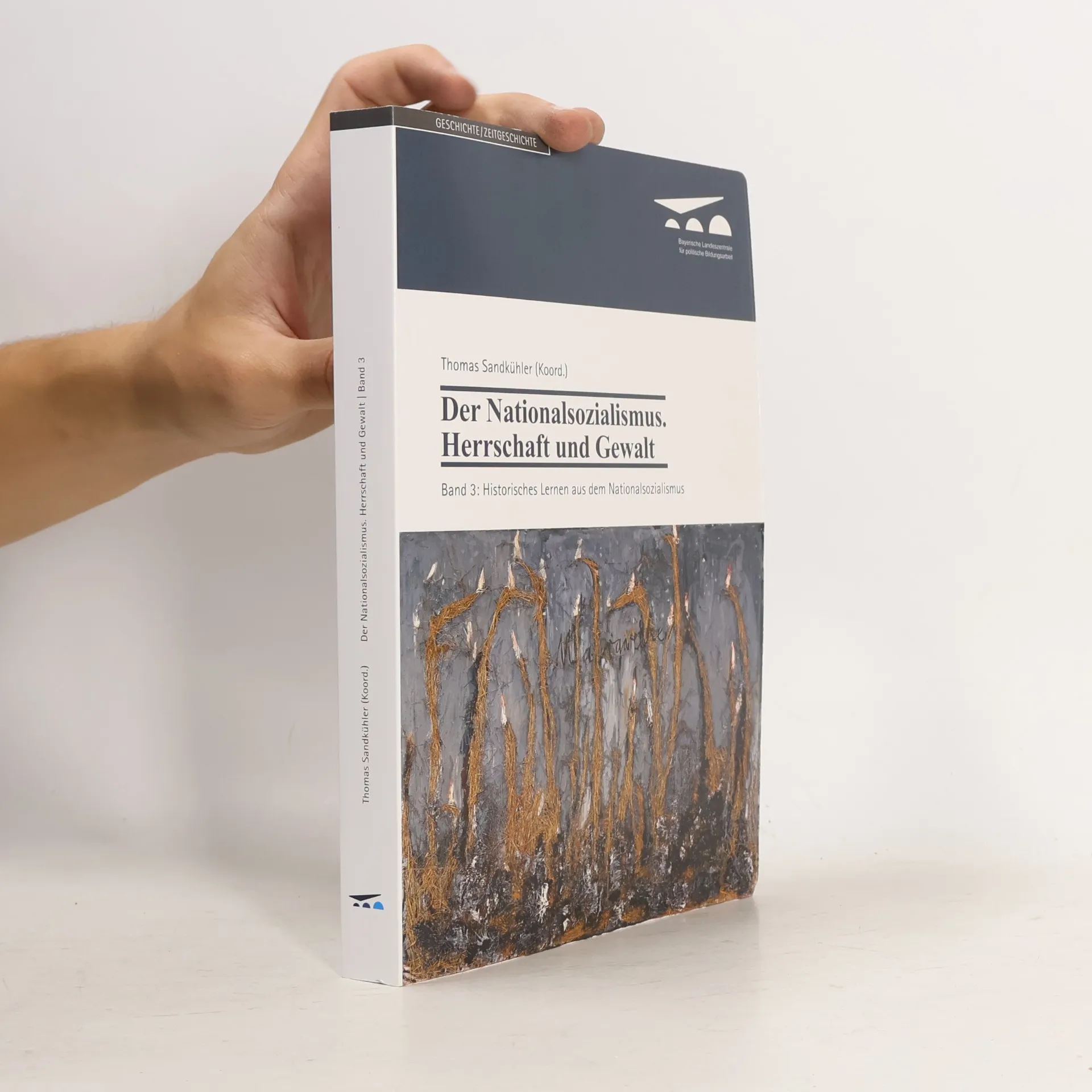
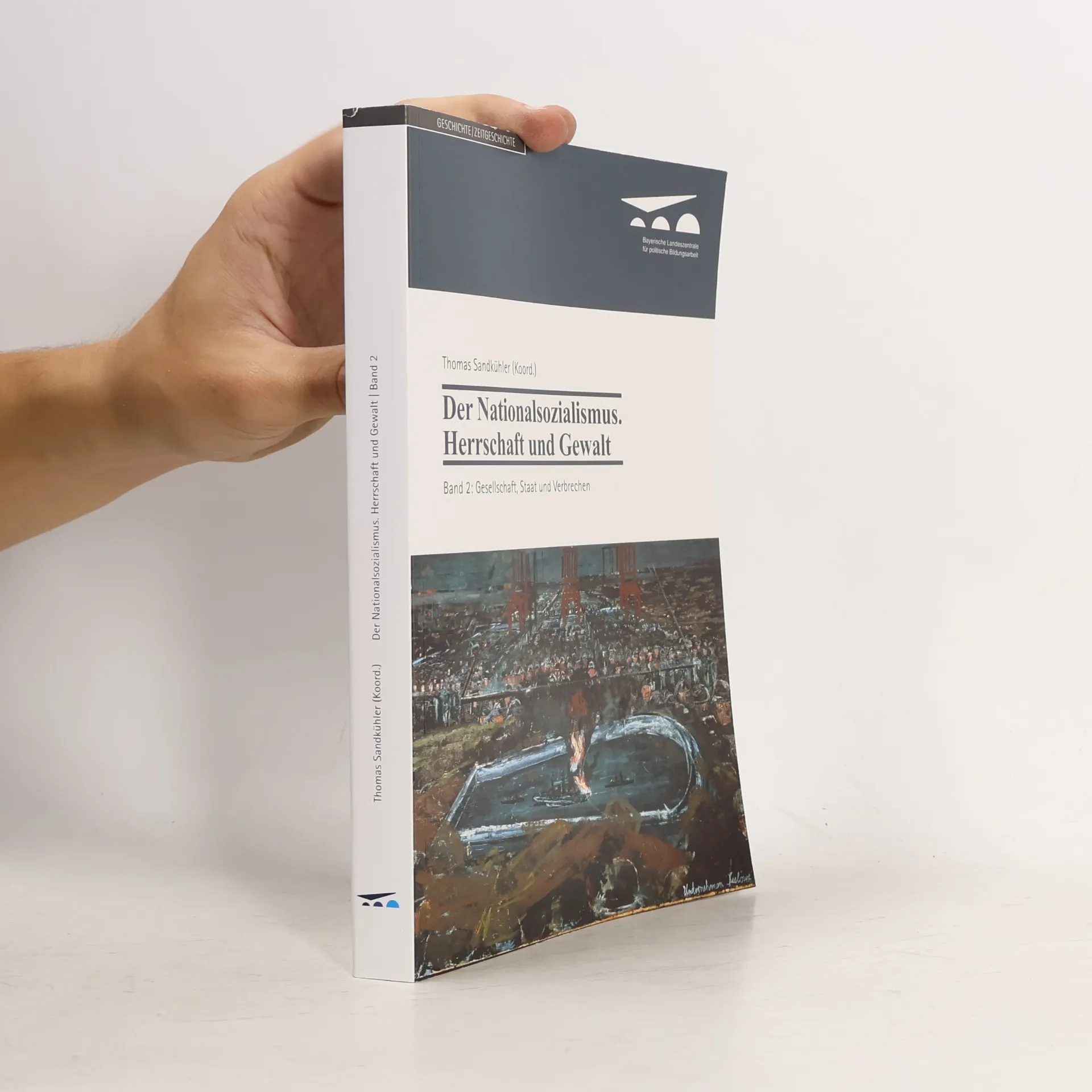
Der Nationalsozialismus. Herrschaft und Gewalt
Band 3: Historisches Lernen aus dem Nationalsozialismus


Band 3: Historisches Lernen aus dem Nationalsozialismus
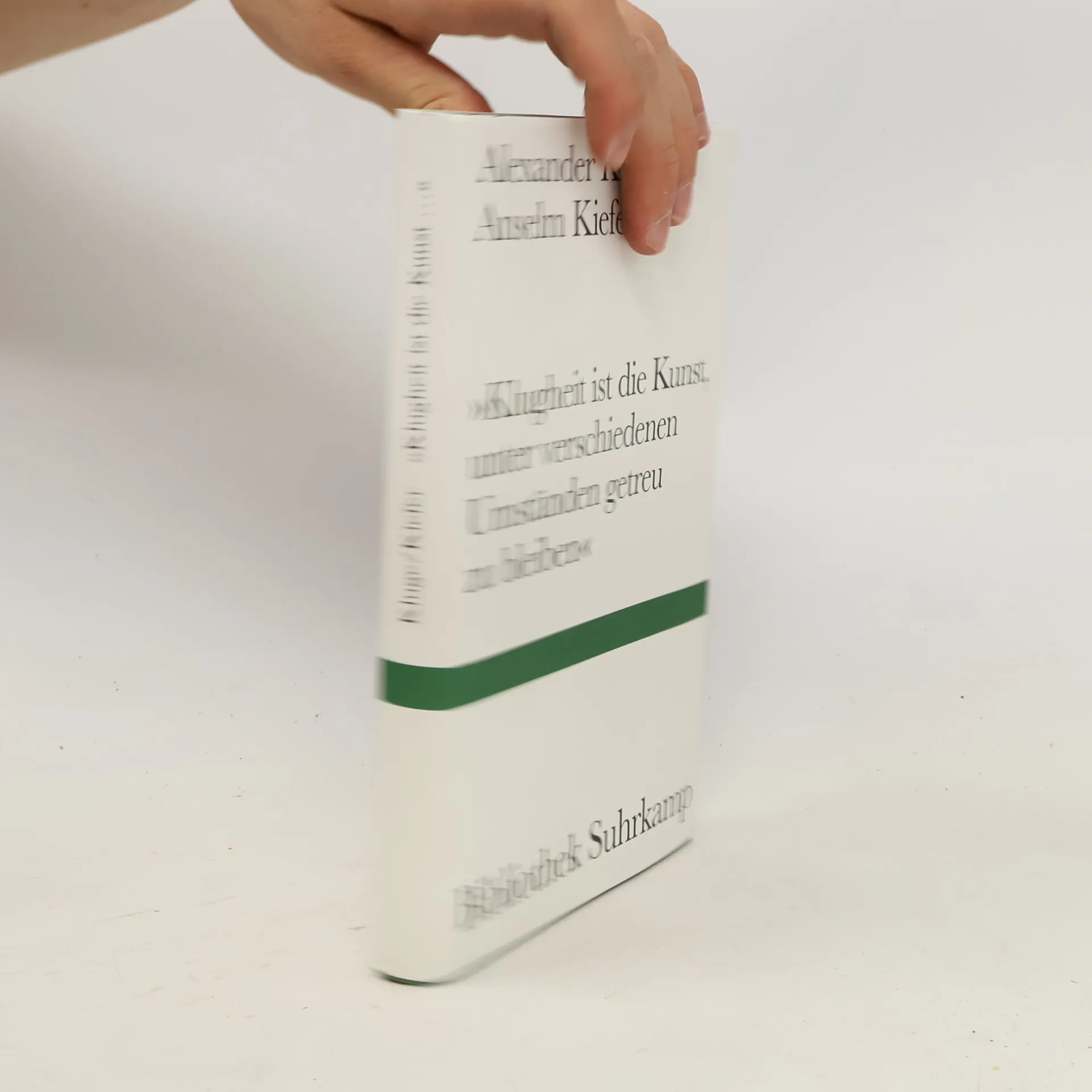
Anselm Kiefer und Alexander Kluge erforschen in ihrer Freundschaft die Konzepte von Verlässlichkeit und Zeit sowie deren Verbindung zu Macht, Liebe, Wahrheit und Geld. Sie kombinieren Bilder und Texte, um historische und gegenwärtige Themen zu beleuchten und unsere poetische Aufmerksamkeit für die Zusammenhänge der Zeit zu schärfen.
Band 2: Gesellschaft, Staat und Verbrechen
Das Franz Marc Museum in Kochel bereitet eine Einzelausstellung von Anselm Kiefer vor, in der 23 Glasvitrinen Kiefers gezeigt werden. Die Vitrinen tragen poetische Titel wie Hortus conclusus, Athanor, Daphne, Mohn und Gedächtnis, Sternenfall oder Die Tagebücher der Könige von Juda. In diesen bleigefassten Glasbehältern hat Kiefer Objekte und Materialien zu Stillleben arrangiert, die wie Zeitkapseln die verschiedenen Themenkreise des Künstlers vorstellen. Die Vitrinen sind zugleich transparent und dicht, leicht und schwer, und sie umfassen wie ein assoziationsreiches Ensemble von Schaufenstern ein Konzert von Dingen, Bildern und Bedeutungen. Verschiedene Schriftsteller - Patrizia Görg, Marion Poschmann, Michael Krüger, Christoph Ransmayr, Wolf Singer und Ferdinand von Schirach - geben in extra für den Band verfassten Texten ihre Interpretation dieses Opus Magnum zu Protokoll
Was verbindet Presse und Bildende Kunst? Wie beeinflusst die Zeitung unsere Gesellschaft? Wie gehen Künstler mit diesem Medium um? Und welche gegenseitige Einflussname existiert zwischen Kunst und Zeitung? Auf diese spannenden Fragen gibt der opulente Band „Art and Press“ ausführliche Antworten. Bildreich und detailgenau beleuchtet der Katalog die faszinierenden Positionen von namhaften Gegenwartskünstlern wie Christian Boltanski, Andreas Gursky, Eberhard Havekost, Anselm Kiefer, Barbara Kruger, Rirkrit Tiranvanija, Daniel Richter, Gerhard Richter, Franz West und vielen anderen. Ein historischer Überblick bis ins frühe 19. Jahrhundert – zu sehen sind Werke von Honoré Daumier, Paul Cézanne, Pablo Picasso, Max Beckmann und anderen – rundet das bis heute aktuelle Thema gelungen ab.
Memorabilia
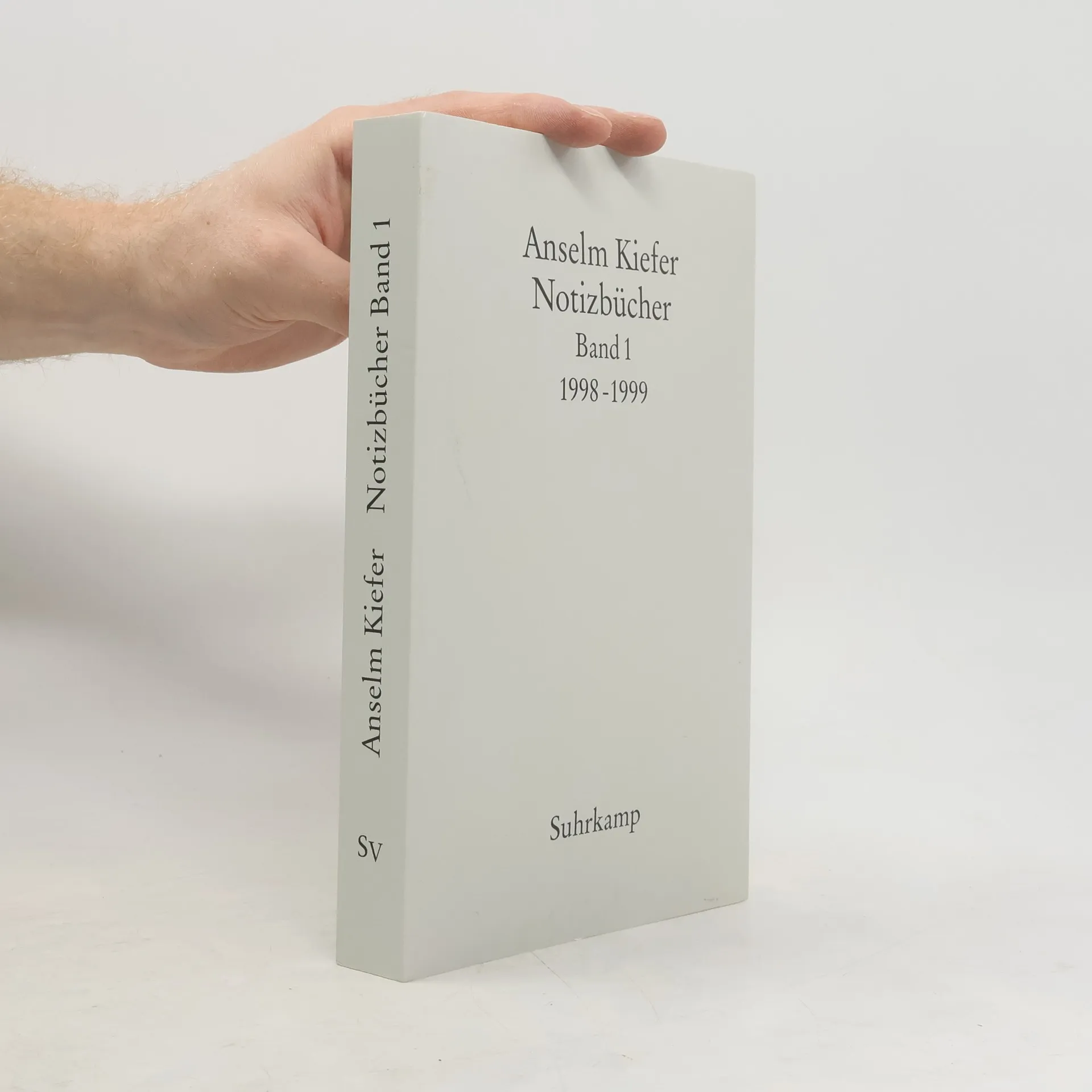
Seine Bilder und Skulpturen haben Anselm Kiefer zu einem der bedeutendsten und einflußreichsten Künstler unserer Zeit gemacht. Seit er 2008 den Friedenspreis des Deutschen Buchhandels erhielt, werden seine Essays, Reden, Vorträge immer stärker wahrgenommen. Gänzlich unbekannt sind bis jetzt seine Tagebuchaufzeichnungen: In einzelnen Kladden oder auf dem Computer hält er beinahe täglich Einfälle, Phantasien, Erkenntnisse fest. Der erste Band der Notizbücher umfaßt die Jahre 1998 und 1999, die Ursprünge und den Entstehungsprozeß seiner Werke. Diese Aufzeichnungen zeigen den großen Künstler auch als großen Schreibenden. So wird der Leser Zeuge der Verwandlung von Gedanken, Erlebnissen, Erfahrungen in künstlerisches Schaffen. Die Welt, die Kraft der Bilder finden ihr Pendant in diesen einzigartigen Notaten, in der sprachlichen Auseinandersetzung mit Natur und Geschichte, mit Literatur und Antike, mit Mystik und Mythologie.
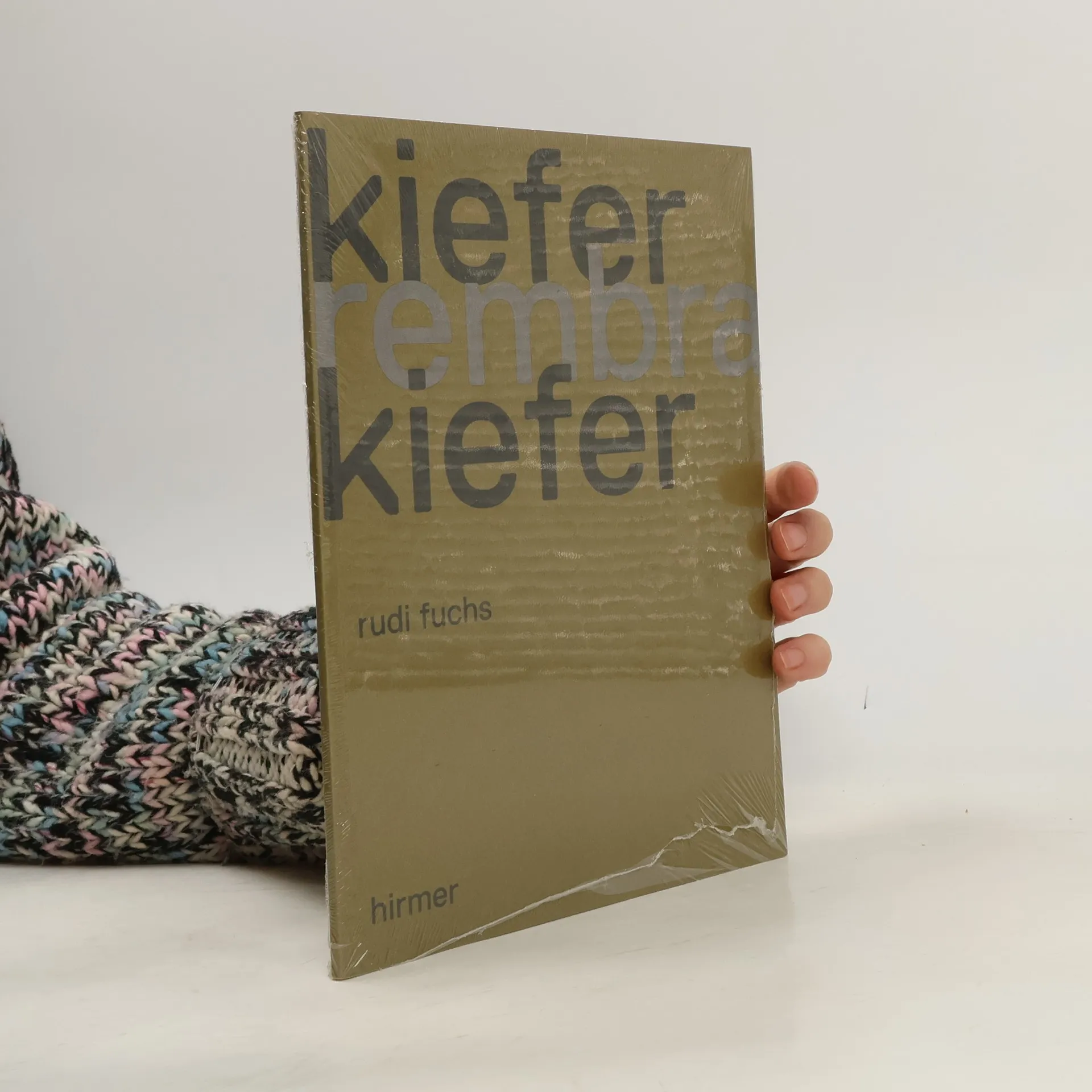
Das Rijksmuseum in Amsterdam inszeniert eine spektakuläre Konfrontation zwischen Rembrandts Nachtwache und einem neuen Werk von Anselm Kiefer, um frische Perspektiven auf die Kunstrezeption zu eröffnen. Kiefer, einer der prominentesten zeitgenössischen deutschen Künstler, wurde eingeladen, sich von der Nachtwache inspirieren zu lassen. Ihm wurde völlige Freiheit gewährt, um mit der temporären Präsentation des berühmten Vorgängers, der künstlerischen Situation in den Niederlanden sowie seinen eigenen Erfahrungen und Konzepten neue Wege des Verständnisses von alter und gegenwärtiger Kunst zu erkunden. Diese experimentelle Anordnung nutzt die Möglichkeiten des provisorischen Zustands des Museums, um sich mit zeitgenössischen künstlerischen Strategien auseinanderzusetzen. Ab dem 7. Mai 2011 wird die bereits kontrovers diskutierte Installation La berceuse (for Van Gogh) im Nachtwachen-Saal des Philips-Flügels zu sehen sein. Erst dann wird sich dieser Künstlerdialog in Bildern dokumentieren lassen, um seine gedankliche und formale Tragweite zu analysieren.
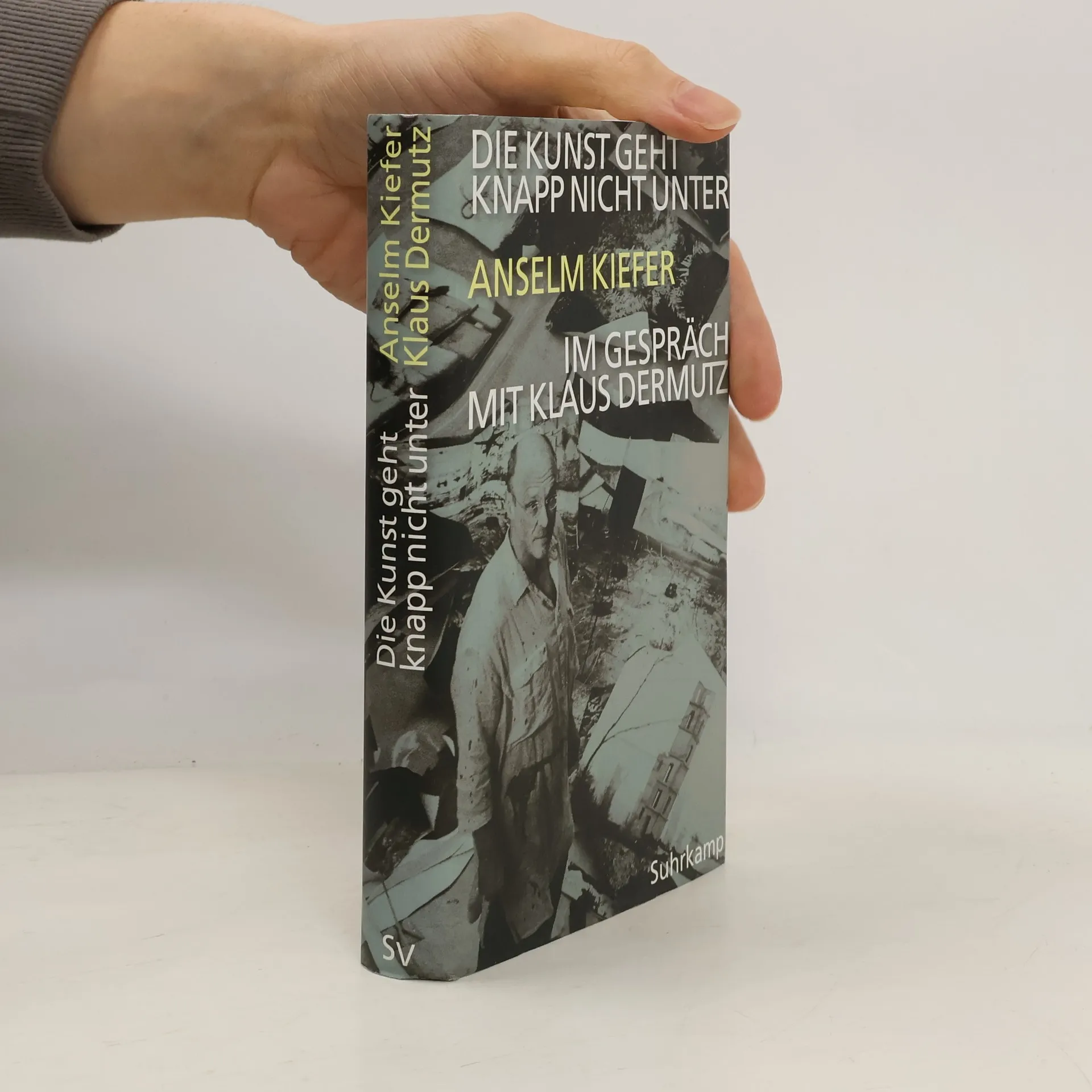
Anselm Kiefer ist einer der bedeutendsten Künstler unserer Zeit, dessen Werk tief mit geistigen Traditionen Deutschlands verbunden ist. Die Gespräche mit Anselm Kiefer in diesem Band erschließen die philosophischen und theologischen Grundlagen seiner Kunst, die von der Mystik und Kosmogonie Isaak Lurias sowie von den Gedichten von Ingeborg Bachmann und Paul Celan inspiriert ist. Die Gespräche mit Klaus Dermutz kreisen um die Elemente Feuer, Wasser, Erde Luft, um Erzählungen aus dem Alten und Neuen Testament sowie um die Leere, die im buddhistischen Denken eine zentrale Rolle spielt. Der Band erörtert Fragen der deutschen Geschichte, ihre Mythologien und Ideologien, und thematisiert Kiefers intensive Beschäftigung mit der Shoah. Kiefers Werke finden ihren Raum im Theater. Die Ausstattung zu „Ödipus“ in Kolonos am Burgtheater 2003 und „Elektra“ sowie Kiefers Uraufführung seines Librettos „Am Anfang“ 2009 an der Opéra Bastille sind von einer »Ästhetik des Restes« geprägt, die den in Paris lebenden Maler schon sehr früh faszinierte und für sein gesamtes Schaffen von großer Bedeutung ist. In diesen Horizont eingebettet sind Überlegungen zur Stellung des Menschen im Kosmos sowie zur künstlerischen Produktion.
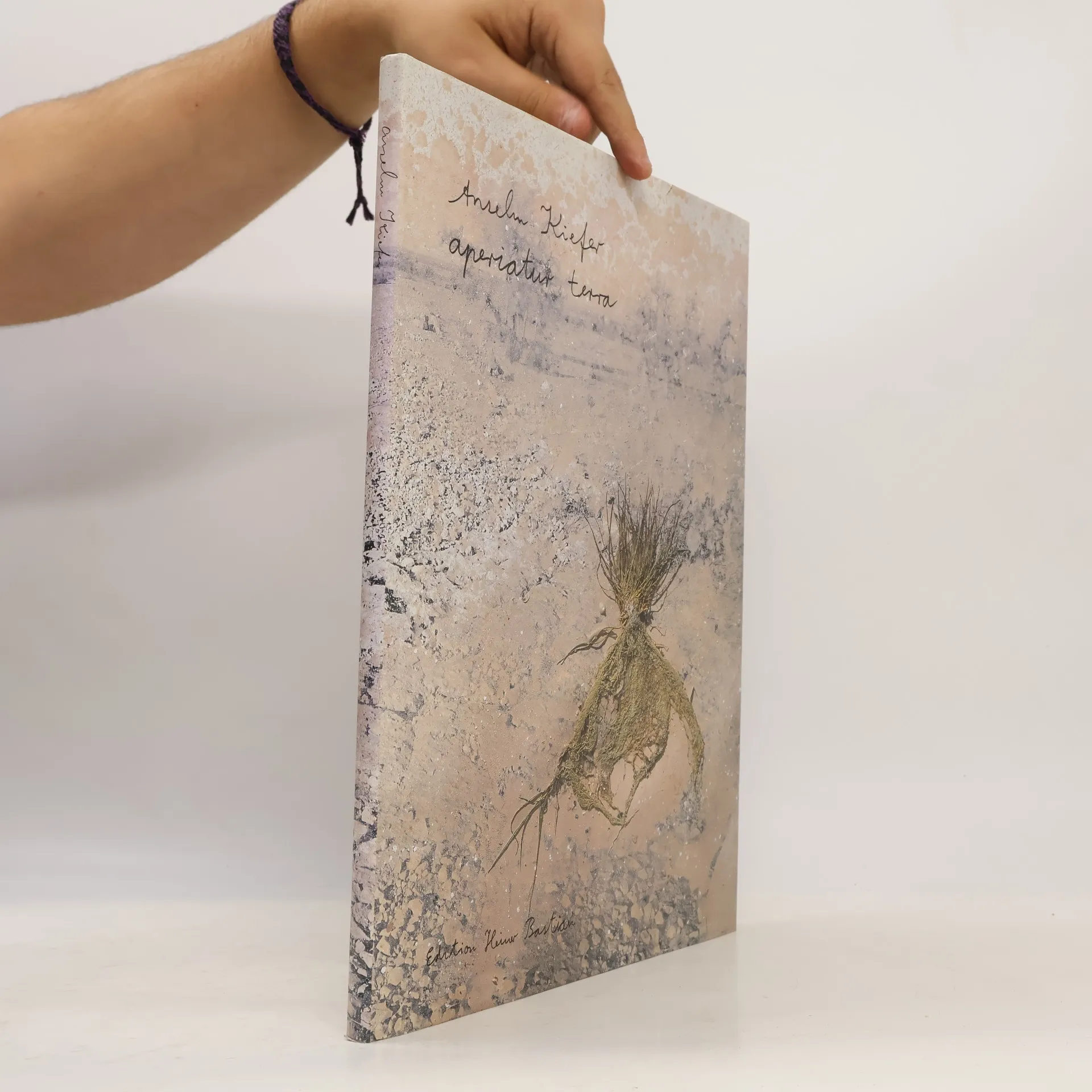
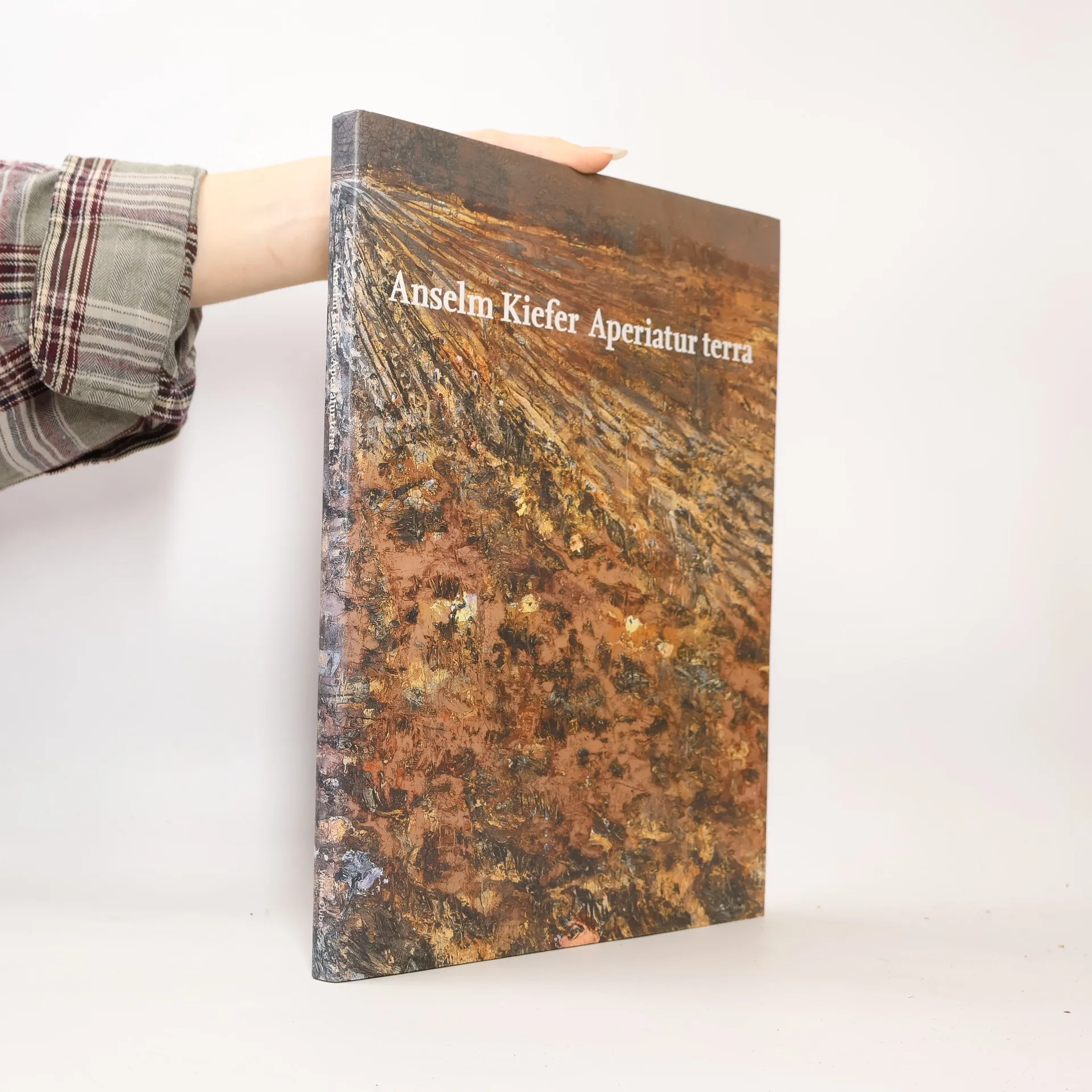
Anselm Kiefer, deutscher Weltstar der Gegenwartsmalerei, geb. 1945 in Donaueschingen, hat inzwischen mit den von Heiner Bastian bei Schirmer/Mosel betreuten Künstlerbüchern einen eindrucksvollen, eigenständigen Werkteil vorgelegt. In diesen Büchern verbinden sich mystische Themen und Inhalte mit Kiefers zeitgenössischen Techniken wie Photographie, Collage, Materialbild zu einem ästhetischen Gesamteindruck, in dem sich zarte, lyrische Materialwertigkeiten mit groben, fast gewalttätig anmutenden Elementen verbinden, so dass in der Folge der Bilder der Eindruck einer verwüsteten Welt entsteht. Schrift tritt häufig menetekelhaft in die Bildfolgen ein und dient gleichzeitig als Buchtitel. Aperiatur terra zitiert ein Bibelwort. 'Die Erde tue sich auf und bringe den Heiland hervor' (Jesaja 45,8) bezieht sich also auf die Prophezeiungen der Ankunft Christi, des Erlösers der Welt.
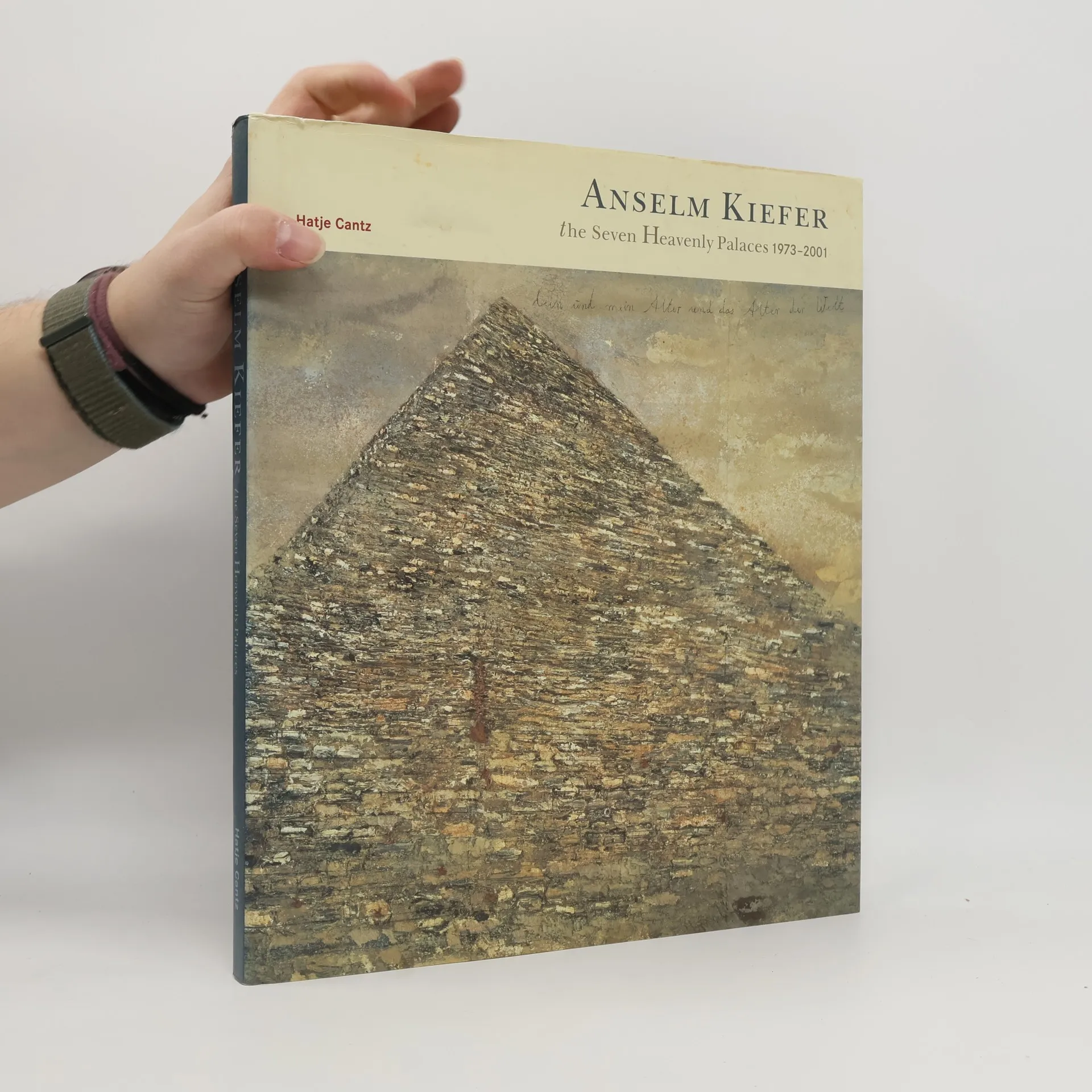
Anselm Kiefer is one of the most important and highly regarded artists at work in the world today, and well known for his book art. This beautifully printed volume demonstrates how Kiefer has revitalized and brilliantly used the book form as a means of artistic expression, will be welcomed by the artist's many admirers.
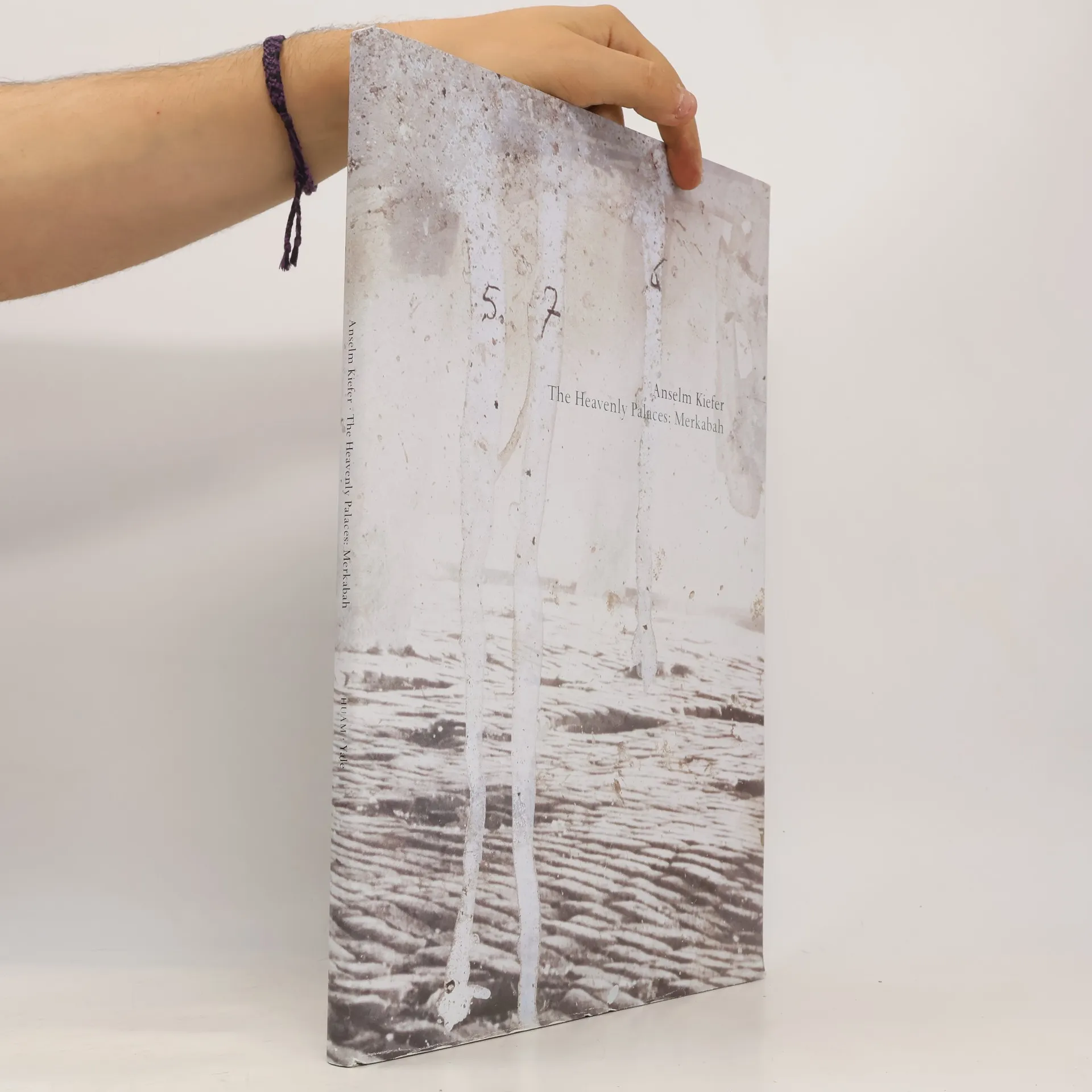
While most major museums in the United States and abroad hold examples of the German artist Anselm Kiefer's work, the nature and extent of his achievement are the subject of intense debate. This volume reproduces in full The Heavenly Palaces - Merkabah, an important large-scale artist's book created by Kiefer in 1990. Featuring highly evocative images beautifully reproduced here in full color, this work is accompanied by three penetrating essays by experts who approach the book from various perspectives, explicating its many layers of meaning to an unprecedented degree. The first essay deals impressionistically with the motifs and iconography of The Heavenly Palaces - Merkabah. The next treats its themes and meaning, concentrating especially on Jewish references and resonances, an especially challenging aspect of this German artist's oeuvre. In the final essay, the importance of the medium of photography is addressed by surveying its use by Kiefer since the beginning of his career.
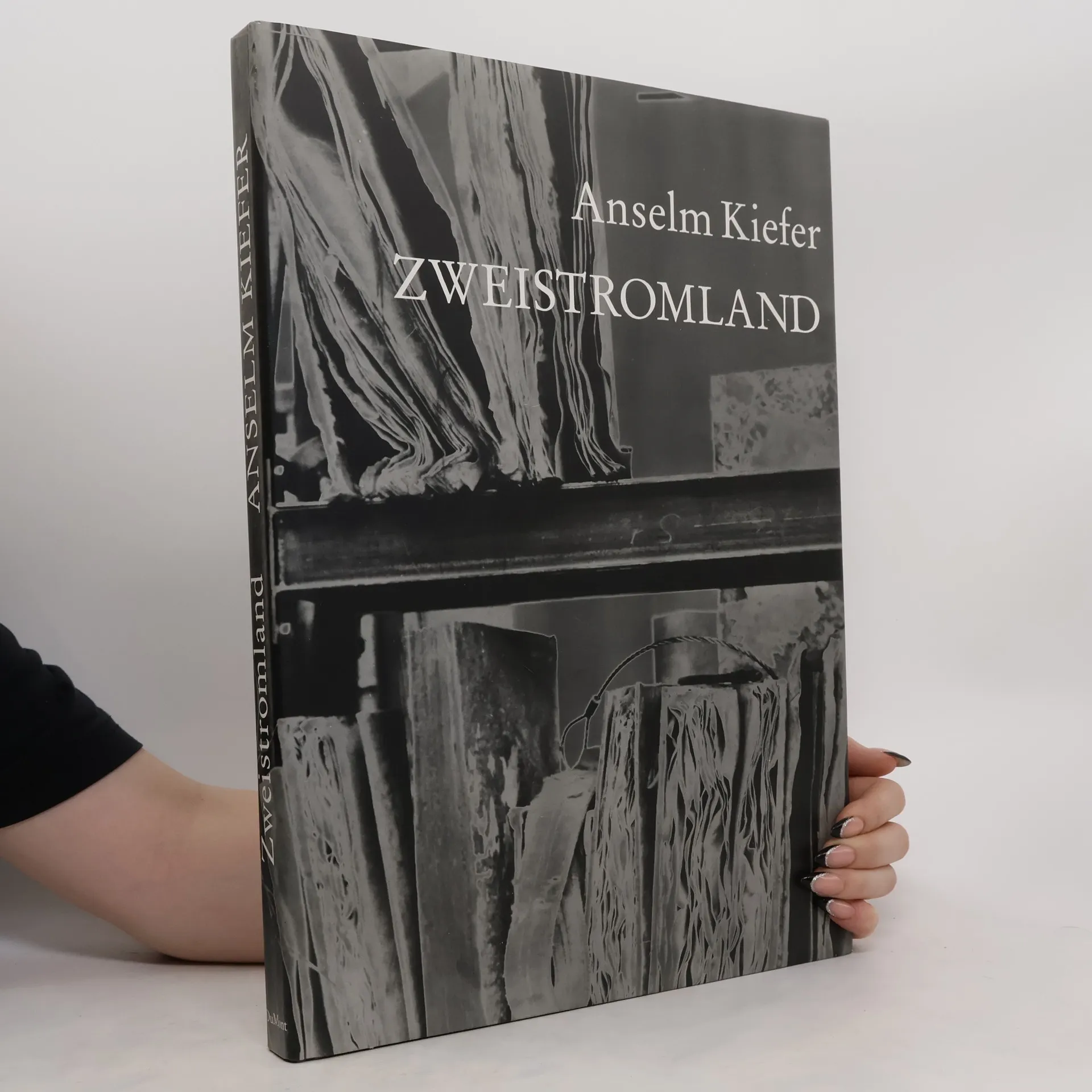
"The Austrian writer Christoph Ransmayr has contributed an inspired literary investigation of the work and life of this artist living near the French village of Barjac. He takes us through La Ribaute, the artist's studio compound, past glass houses and leaden installations, through poppy fields and dense scrub, through underground passages and containers filled with pictures and sculptures. Meanwhile, the photographer Thomas Flechtner has captured fleeting visual impressions of this creative terrain. Markus Bruderlin, Mark Rosenthal and Katharina Schmidt, each with a deep knowledge of Anselm Kiefer's work, have provided illuminating introductions to the individual chapters that go to make up this detailed compendium which, focusing on four major areas of Anselm Kiefer's work, offers the reader an insight into the specific emblematics used by this artist as well as into the process of his pictorial production and the many-faceted nature of his artistic output."--Jacket
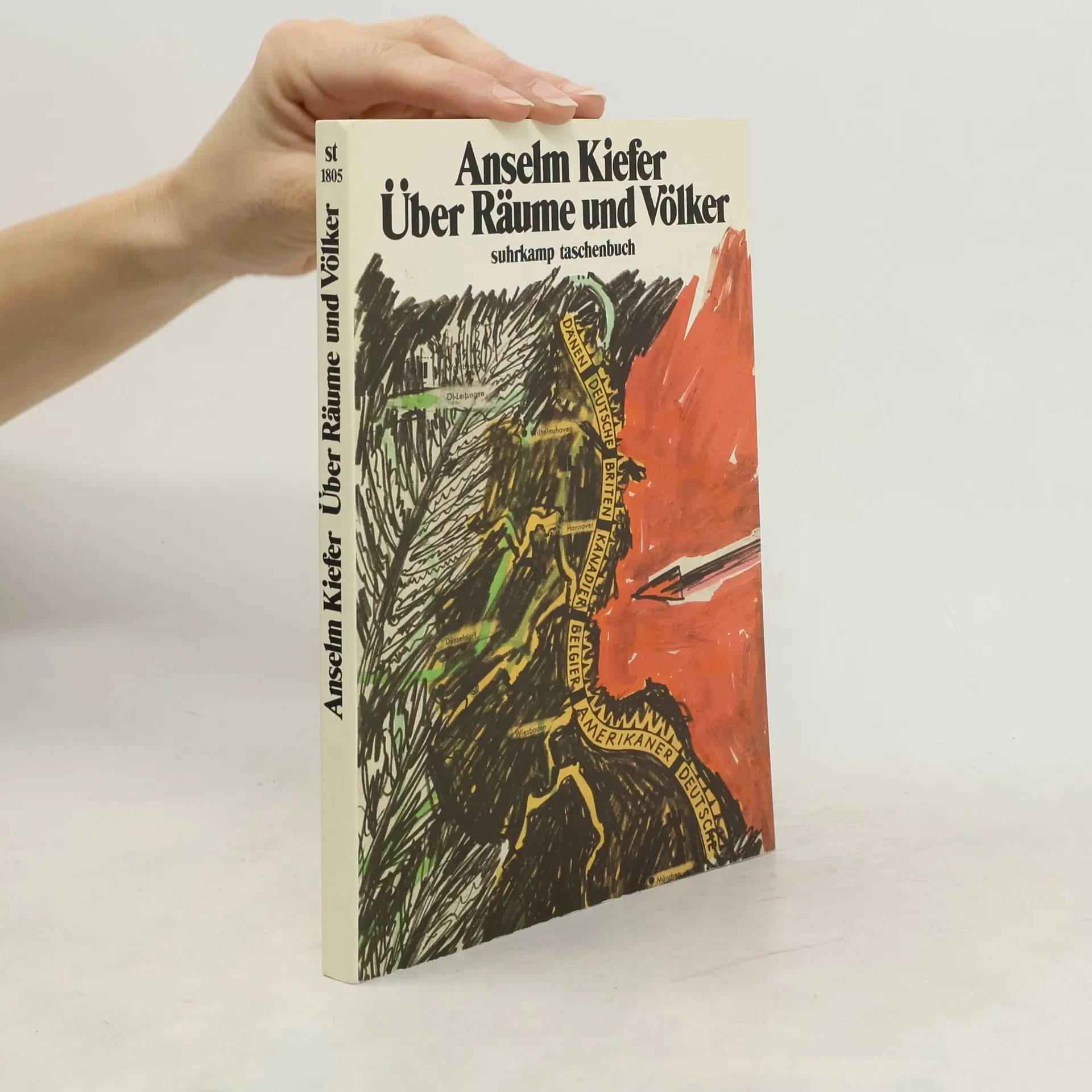
Über Räume und Völker - bk619; Suhrkamp Verlag; Anselm Kiefer; pocket_book; 1990
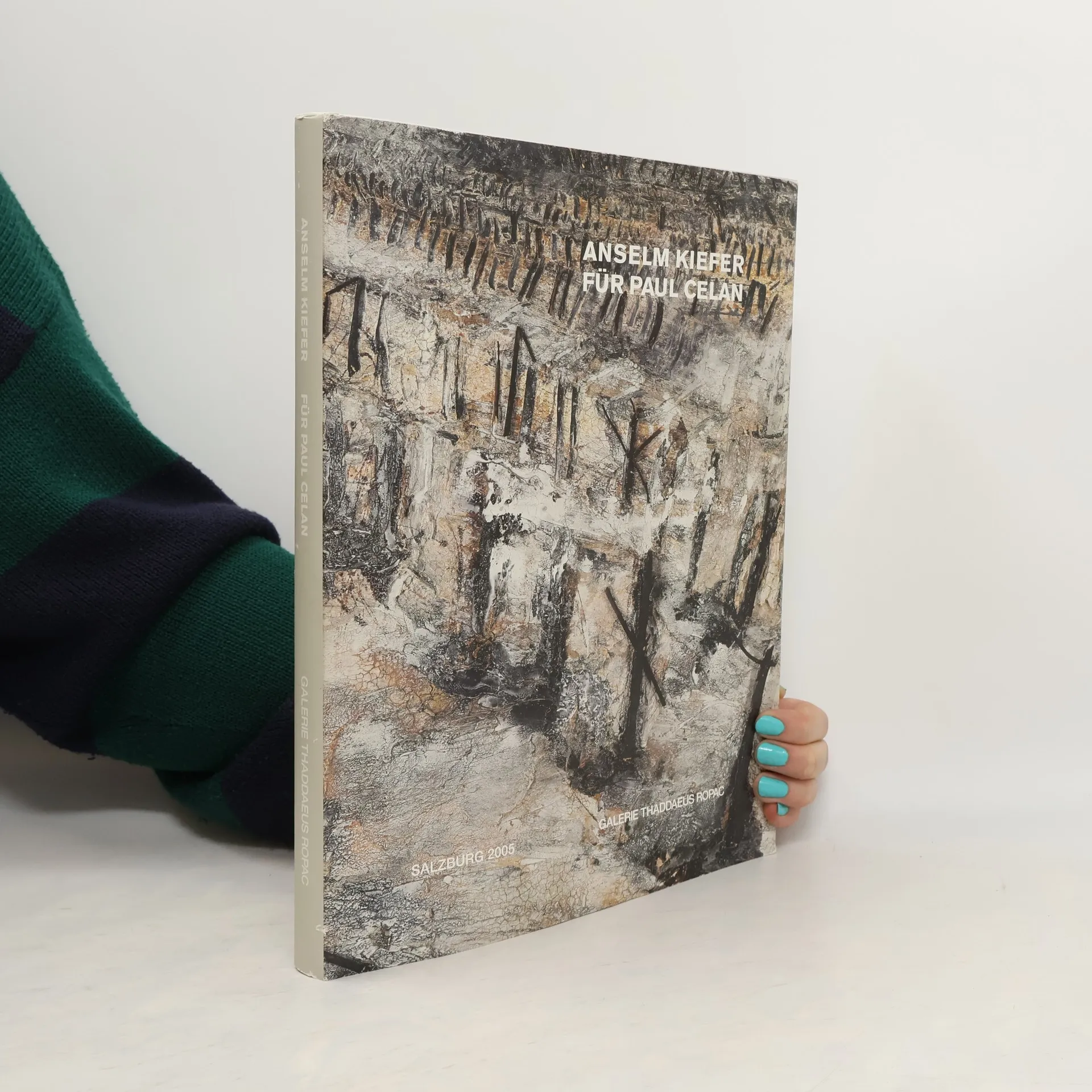
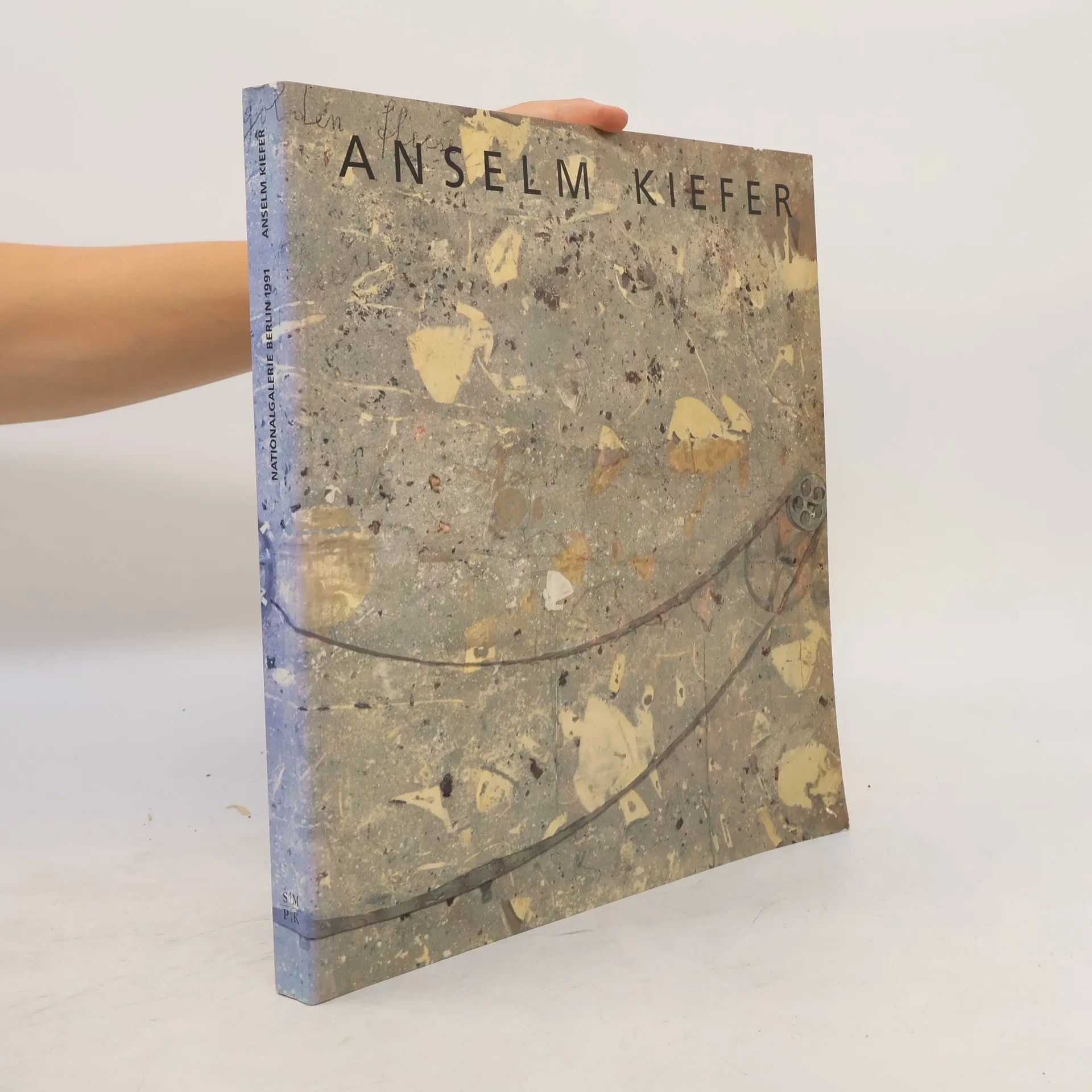
Anselm Kiefer, einer der bedeutendsten zeitgenössischen Künstler, thematisiert in seiner Kunst das Erinnern, Gedächtnis, Vergänglichkeit und Vergessen. Seine großformatigen, antiheroischen Bilder zeigen eine von der Vergangenheit geprägte, zerstörte Gegenwart. Kiefer setzt gegen die Leere Namen von Orten, Göttern und Personen in ungelenker Schrift, oft inspiriert von Gedichten, etwa von Ingeborg Bachmann oder Paul Celan. Werke wie „Horlogium“ und „Für Paul Celan“ reflektieren zentrale Themen wie den Holocaust und die Schrecken des Zweiten Weltkriegs. Kiefer verwendet in seinen Arbeiten organische Materialien wie Sand, Erde und Asche, um die Vergänglichkeit von Kunst und Leben darzustellen. Die Retrospektive umfasst 15 Werke, darunter vier neue Hauptwerke aus Kiefers jüngster Schaffensperiode. Agnes und Karlheinz Essl haben sich über viele Jahre intensiv mit Kiefers Werk auseinandergesetzt und zahlreiche bedeutende Werke erworben, die nun einer breiten Öffentlichkeit zugänglich gemacht werden.
Bilder und Bücher. Kunsthalle Bern, 7. Oktober-19. November 1978