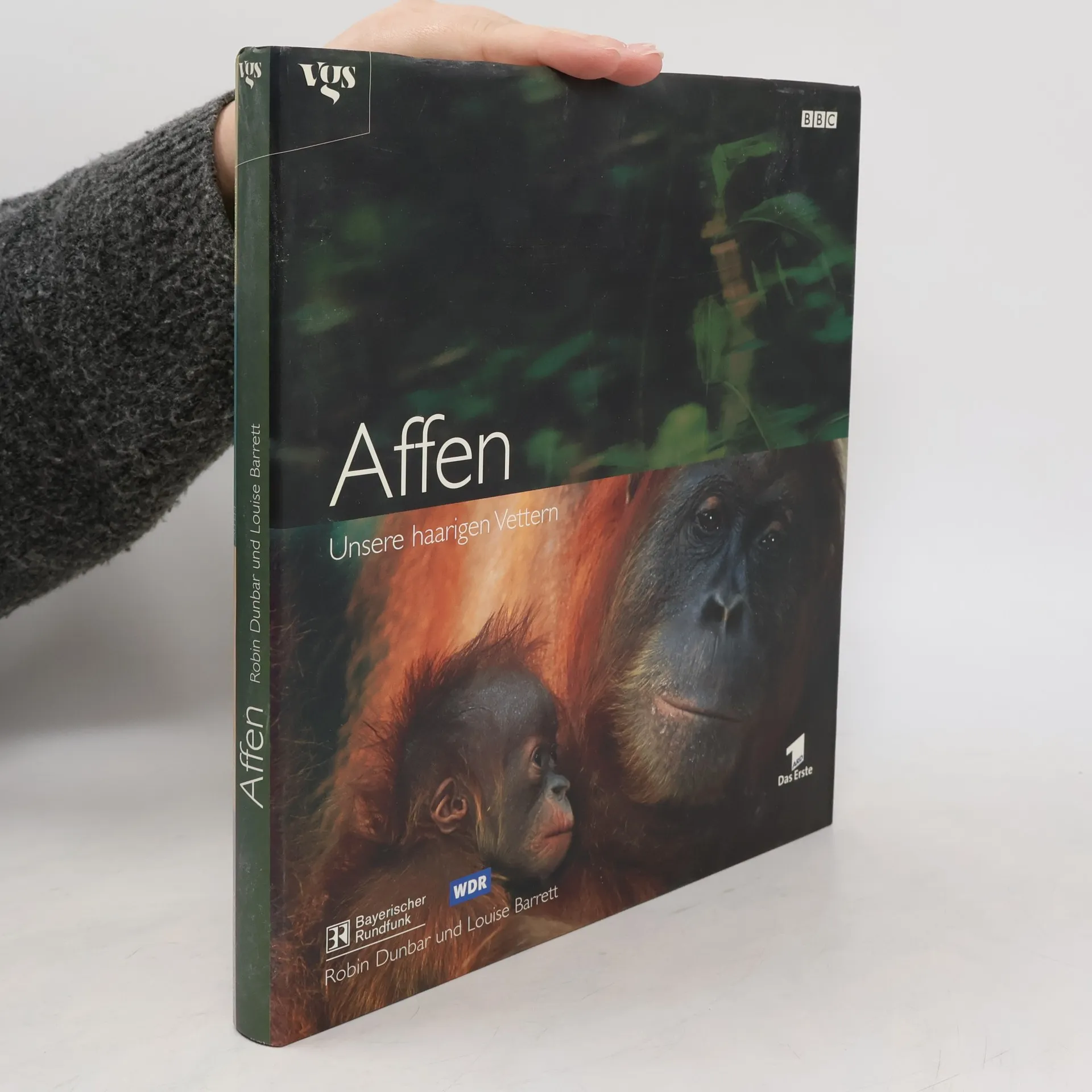
Robin Dunbar Bücher


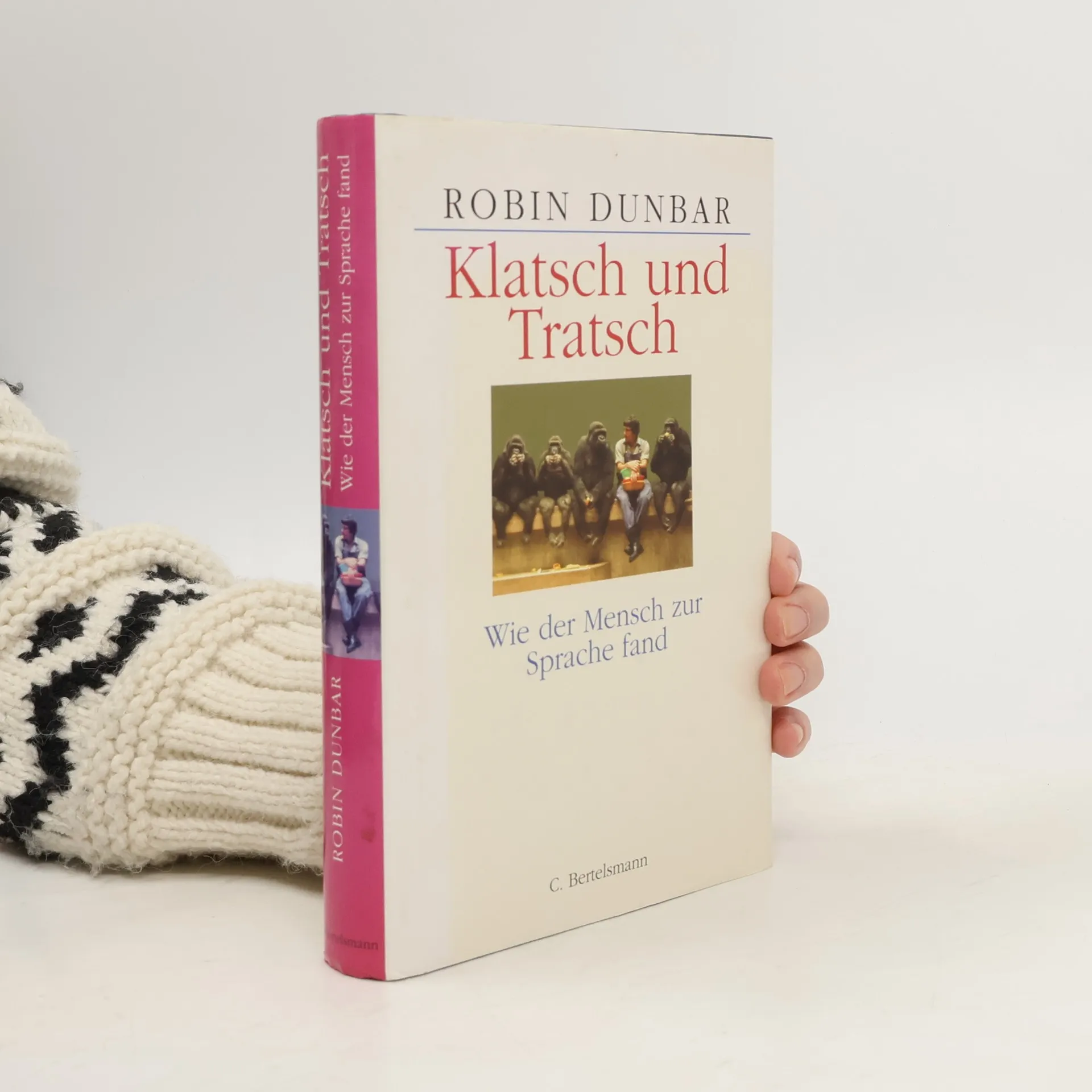
Der Affe, der den anderen krault, betätigt sich nicht sich nicht als Kammerjäger. Seine begehrten Hände dienen nicht in erster Linie der Fellhygiene, sondern sorgen vielmehr für Wohlgefühl beim Partner, stärken die soziale Bindung und Ordnung und helfen damit der Horde beim Geschäft des Überlebens. Die menschliche Urgemeinschaft, zu groß um durch Kraulen das soziale Netzwerk intakt zu halten, mußte ein zeitökonomischeres Medium finden: die Sprache. Wem ging aber zuerst der Mund über? Robin Dunbar verwirft die bekannte These, daß die vermeintlichen Herren der Schöpfung den Wort-Wechsel während der Jagd erfanden. Die Sprache wurde vielmehr von Frauen "am Lagerfeuer" entwickelt. Denn sie bildeten Kern und Rückgrat der frühmenschlichen Gruppen. Die kühne Brücke, die Robin Dunbar von unseren haarigen Vettern zu unseren Vorfahren schlägt, führt bis zum Hordenverhalten des Zivilisationsmenschen: Rund zwei Drittel unserer alltäglichen Konversation drehen sich um Klatsch und Tratsch: Wer treibt es mit wem, wer ist in, wie bringe ich den Partner zur Räson? Der Anthropologe stieß dabei auf vertratue Unterschiede: Während Frauen hauptsächlich über andere reden und so am sozialen Netzwerk stricken, schneiden Männer brutal daran herum: Sei sprechen vor allem über sich und betreiben ausgiebig Selbst-PR.
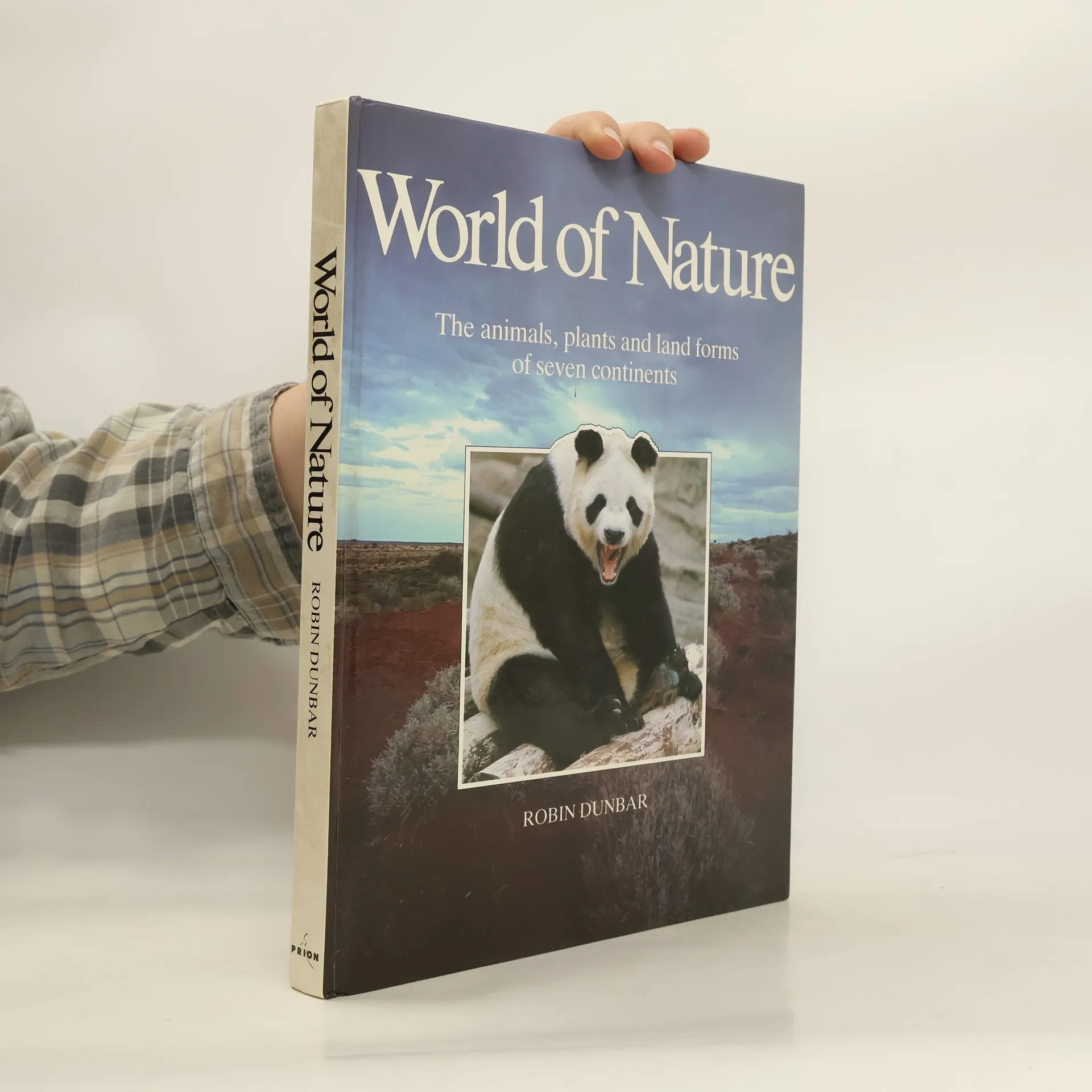
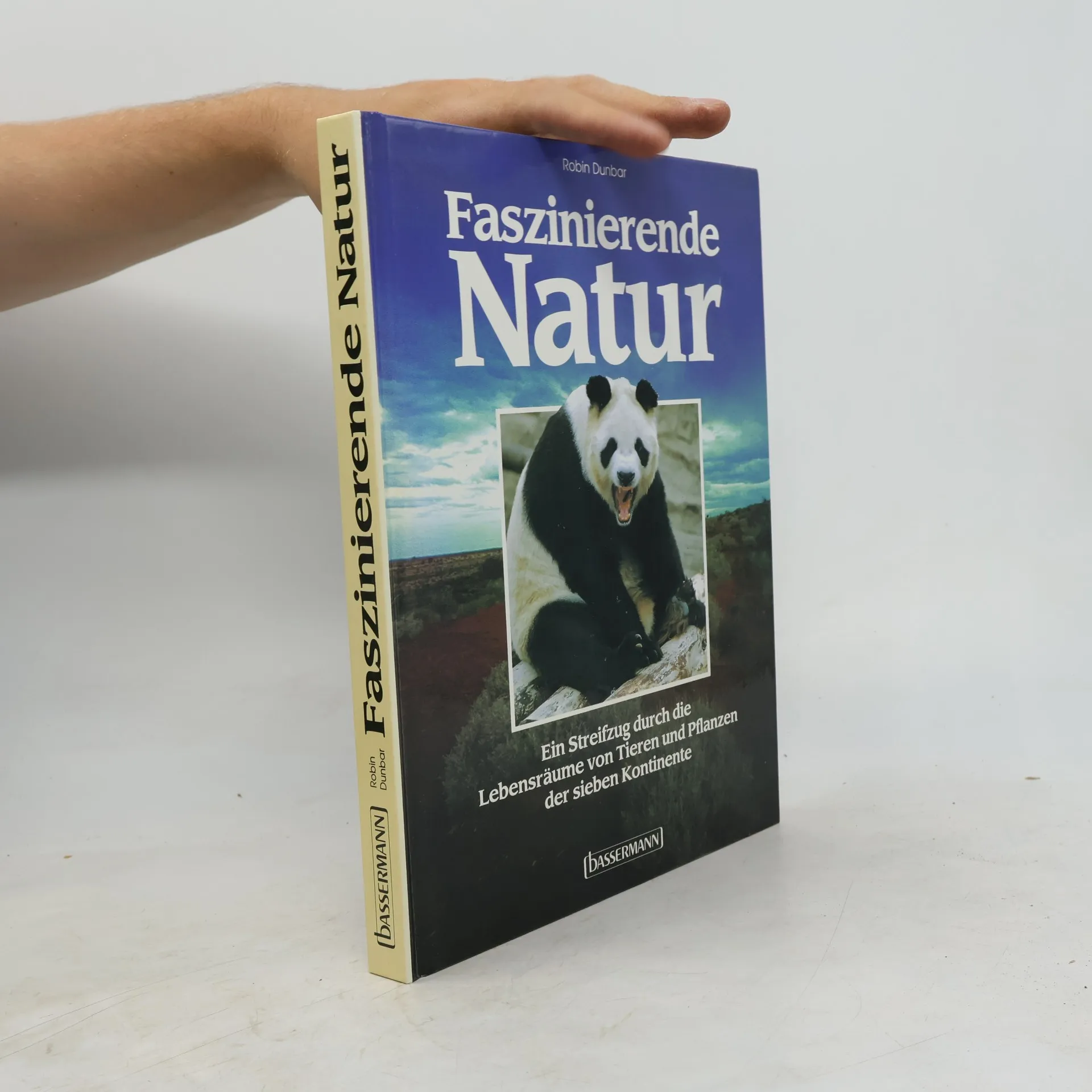
Shows unusual insects, fish, amphibians, birds, and mammals in Africa, Europe, the Americas, Asia, Australia, and Antarctica
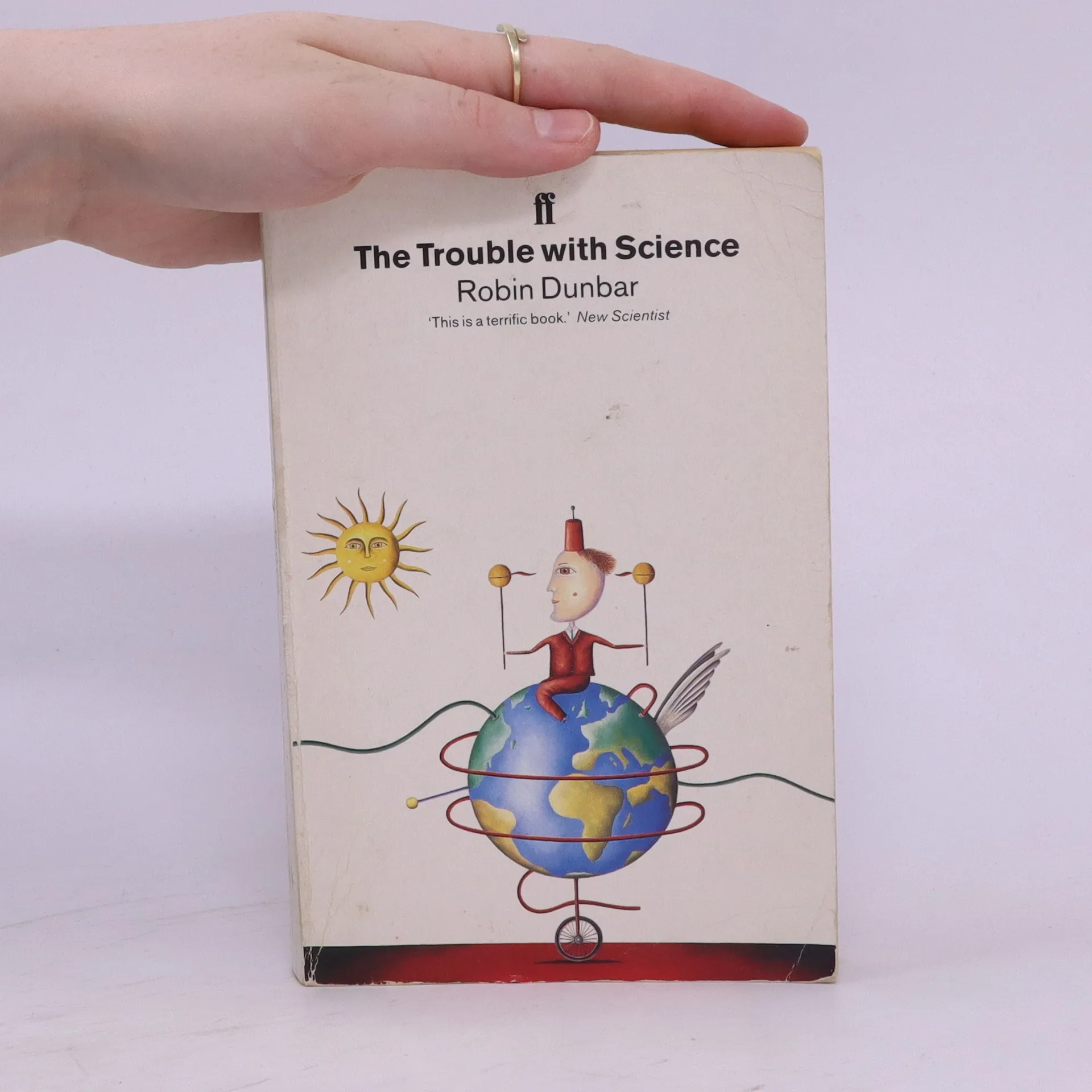
This book explains with vivid examples and historical excursions, what science is, what it does, what it cannot do, and why most of us find science - or even thinking logically - relatively difficult.
Human evolution
- 432 Seiten
- 16 Lesestunden
What makes us human? How did we develop language, thought and culture? Why did we survive, and other human species fail? The past 12,000 years represent the only time in the sweep of human history when there has been only one human species. How did this extraordinary proliferation of species come about - and then go extinct? And why did we emerge such intellectual giants? The tale of our origins has inevitably been told through the 'stones and bones' of the archaeological record, yet Robin Dunbar shows it was our social and cognitive changes rather than our physical development which truly made us distinct from other species.
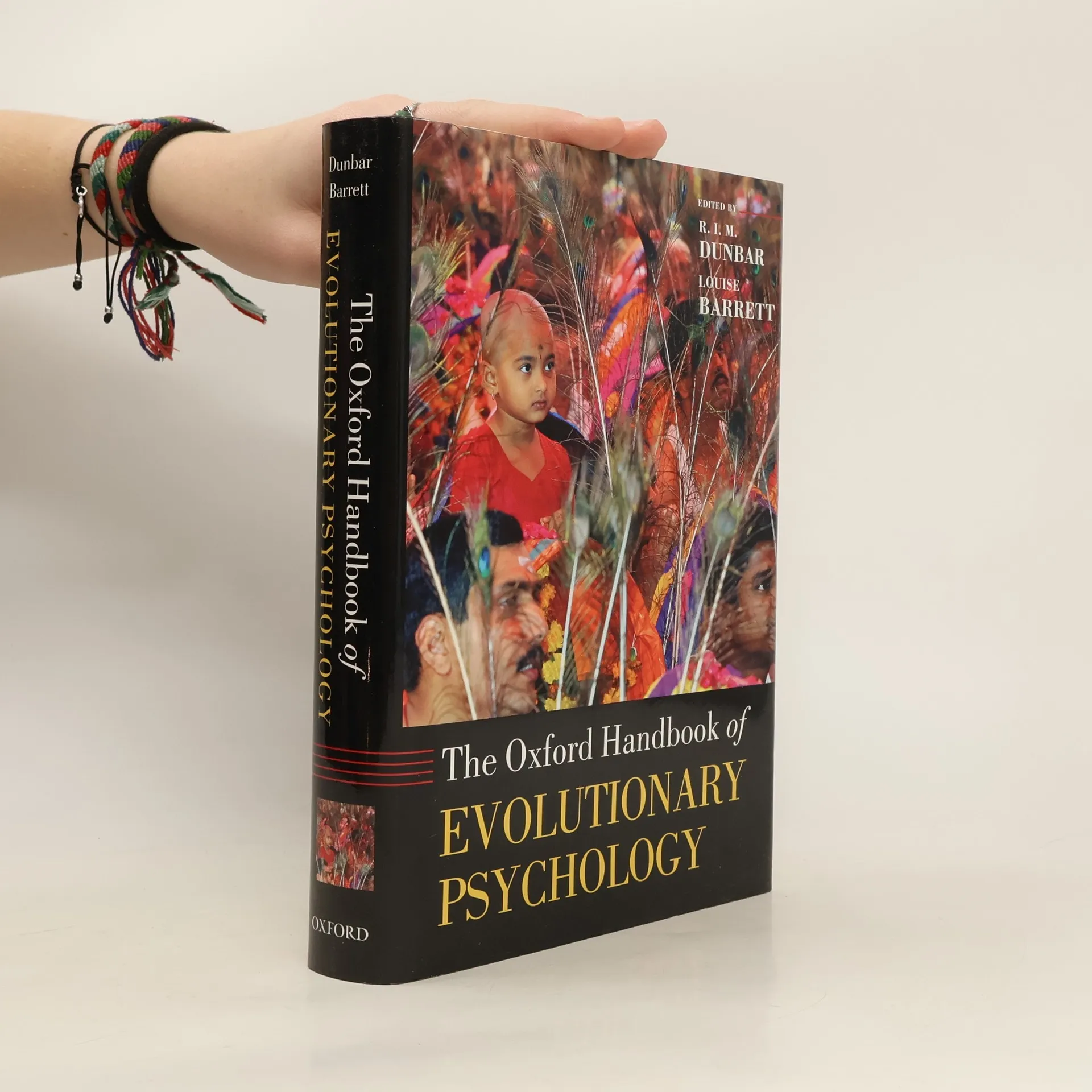
With contributions from over 50 experts in the field, this book provides an overview of the latest developments in evolutionary psychology. In addition to well studied areas of investigation, it also includes chapters on the philosophical underpinnings of evolutionary psychology, comparative perspectives from other species, and more.
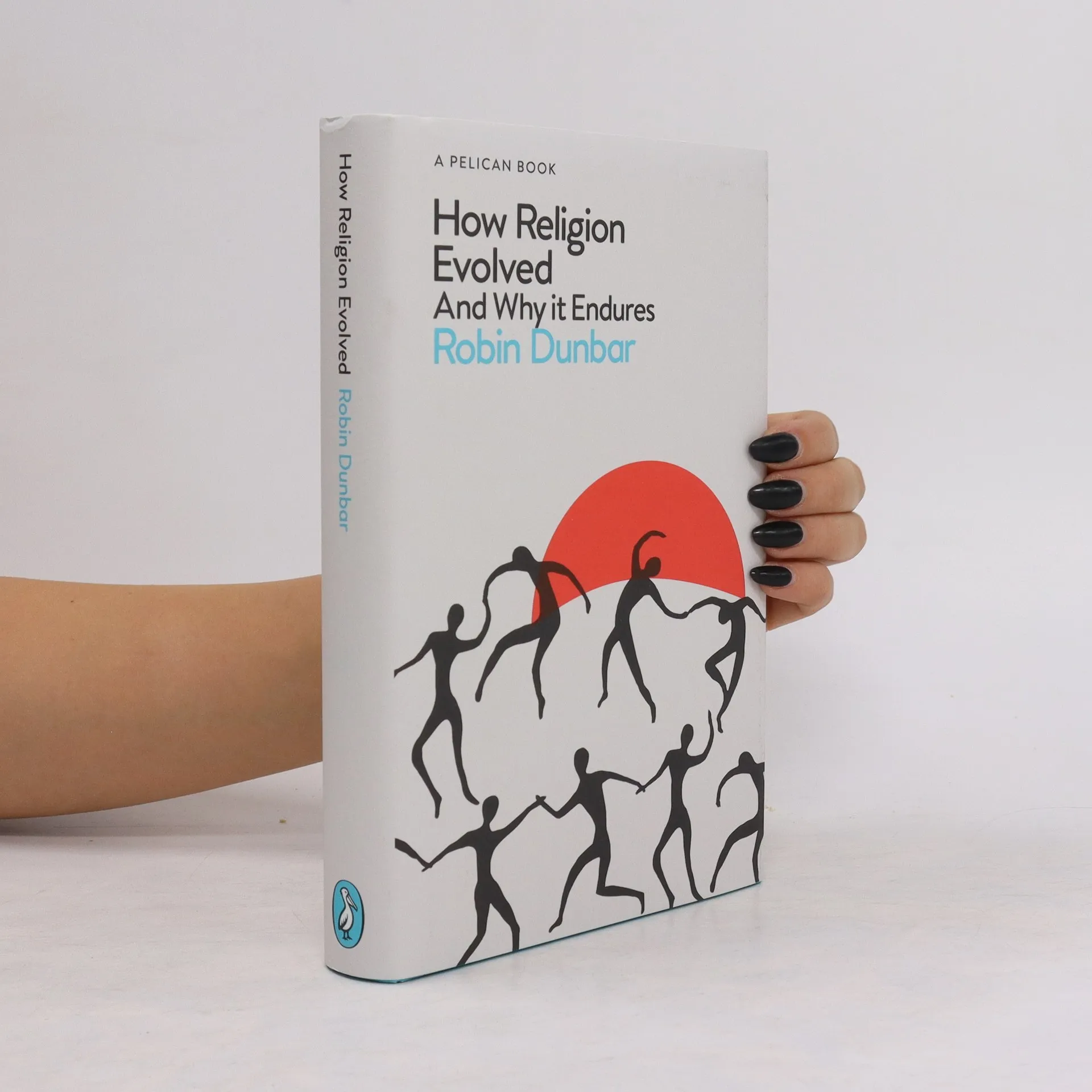
How Religion Evolved And Why it Endures
- 352 Seiten
- 13 Lesestunden
When did humans develop spiritual thought? What is religion's evolutionary purpose? In our increasingly secular world, why has it endured? Every society has lived with religion. An evolutionary psychologist tracks its origins to the 'mystical stance'—a psychological predisposition that allows belief in a transcendent world and facilitates spiritual encounters. By examining world religions and those practiced by hunter-gatherer societies, the author argues that this instinct is not merely a human quirk but rather an evolutionary advantage. Religion enhances individual health and wellbeing and fosters large-scale social bonding, helping to maintain cohesion in fractious societies. This perspective may provide a unified theory explaining why and how humans are religious, integrating the diverse strands within the field. Utilizing groundbreaking research, clinical case studies, and global fieldwork, alongside stories of charismatic cult leaders and lost faiths, the analysis delves into the quintessentially human impulse to believe.
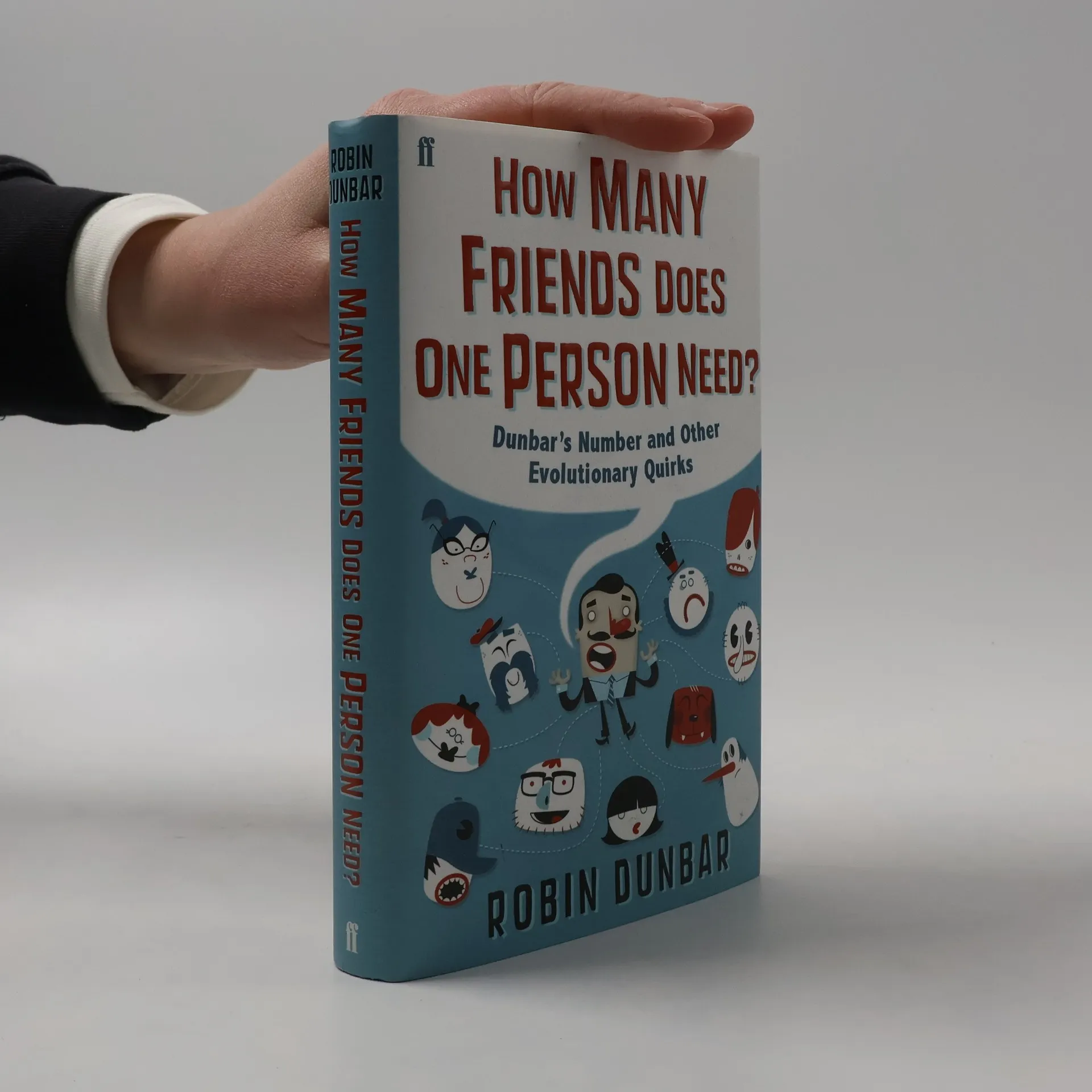
How Many Friends Does One Person Need?
- 320 Seiten
- 12 Lesestunden
We are the product of our evolutionary history and this history colours our everyday lives - from why we kiss to how religious we are. In this book, the author explains how the distant past underpins our current behaviour, through the experiments that have changed the thinking of evolutionary biologists forever.
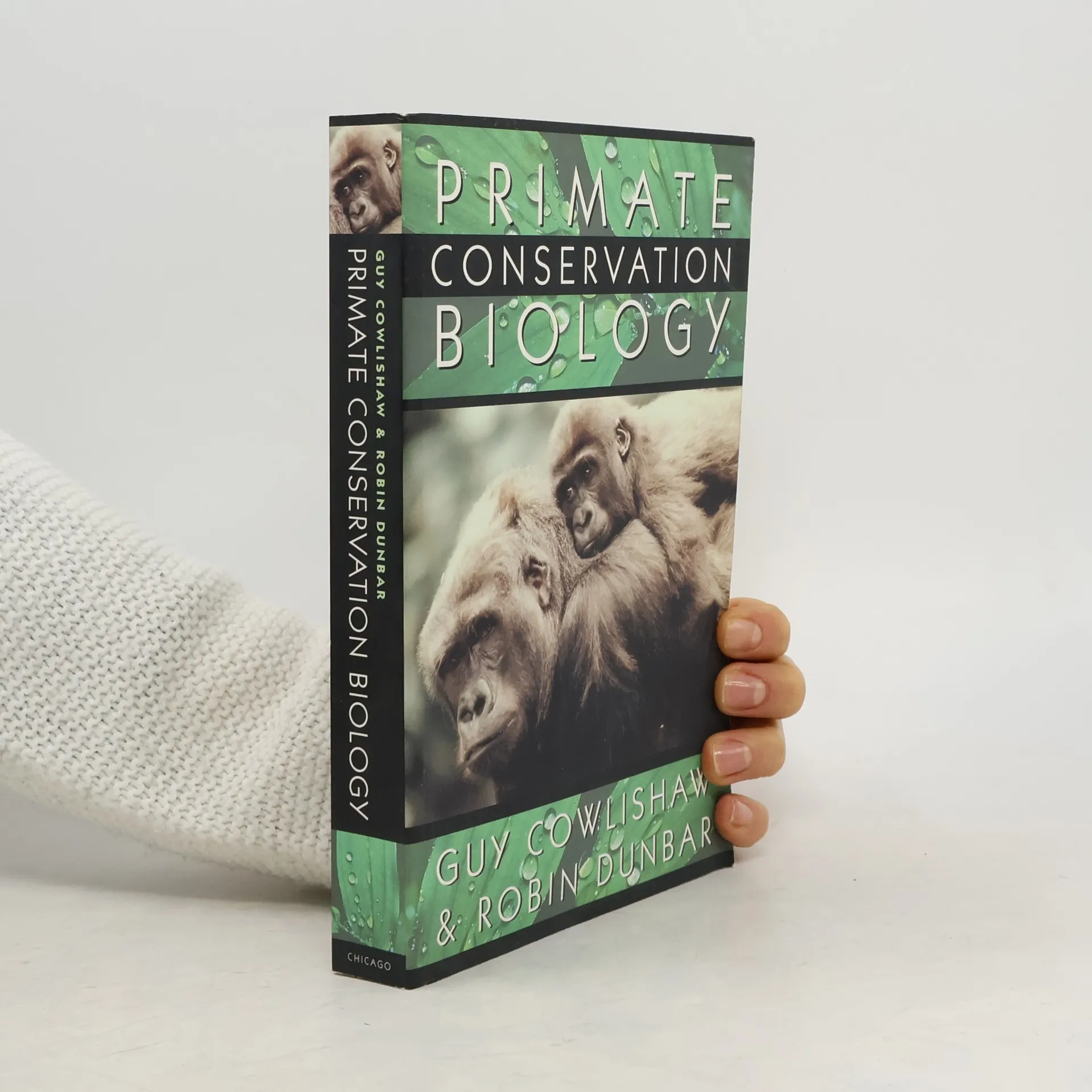
Primate Conservation Biology
- 498 Seiten
- 18 Lesestunden
From the snub-nosed monkeys of China to the mountain gorillas of central Africa, our closest nonhuman relatives are in critical danger worldwide. A recent report, for example, warns that nearly 20 percent of the world's primates may go extinct within the next ten or twenty years. In this book Guy Cowlishaw and Robin Dunbar integrate cutting-edge theoretical advances with practical management priorities to give scientists and policymakers the tools they need to help keep these species from disappearing forever.Primate Conservation Biology begins with detailed overviews of the diversity, life history, ecology, and behavior of primates and the ways these factors influence primate abundance and distribution. Cowlishaw and Dunbar then discuss the factors that put primates at the greatest risk of extinction, especially habitat disturbance and hunting. The remaining chapters present a comprehensive review of conservation strategies and management practices, highlighting the key issues that must be addressed to protect primates for the future.