Berlin: Bei Partnern noch vor dem Fest lieferbar
Bookbot

Georg Mohr

    Forgotten Genius - The Life and Games of Grandmaster Dragoljub Velimirovic
    The Exchange Sacrifice Unleashed
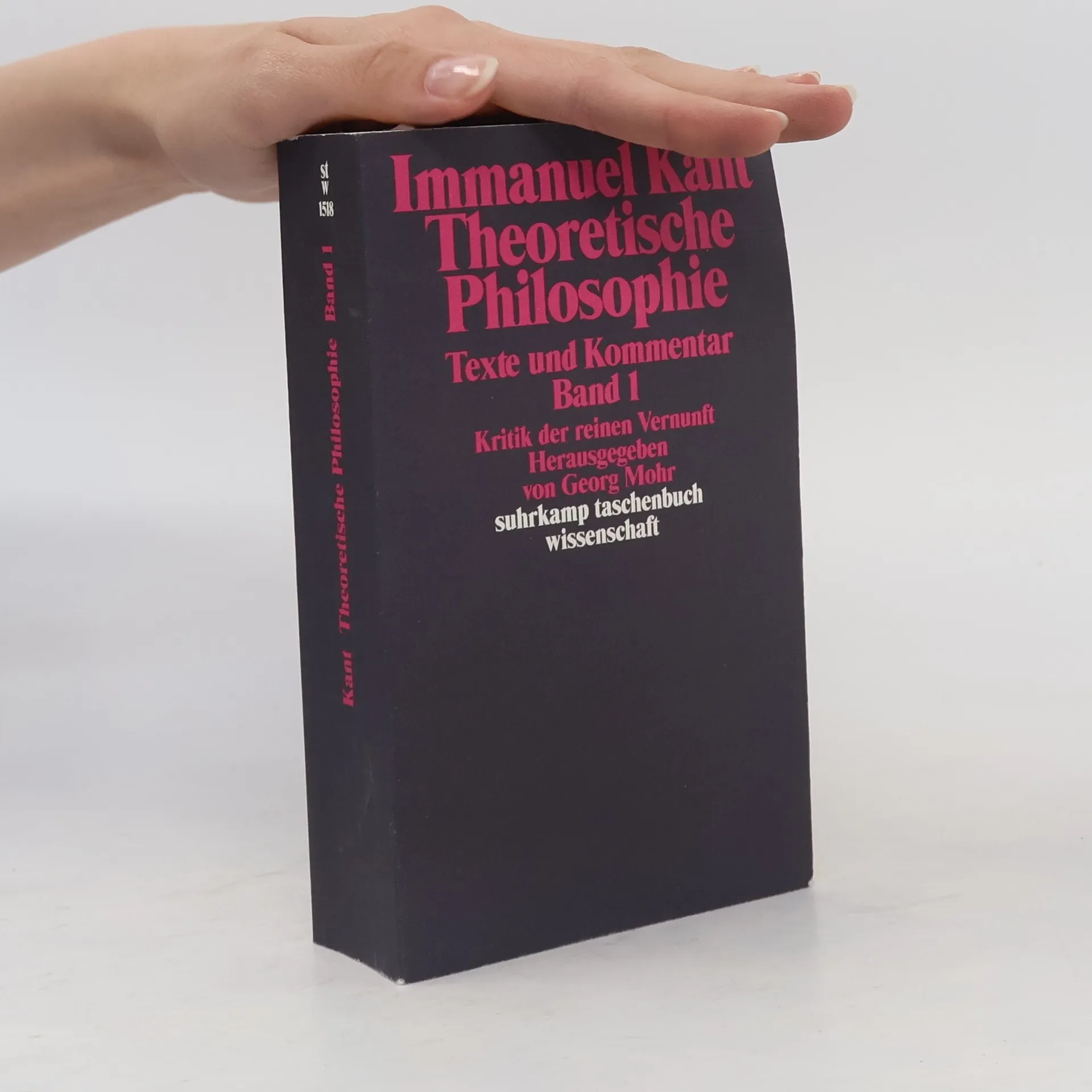
    Immanuel Kant: Kritik der reinen Vernunft
    • The book you have just started reading is about a very interesting and difficult the exchange sacrifice. This is the moment in chess when basic mathematics breaks down, the moment when 3 counts equal to or even more than 5. So let us leave the mathematics aside and try to figure out why this simple calculation is so difficult to understand. The answer is largely hidden in psychology, as the ninth World Champion, Tigran Petrosian, has often told us, as the man who brought this strategic-tactical chess concept to its first peak. Chess beginners were taught the value of pieces by their teachers (parents, grandparents, perhaps at school or even later in the beginners’ sections of chess clubs). We explain the difference between piece values to children in the simplest way possible, with the help of a unit of measurement, and in chess those units are the pawns. They tell us that a rook is worth five pawns (units) and a knight and a bishop are worth about three each. They also tell us to always be careful, especially during exchanges, to ensure we take at least as much from our opponent as he or she took from us. So, one rook at a time, perhaps for a bishop and a knight next to two pawns. This “chess thinking” is done quickly and very strongly subconsciously in most, one could even say all. Therefore, when choosing moves, we will automatically reject unfavorable exchanges. But who trades a queen for a knight, a bishop for a pawn, and the like? We know from our own life experience that it is better to have ten coins in our pocket than three, and I prefer three to one! This psychological barrier is the most difficult step in making the decision to sacrifice. And so it is with the sacrifice of an exchange. Five for three, that is! Even five for four, if we get a pawn for the rook along with the knight or the bishop. “I am not stupid,” you think. The Exchange Sacrifice Unleashed brings different games or coaches try to explain this and that to us, we see that a material advantage is not always something to celebrate about.

      The Exchange Sacrifice Unleashed
    • Dragoljub Velimirovic was a former Yugoslav - Serbian, chess grandmaster whose international career was handicapped by political intrigues and his outspoken temperament. During the heyday of the USSR as the greatest national chess power, the former Yugoslavia was capable of running the Soviet Union a good second. Dragoljub Velimirovic posed a real threat to the men from Moscow. Velimirovic was born in 1942 to a prominent family from Valjevo, in the former Yugoslavia. He was introduced to chess at the age of seven by his mother, Jovanka Velimirovic, one of Yugoslavia's leading female chess players. He died at the age 72, being one of the last players to develop a system or strategy that is so inventive it bears its creator's name. It is a feat that is unlikely to be repeated in the modern era, when computer-based games and databases so thoroughly dominate competition that it is almost impossible to come up with something new. That does not mean that players were more talented or courageous in the decades when Velimirovic was in his prime. Velimirovic, who became a grandmaster in 1973, was never among the 20 top-ranked players in the world. And that was when there were only 200 or so grandmasters; today, there are about 2,400.

      Forgotten Genius - The Life and Games of Grandmaster Dragoljub Velimirovic