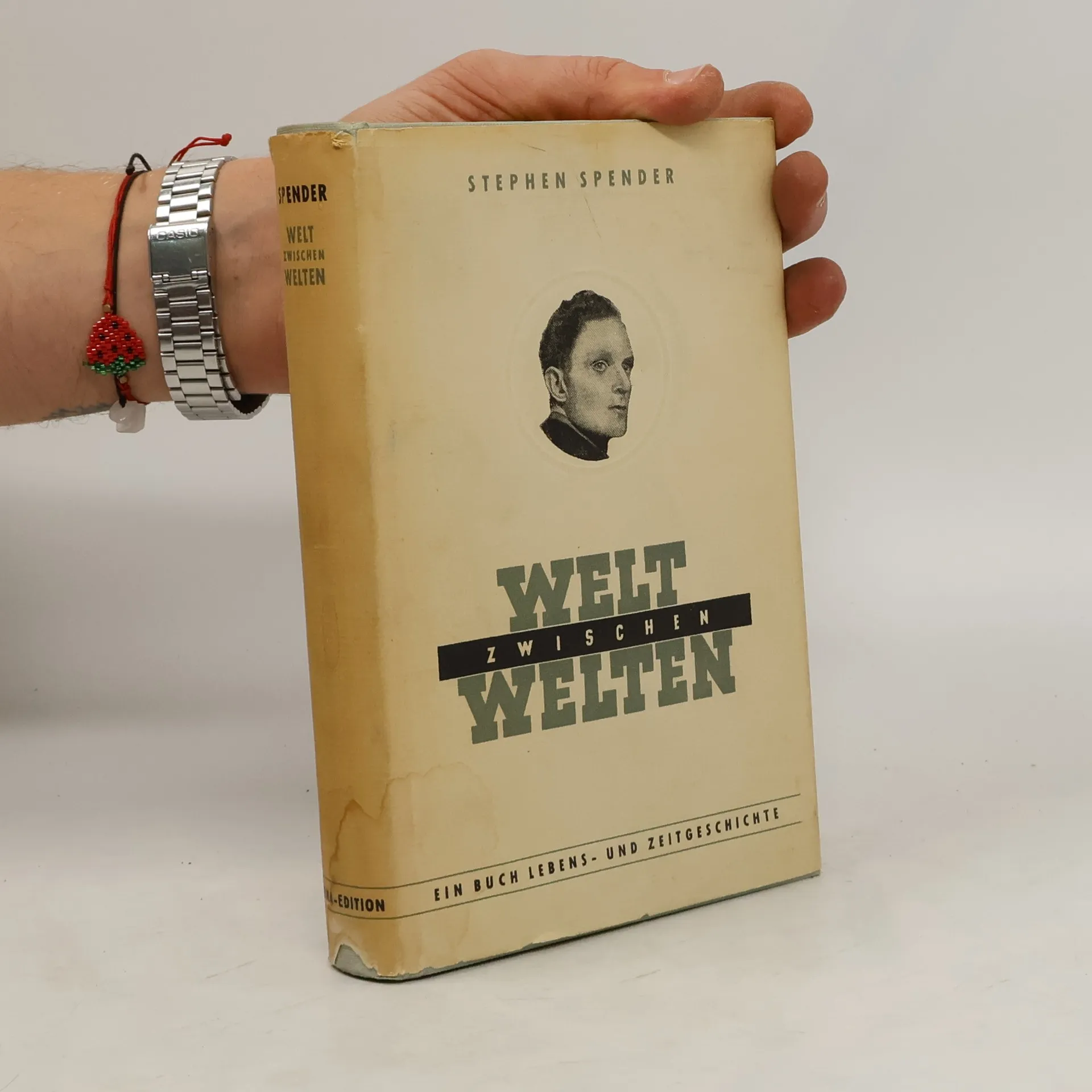
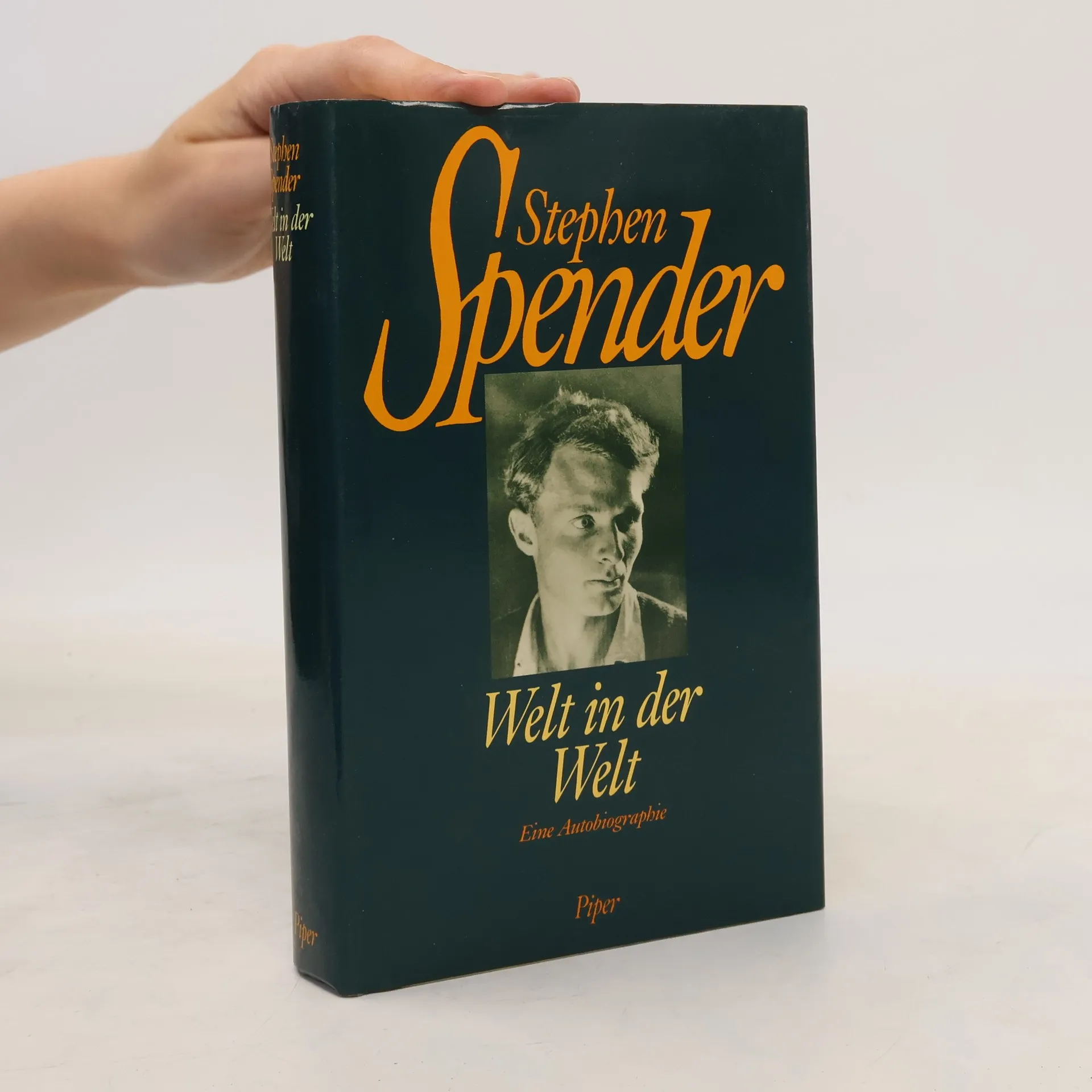
Fast seit seinem ersten Erscheinen im Jahr 1951 gilt dieses Buch als eine der aufschlussreichsten literarischen Autobiografien, die aus den 1930er und 1940er Jahren hervorgegangen sind. Der Autor beschäftigt sich in seinem Schreiben mit den Themen Liebe, Poesie, Politik, dem Leben der Literatur, Kindheit, Reisen und der Entwicklung bestimmter Haltungen zu moralischen Problemen. Er verknüpft diese persönlichen Themen mit dem Hintergrund öffentlicher und privater Ereignisse in dieser Lebensphase. Dieses Buch bietet einen intimen und tief empfundenen Kommentar zur Beziehung zwischen Literatur und Politik in England und Deutschland während dieser Jahre. Im Verlauf des Buches werden Porträts von Virginia Woolf, W.B. Yeats, T.S. Eliot, Lady Ottoline Morrell, W.H. Auden, Christopher Isherwood und anderen präsentiert.
Stephen Spender Bücher
Stephen Spender schuf leidenschaftliche und lyrische Verse, durchdrungen von der Bildsprache der modernen Industrielandschaft und doch von intensivem persönlichem Gehalt. Seine Schriften tauchen tief in das politische und soziale Klima seiner Zeit ein, insbesondere in die 1930er Jahre, und bieten aufschlussreiche literarische und soziale Kritiken. Spender war zudem ein großzügiger Förderer aufstrebender Talente und war maßgeblich an der Mitbegründung von Index on Censorship beteiligt, einer Organisation, die sich für die Meinungsfreiheit verfolgter Schriftsteller weltweit einsetzt.

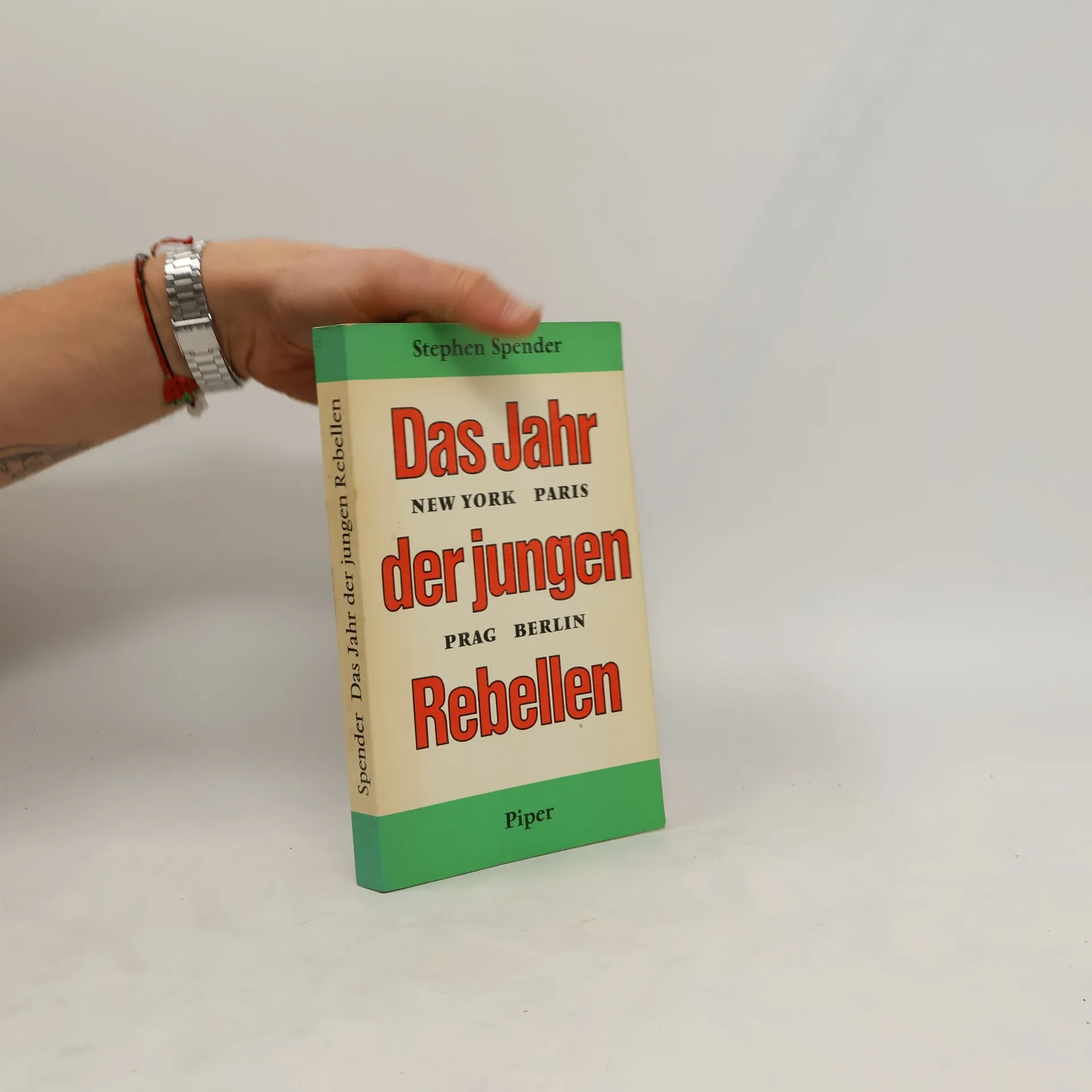
Deutschland in Ruinen
- 287 Seiten
- 11 Lesestunden
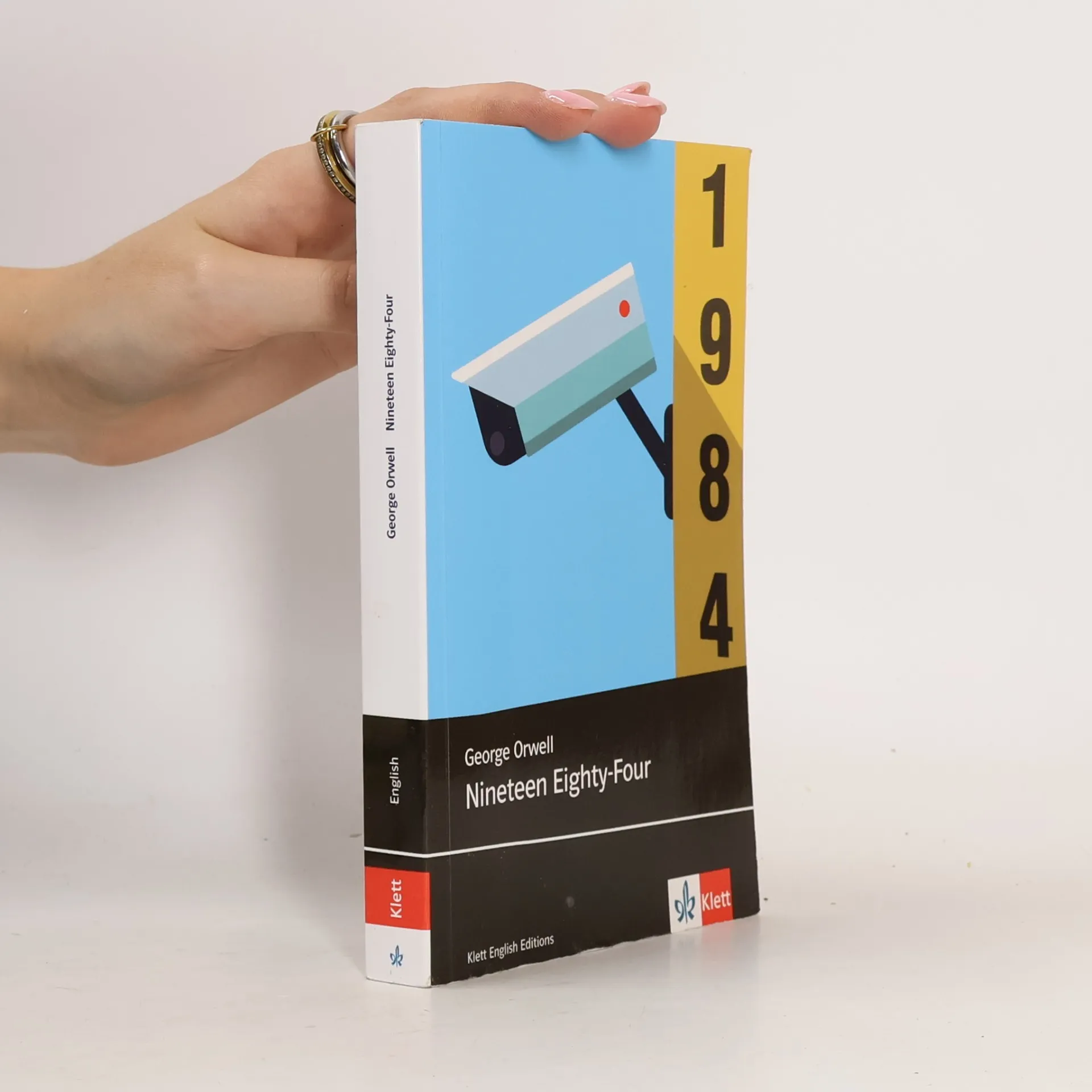
Englische Literatur in Reclams Roter Reihe: das ist der englische Originaltext – ungekürzt und unbearbeitet mit Worterklärungen am Fuß jeder Seite, Nachwort und Literaturhinweisen. George Orwells dystopischer Roman von 1949 gehört zu den wichtigsten Werken des 20. Jahrhunderts. Der Beamte Winston Smith hält in seinem geheimen Tagebuch die Lebensumstände in der Überwachungsdiktatur Ozeanien fest. Als er mit seiner jungen Kollegin Julia eine Affäre beginnt und die beiden Kontakt zu einer Untergrundorganisation aufnehmen, die der Herrschaft des »Großen Bruders« ein Ende bereiten will, nimmt das Verhängnis seinen Lauf. Ein Klassiker, der im 21. Jahrhundert wieder hochaktuell scheint. Englische Lektüre: Niveau B2–C1 (GER)
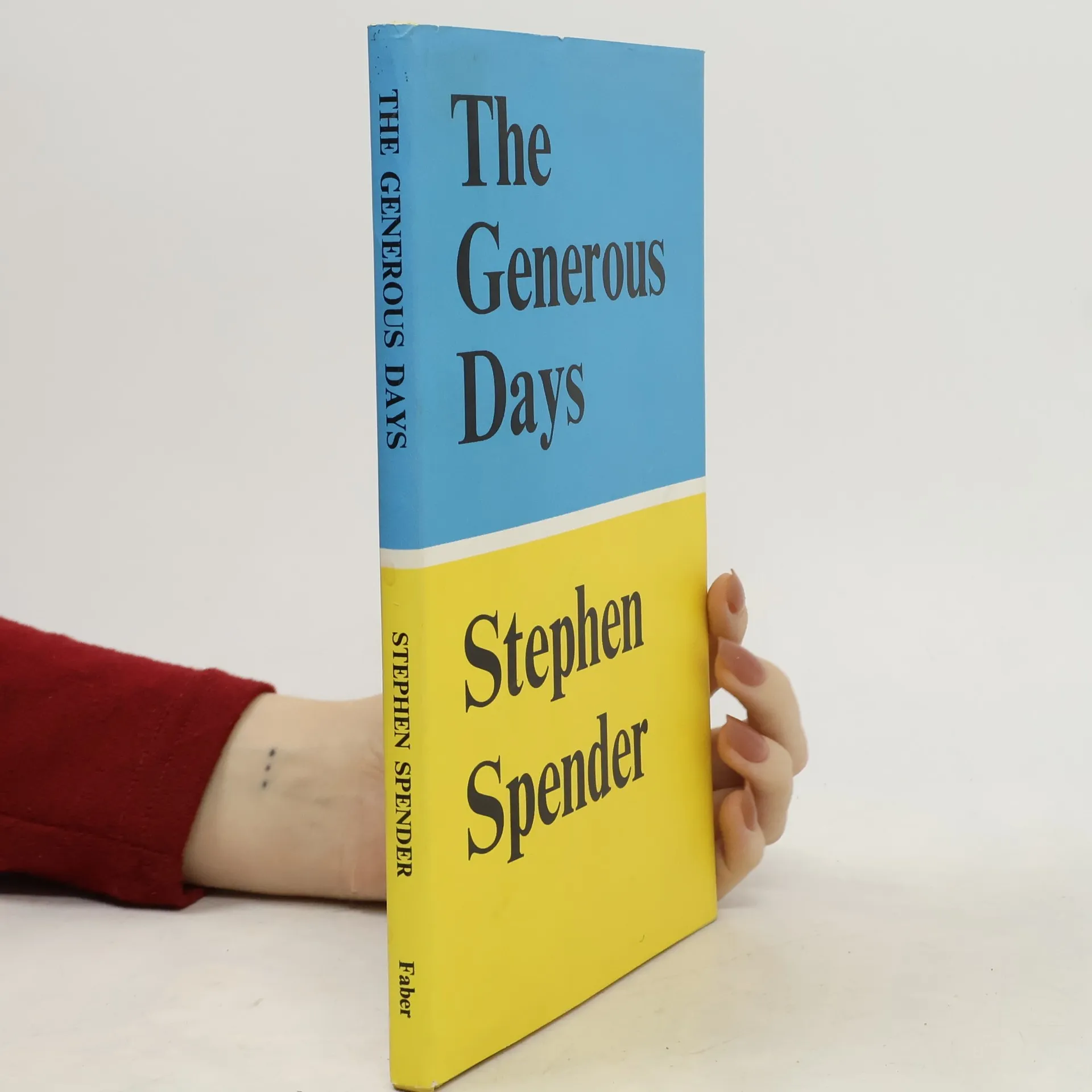
1971 First American Edition.THE GENEROUS DAYS. Please view our other rare books by famous Poetry Artists.
China Diary
- 200 Seiten
- 7 Lesestunden
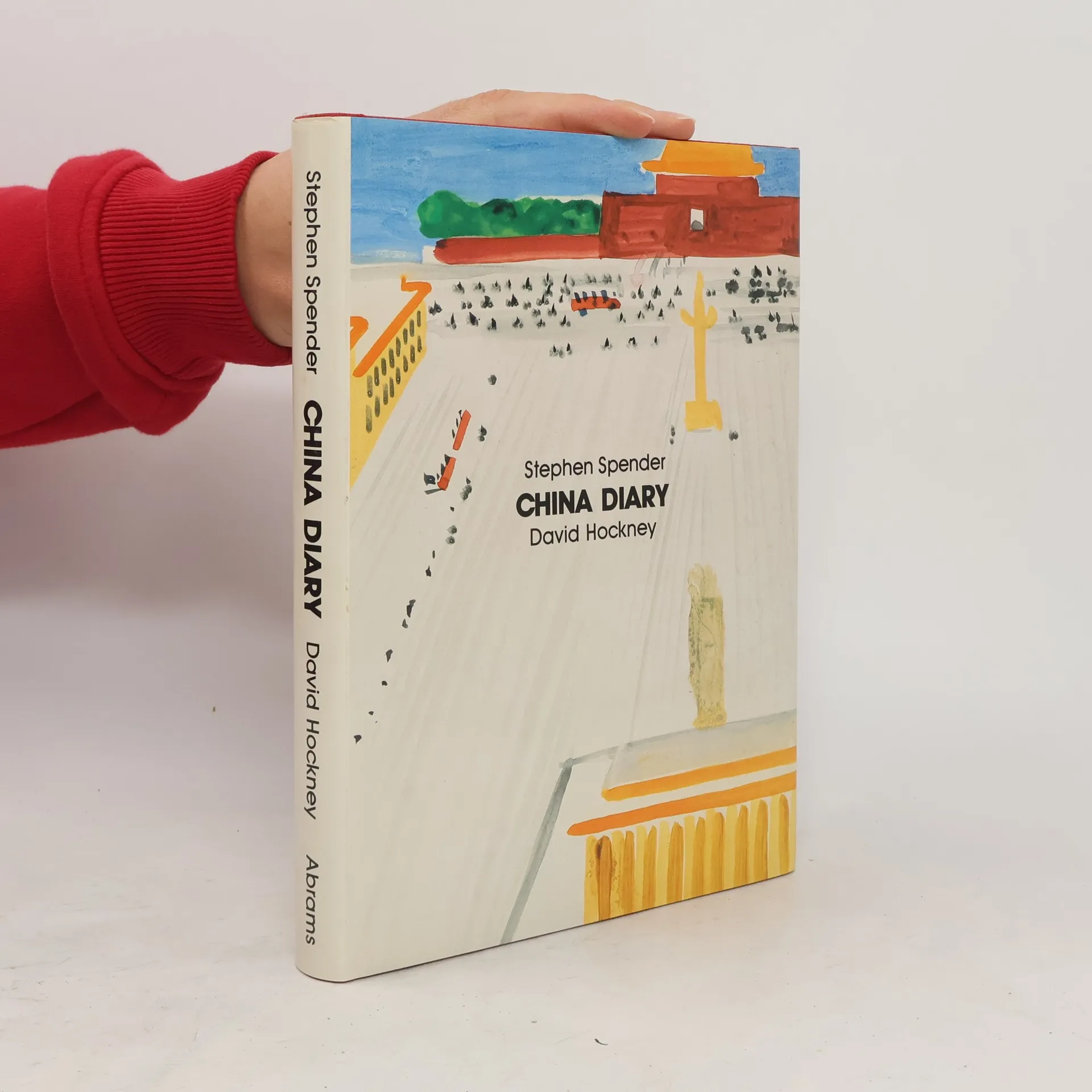
Stephen Spender and David Hockney's illustrated diary of the trip they took together to China takes in not just the famous sites - the Great Wall, the Temple of the jade Buddha, the magical landscape of Kweilin but the unexpected incidents of everyday Chinese life. And both discuss their meetings with contemporary Chinese poets and painters. Hockney's photographs, drawings and watercolours are a unique revelation of China, while Spender discourses in rich prose. Together they provide a glimpse of this ever-mysterious land.
Collected Poems 1928-1985
- 256 Seiten
- 9 Lesestunden
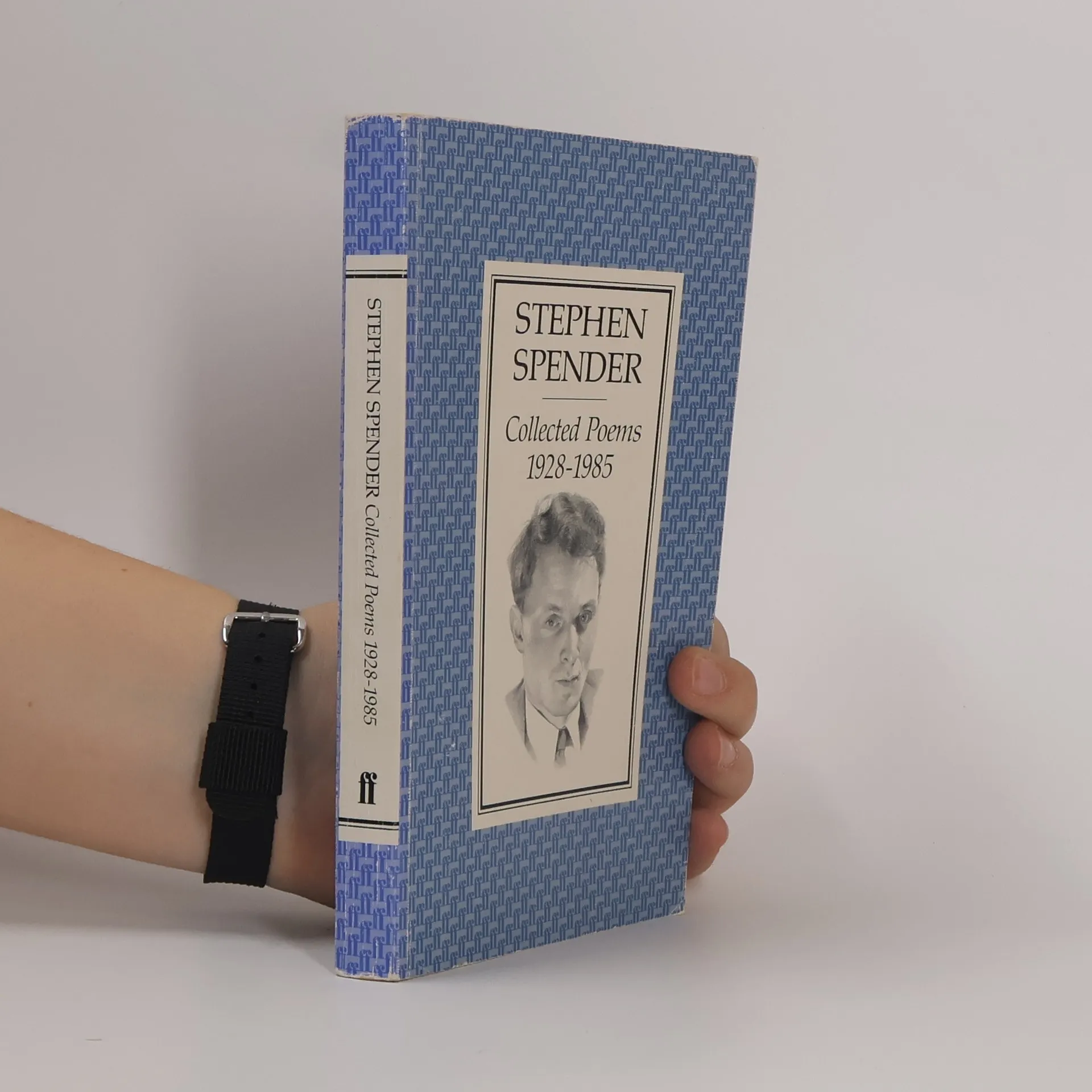
For the revised and enlarged edition of his collected poems - reissued to celebrate his 80th birthday - Stephen Spender has made considerable changes from the text of the original edition of 1955. He has included a number of recent and unpublished poems, discarded several others and recast and rewritten much of the work in the earlier collection.
A central figure in the political and cultural life of our time for over fifty years, Sir Stephen Spender has witnessed and participated in some of this century's most significant events and has known many of its most interesting and gifted individuals. Having kept journals intermittently for most of this time, Spender has recorded his vivid observations and reflections on the scenes he has witnessed, portrayed his friends and acquaintances--including W.H. Auden, T.S. Eliot, Christopher Isherwood, Igor Stravinsky, Francis Bacon, David Hockney, and many others--and set down his ideas, hopes, aims, and regrets. This first paperback edition of Stephen Spender's journals makes for constantly entertaining and illuminating reading. One comes away from this fascinating inside look at one man's extraordinary life full of admiration for his vitality, his enduring interest in others, and his remarkable honesty about himself.
Life and the Poet. --
- 136 Seiten
- 5 Lesestunden
This work has been selected by scholars as being culturally important and is part of the knowledge base of civilization as we know it. This work is in the public domain in the United States of America, and possibly other nations. Within the United States, you may freely copy and distribute this work, as no entity (individual or corporate) has a copyright on the body of the work. Scholars believe, and we concur, that this work is important enough to be preserved, reproduced, and made generally available to the public. To ensure a quality reading experience, this work has been proofread and republished using a format that seamlessly blends the original graphical elements with text in an easy-to-read typeface. We appreciate your support of the preservation process, and thank you for being an important part of keeping this knowledge alive and relevant.
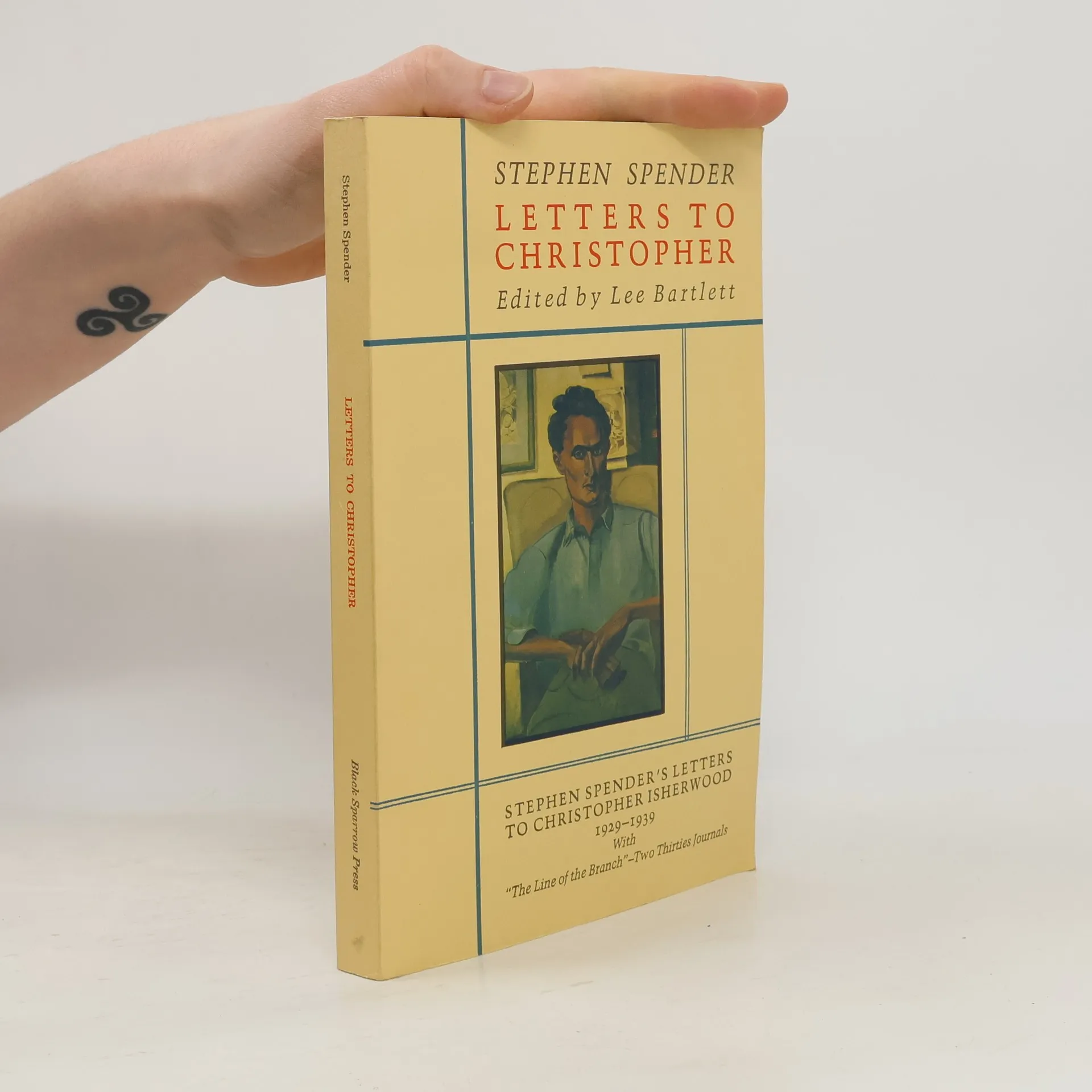
Letters to Christopher
- 219 Seiten
- 8 Lesestunden
Letters from the poet to the novelist discuss Spender's work, travel experiences, meetings with other literary figures, emotional problems, and opinions on literature
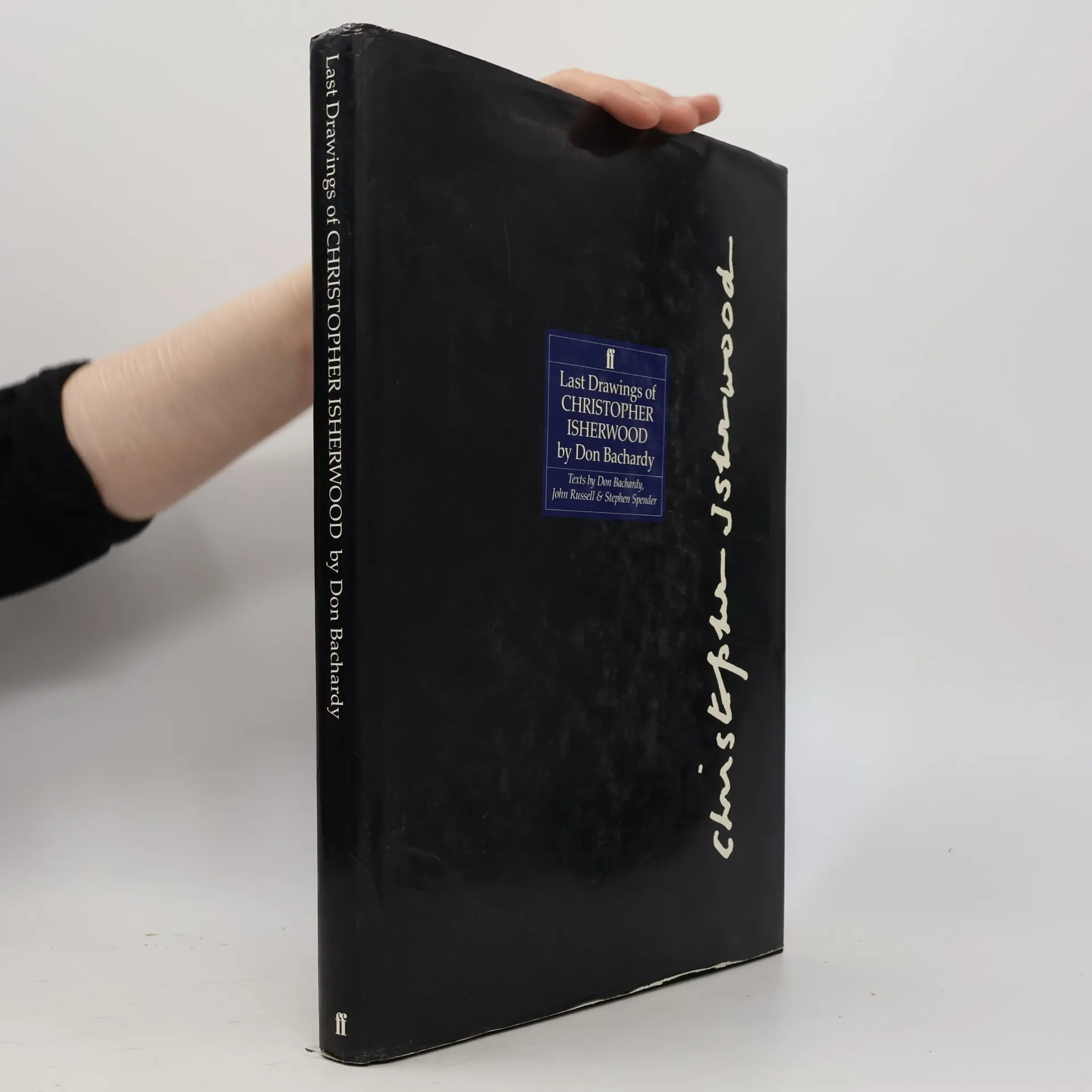
Last Drawings of Christopher Isherwood
- 128 Seiten
- 5 Lesestunden
The artist Don Bachardy lived with Isherwood for more than 30 years and during Isherwood's last illness Bachardy drew him almost every day - sometimes several times a day. The 100 drawings from this period are published here alongside Bachardy's journal and an interview with Stephen Spender.
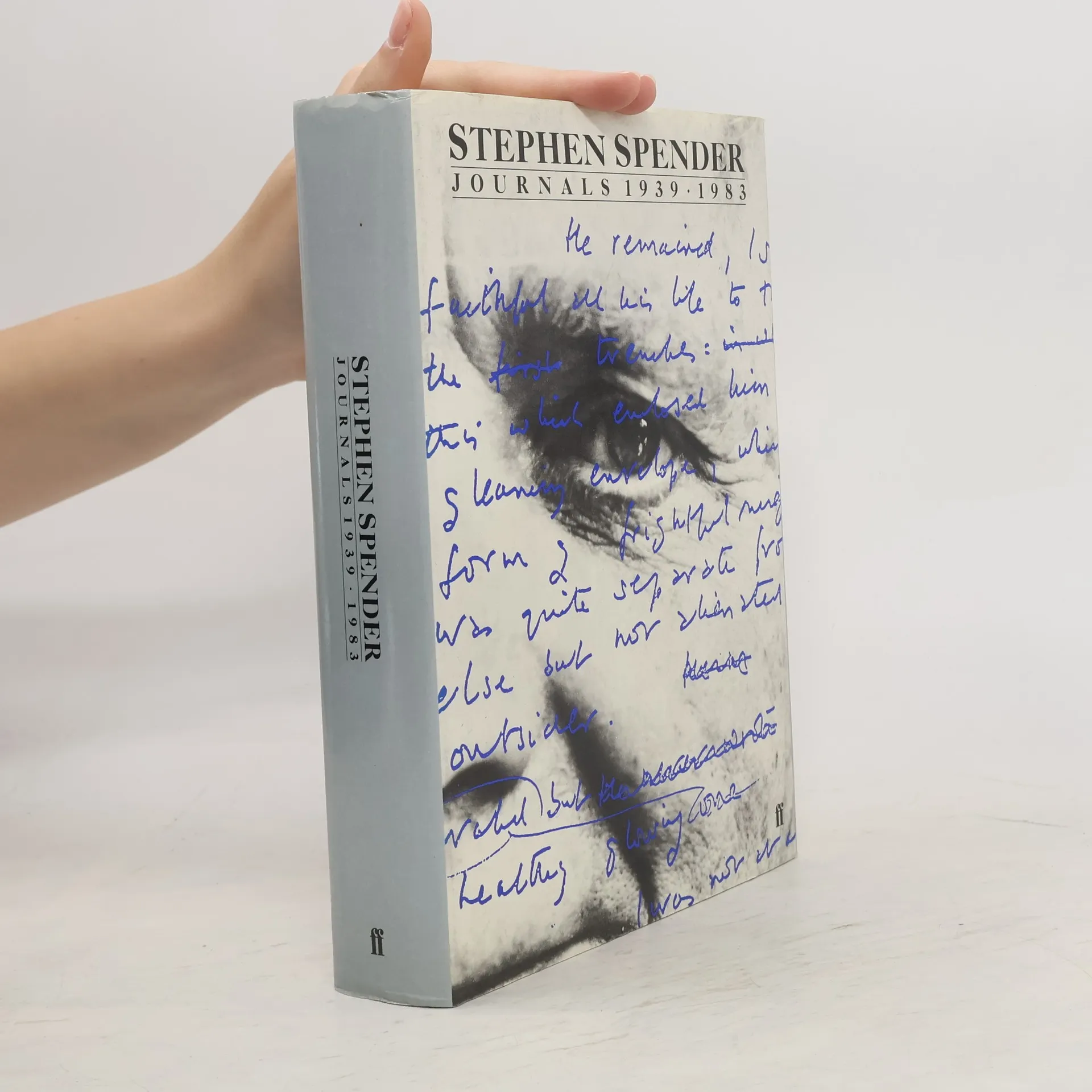
Journals, 1939-83
- 510 Seiten
- 18 Lesestunden
A central figure in the political and cultural life of our time for over fifty years, Sir Stephen Spender has witnessed and participated in some of this century's most significant events and has known many of its most interesting and gifted individuals. Having kept journals intermittently for most of this time, Spender has recorded his vivid observations and reflections on the scenes he has witnessed, portrayed his friends and acquaintances—including W.H. Auden, T.S. Eliot, Christopher Isherwood, Igor Stravinsky, Francis Bacon, David Hockney, and many others—and set down his ideas, hopes, aims, and regrets. This collection of Stephen Spender's journals offers an entertaining and illuminating look at one man's extraordinary life, showcasing his vitality, enduring interest in others, and remarkable honesty about himself.
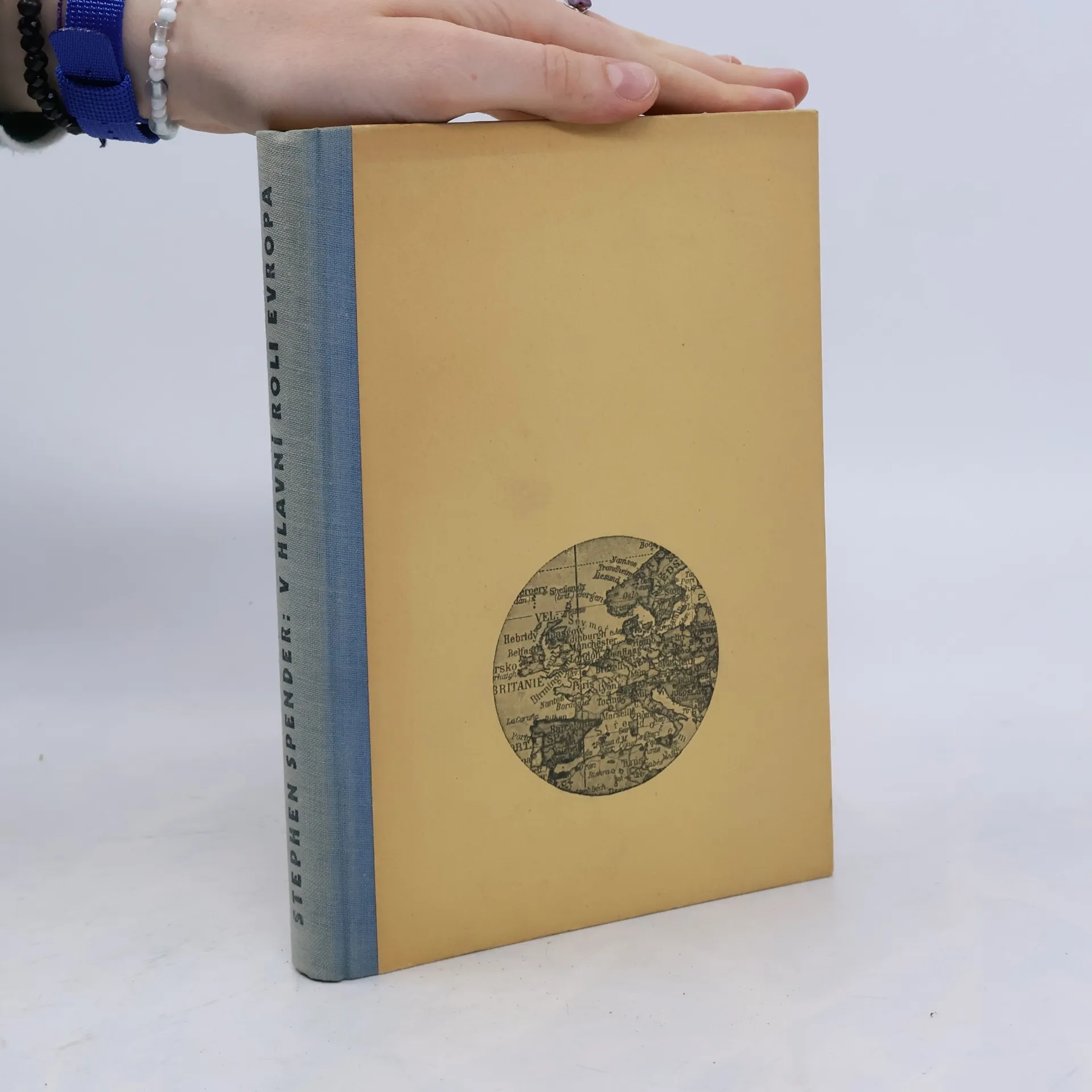
Kniha o poválečném Německu, kterou Stephen Spender napsal po své cestě do Německa v létě 1945.