The City Inside Us
- 192 Seiten
- 7 Lesestunden


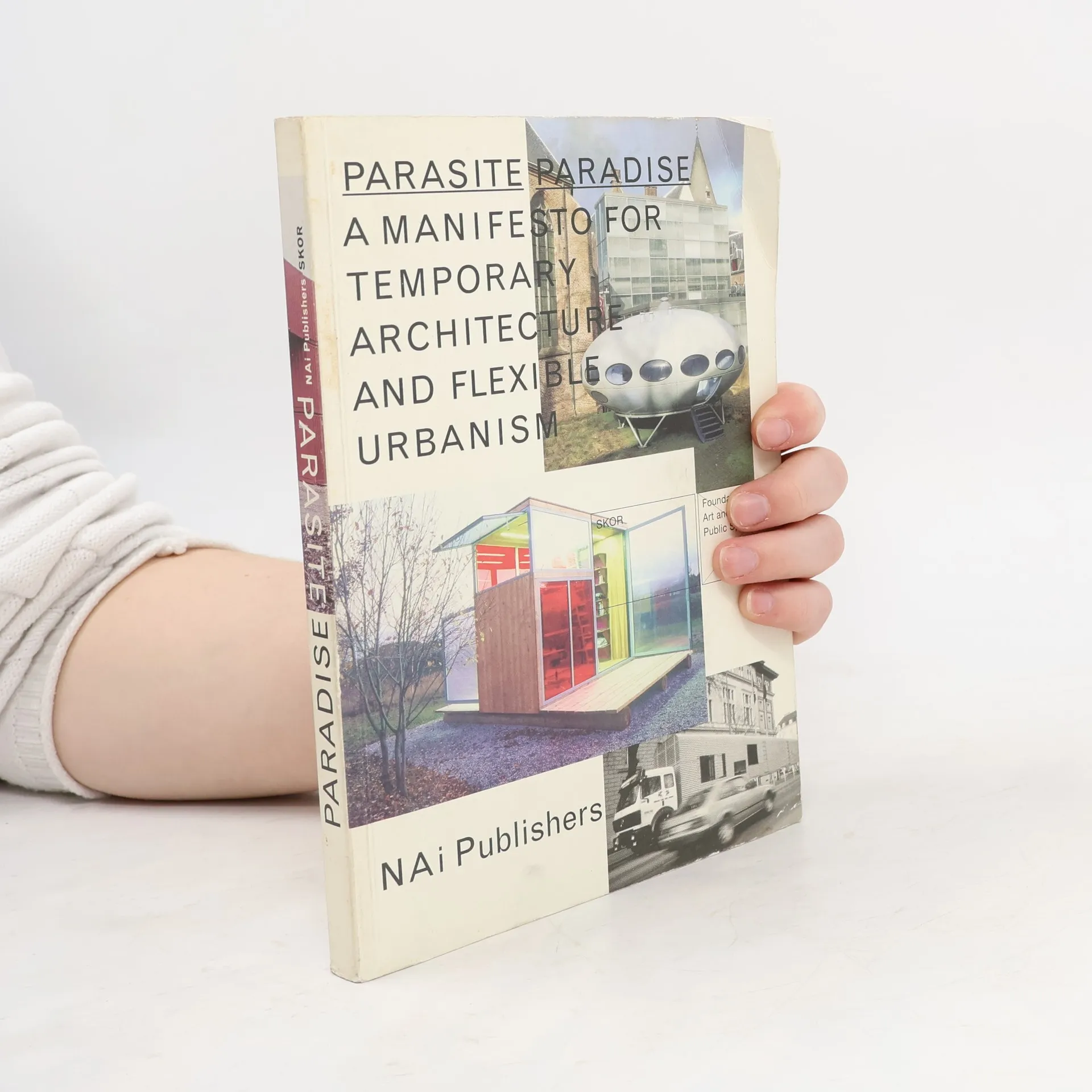

A Manifesto for Temporary Architecture and Flexible Urbanism
Parasites are flexible and temporary structures, designed by artists or architects, that feed off of existing infrastructure. Parasite Paradise documents 23 projects that respond on their own terms to new and unforeseen demands. Many of these parasites have settled in the government-designated "Vinex" district of Leidsche Rijn near Utrecht, turning a district almost exclusively concerned with dwelling into a more urban entity. What do these small, mobile architectural interventions mean for our strictly regulated society and for the planning of architecture and urbanism? What sense (or nonsense) is there in mobile architecture from a historical perspective? How much of it is art and how much is architecture? Parasite Paradise encourages us to consider a new approach to planning, one where not everything is fixed beforehand. This makes it required reading for architects, urban planners, and artists whose concern is designing urban space. With projects by Shigeru Ban, Atelier van Lieshout, Vito Acconci, Alicia Framis, Dominique Gonzalez-Foerster & Martial Galfione, Kathrin B+hm & Stefan Saffer with Andreas Lang, Attila Foundation, Winter/H+rbelt, and others.
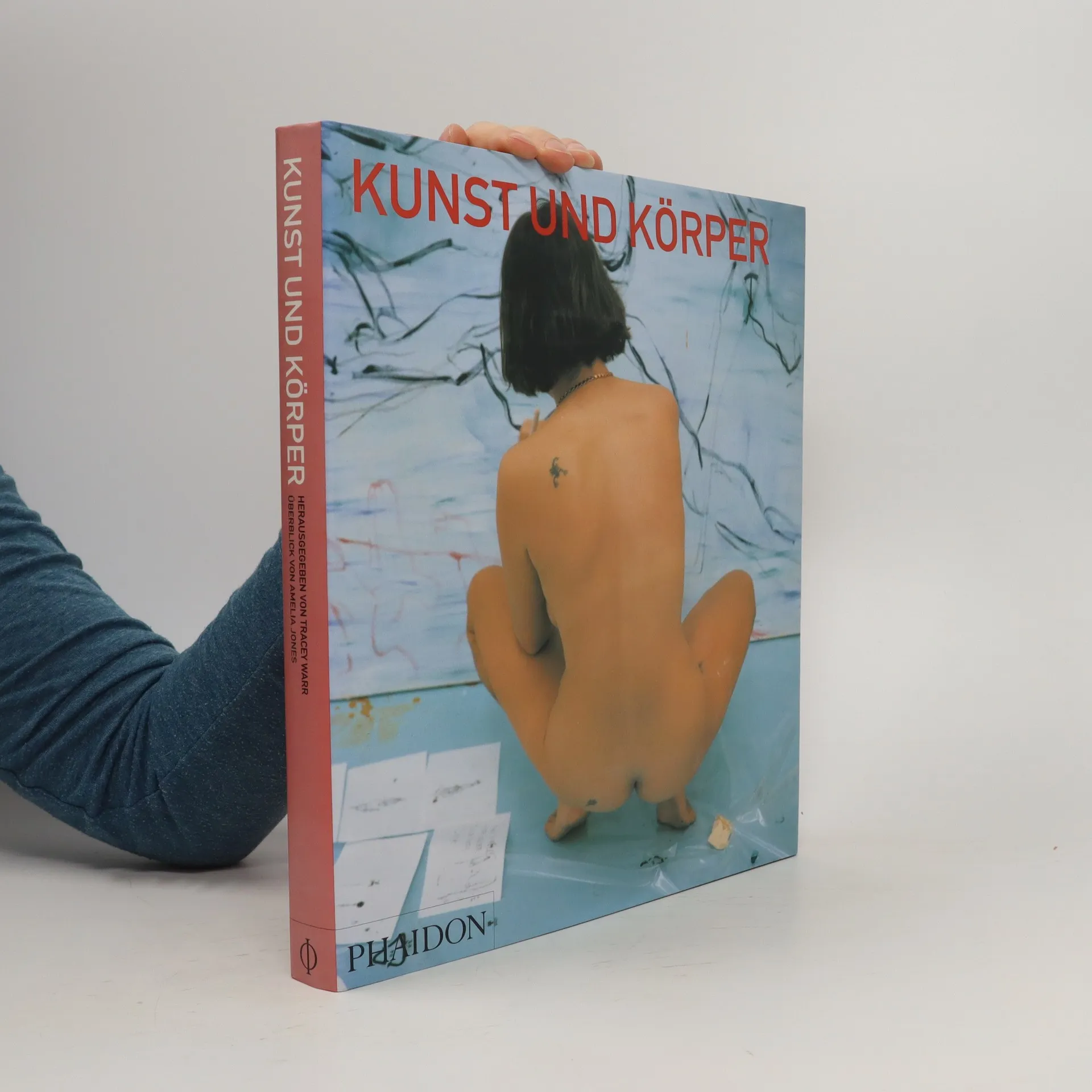
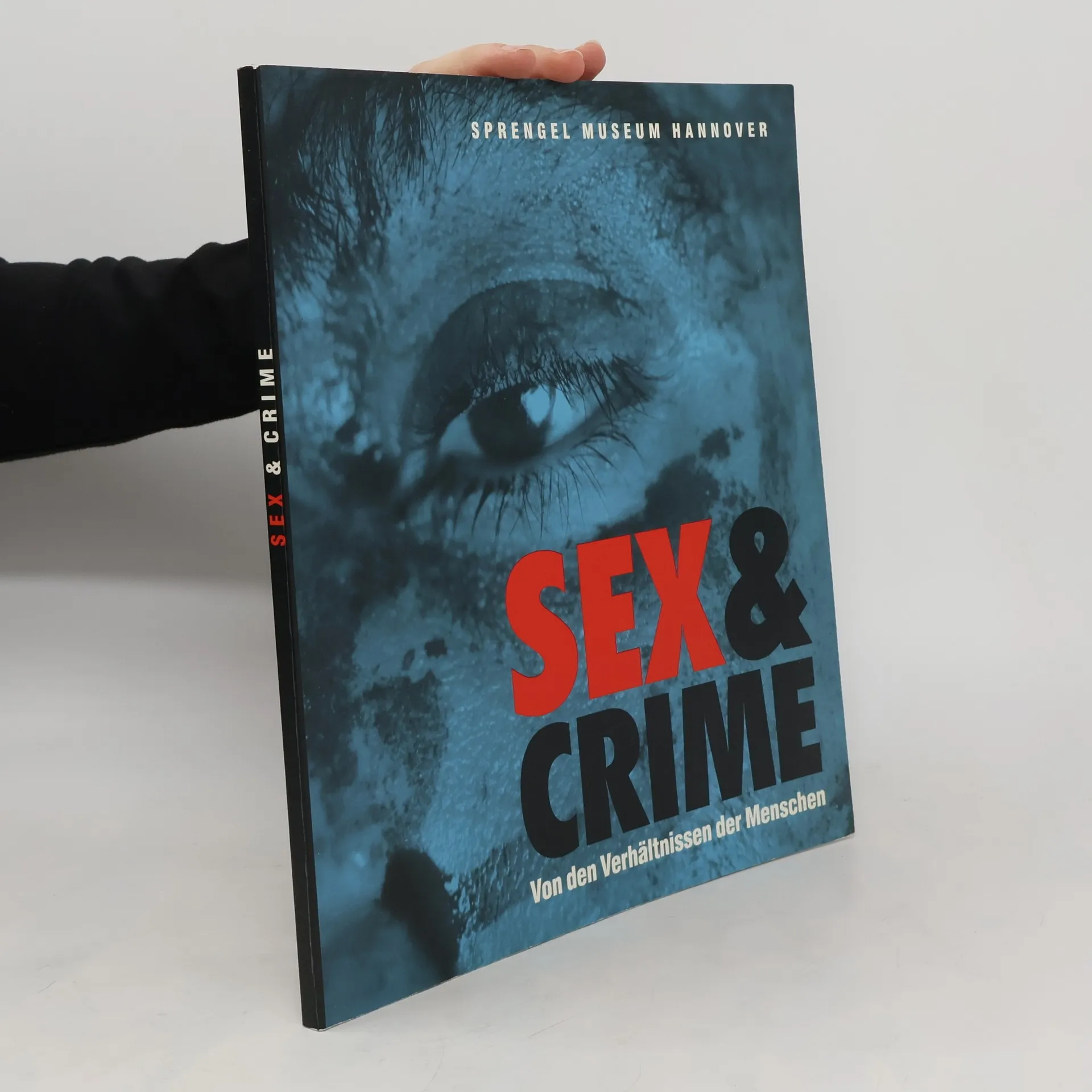
Seit den 1950er Jahren haben Künstler immer stärker ihren Körper als Gegenstand und Material für das schöpferische Schaffen eingesetzt; so entstanden neue Ausdrucksformen wie Body Art, Happenings, Performance und Life Art Auf über 250 Bildern vereint dieser Band erstmalig die weitgehend unerforschte Geschichte dieser oft extremen und kontroversen Kunstwerke
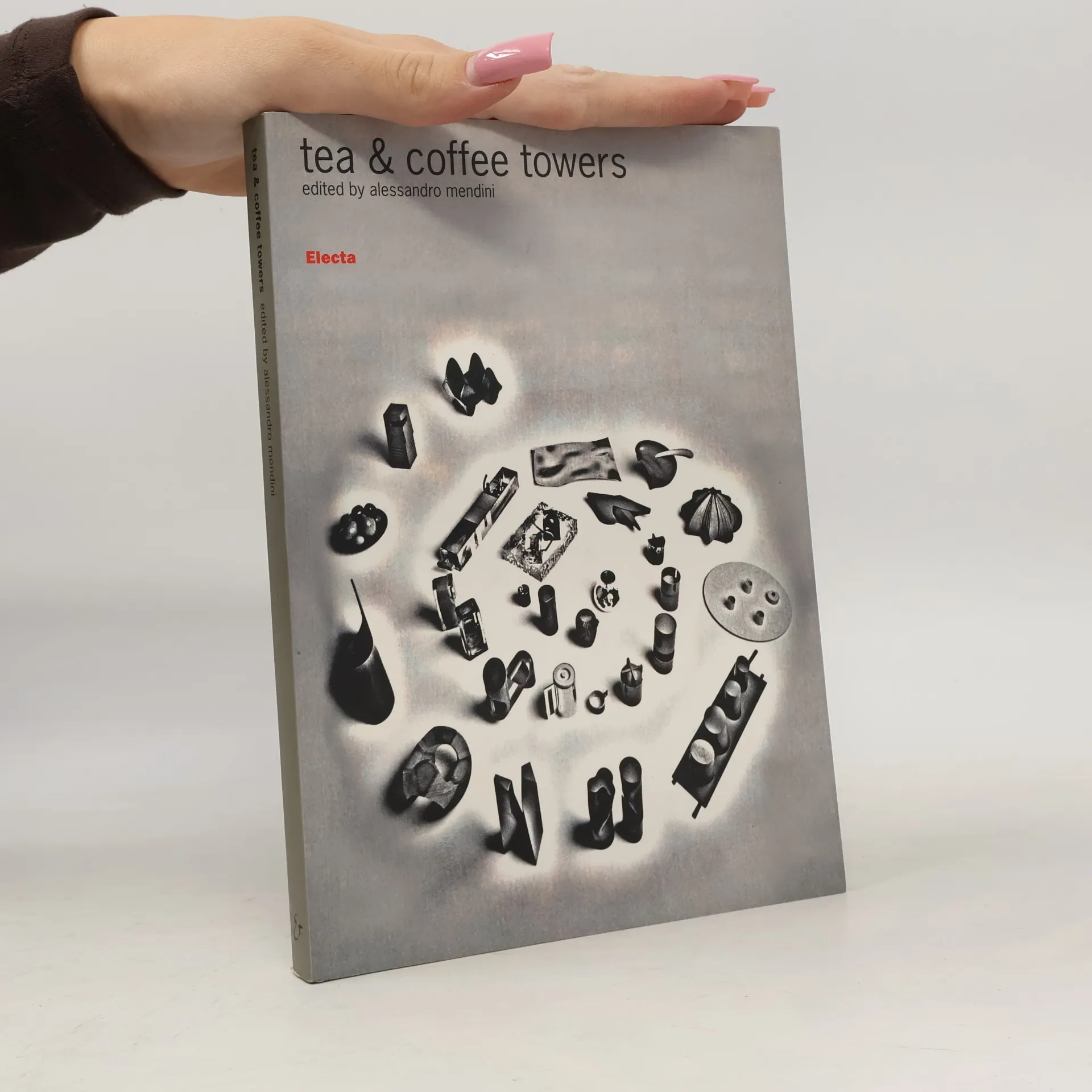
This book presents the outcome of a research project begun in 2000, the project was completed in the first half of 2003 with the realisation of 22 designs and the production of a limited run of 20 tea and coffee sets.
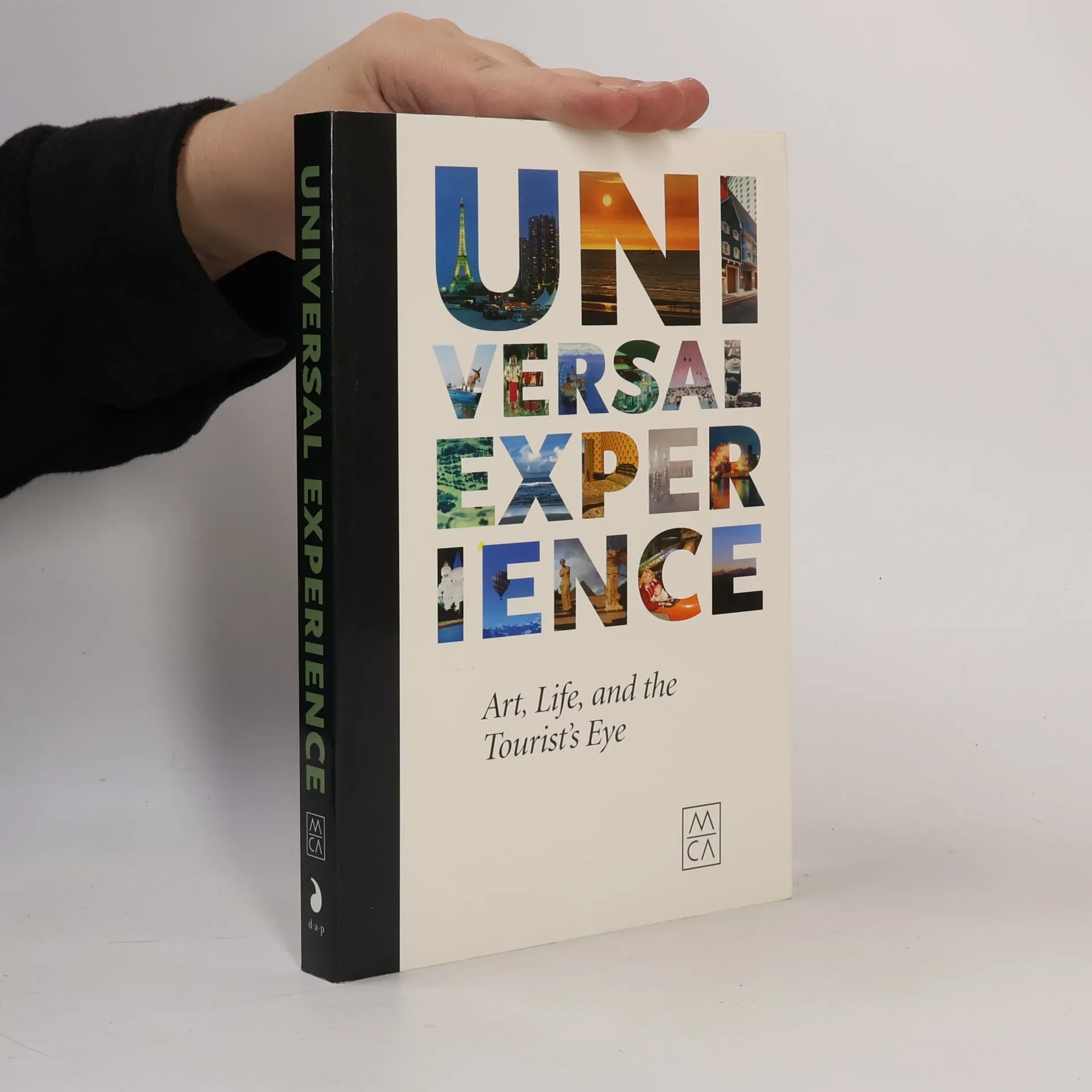
"Tourism, the largest industry in the world, is a significant force in contemporary society, with far-reaching economic, cultural, and geopolitical importance. Rather than seeking to represent tourism or travel itself, Universal Experience: Art, Life, and the Tourist's Eye considers art, history, and the social construction of places, spaces, and identities from the heightened perception of the tourist. Functioning as a guide book, a reader, and a souvenir, this lavish catalogue of the exhibition presents over 275 illustrations of thought-provoking artworks as icons and as tourist sites for exploration. A wide-ranging anthology of texts presents divergent routes and avenues through which to explore the symbols and cultural conventions created, deciphered, and disseminated by an increasingly mobile, international group of artists."--Jacket
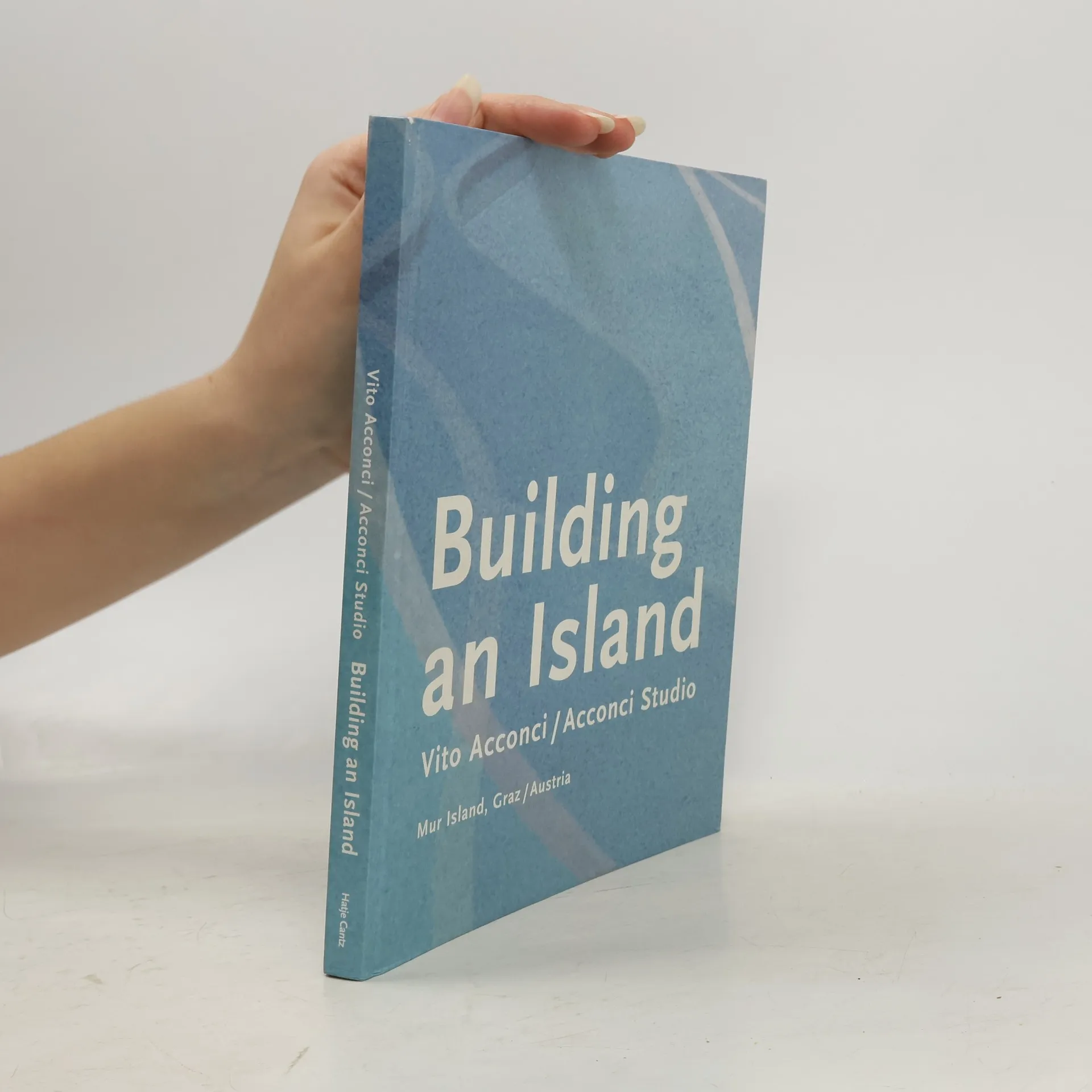
It seems as if a UFO has landed in the middle of Graz: an organic form, evoking a half shell or a snail's shell, is floating on the Mur river as an artificial island, connected by piers to both river banks. The steel construction was designed by the architect-artist Vito Acconci, based on a concept by Robert Punkenhofer, a native of Graz, and realized within the scope of "Graz 2003: Cultural Capital of Europe." Acconci Island, consisting of various interlocking surfaces with flowing transitions, houses an amphitheatre, a cafa, and a playground. Large parts of its outer stainless-steel skin reflect the city; acrylic fiber, glass, steel grids, and peepholes provide a view onto the water and the banks, while the transparent materials make the building look weightless. The result is a breathtaking, technically sophisticated avant-garde piece of architecture that refuses categorization. This publication documents the different stages of design, and places sketches and computer simulations next to remarkable photographs of models as well as shots of the finished island. An interview with Vito Acconci and a presentation of the diverse work of the Acconci Studio round off the book.