
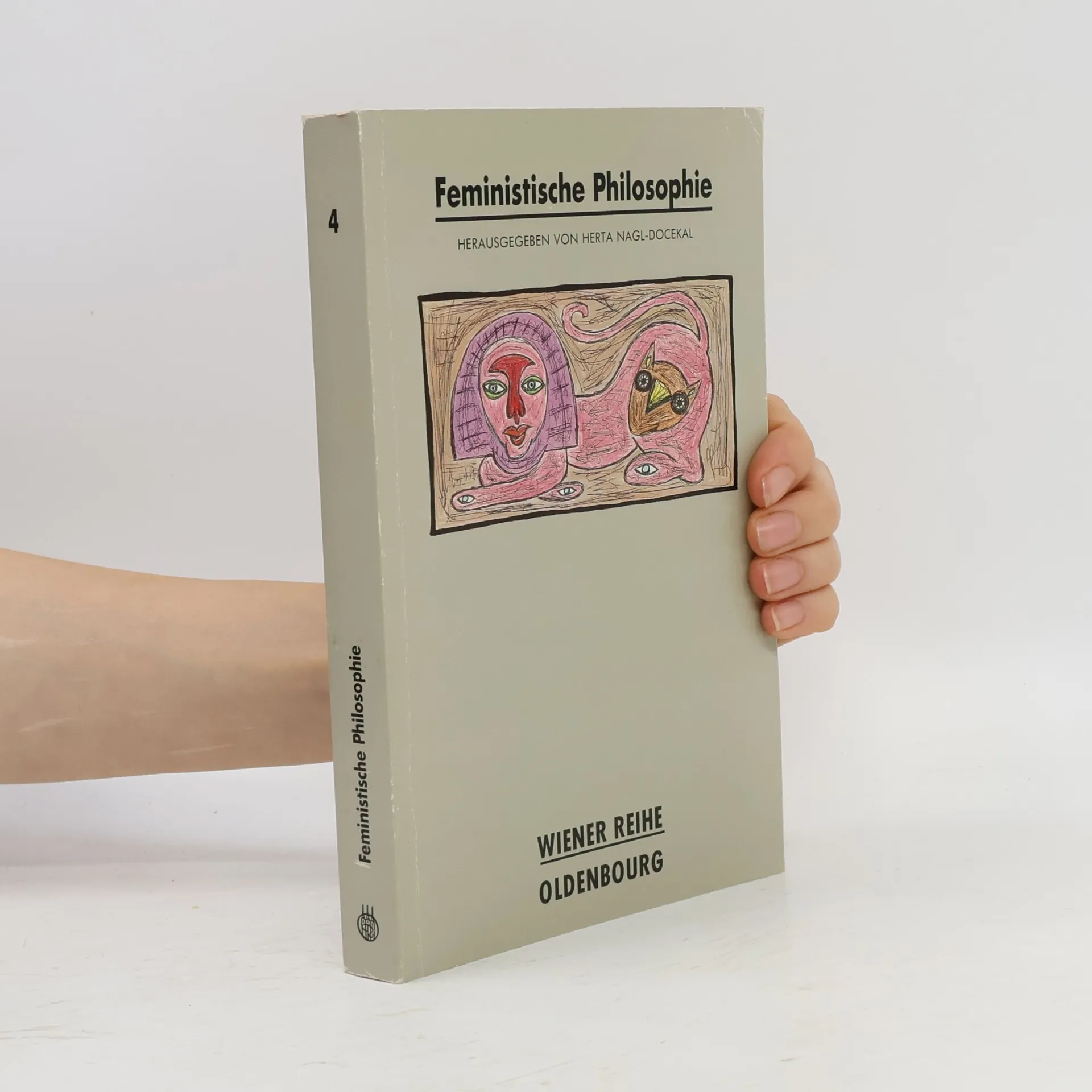
zeigt die patriarchalen Züge der Philosophiegeschichte (Kofman, Klinger, Cavarero) und die Notwendigkeit einer Transformation der einzelnen Teildisziplinen von der Wissenschaftstheorie (List) bis zur Ethik (Gould, Benhabib), Rechts- und politischen Philosophie (Schröder, Heller). Dabei steht auch zur Debatte, ob die postmoderne Subjektkritik feministisch gedeutet werden kann (Braidott, Iveković, Weisshaupt). Die Herausgeberin erläutert die wissenschaftliche Legitimitar der Feministischen Philosophie und gibt einen Oberblick über die recenten Entwicklungen. Eine Auswahlbibliographie (Klinger) beschließt den Band
Rada Ivekovic Bücher


Essay - 19: Jugoslawischer Salat
- 64 Seiten
- 3 Lesestunden
Rada Ivekovic schrieb einen sehr lebendigen, vielseitigen und sehr persönlichen Essay. Der jugoslawische Salat, den wir hier vor uns haben, ist ein Text von unglaublich großer Betroffenheit und Insistenz. In assoziativer Folge handelt der Essay von Begegnungen und Spaziergängen, von indischer Philosophie und Politik, von Heimatlosigkeit und Migration, von Schriftstellerfreunden (Dubravka Ugresic, Bogdan Bogdanovic, Dzevad Karahasan) und Städten (Paris, New York, Zagreb, Benares), von Literatur (Naipaul, Rushdie, Calvino) und Film, von Kindheitserinnerungen und Arbeitsprojekten, vom Status des Emigranten und vom Grauen des Krieges. Je schmerzhafter das Thema, desto mehr bohrt sich die Reflexion in Einzelheiten, benennt, beschuldigt, beklagt.
This collection of writings offers a nuanced analysis of nation-building mechanisms in partition contexts, focusing on both post-colonial scenarios and post-1989 transitions in Eastern Europe and the Balkans. The partition of the Indian subcontinent serves as a key reference point. The texts critically examine how narratives of nationhood often naturalize and essentialize differences and hierarchies, while mainstream histories tend to erase alternative narratives arising from shared experiences. Although the histories of nationalism and partition differ across countries, striking commonalities emerge in narrative structures, state and nation-building strategies, and patriarchal control mechanisms, particularly in how exclusive national identities are shaped through gendered representations. The analysis delves into the power dynamics inherent in state and nation-building projects, simultaneously critiquing and dismantling these power relations. However, the transformation processes across various countries occur at different speeds and within distinct historical contexts, leading to a lack of transparency and potential clashes in interpretations. The events post-1989 and at the end of the colonial era highlight these conflicts. The authors engage with these complexities, viewing the entangled processes not as a deadlock but as a challenge for both theory and practice.