Gratis Versand ab 14,99 €. Mehr Infos.
Bookbot

Maciej Gołąb

    25. Oktober 1952
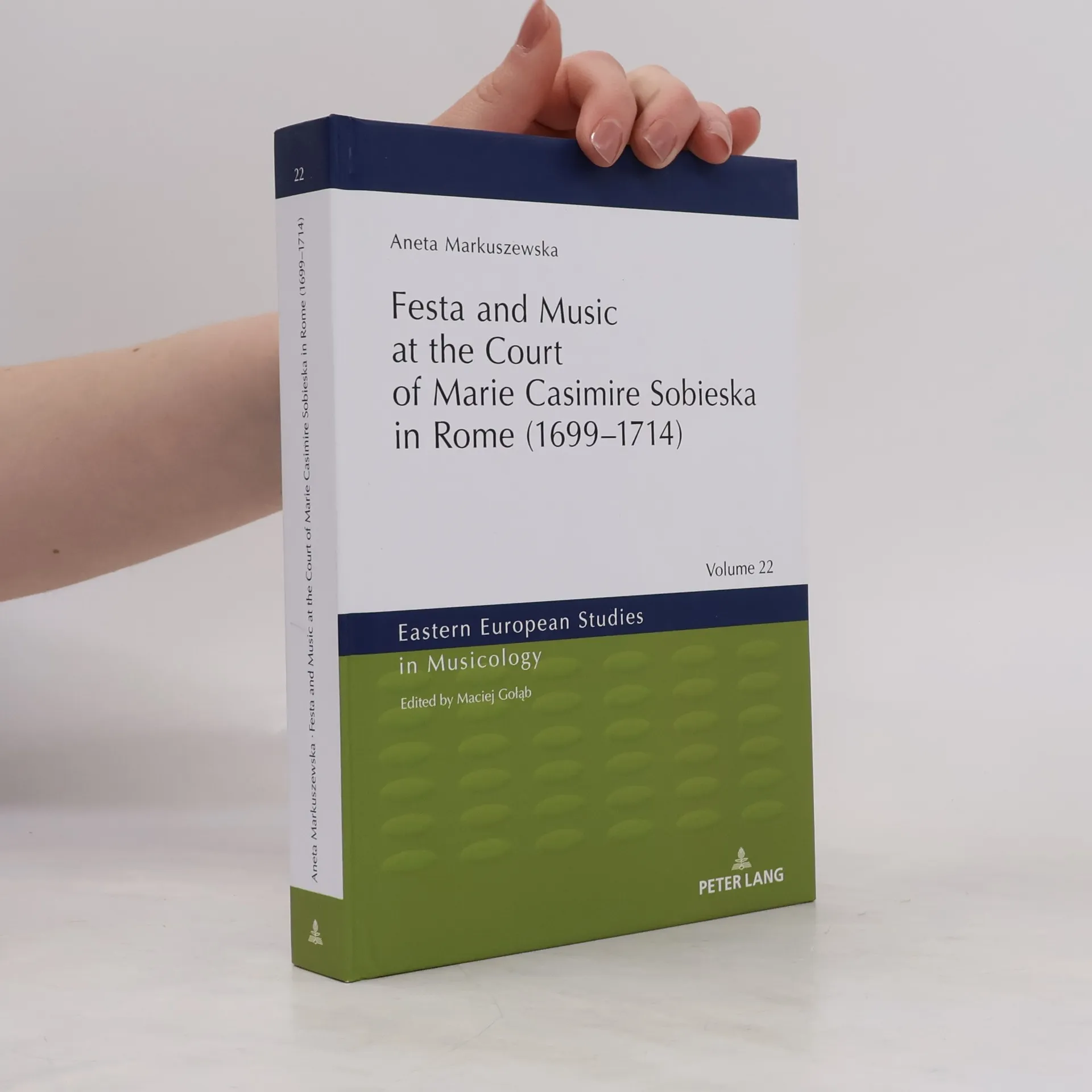
    Eastern European Studies in Musicology - 22: Festa and Music at the Court of Marie Casimire Sobieska in Rome (1699–1714)
    Musical work analysis
    • Musical work analysis

      • 216 Seiten
      • 8 Lesestunden

      Musical Work Analysis is a holistic approach to the cognitive theory of the musical work. The book develops some of Roman Ingarden’s concepts on the epistemology of an actually existing work of music. The author outlines an epistemological theory of the musical work by discussing the role of musical analysis in modern musicology, defining sources and objects of epistemological activity, formulating a systematization of analytical terms, issues and methods, both normative and descriptive, and addressing the relation between analysis and interpretation of a musical work. The book was published in Polish language in edition of the Foundation for Polish Science (Wrocław University Press, Wrocław 2003) and awarded by the Polish Ministry of National Education (2004).

      Musical work analysis
    • Polish queen Marie Casimire Sobieska, French by birth, left the Polish-Lithuanian Commonwealth after the death of her husband king John III and settled in Rome in 1699. Supported by her son, Prince Aleksander Sobieski, the queen dowager created at her Roman residence in Palazzo Zuccari one of Rome's most important opera theatres. She used music and drama to uphold her social status and political plans, satisfy her aesthetic needs, and provide entertainment for the granddaughter under her care, along with her ever more ailing son. This is the first monograph about Sobieska's music patronage. The book describes works by such eminent artists as Carlo S. Capece, Filippo Juvarra, and Domenico Scarlatti, along with the atmosphere of Rome of that time, the sociopolitical role of the festa, and the music theatre genres it employed.

      Eastern European Studies in Musicology - 22: Festa and Music at the Court of Marie Casimire Sobieska in Rome (1699–1714)