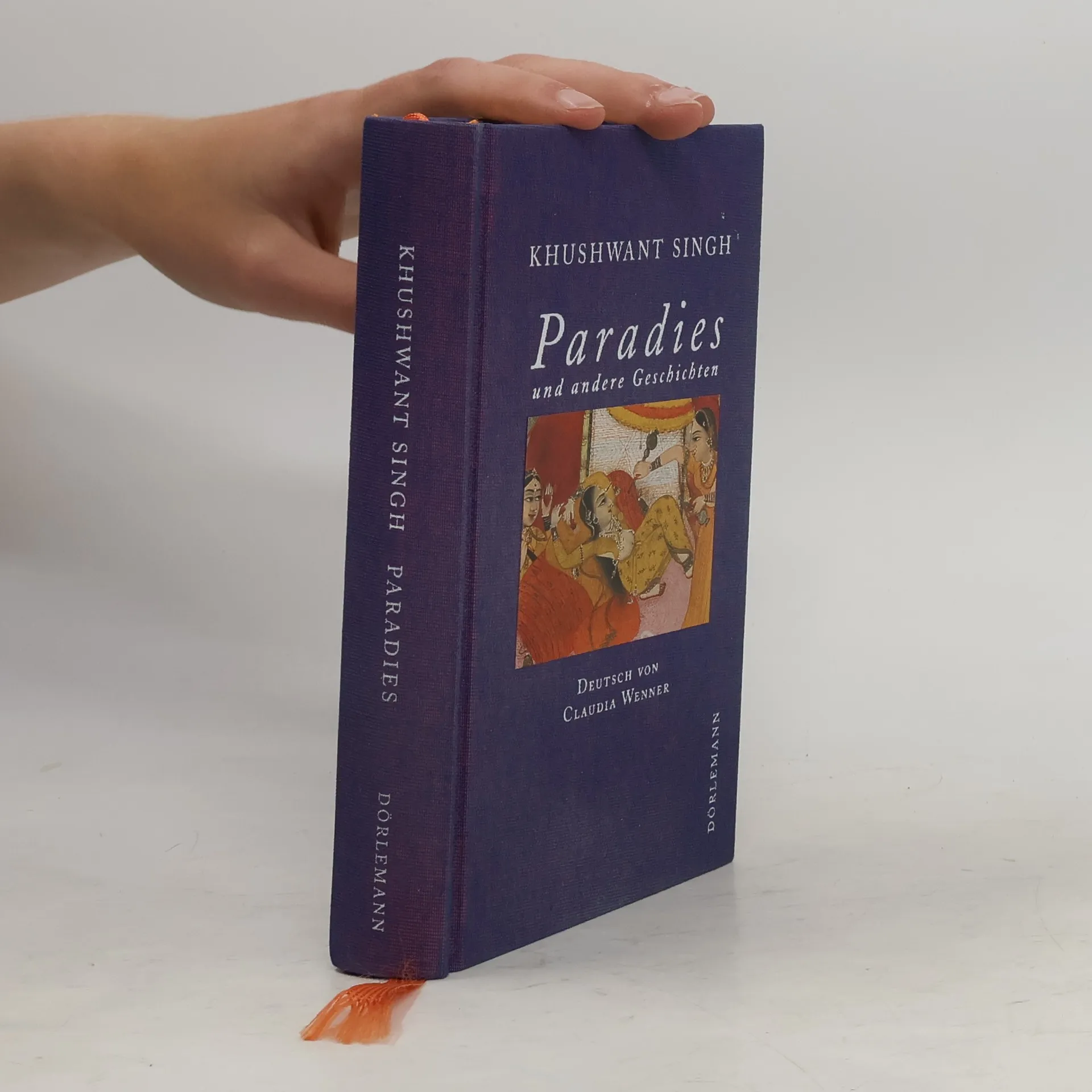
Warum glauben wir an Wunder? Garantiert ein Horoskop die perfekte Ehefrau? Ist das Kamasutra die richtige Gebrauchsanweisung für Frischverheiratete? Diese und andere Fragen stellt der bekannteste indische Schriftsteller in 'Paradies und andere Geschichten'. Die Amerikanerin Margaret Bloom kommt in einen Ashram ins indische Haridwar, um Erlösung für ihre Seele zu suchen, aber bald entdeckt sie, daß auch am Ufer des Heiligen Ganges Versuchungen lauern. Madan Mohan Pandey, Amateurastrologe und Student alter Hindiskripte, findet zu seinem großen Entsetzen heraus, daß seine sittsame Braut ganz anders als erwartet ist. Khushwant Singh in Höchstform: provokant und witzig, zuweilen deftig und dann wieder zärtlich.
Khushwant Singh Bücher
2. Februar 1915 – 20. März 2014
Khushwant Singh war ein bedeutender indischer Romanautor und Journalist, dessen wöchentliche Kolumne „With Malice towards One and All“ zu den meistgelesenen im Land gehörte. Als wichtiger postkolonialer Romanautor, der auf Englisch schreibt, ist Singh bekannt für seinen scharfen Säkularismus, seinen Humor und seine tiefe Liebe zur Poesie. Seine Vergleiche sozialer und Verhaltensmerkmale von Westlern und Indern sind mit satirischem Witz durchzogen. Seine einzigartige Stimme verbindet scharfe Beobachtung mit tiefer Zuneigung zum menschlichen Dasein.

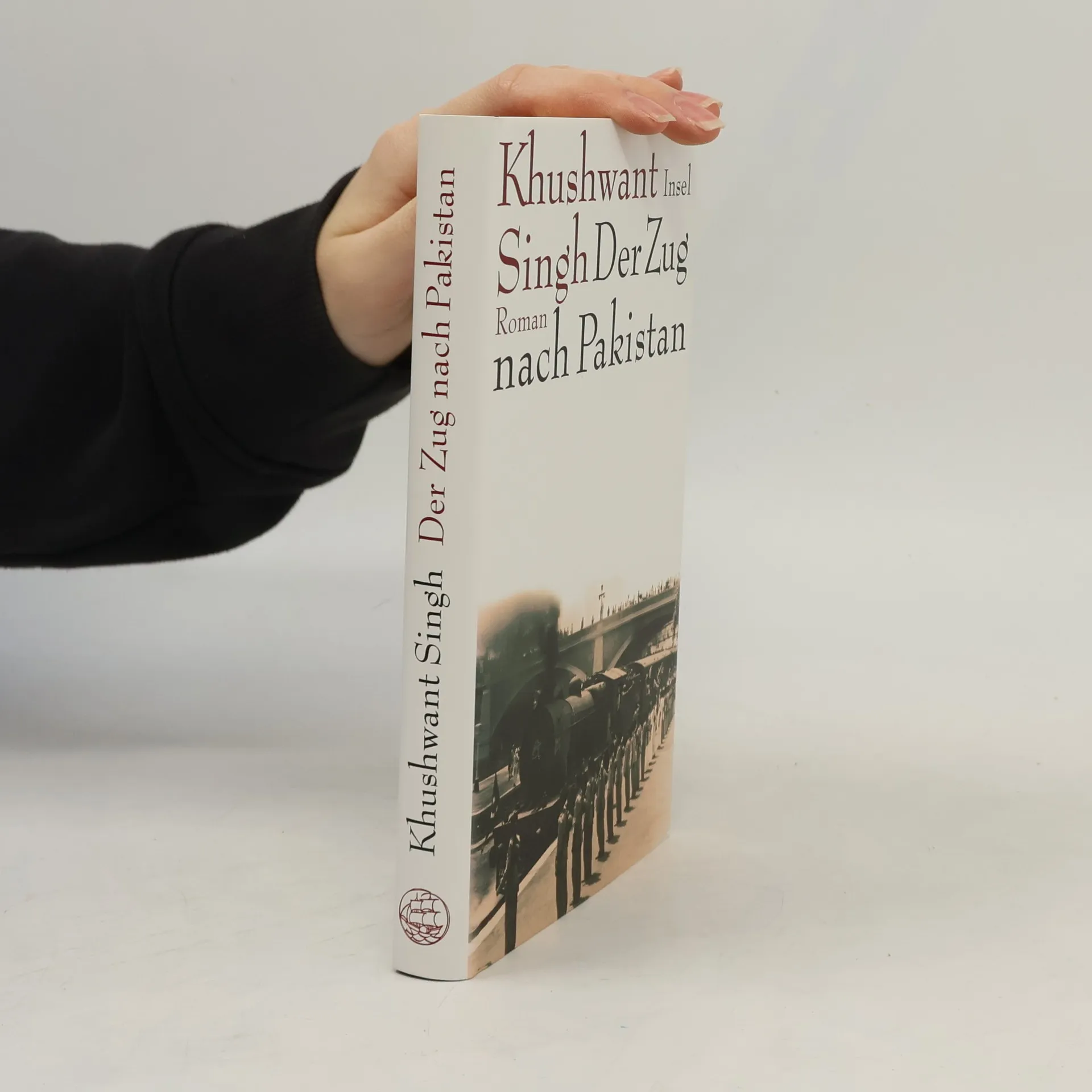
Der Zug nach Pakistan
- 234 Seiten
- 9 Lesestunden
Das Grauen begann 1947 mit der Teilung Indiens und Pakistans, was zu einer der größten Vertreibungen der Geschichte führte. Zehn Millionen Menschen waren auf der Flucht, Familien wurden getrennt, Frauen vergewaltigt und Hunderttausende getötet. Khushwant Singh schildert in seinem Roman das Trauma dieser Zeit. Im Dorf Mano Majra, nahe der Grenze, leben Muslime, Hindus und Sikhs zunächst friedlich zusammen. Ihr Alltag wird von den vorbeifahrenden Zügen bestimmt, und nur der Dorfganove Jaggat sorgt für gelegentliche Aufregung. Trotz seiner kriminellen Vergangenheit und seiner Zugehörigkeit zur Sikhreligion hat er eine heimliche Beziehung zu einem muslimischen Mädchen. Doch eines Tages hält ein Zug zu einer ungewöhnlichen Zeit in Mano Majra und bringt Unheil: Er ist voll mit den Leichen ermordeter Sikhs. Das Grauen hat auch dieses Dorf erreicht, und die religiöse Zugehörigkeit wird zur entscheidenden Frage. Der Roman, erstmals 1956 erschienen, gilt heute als Klassiker in Indien. Singh erzählt eindringlich von der politischen und sozialen Katastrophe, die eine friedliche Welt in die Hölle des Krieges verwandelte, deren Nachwirkungen bis heute spürbar sind, etwa im Kaschmirkonflikt und in blutigen Ausschreitungen zwischen Religionsgruppen.
Hin- und hergerissen zwischen Schönheit und Schauder, Erotik und Grausamkeit, vermittelt der Leser ein Indienbild, das mit allen Tabus bricht und die komplexe Geschichte Indiens verständlich, rasant und humorvoll darstellt. Khushwant Singhs Metapher für seine Hassliebe zu Delhi ist die hijra Bhagmati, halb Mann, halb Frau, zugleich Hindu und Muslimin, die faszinierende und abstoßende Geliebte des Ich-Erzählers. Die Episoden um die großen Herrscher Delhis, von Sultan Aurangzeb bis Shah Jahan, sowie die vielen „Namenlosen“ wie den Unberührbaren, den Hofdichter und das Sklavenmädchen, sind wie Geschichten aus 1001 Nacht arrangiert. Der Aufstand 1857 gegen die Briten, die Entstehung Neu-Delhis unter Lutyens und Baker, die Teilung Indiens 1947, der Exodus und der Tod Mahatma Gandhis erfahren eine brillante, mutige Behandlung. Singhs Opus magnum endet mit der Ermordung Indira Gandhis im Jahr 1984. Khushwant Singh, 1915 im Punjab geboren, ist einer der meistgelesenen Journalisten und Romanautoren Indiens. Nach der Teilung 1947 verließ er Pakistan und arbeitete als Diplomat sowie als Herausgeber bedeutender indischer Publikationen. Seine Romane und Sachbücher zu indischer Geschichte, Religion und Politik machen ihn zu einem der bedeutendsten Autoren und Kenner des Subkontinents.
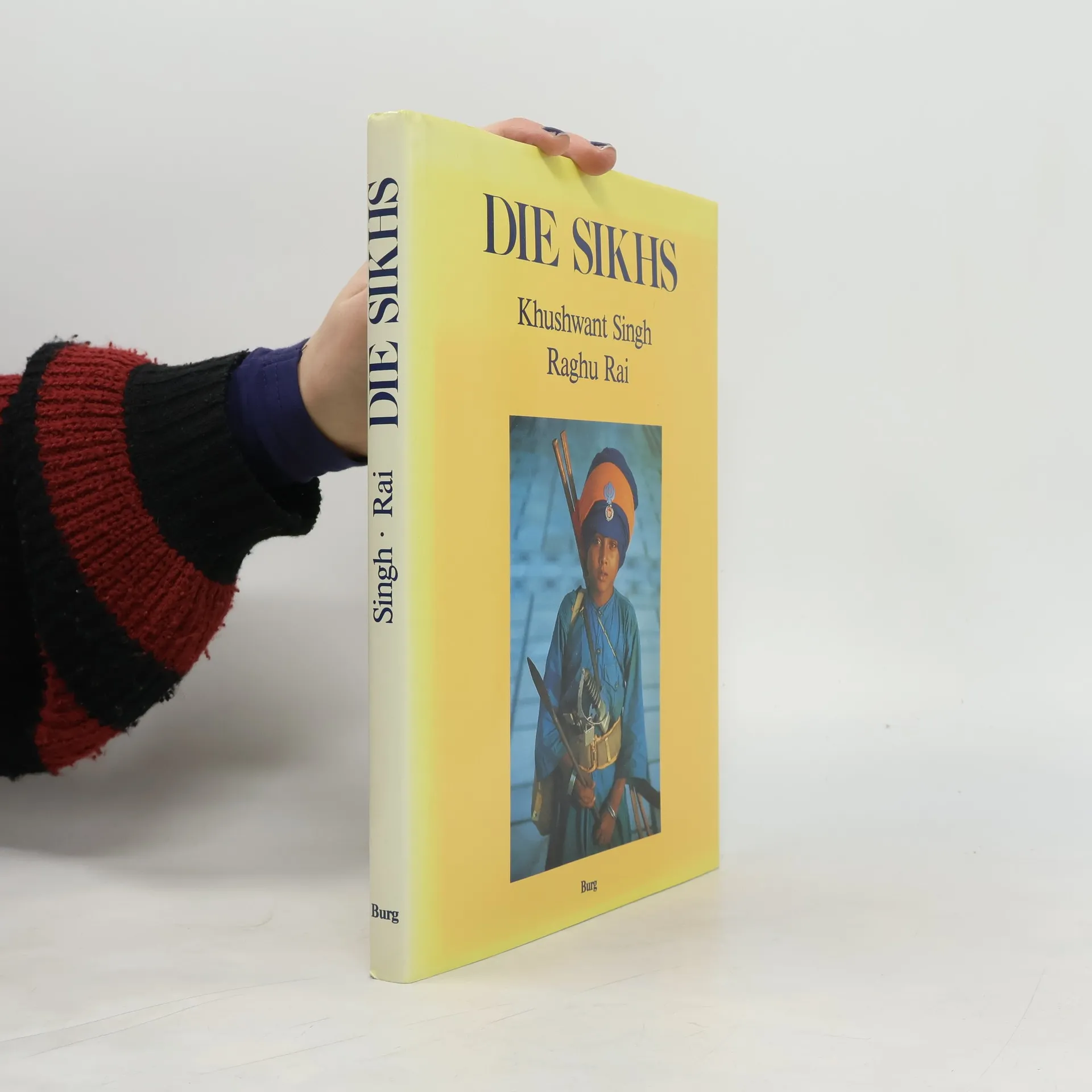
Die Sikhs
- 144 Seiten
- 6 Lesestunden
Herkunft, Geschichte und Religion der Sikhs, dargestellt in Texten und zahlreichen Bildern.
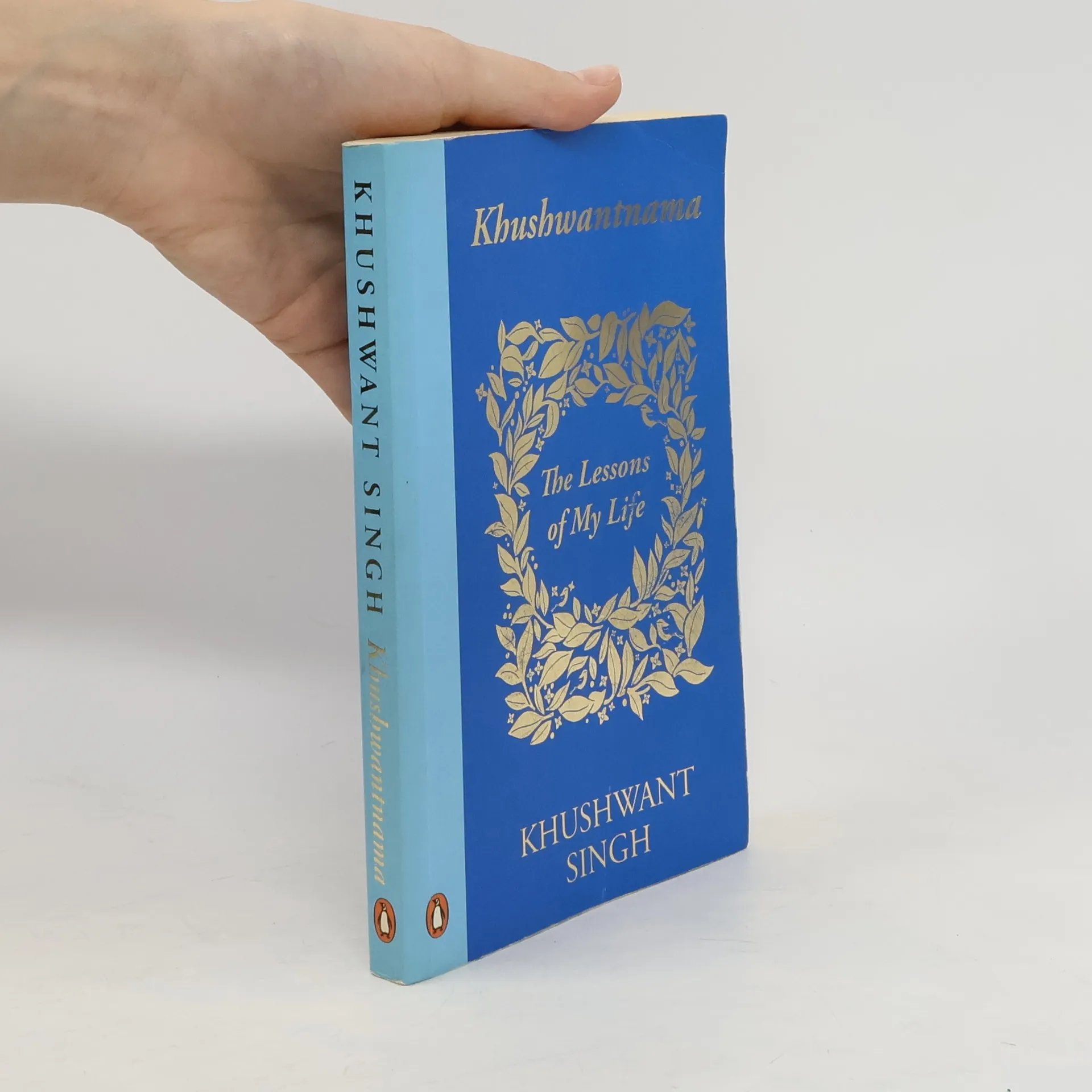
Khushwantnama
- 188 Seiten
- 7 Lesestunden
This book is full of the honesty and sharp wit that is so characteristic of Khushwant Singh. It was published by Penguin India in the year 2014 and is available in hardcover and paperback.
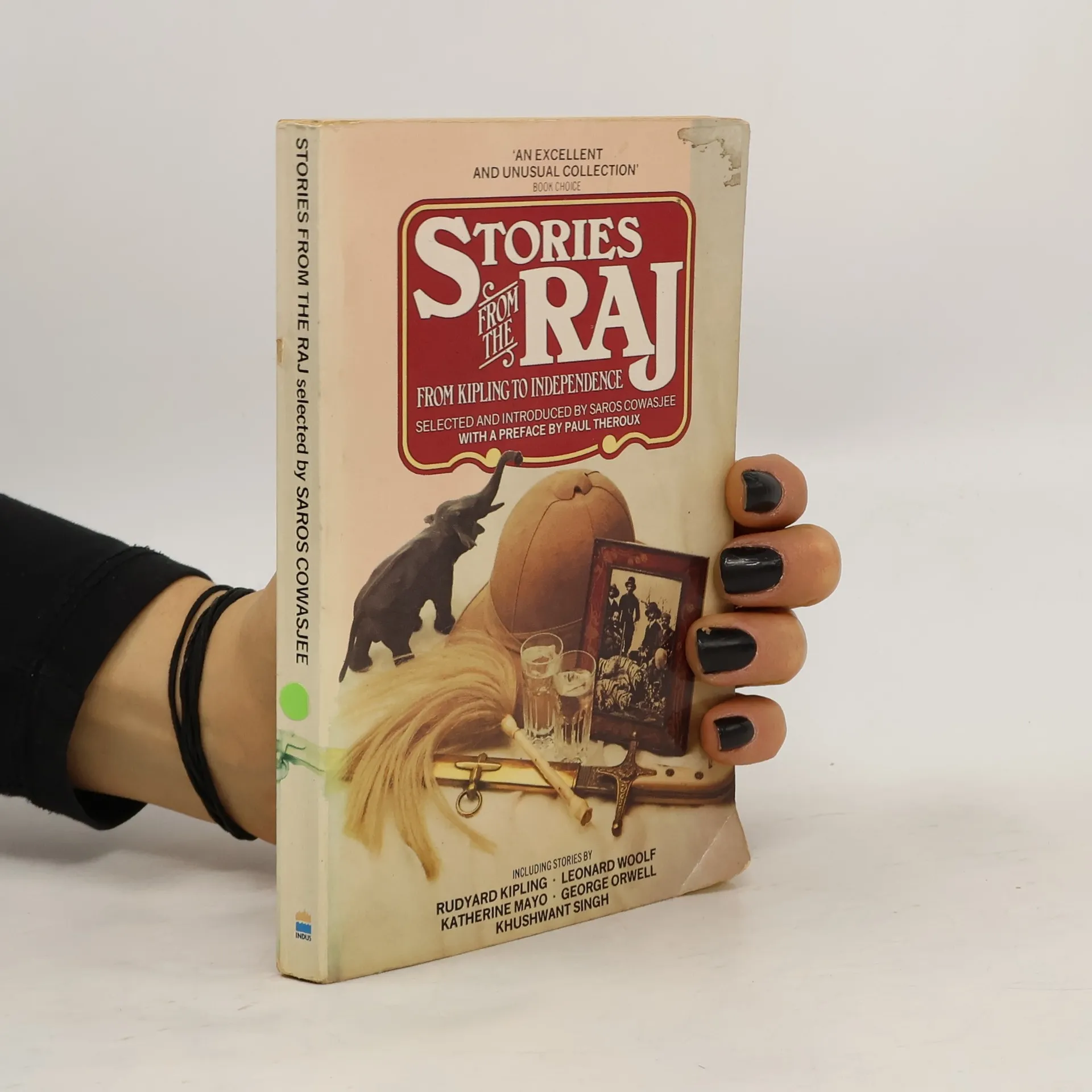
Gathers British stories about India by Kipling, Orwell, and others, that illustrate changing English attitudes
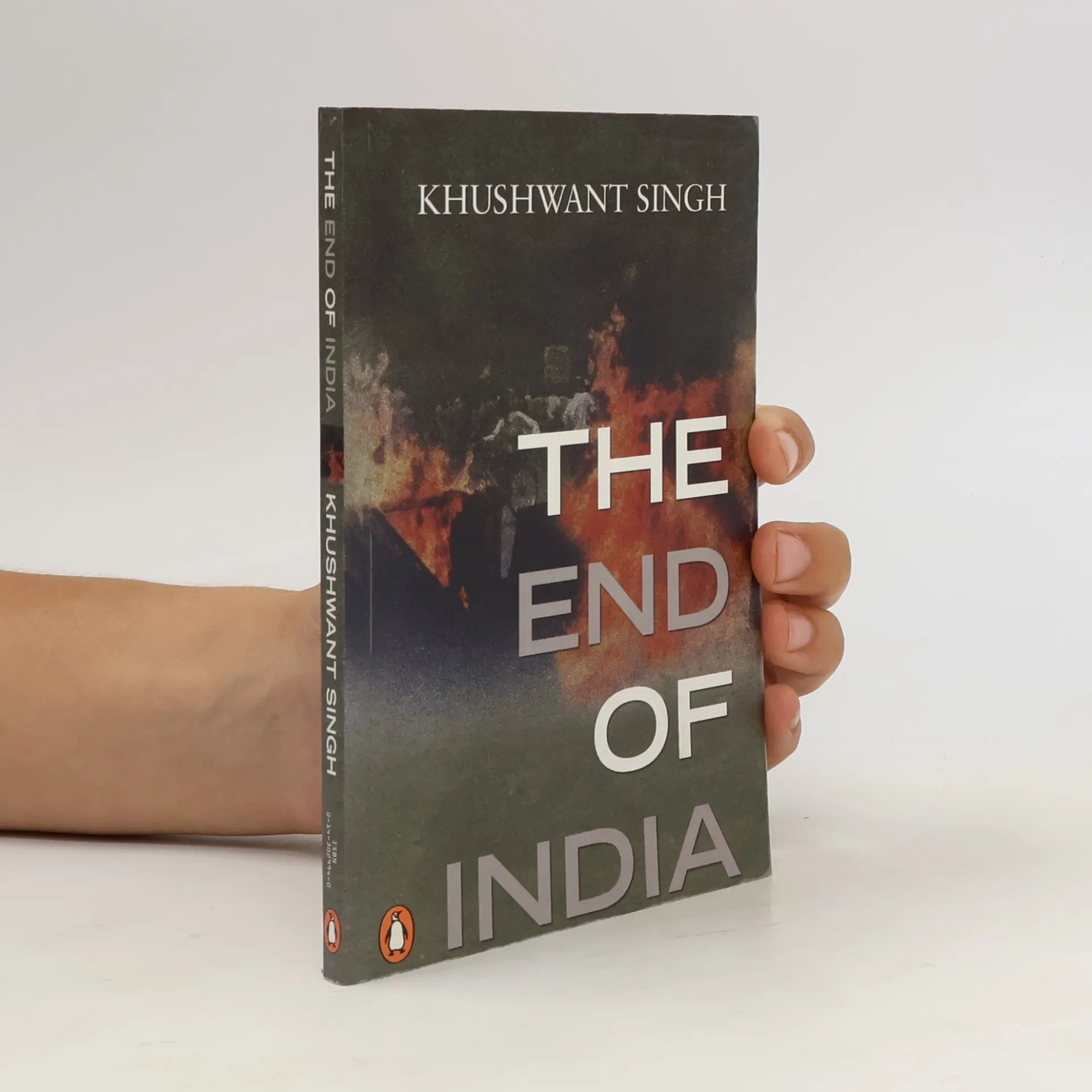
I thought the nation was coming to an end;' wrote Khushwant Singh; looking back on the violence of Partition that he was witness to over half a century ago. He believed then; and for years afterwards; that he had seen the worst that India could do to herself. Over the last few years; however; he has had reason to feel that the worst; perhaps; is still to come. In this fierce; uncompromising book he shows us what few of us wish to see: why it is entirely likely that India will come undone in the foreseeable future. Analysing the communal violence in Gujarat in 2002; the anti-Sikh riots of 1984; the burning of Graham Staines and his children; the targeted killings by terrorists in Punjab and Kashmir; Khushwant Singh forces us to confront the absolute corruption of religion that has made us among the most brutal people on earth. He also points out that fundamentalism has less to do with religion than with politics. And communal politics; he reminds us; is only the most visible of the demons we have nurtured and let loose upon ourselves. Insurgencies in Kashmir and the North-East; caste wars in Bihar; scattered Naxalite movements; and the ghettoization of minorities are proof that our obsession with caste and regional and racial identity has also splintered the nation; perhaps beyond repair. A brave and passionate book; The End of India is a wake-up call for every citizen concerned about his or her own future; if not the nation's.
I Shall Not Hear the Nightingale
- 280 Seiten
- 10 Lesestunden
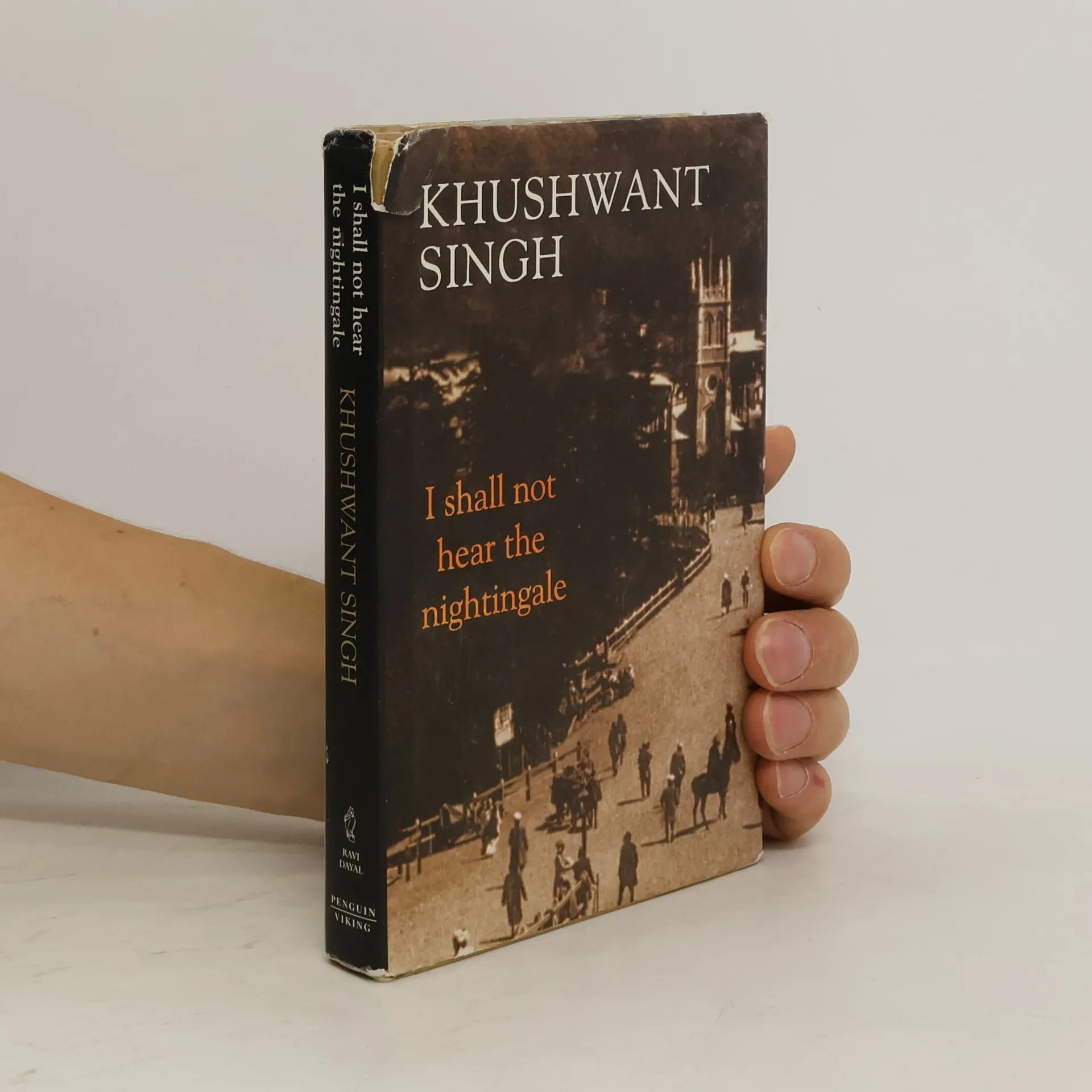
I Shall Not Hear the Nightingale is a colorful and moving pageant of an ancient people about to throw off the yoke of foreign rule. Essentially, it is the story of Buta Singh, a shrewd and wily official working with the British, and of Sher Singh, his vain and ambitious son driven to rebellion against the foreign master. It is also the story of the women of the family—Champak, Sher’s beautiful wife, her wild passions bursting the bonds of century-old prohibitions, and Sabhrai, Sher’s mother, whose matriarchal strength sustains the family in its time of crisis. What happens to this family when a brutal and senseless murder sets father against son, wife against husband, is told against the background of an India torn by religious tension and fraternal strife.
The Sunset Club
- 228 Seiten
- 8 Lesestunden
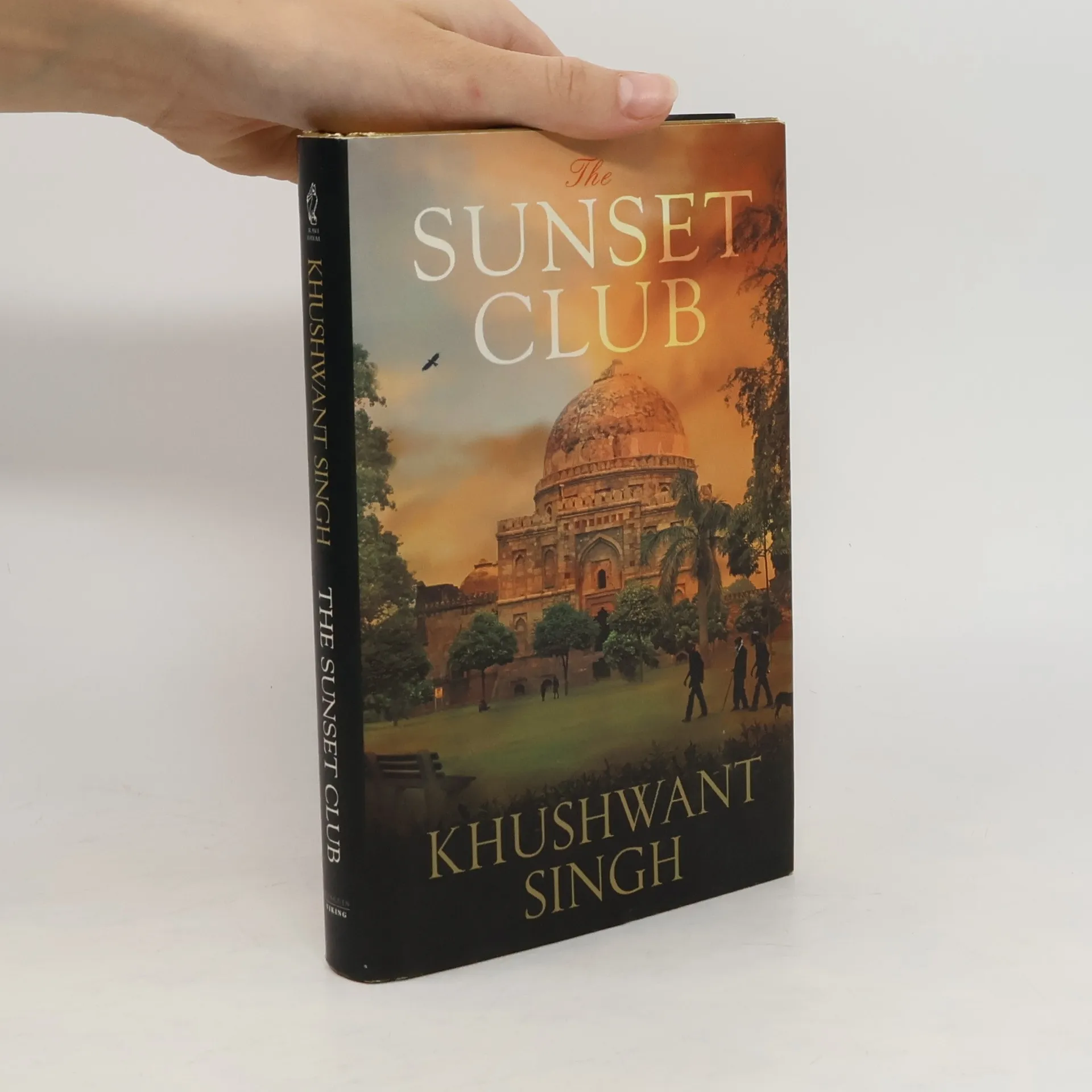
Meet the members of the Sunset Club: Pandit Preetam Sharma, Nawab Barkatullah Baig and Sardar Boota Singh. Friends for over forty years, they are now in their eighties. And every evening, at the sunset hour, they sit together on a bench in Lodhi Gardens to exchange news and views on the events of the day, talking about everything from love, lust, sex and scandal to religion and politics. As he follows a year in the lives of the three men from January 26 2009 to January 26 2010. Khushwant Singh brings his characters vibrantly to life, with his piquant portrayals of their fantasies and foibles, his unerring ear for dialogue and his genius for capturing the flavour and texture of everyday life in their households. Interwoven with this compelling human story is another chronicle of a year in the life of India, as the country goes through the cycle of seasons, the tumult of general elections, violence, natural disasters and corruption in high places. In turn ribald and lyrical, poignant and profound, The Sunset Club is a deeply moving exploration of friendship, sexuality, old age and infirmity; a joyous celebration of nature; an insightful portrait of India's paradoxes and complexities. A masterpiece from one of India's most-loved storytellers, The Sunset Club will have you in tears and laughter, and grip you from the first page to the last
We Indians
- 156 Seiten
- 6 Lesestunden
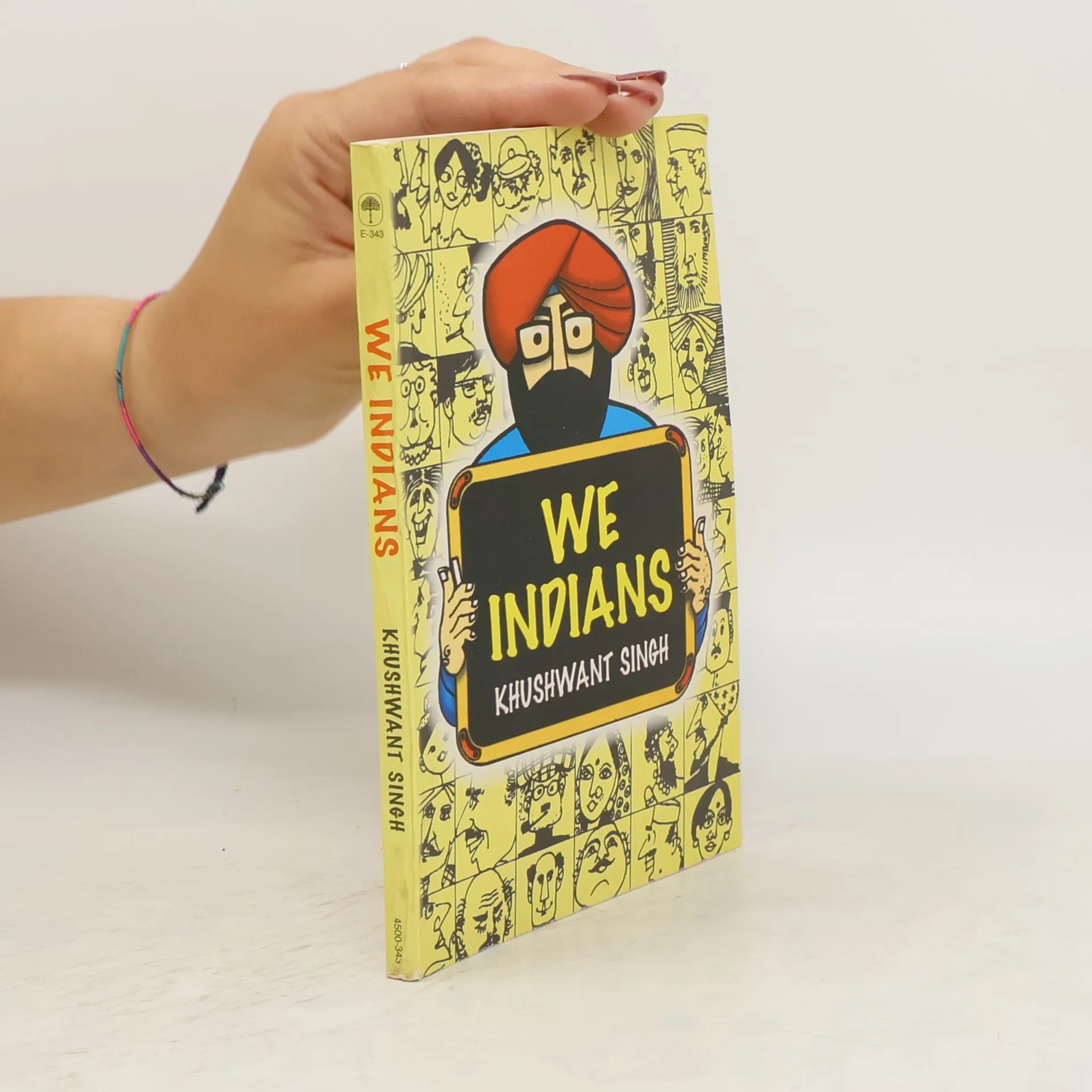
Gleeful name dropping, worship of the successful, face flattery accompanied with back-biting, and envy to the extent of sickness are some of the highlights of We Indians. We Indians tend to be deeply religious, but religion invariably brings out the worst in us. Our women have no idea that sex can be pleasurable though they go from one pregnancy to another...the inimitable Khushwant Singh analyses the good and the bad of Indian character in this unusual and timely book. He brings a special fervor to the Indian character by his rare ability of effortless writing.
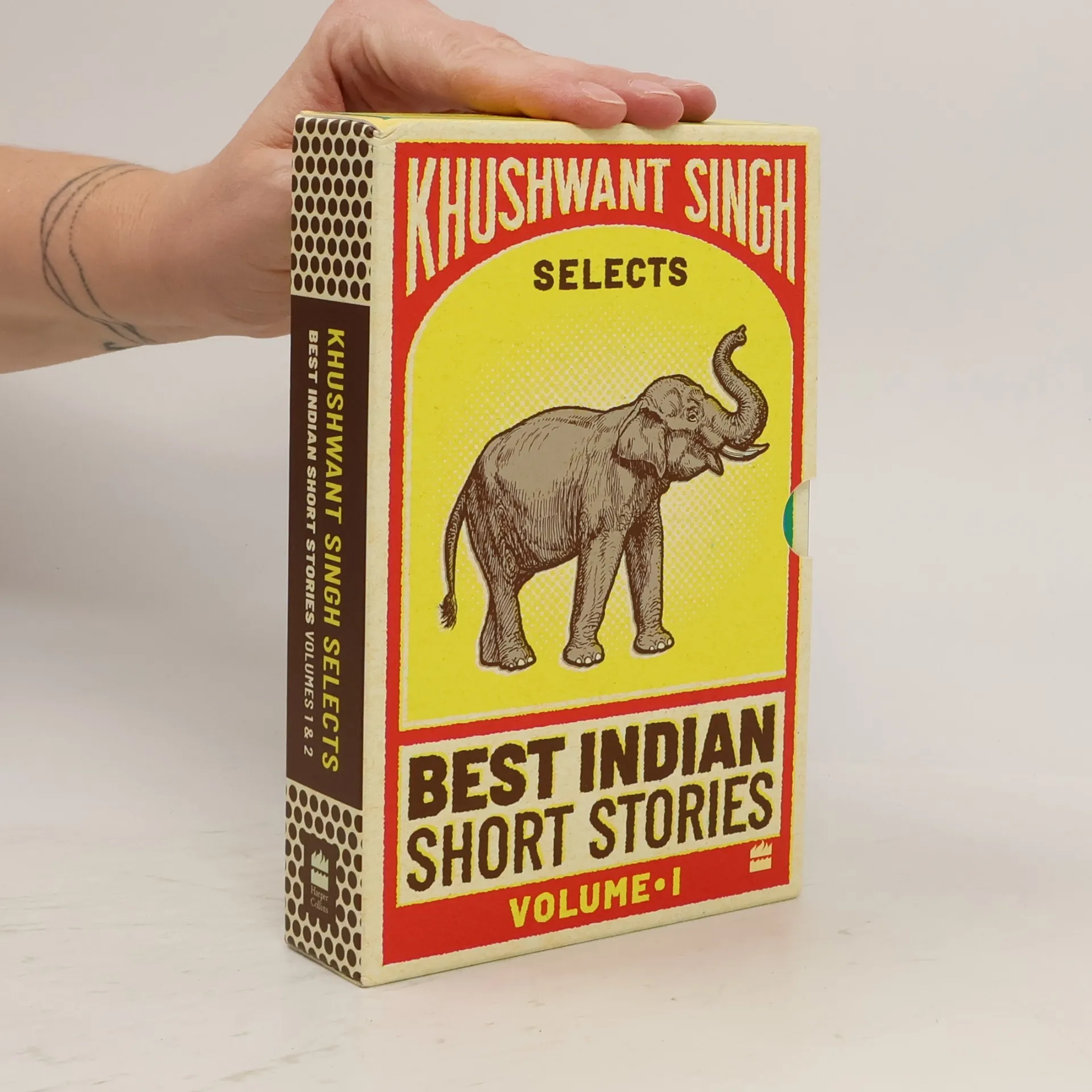
Khushwant Singh Selects - 1-2: Best Indian Short Stories
- 544 Seiten
- 20 Lesestunden