
Bookbot

Douglas Rushkoff

    18. Februar 1961

    Douglas Rushkoff ist ein Schriftsteller, Kolumnist und Dozent, der sich auf Technologie, Medien und Populärkultur konzentriert. Seine Arbeit untersucht kritisch die Auswirkungen dieser Kräfte auf Gesellschaft und menschliches Verhalten. Rushkoff befasst sich damit, wie die digitale Sphäre unsere Gedanken und Interaktionen formt. Seine Einblicke in zeitgenössische Trends bieten ein tiefes Verständnis des Informationszeitalters.

    Douglas Rushkoff
    Get Back in the Box
    Throwing Rocks at the Google Bus
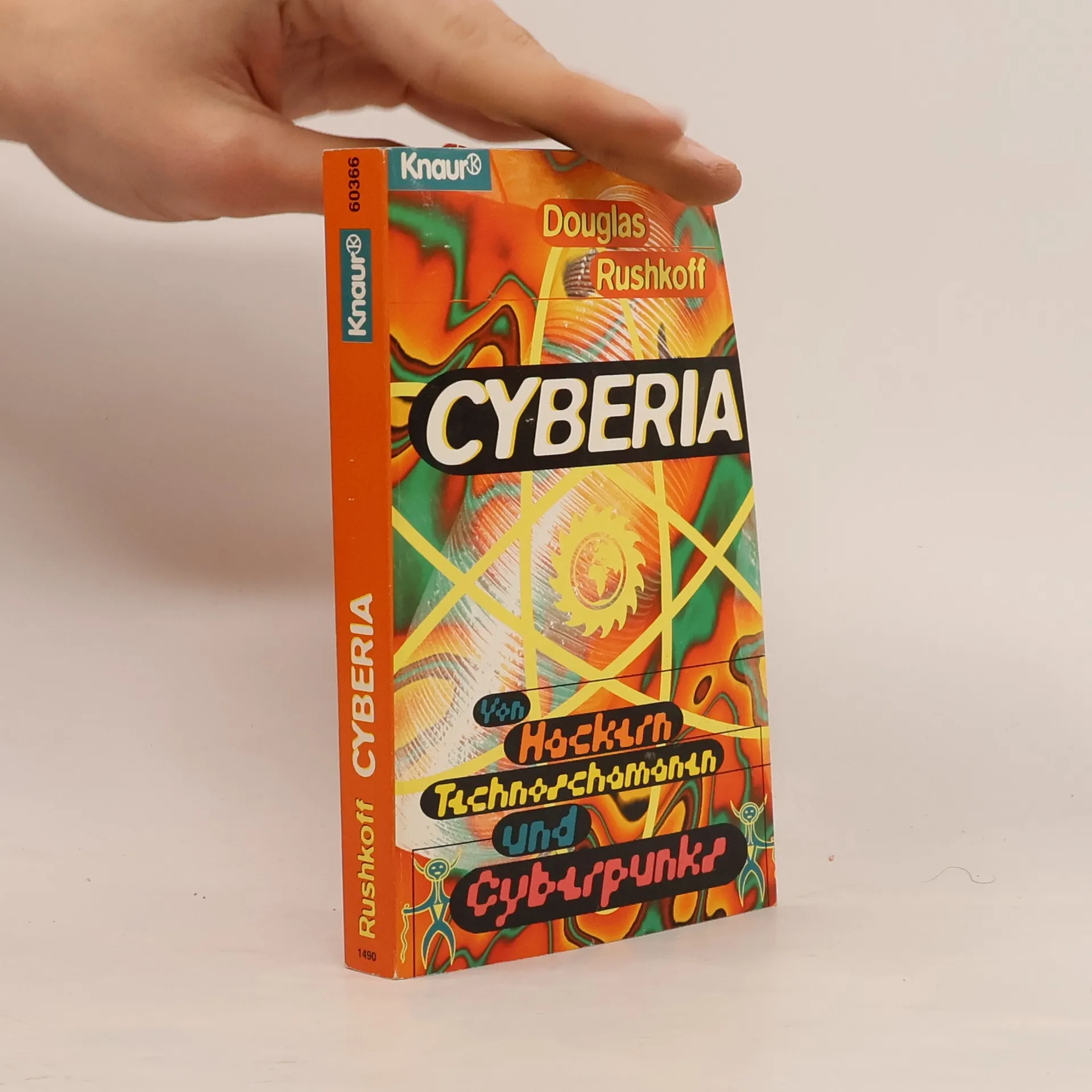
    Cyberia
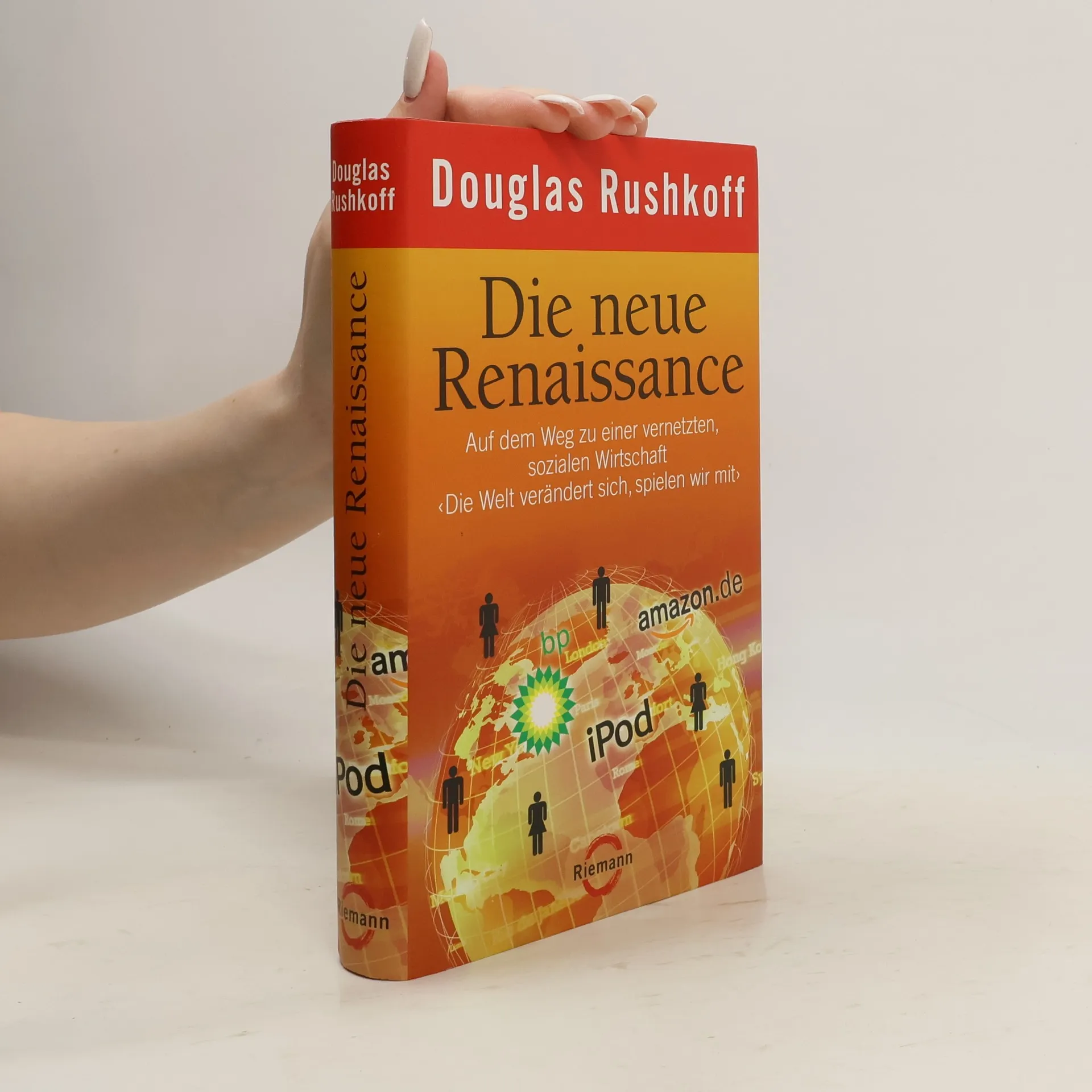
    Die neue Renaissance
    Survival of the Richest
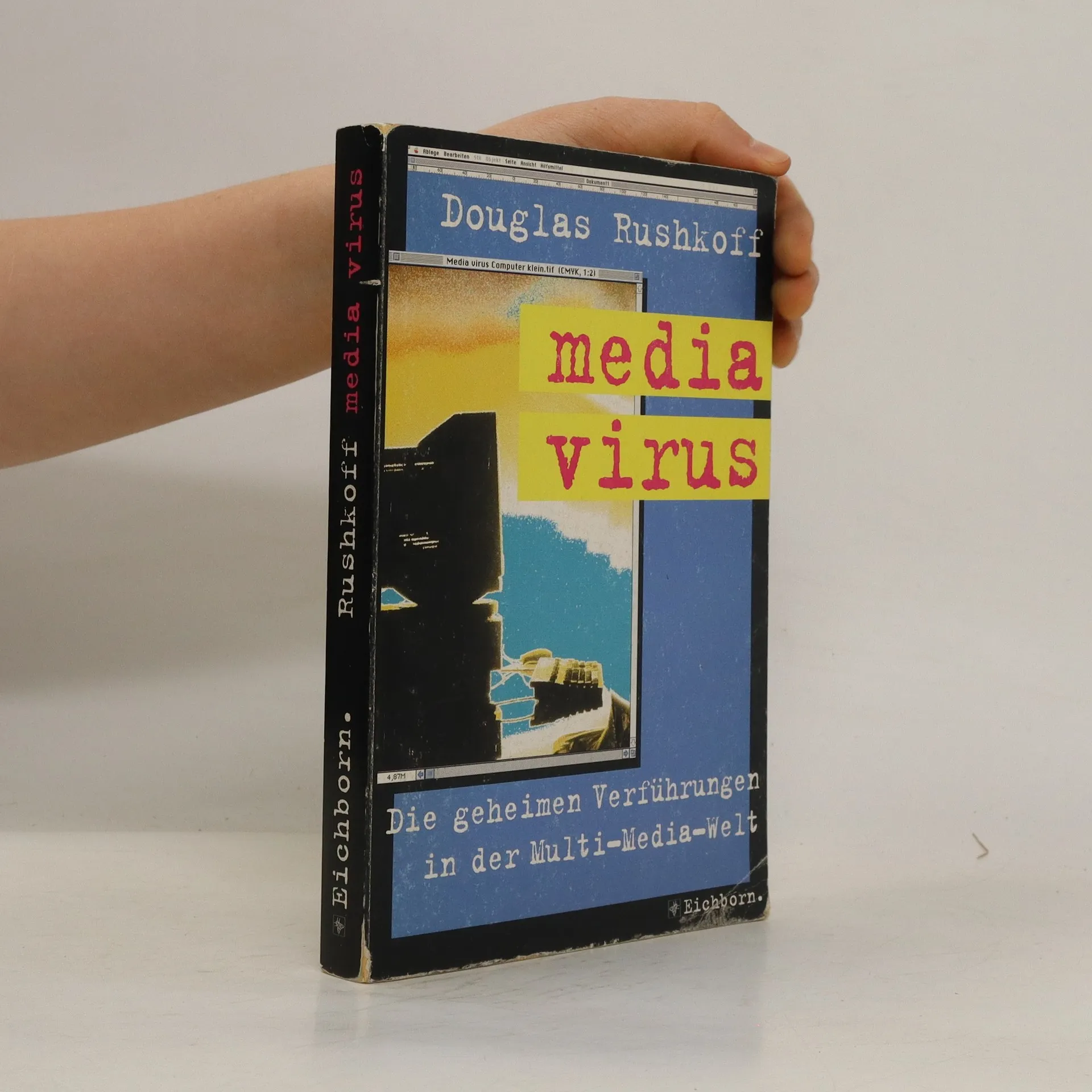
    Media virus
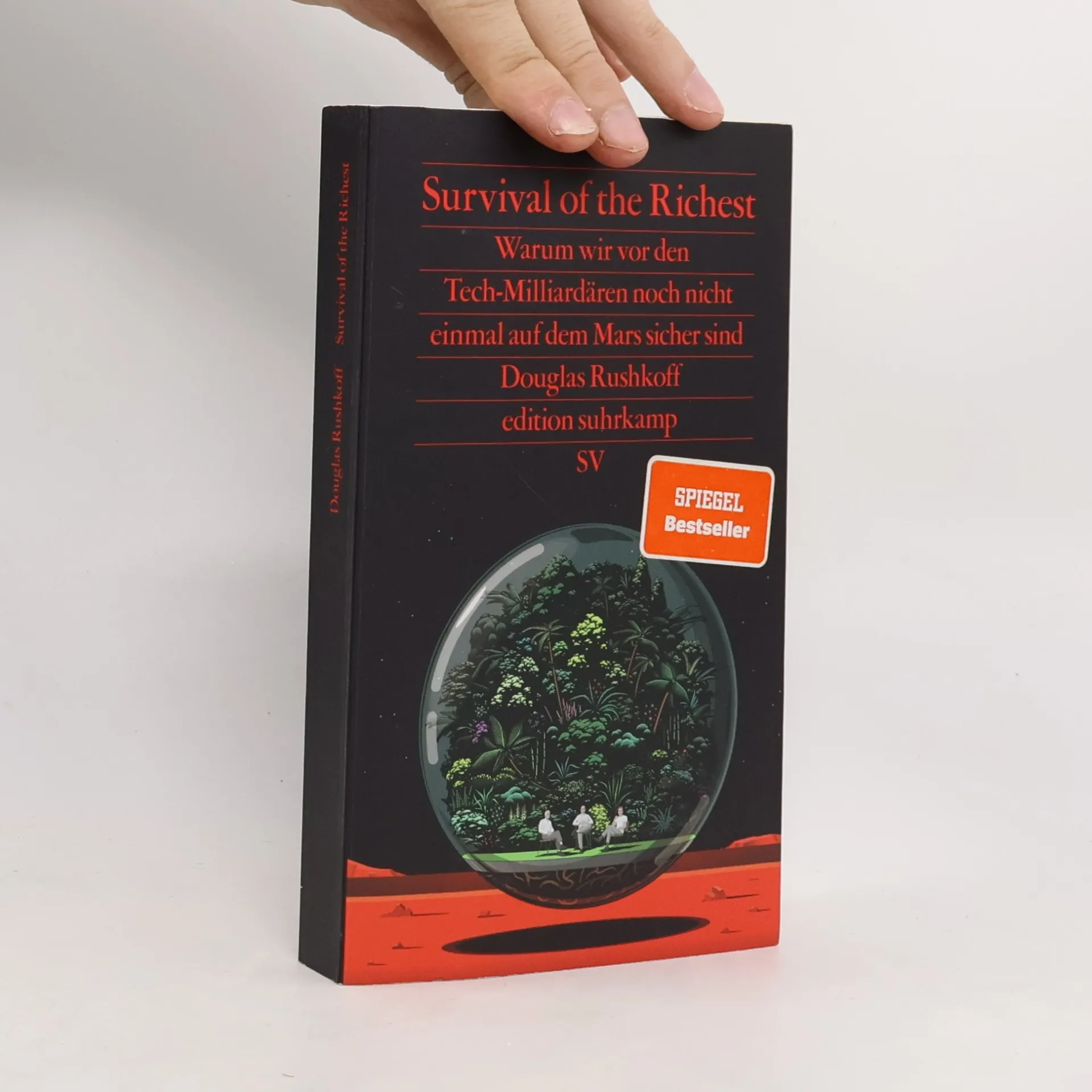
    • Survival of the Richest

      Warum wir vor den Tech-Milliardären noch nicht einmal auf dem Mars sicher sind | Eine scharfsinnige Analyse

      • 281 Seiten
      • 10 Lesestunden

      Seit der Allianz von Donald Trump und Elon Musk ist klar, dass Tech-Milliardäre nicht nur die reichsten Männer der Welt sind, sondern auch nach politischer Macht streben und die Gesellschaft radikal umgestalten wollen. Douglas Rushkoff, ein Medientheoretiker, erhält eine Einladung zu einem exklusiven Wüstenresort und erwartet, über Zukunftstechnologien zu diskutieren. Stattdessen trifft er auf Milliardäre, die ihn über Luxusbunker und Marskolonien befragen. Während die Welt mit Klimakatastrophen und sozialen Krisen kämpft, machen sich diese Männer Gedanken darüber, wie sie ihre Privatarmeen im Falle eines Systemkollapses kontrollieren können. Rushkoff, der die Internetrevolution seit Jahrzehnten verfolgt und Begriffe wie „viral gehen“ und „Digital Natives“ geprägt hat, zeigt auf, wie aus der Aufbruchsstimmung der 1990er Jahre ein Programm aus Angst und Größenwahn wurde. Viele Tech-Unternehmer wollen die Normalsterblichen hinter sich lassen, während sie als Visionäre gefeiert werden. Angesichts der Zerrüttungen, die ihre Geschäftsmodelle verursachen, müssen wir uns von ihrem Mindset befreien, denn sie werden uns auf ihrem Exodus nicht mitnehmen. Es ist ein leidenschaftliches Plädoyer gegen Egomanie und für die Wiederentdeckung kooperativen Handelns.
      Survival of the Richest
      3,9
    • Die neue Renaissance

      Auf dem Weg zu einer vernetzten, sozialen Wirtschaft "Die Welt verändert sich, spielen wir mit"

      • 383 Seiten
      • 14 Lesestunden

      Die Lektüre bietet zahlreiche Beispiele und einen lockeren Stil, der das Lesen zum Vergnügen macht. Der Autor betont, dass die Welt im Wandel ist und fordert dazu auf, aktiv an der Zukunft teilzunehmen. Der Kulturkritiker und Trendscout zeigt, wie das Internet eine Umpolung in der Gesellschaft bewirkt hat, vergleichbar mit einer zweiten Renaissance. Neue Kommunikationsformen und Beziehungen entstehen, wobei hierarchische Strukturen durch interaktive Prinzipien ersetzt werden. In der Open-Source-Gesellschaft haben alle Zugang zu Wissen, wodurch sich Menschen von manipulierbaren Konsumenten zu informierten Mitgestaltern eines sozial-wirtschaftlichen Netzwerks entwickeln. Die Analyse wird als packend beschrieben und bietet neue intellektuelle Anstöße, um die gegenwärtige gesellschaftliche Entwicklung besser zu verstehen. Rushkoffs Betrachtung der vernetzten Open-Source-Gesellschaft ist ein Aufruf zur aktiven Teilnahme in einer Ära, in der das Kollektiv im Mittelpunkt steht. Es bleibt abzuwarten, ob diese "neue Renaissance" tatsächlich ein Zeitalter der Kooperation einleitet. In seinen früheren Werken hat sich der Autor als scharfsinniger Analytiker technischer und gesellschaftlicher Entwicklungen erwiesen, und es besteht Hoffnung, dass dies auch hier der Fall ist.

      Die neue Renaissance
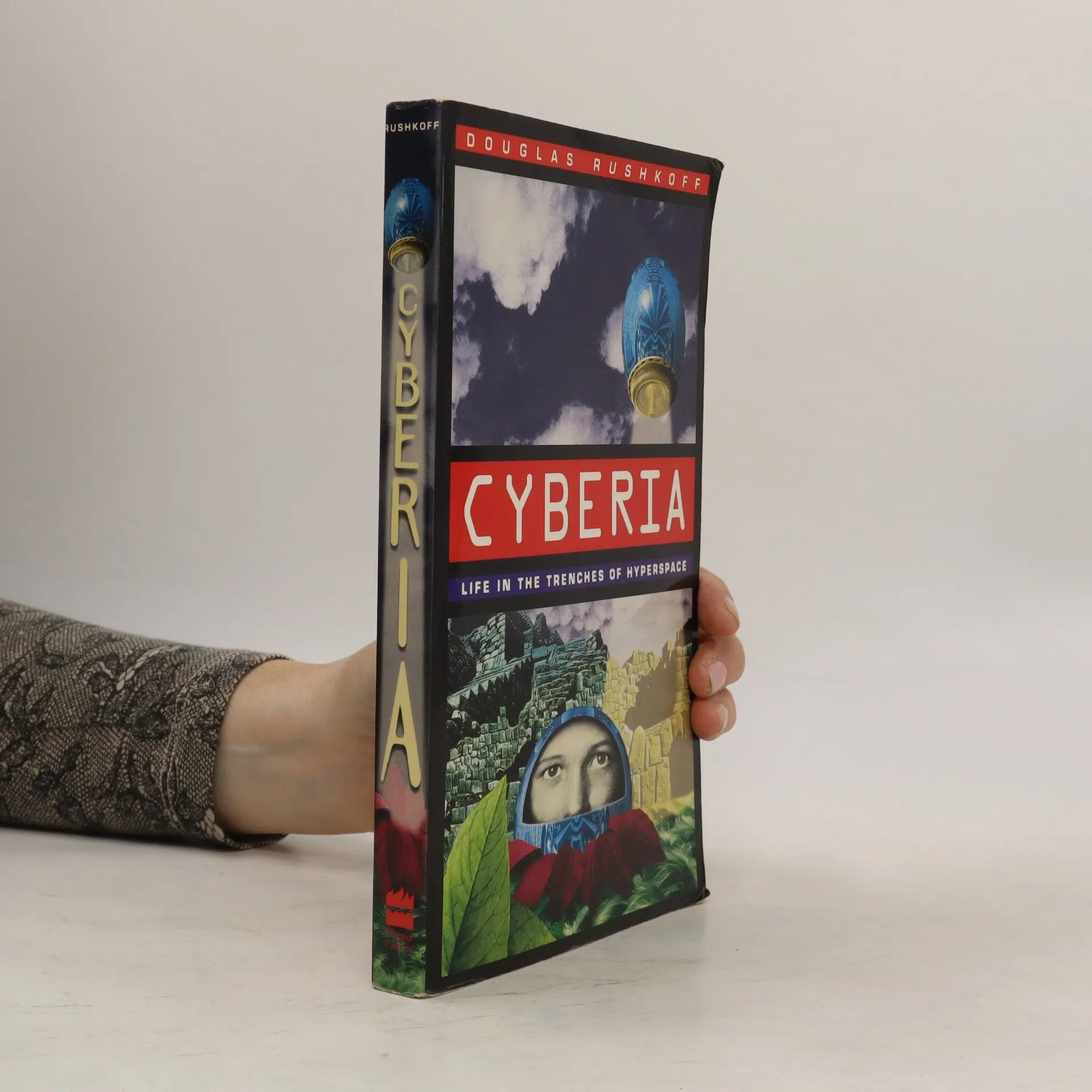
    • Cyberia

      Von Hackern, Technoschamanen und Cyberpunks

      • 348 Seiten
      • 13 Lesestunden
      Cyberia
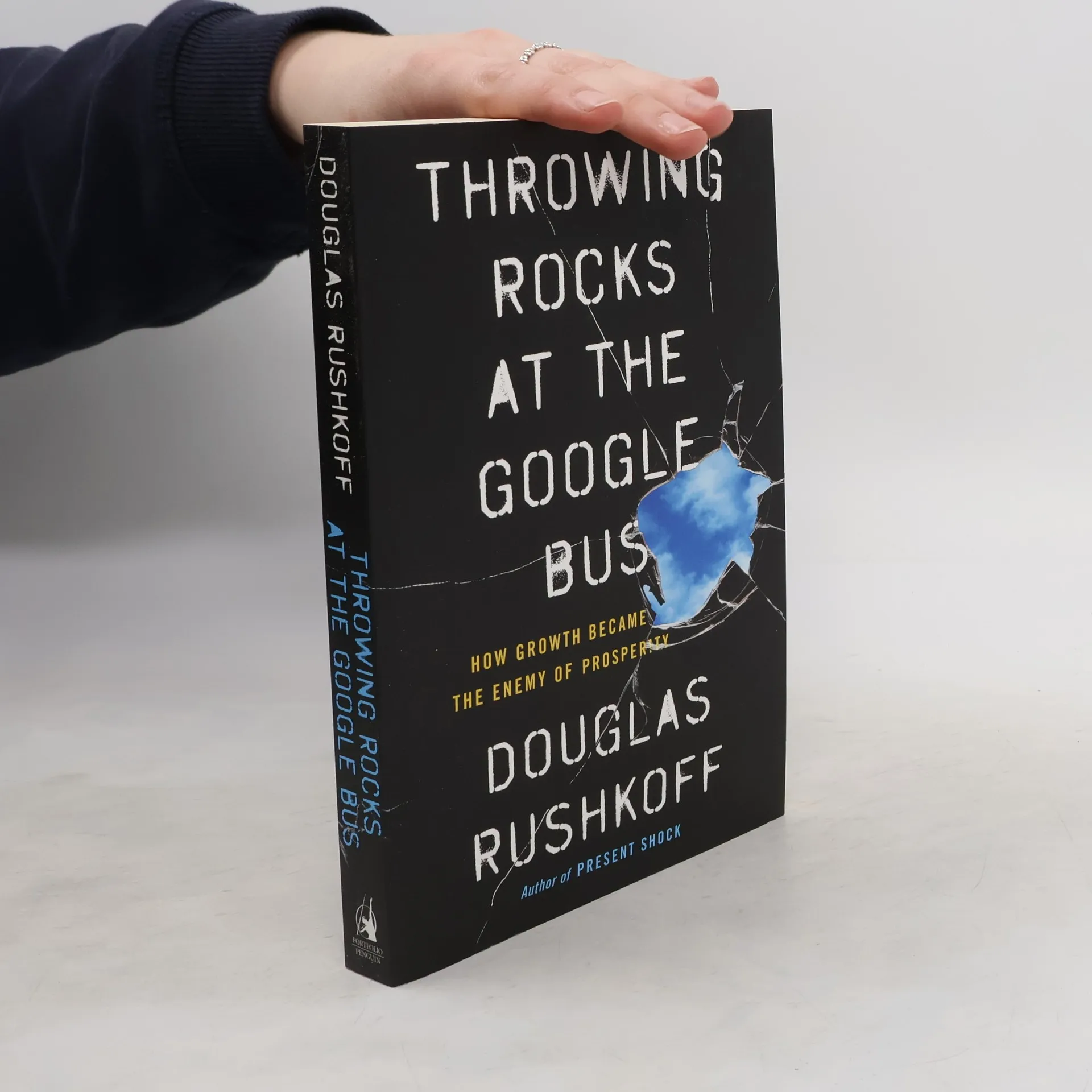
    • Throwing Rocks at the Google Bus

      • 304 Seiten
      • 11 Lesestunden

      Why doesn’t the explosive growth of companies like Facebook and Uber deliver more prosperity for everyone? What is the systemic problem that sets the rich against the poor and the technologists against everybody else? When protesters shattered the windows of a bus carrying Google employees to work, their anger may have been justifiable, but it was misdirected. The true conflict of our age isn’t between the unem­ployed and the digital elite, or even the 99 percent and the 1 percent. Rather, a tornado of technological improvements has spun our economic program out of control, and humanity as a whole—the protesters and the Google employees as well as the shareholders and the executives—are all trapped by the consequences. It’s time to optimize our economy for the human beings it’s supposed to be serving. In this groundbreaking book, acclaimed media scholar and author Douglas Rushkoff tells us how to combine the best of human nature with the best of modern technology. Tying together disparate threads—big data, the rise of robots and AI, the increasing participation of algorithms in stock market trading, the gig economy, the collapse of the eurozone—Rushkoff provides a critical vocabulary for our economic moment and a nuanced portrait of humans and commerce at a critical crossroads.

      Throwing Rocks at the Google Bus
      4,2
    • Get Back in the Box

      • 336 Seiten
      • 12 Lesestunden

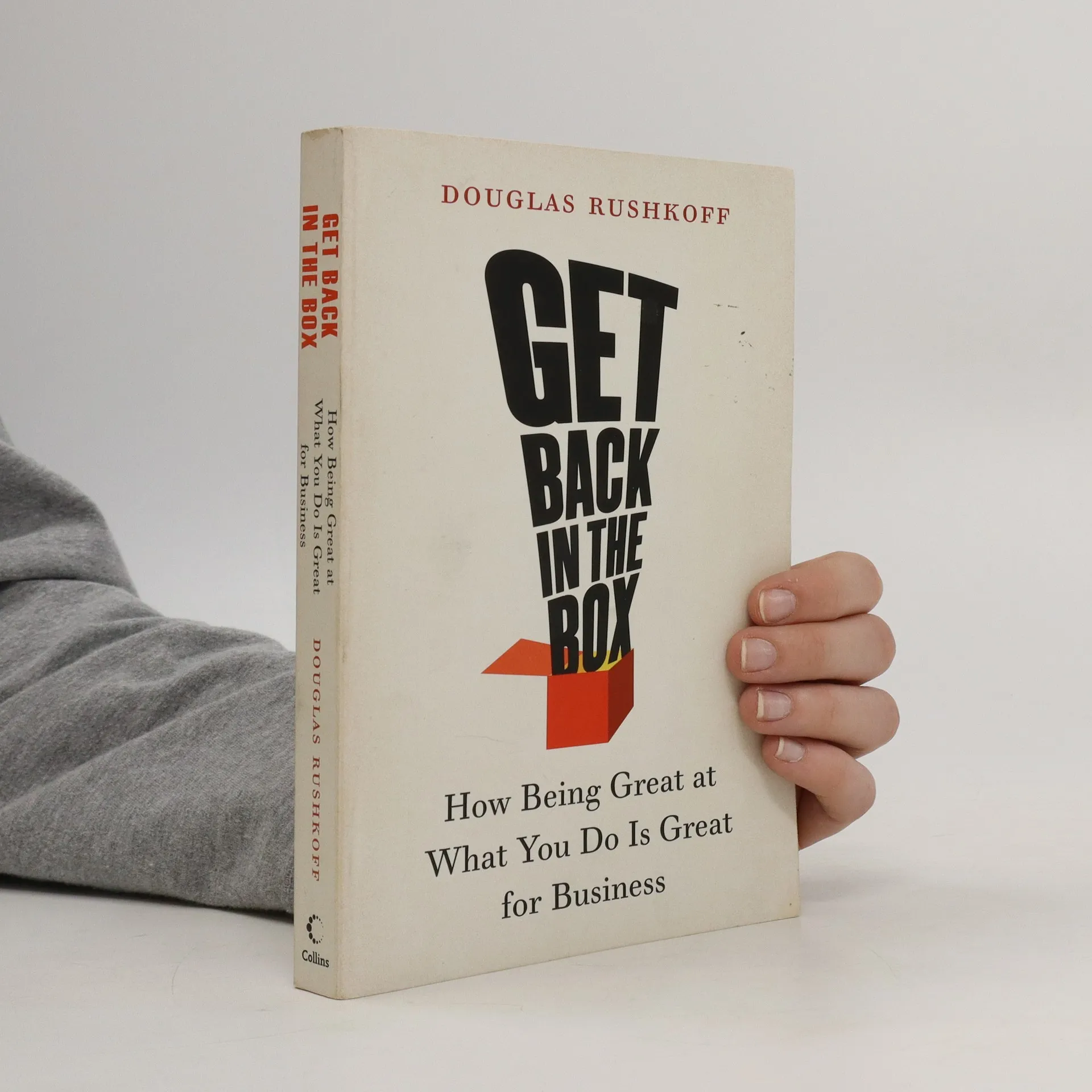
      Douglas Rushkoff was one of the first social commentators to identify the new culture around the internet. He has spent nearly a decade advising companies on the ways they can re-orient their businesses to the transformations the internet has caused. Through his speaking and consulting, Rushkoff has discovered an important and unrecognized shift in American business. Too many companies are panicked and operating in survival mode when the worst of the crisis has already passed. Likening the internet transformation to the intellectual and technological ferment of the Enlightment, Rushkoff suggests we have a remarkable opportunity to re-integrate our new perspective with the work we actually do. Instead of running around trying to "think out of the box," Rushkoff demonstrates, now is the time to "get back in the box" and improve the way we do our jobs, run our operations and drive innovation from the ground up. Combining stories gleaned from his consulting with a thrilling tour of history's dramatic moments and clever readings of cultural shift we've just experienced, Rushkoff offers a compelling vision of the simple and effective ways businesses can re-invigorate themselves.

      Get Back in the Box
      4,2
    • Coercion

      • 336 Seiten
      • 12 Lesestunden

      A manual for survival in a demanding age. Covering everything from the coercive power of casino and shopping-centre design to how door-to-door salesmen employ CIA interrogation techniques, the book shows what "they" do and how they do it.

      Coercion
      3,9
    • Screenagers

      • 232 Seiten
      • 9 Lesestunden

      Makes a far-reaching, accessible case the positive impact that digital technologies will have on our ability to participate more actively and thoughtfully. This book includes not just examples but ideas and conclusions drawn based on years of experience watching these ideas become incorporated into academic, business, education and culture.

      Screenagers
      3,7
    • Children of Chaos

      • 288 Seiten
      • 11 Lesestunden

      Our world is getting more complex every day. Faced by a media run amok, a rapidly expanding global economy, the collapse of national and social boundaries and the profound impact of technology on our lives, we all feel like immigrants to a very new territory. Gone is the predictability of an organized civilization, overwhelmed by a seemingly random wave of change. Like any new immigrants to an unfamiliar culture, we must look to our children for signs of how to act and think. Natives of chaos, they have already adapted to its demands.

      Children of Chaos
      4,1
    • In San Francisco in 2013 activists protesting against the gentrification of their city smashed the windows of a bus carrying Google employees to work. But these protests weren't just a question of the activists versus the Googlers, or even the 99 per cent versus the 1 per cent. Rather they were symptomatic of the true conflict of our age, between humanity as a whole and a digital economy in which boundless growth is valued above all else. In this groundbreaking book, Douglas Rushkoff - named one of the world's ten most influential thinkers by MIT - lays out a ground plan for a different economic and social future. Ranging from big data to the rise of robots, from the gig economy to the collapse of the eurozone, Rushkoff shows how we can combine the best of human nature with the best of modern technology to achieve a state of sustainable, distributed wealth. It's time the economy finally worked for the human beings it's supposed to serve.

      Throwing rocks at the Google bus: How growth became the enemy of prosperity
      4,1