Douglas RushkoffReihenfolge der Bücher (Chronologisch)
18. Februar 1961
Douglas Rushkoff ist ein Schriftsteller, Kolumnist und Dozent, der sich auf Technologie, Medien und Populärkultur konzentriert. Seine Arbeit untersucht kritisch die Auswirkungen dieser Kräfte auf Gesellschaft und menschliches Verhalten. Rushkoff befasst sich damit, wie die digitale Sphäre unsere Gedanken und Interaktionen formt. Seine Einblicke in zeitgenössische Trends bieten ein tiefes Verständnis des Informationszeitalters.
This collection of provocations from the think tank Cybersalon brings together a blend of near-future speculative fiction and non-fiction commentary from leading experts in the fields of health, community, retail, and money. Together, they shine a light behind the cornerstones of our lives to reveal the unexpected and invite you to cast your critical eye on technology and its effect on society. Be prepared for warnings and inspirations from those who speculate about the future and those who make it a reality.
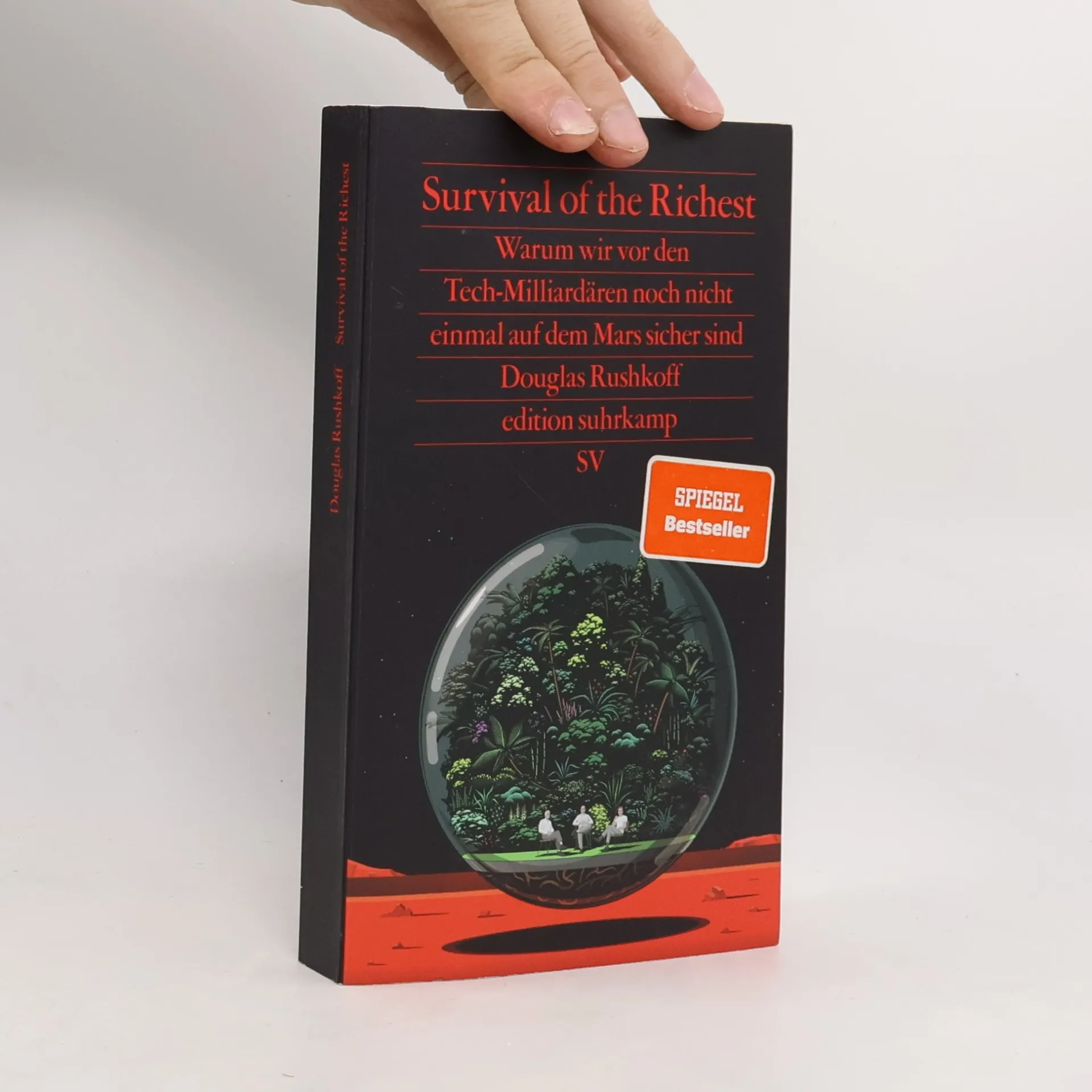
Warum wir vor den Tech-Milliardären noch nicht einmal auf dem Mars sicher sind | Eine scharfsinnige Analyse
281 Seiten
10 Lesestunden
Seit der Allianz von Donald Trump und Elon Musk ist klar, dass Tech-Milliardäre nicht nur die reichsten Männer der Welt sind, sondern auch nach politischer Macht streben und die Gesellschaft radikal umgestalten wollen. Douglas Rushkoff, ein Medientheoretiker, erhält eine Einladung zu einem exklusiven Wüstenresort und erwartet, über Zukunftstechnologien zu diskutieren. Stattdessen trifft er auf Milliardäre, die ihn über Luxusbunker und Marskolonien befragen. Während die Welt mit Klimakatastrophen und sozialen Krisen kämpft, machen sich diese Männer Gedanken darüber, wie sie ihre Privatarmeen im Falle eines Systemkollapses kontrollieren können. Rushkoff, der die Internetrevolution seit Jahrzehnten verfolgt und Begriffe wie „viral gehen“ und „Digital Natives“ geprägt hat, zeigt auf, wie aus der Aufbruchsstimmung der 1990er Jahre ein Programm aus Angst und Größenwahn wurde. Viele Tech-Unternehmer wollen die Normalsterblichen hinter sich lassen, während sie als Visionäre gefeiert werden. Angesichts der Zerrüttungen, die ihre Geschäftsmodelle verursachen, müssen wir uns von ihrem Mindset befreien, denn sie werden uns auf ihrem Exodus nicht mitnehmen. Es ist ein leidenschaftliches Plädoyer gegen Egomanie und für die Wiederentdeckung kooperativen Handelns.
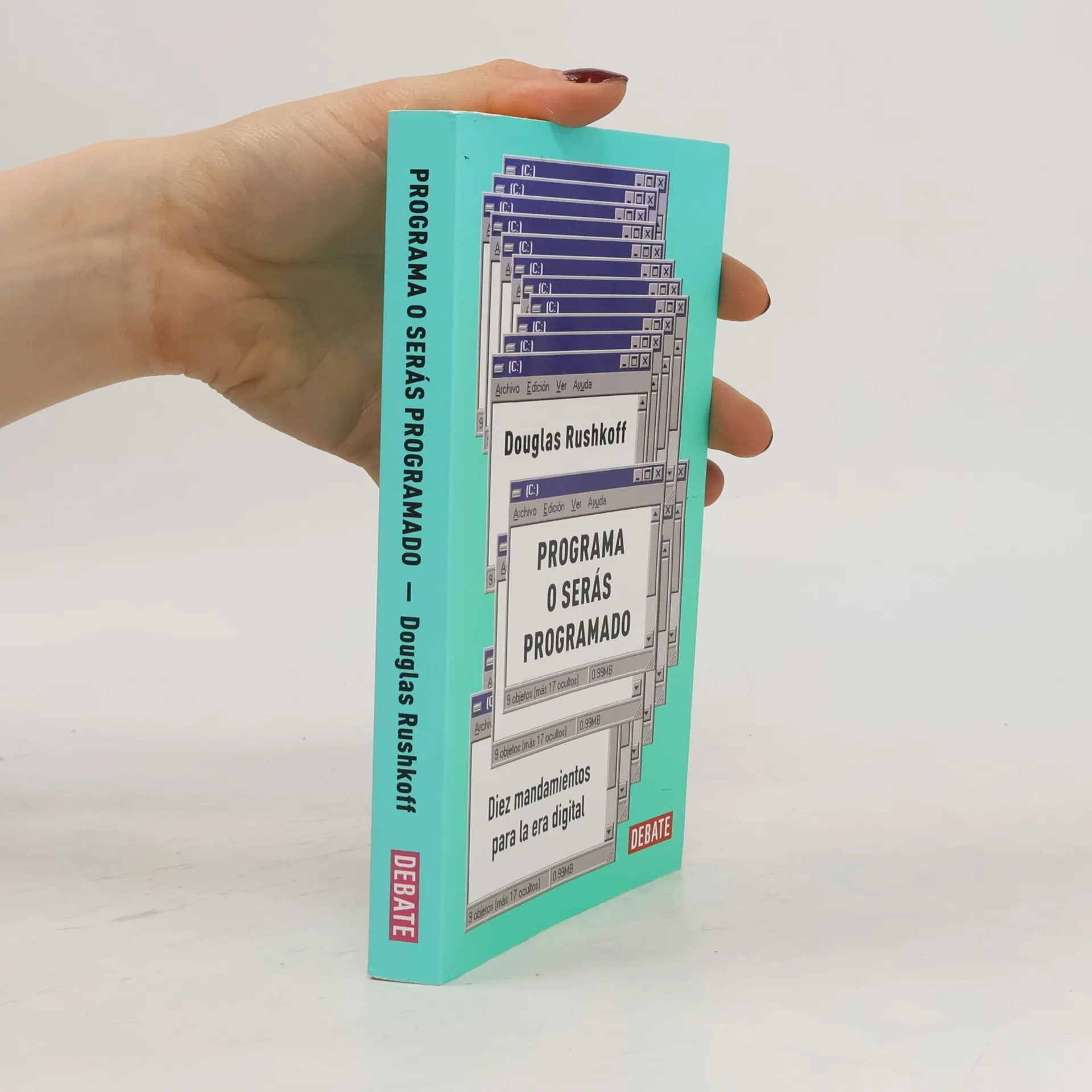
El debate sobre si la red es buena o mala es irrelevante: la red está aquí para quedarse y si bien somos cada vez más conscientes de los muchos problemas que ha engendrado la era digital, lo que se requiere ahora es una respuesta humana a la evolución de estas tecnologías. Para Rushkoff es imprescindible empezar a codificar los cambios por los que estamos pasando y desarrollar un nuevo patrón ético, comportamental y comercial para guiarnos. Estamos viviendo un cambio de paradigma real y sin embargo tenemos escasa comprensión de lo que nos ocurre y de cómo superarlo. La verdadera pregunta que debemos plantearnos es, ¿dirigimos la tecnología, o nos dejamos dirigir por ella y aquellos que la han dominado? En el paisaje altamente programado en el que vivimos podemos crear el software o podemos ser el software; programar o ser programados. Hasta ahora, nos hemos limito a ser programados. En este pequeño y valioso libro Rushkoff ofrece tanto a los entusiastas cibernéticos como a los tecnófobos las pautas para navegar en este nuevo universo digital y recuperar el control de nuestras vidas.
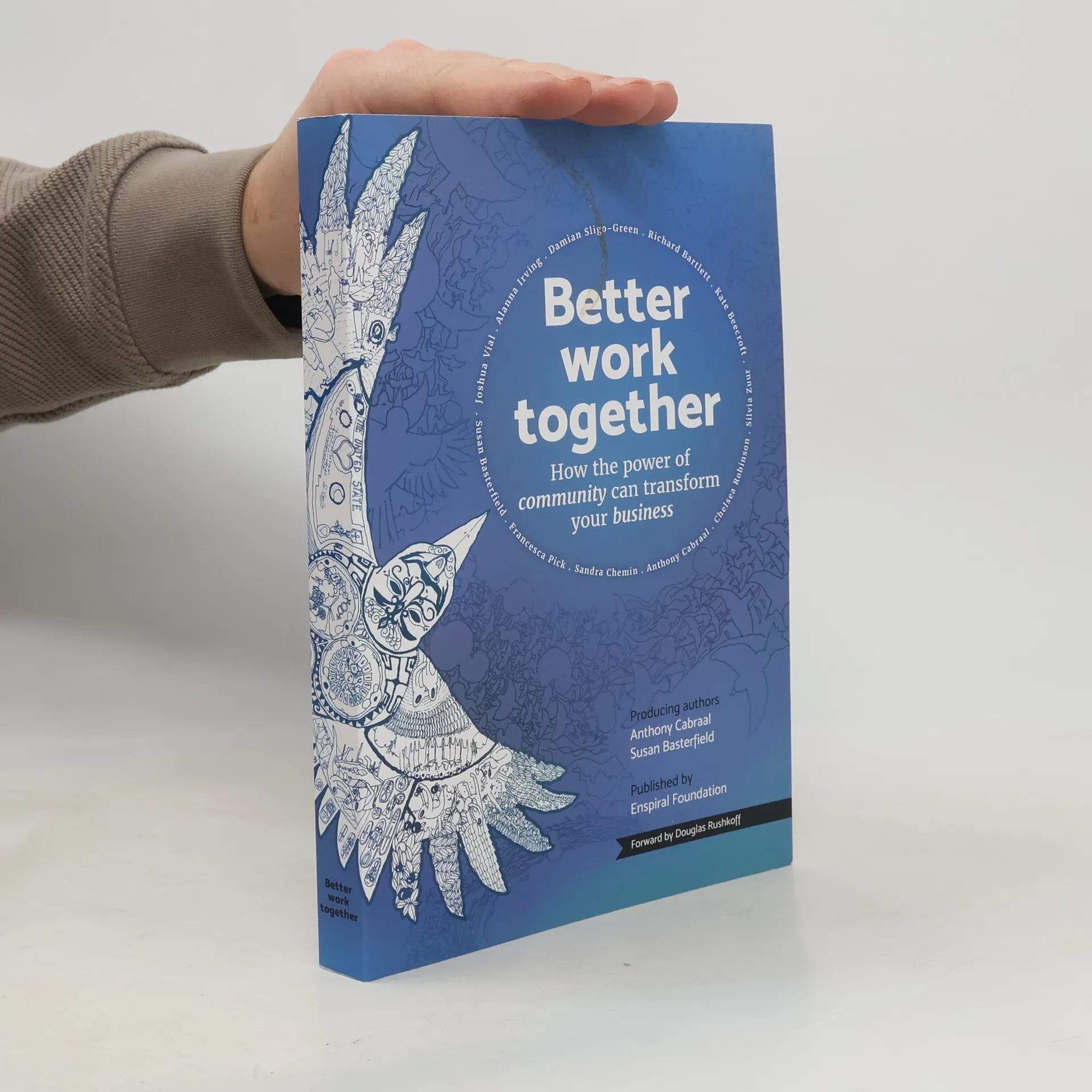
How the Power of Community Can Transform Your Business
289 Seiten
11 Lesestunden
This is not a book of theory. It’s a collection of real stories and tools from the front lines of the future of working together.Learn to create radically collaborative, caring workplaces.
Porchlight’s Management and Workplace Culture Book of The Year “[A] thoroughly fascinating exploration of the long interplay between power and the technologies of communication.” —Adam Frank, NPR Team Human is a fiery distillation of preeminent digital theorist Douglas Rushkoff’s most urgent thoughts on civilization, technology, and human nature. In one hundred concise statements, he argues that we are essentially social creatures who achieve our greatest aspirations when we work together not as individuals. Yet today, an antihuman ethos has overtaken our society, undermining our ability to connect. Technologies that were meant to foster cooperation from currency to computers too often are used to exploit and divide us. If we are to adapt and survive these destructive forces, we must recognize that being human is a team sport. Rushkoff inspires us to find the others who understand this fundamental truth and reassert our humanity together.
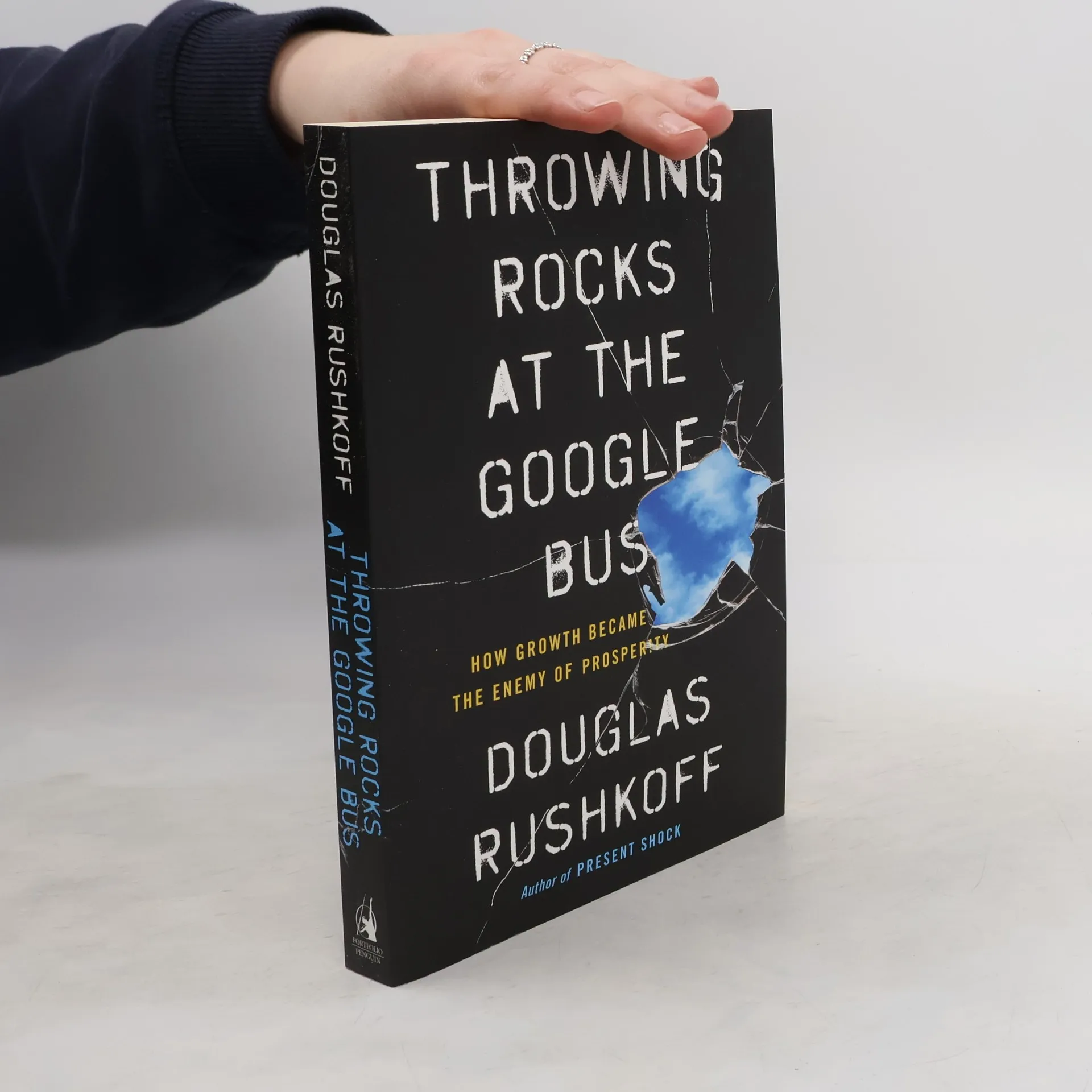
In San Francisco in 2013 activists protesting against the gentrification of their city smashed the windows of a bus carrying Google employees to work. But these protests weren't just a question of the activists versus the Googlers, or even the 99 per cent versus the 1 per cent. Rather they were symptomatic of the true conflict of our age, between humanity as a whole and a digital economy in which boundless growth is valued above all else. In this groundbreaking book, Douglas Rushkoff - named one of the world's ten most influential thinkers by MIT - lays out a ground plan for a different economic and social future. Ranging from big data to the rise of robots, from the gig economy to the collapse of the eurozone, Rushkoff shows how we can combine the best of human nature with the best of modern technology to achieve a state of sustainable, distributed wealth. It's time the economy finally worked for the human beings it's supposed to serve.
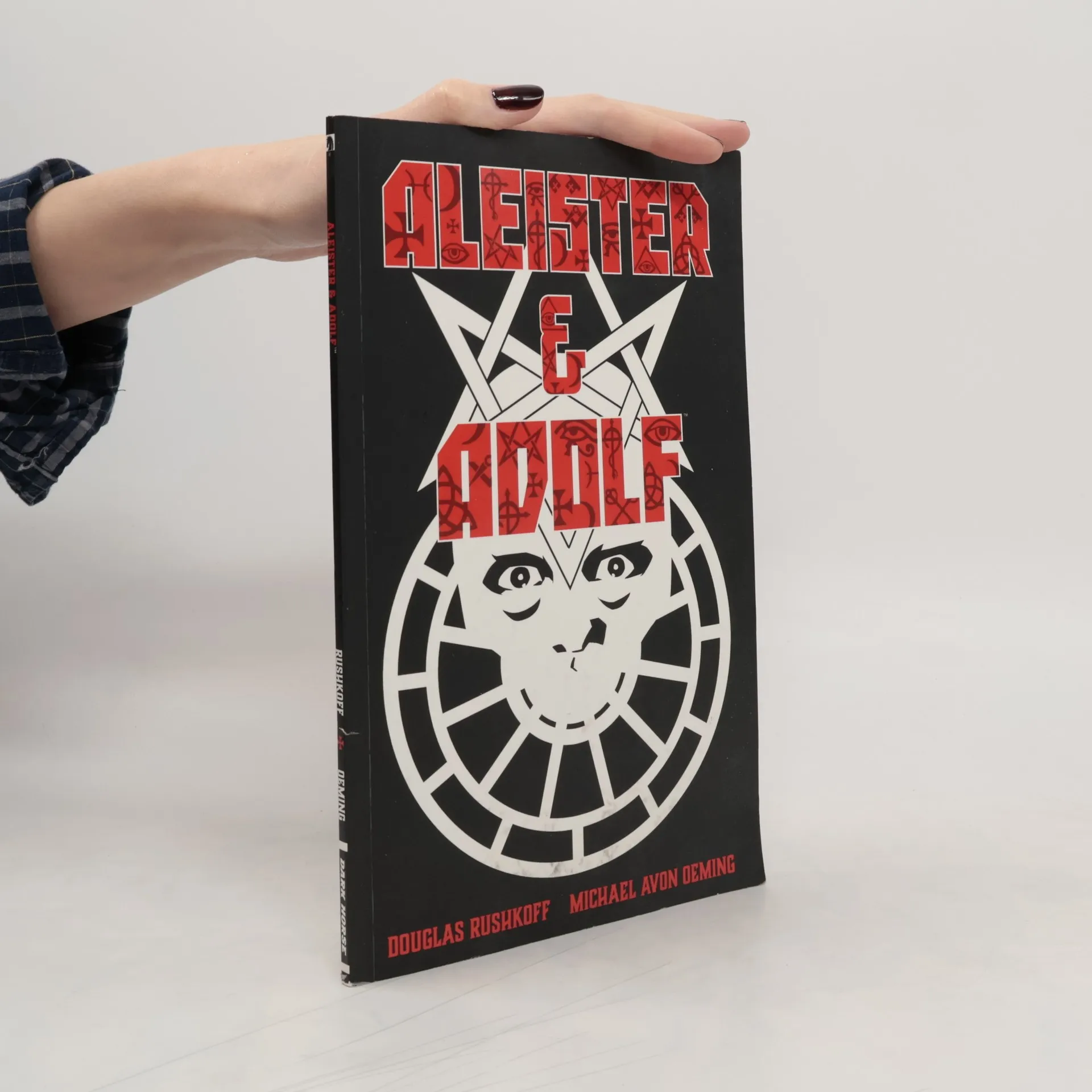
Media theorist and documentarian Douglas Rushkoff weaves a mind-bending tale of iconography and mysticism against the backdrop of a battle-torn Europe. In a story spanning generations, and featuring some of the most notable and notorious idealists of the 20th century, legendary occultist Aleister Crowley develops a powerful and dangerous new weapon to defend the world against Adolf Hitler's own war machine spawning an unconventional new form of warfare that is fought not with steel, but with symbols and ideas. Unfortunately, these intangible arsenals are much more insidious and perhaps much more dangerous than their creators could have ever conceived. "Rushkoff is a cultural treasure and an eccentric author of big, strange ideas, never less than fascinating and always entertaining." -Warren Ellis, author of Gun Machine, Red, Trees, and Transmetropolitan "Douglas has been one of my personal heroes, and I've been a most attentive reader of anything he cares to put between covers, knowing that his combination of a cold eye and a warm heart is guaranteed to astonish and embolden my own thinking about what's possible in the world--about what's possible to enact in the space between one human being and another. He occupies the ground of our most immediate perplexities, and his reports of what he finds are breaking news." -Jonathan Lethem, author of The Best American Comics and The Fortress of Solitude
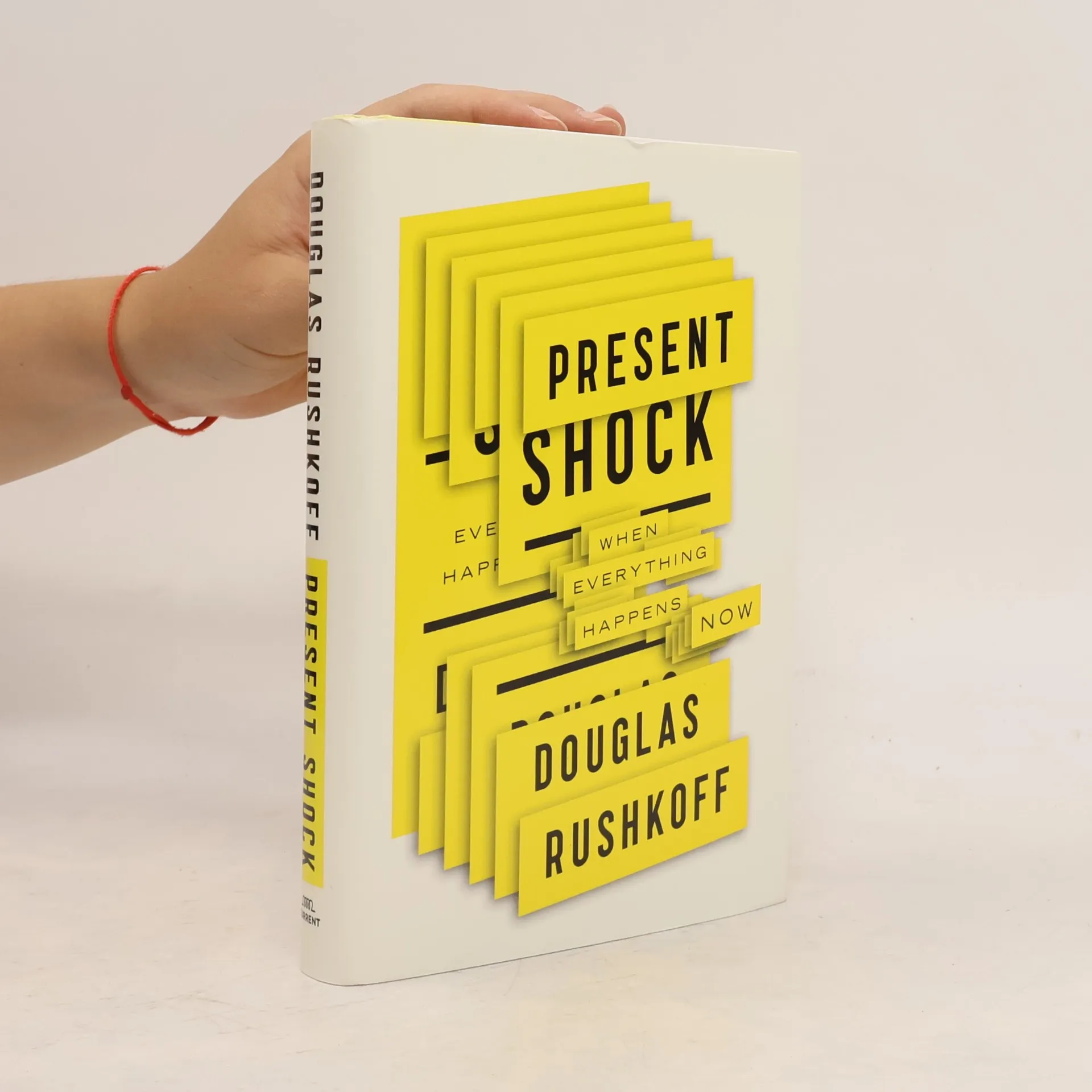
"If the end of the twentieth century can be characterized by futurism, the twenty-first can be defined by presentism." Award-winning media theorist Douglas Rushkoff argues that while we've reached the moment we've been waiting for, we are overwhelmed by an always-on, live-streamed reality that we can never fully inhabit. This has profound effects on our lives. In the twentieth century, we were obsessed with the future, developing technologies to connect us and compress time and space. Now, in a continuous present enabled by digital platforms, we find ourselves in a state of "present shock," unable to truly grasp the now. Rushkoff connects various trends and events to illustrate how living in this eternal present impacts our biology, behavior, politics, and culture. He explores our fascination with zombie apocalypse fiction as a longing for closure, the duality of movements like the Tea Party and Occupy Wall Street, and the shift from long-term corporate investing to real-time stock market maneuvers. He also discusses how 9/11 severed a generation's connection to history and why conspiracy theories provide comfort. Ultimately, we can either succumb to information overload or choose to engage meaningfully in the present, prioritizing human connection over digital interactions. Rushkoff offers a hopeful perspective for those seeking to navigate the complexities of modern existence.
Die führenden Wissenschaftler unserer Zeit stellen die brillantesten Theorien vor
Brillante Theorien in der Wissenschaft - das sind solche, die tiefe und komplexe Fragen einfach, elegant und überraschend beantworten. Doch welche sind das? John Brockman, Wissenschaftsaktivist, Visionär und Literaturagent hat die führenden Wissenschaftler der Welt gefragt, welche Theorie sie am brillantesten finden. Entstanden ist ein kurzweiliges, unterhaltsames und inspirierendes Panorama aus allen Bereichen der Wissenschaft; mit Beiträgen u.a. von Richard Dawkins, Steven Pinker, Gerd Gigerenzer, Anton Zeilinger, Lisa Randall, Brian Eno, Eric R. Kandel, Ernst Pöppel, Jared Diamond, Douglas Coupland und vielen anderen. ”Wichtige, scharfsinnige und ambitionierte Fragen ... von einer atemberaubenden Bandbreite.“ New Scientist ”Bietet die seltene Chance, große Ideen zu entdecken, bevor sie Mainstream werden“ The New York Times.
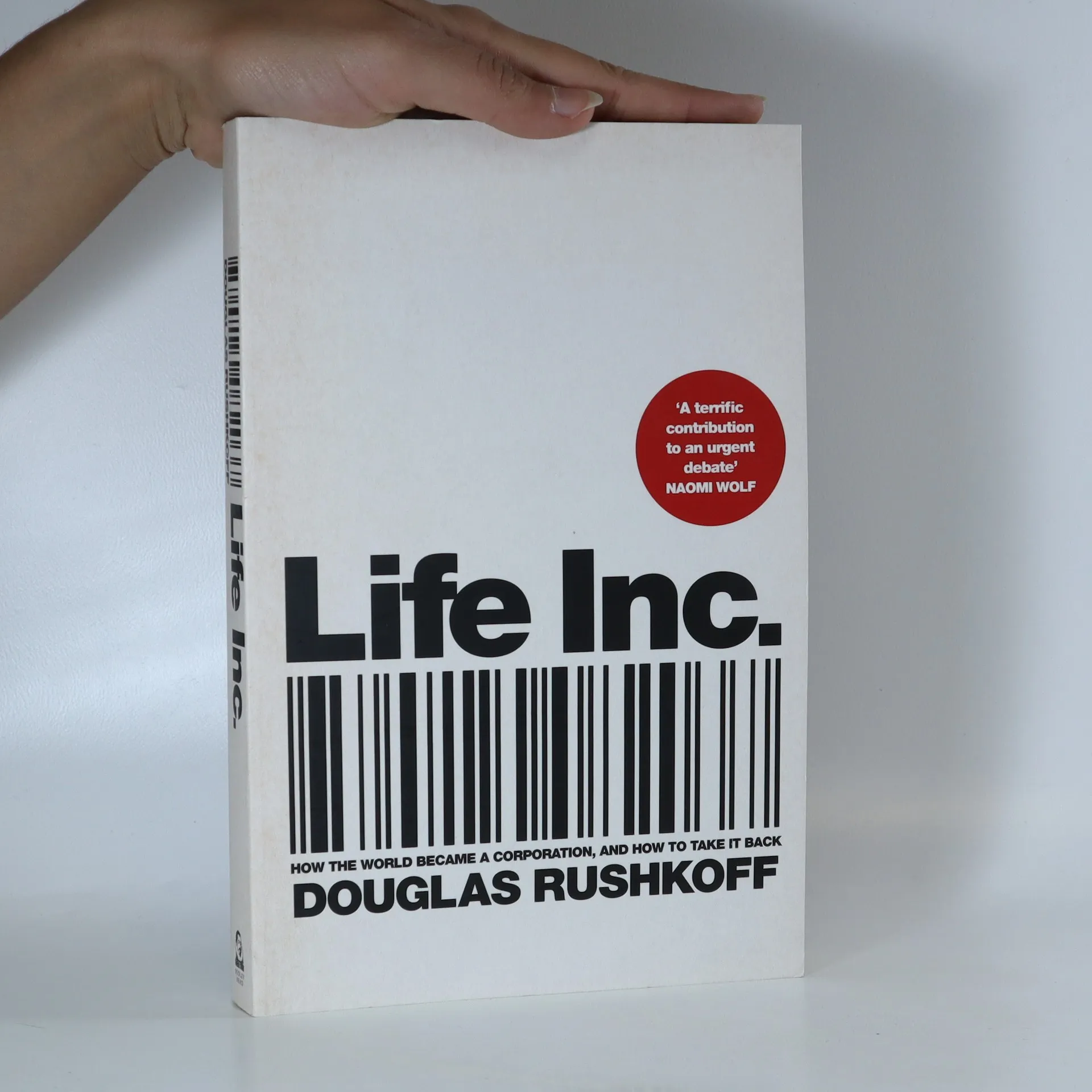
In 'Life Inc.' Douglas Rushkoff offers a timely, provocative and urgent look at the origins and nature of the modern corporate system, a world in which everything can be commodified, a closed system that conquers not through exclusion but total inclusion.
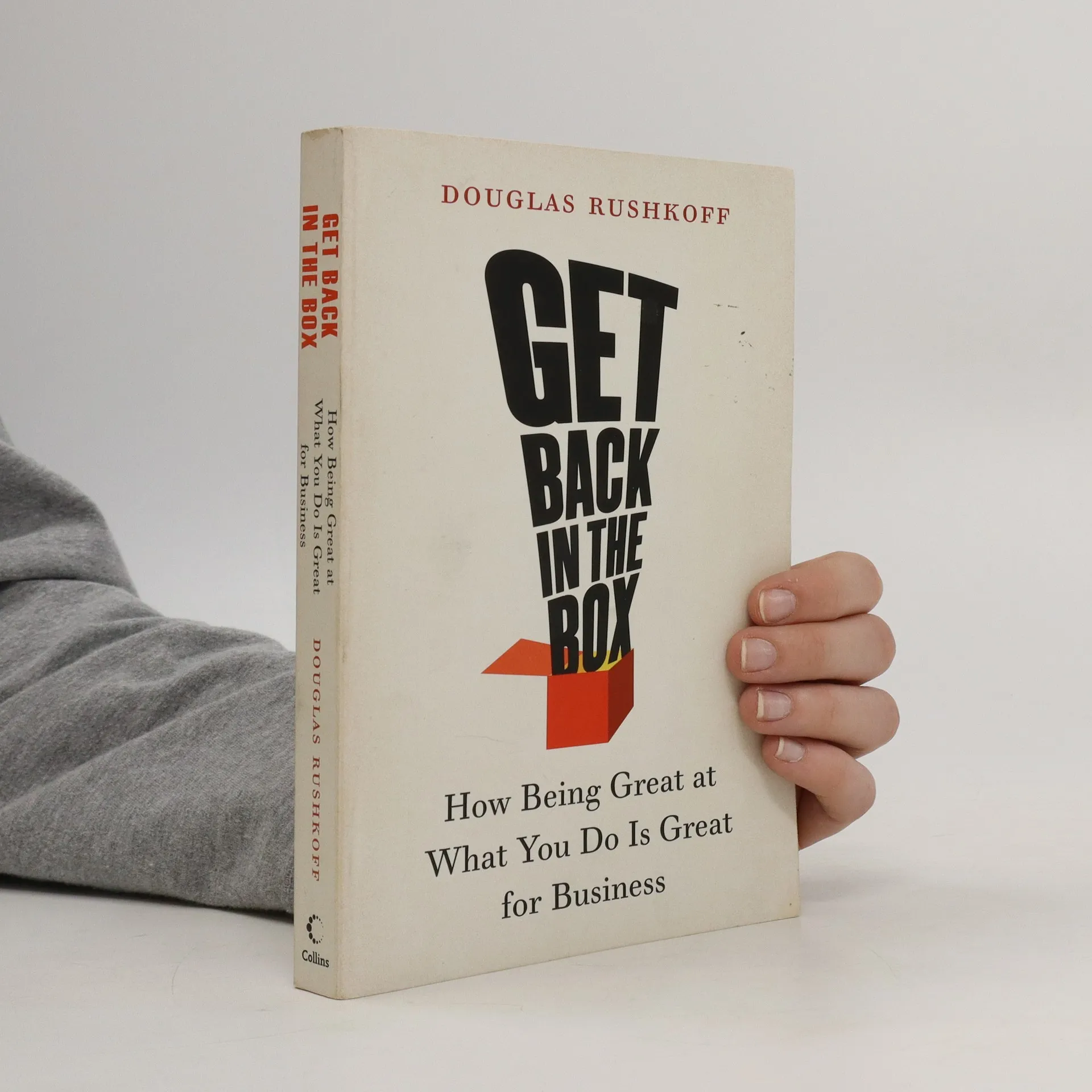
Douglas Rushkoff was one of the first social commentators to identify the new culture around the internet. He has spent nearly a decade advising companies on the ways they can re-orient their businesses to the transformations the internet has caused. Through his speaking and consulting, Rushkoff has discovered an important and unrecognized shift in American business. Too many companies are panicked and operating in survival mode when the worst of the crisis has already passed. Likening the internet transformation to the intellectual and technological ferment of the Enlightment, Rushkoff suggests we have a remarkable opportunity to re-integrate our new perspective with the work we actually do. Instead of running around trying to "think out of the box," Rushkoff demonstrates, now is the time to "get back in the box" and improve the way we do our jobs, run our operations and drive innovation from the ground up. Combining stories gleaned from his consulting with a thrilling tour of history's dramatic moments and clever readings of cultural shift we've just experienced, Rushkoff offers a compelling vision of the simple and effective ways businesses can re-invigorate themselves.
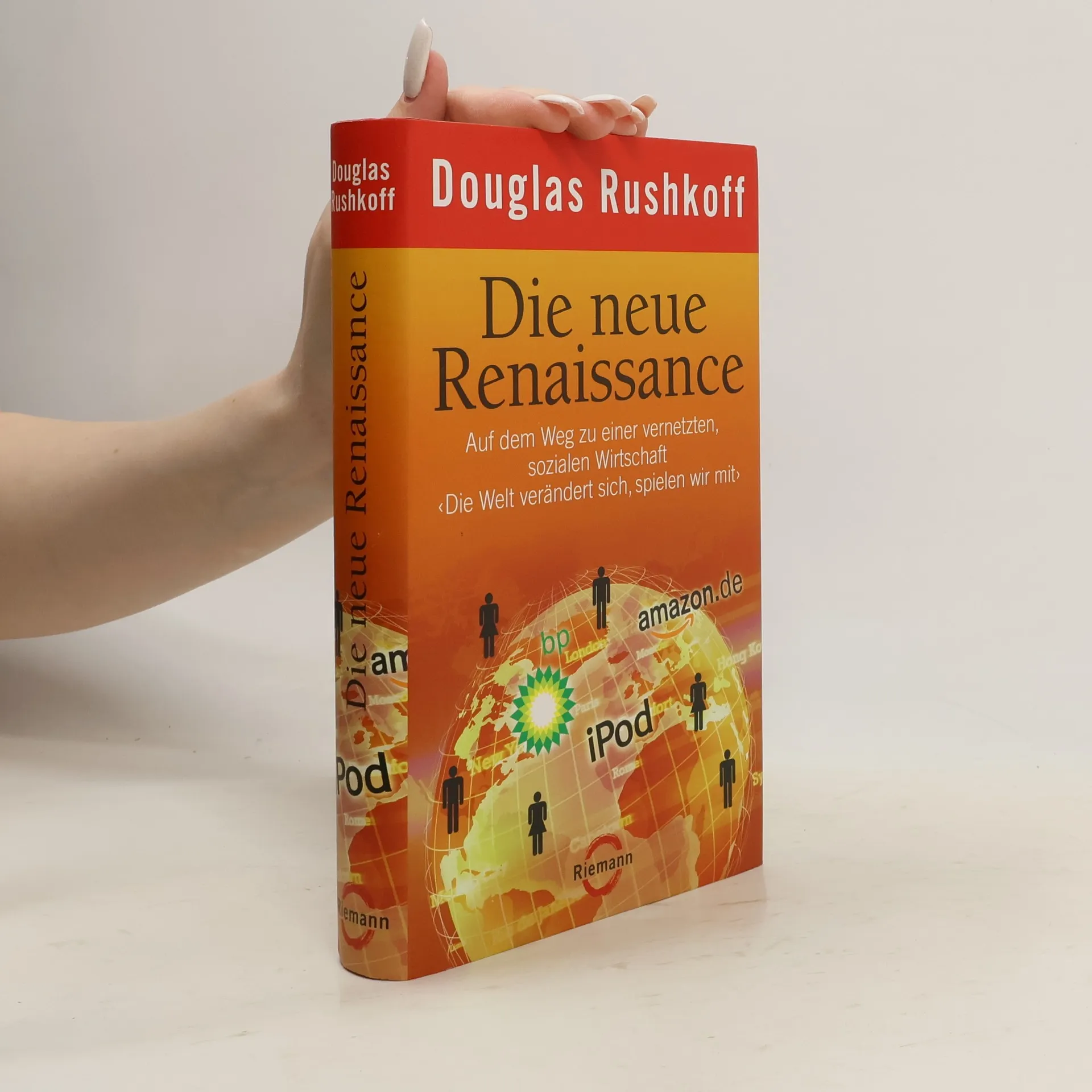
Auf dem Weg zu einer vernetzten, sozialen Wirtschaft "Die Welt verändert sich, spielen wir mit"
383 Seiten
14 Lesestunden
Die Lektüre bietet zahlreiche Beispiele und einen lockeren Stil, der das Lesen zum Vergnügen macht. Der Autor betont, dass die Welt im Wandel ist und fordert dazu auf, aktiv an der Zukunft teilzunehmen. Der Kulturkritiker und Trendscout zeigt, wie das Internet eine Umpolung in der Gesellschaft bewirkt hat, vergleichbar mit einer zweiten Renaissance. Neue Kommunikationsformen und Beziehungen entstehen, wobei hierarchische Strukturen durch interaktive Prinzipien ersetzt werden. In der Open-Source-Gesellschaft haben alle Zugang zu Wissen, wodurch sich Menschen von manipulierbaren Konsumenten zu informierten Mitgestaltern eines sozial-wirtschaftlichen Netzwerks entwickeln. Die Analyse wird als packend beschrieben und bietet neue intellektuelle Anstöße, um die gegenwärtige gesellschaftliche Entwicklung besser zu verstehen. Rushkoffs Betrachtung der vernetzten Open-Source-Gesellschaft ist ein Aufruf zur aktiven Teilnahme in einer Ära, in der das Kollektiv im Mittelpunkt steht. Es bleibt abzuwarten, ob diese "neue Renaissance" tatsächlich ein Zeitalter der Kooperation einleitet. In seinen früheren Werken hat sich der Autor als scharfsinniger Analytiker technischer und gesellschaftlicher Entwicklungen erwiesen, und es besteht Hoffnung, dass dies auch hier der Fall ist.
Makes a far-reaching, accessible case the positive impact that digital
technologies will have on our ability to participate more actively and
thoughtfully. This book includes not just examples but ideas and conclusions
drawn based on years of experience watching these ideas become incorporated
into academic, business, education and culture.
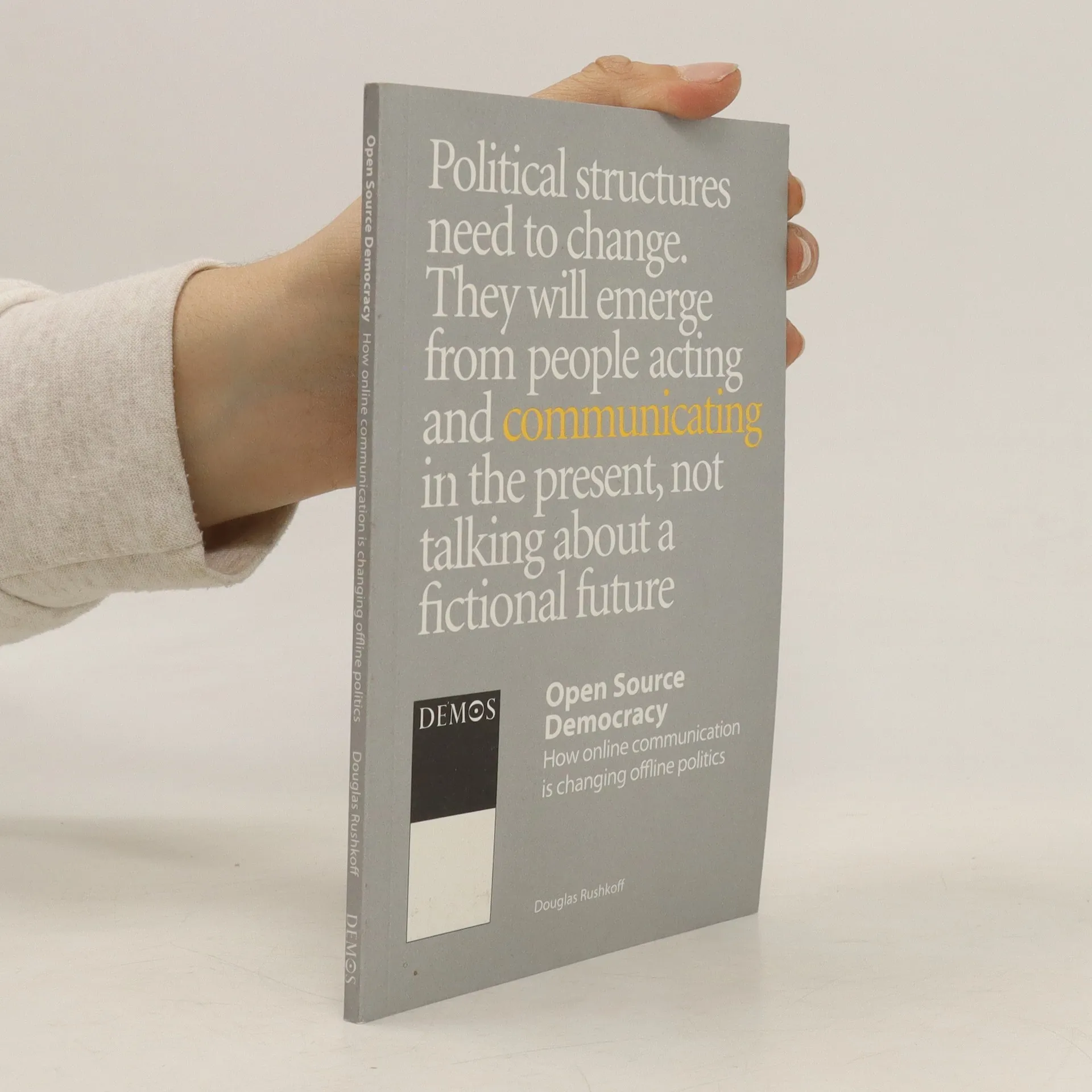
Political structures need to change. They will emerge from people acting and communicating in the present, not talking about a fictional future ... (from cover).
Kritický pohled do světa nekalých praktik podomních prodejců, sekt, pyramidového marketingu, reklamy i psychologie. Strhující sada příkladů zavádí čtenáře do zákulisí míst, kde se připravují kampaně a manipulace se zákazníky a publikem.
Autor, který pro sběr materiálu působil jako \\\"dvojí agent\\\" ve světě marketingu, je českým čtenářům znám díky překladu bestselleru Kyberie a rovněž z časopisu Živel.
Douglas Rushkoff's latest salvo on complacent media culture, set in 2008, features Jamie Cohen, a young hacker who, like the biblical Joseph, suffers betrayal and then penance (via the talk-show circuit) before joining forces with a venture capitalist determined to turn everyone into mindless consumers. Meanwhile, Jamie's former pals have developed a way to kill the Web's - and the stock market's - profit-making capacities. A dazzling satire of 1990s dot-com mania, this McLuhanesque cultural critique establishes a new publishing precedent: it is the first "open-source" ebook, annotated by online readers. This first print edition includes the best of their footnotes chosen by the author.
A manual for survival in a demanding age. Covering everything from the coercive power of casino and shopping-centre design to how door-to-door salesmen employ CIA interrogation techniques, the book shows what "they" do and how they do it.
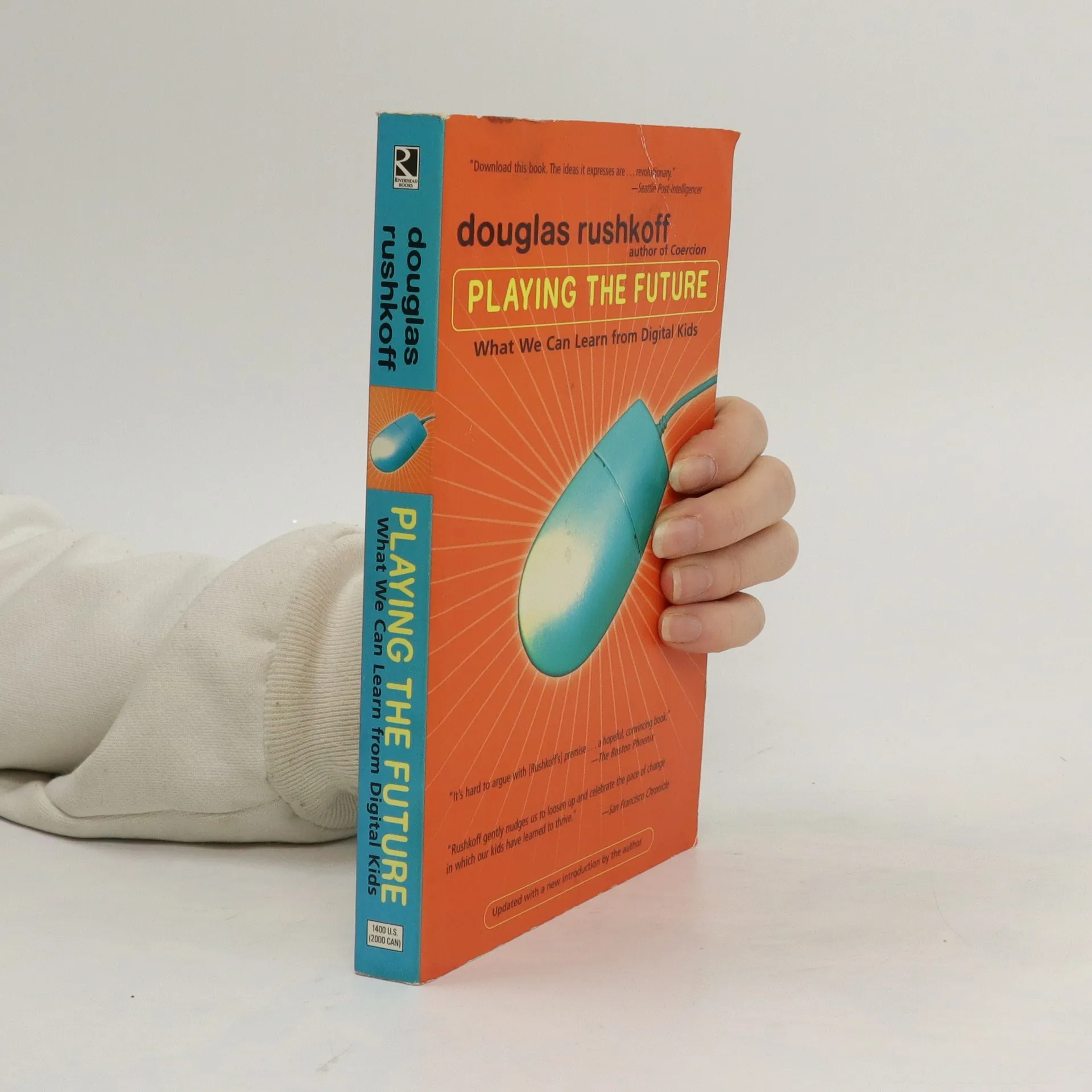
Arguing that media-saturated children have learned the necessary skills to survive and prosper in our digital age, the author uses everything from chaos theory, to Rodney King, to Star Wars to demonstrate that kids hold the key to the future. Reprint.
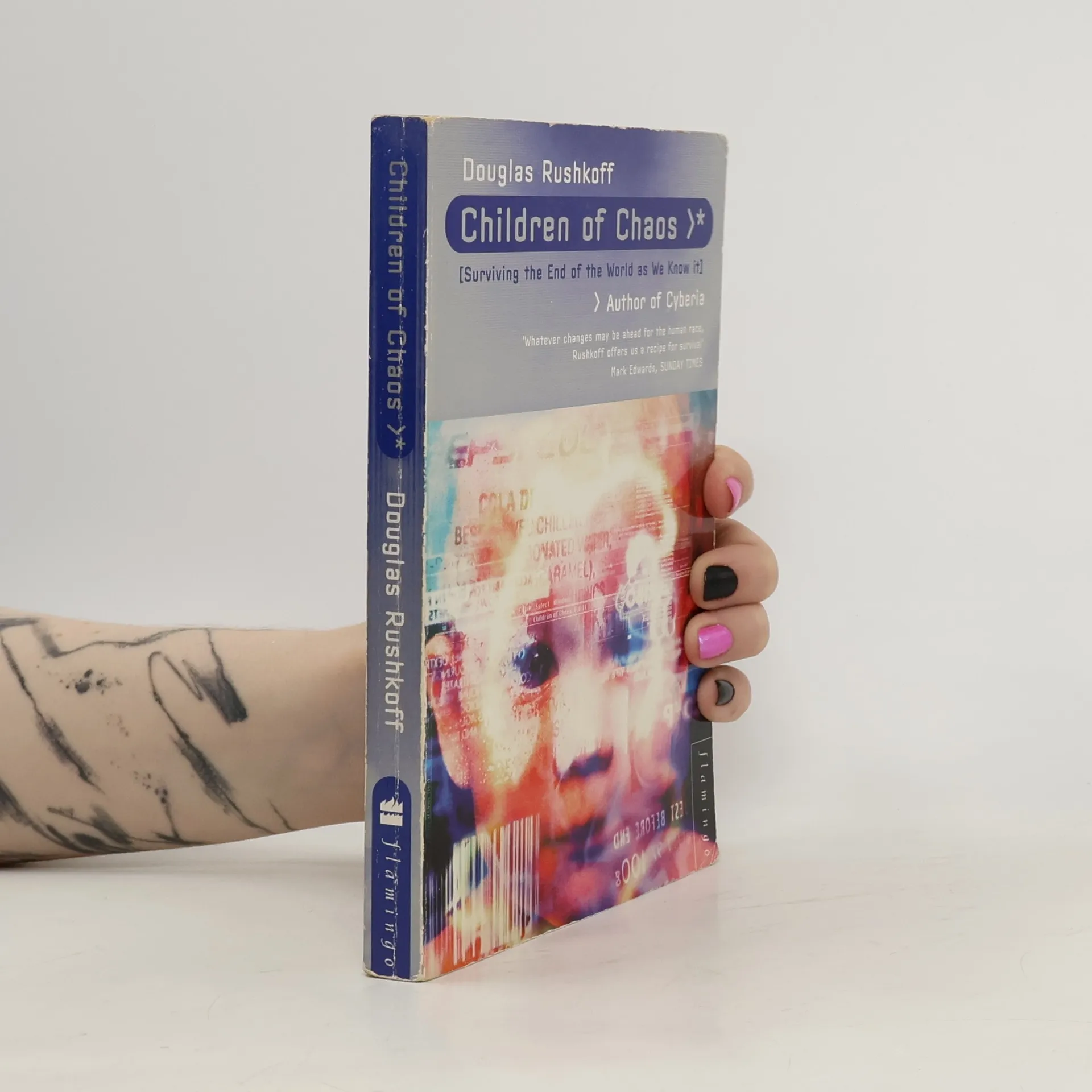
Our world is getting more complex every day. Faced by a media run amok, a rapidly expanding global economy, the collapse of national and social boundaries and the profound impact of technology on our lives, we all feel like immigrants to a very new territory. Gone is the predictability of an organized civilization, overwhelmed by a seemingly random wave of change. Like any new immigrants to an unfamiliar culture, we must look to our children for signs of how to act and think. Natives of chaos, they have already adapted to its demands.
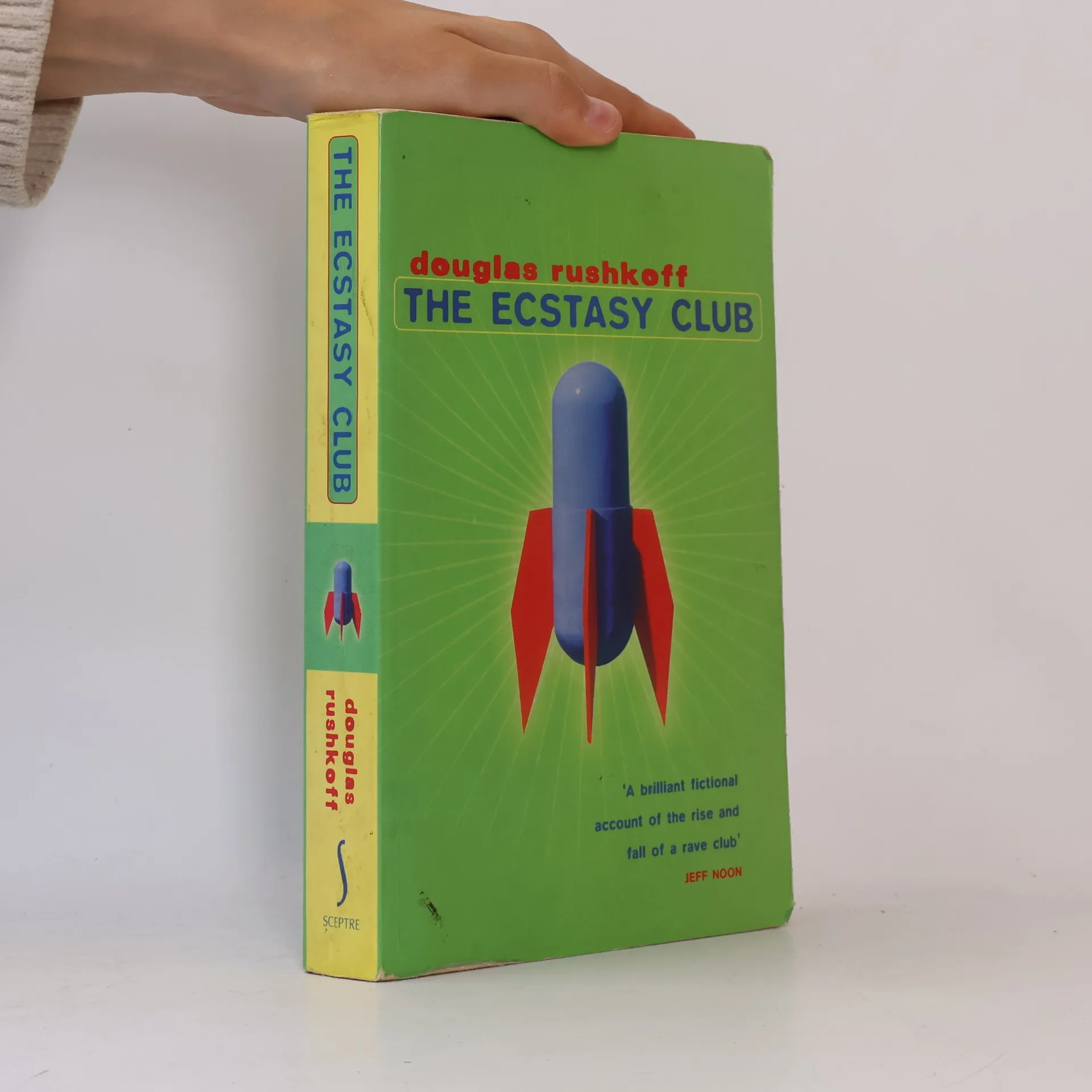
Banding together in a decrepit warehouse, a group of disenfranchised twentysomethings explore the ultimate frontier: cyberspace. Part techie heaven, part 24-hour rave, the Ecstasy Club is an electronic playground where young hackers and esoteric spiritualists strive to create a new utopia.
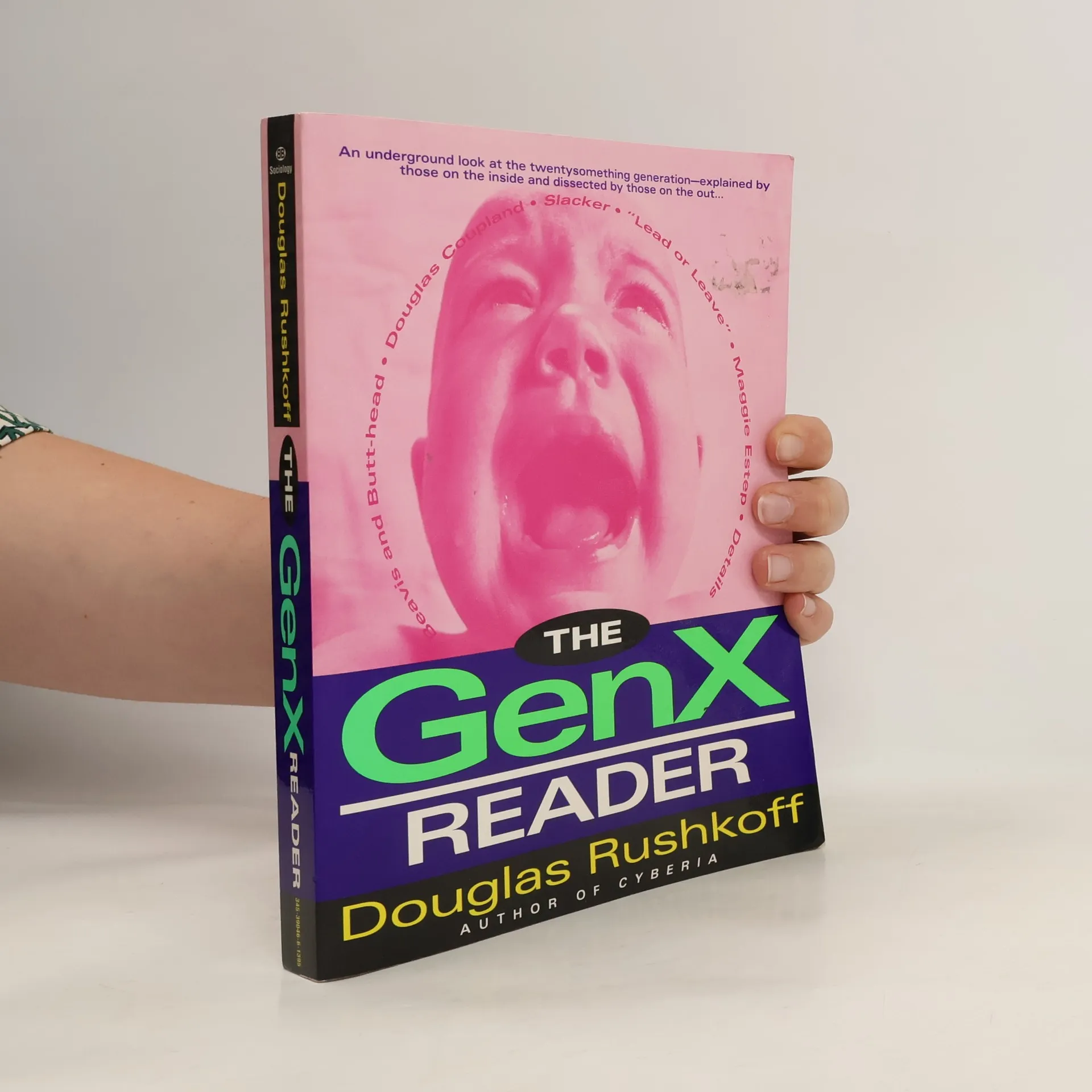
Cursed by older generations, Generations X means a lot of things to a lot of people. They are a culture, a demographic, an outlook, a style, an economy, a scene, a literature, a political ideology, an aesthetic, an age, a decade, and a way of life. Here is a collage of the most revered voices of Generation X, demonstrating that while twentysomethings may, indeed, have dropped out of American culture (as it is traditionally defined), they also stand as a testament to American ingenuity, optimism, instinct, and intelligence.
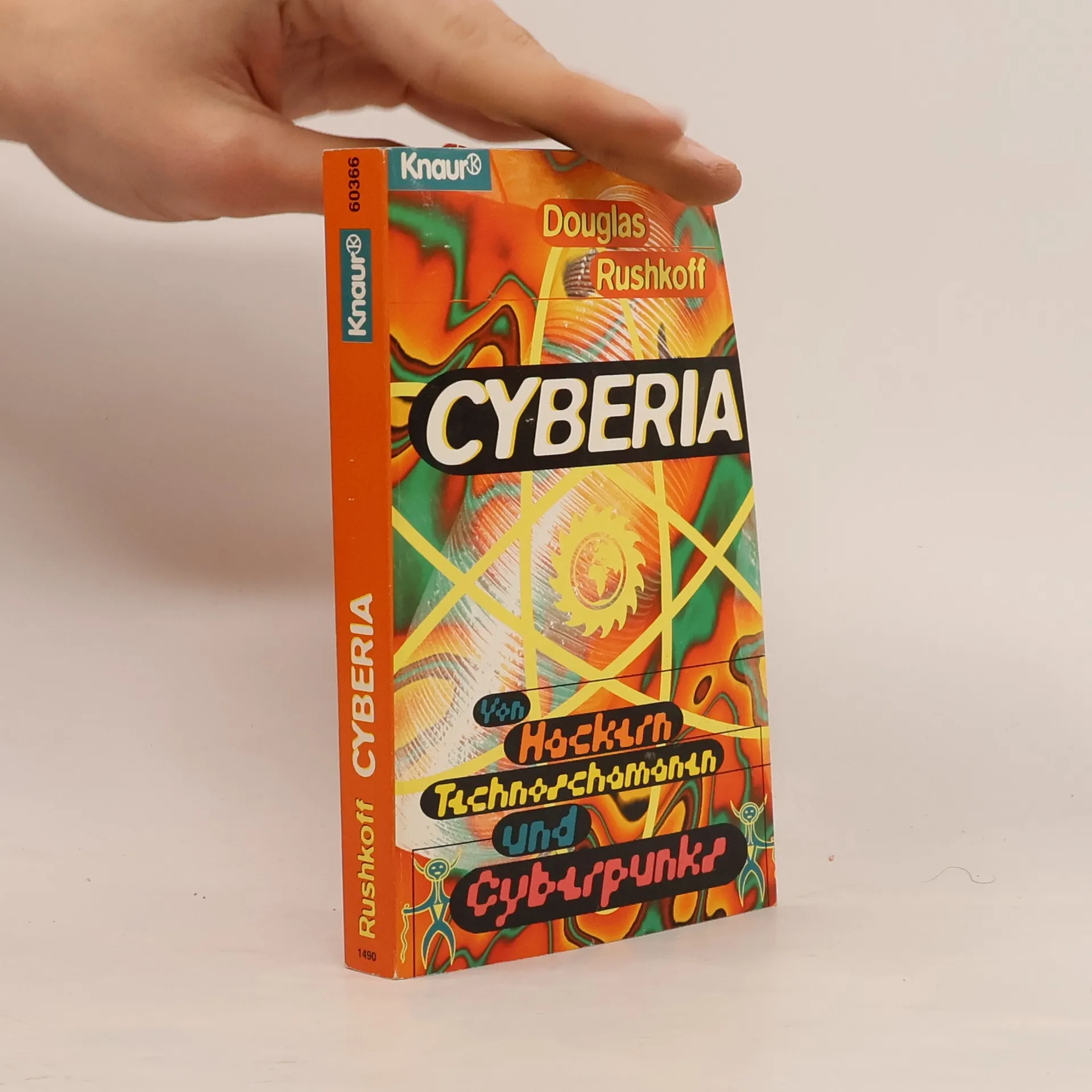
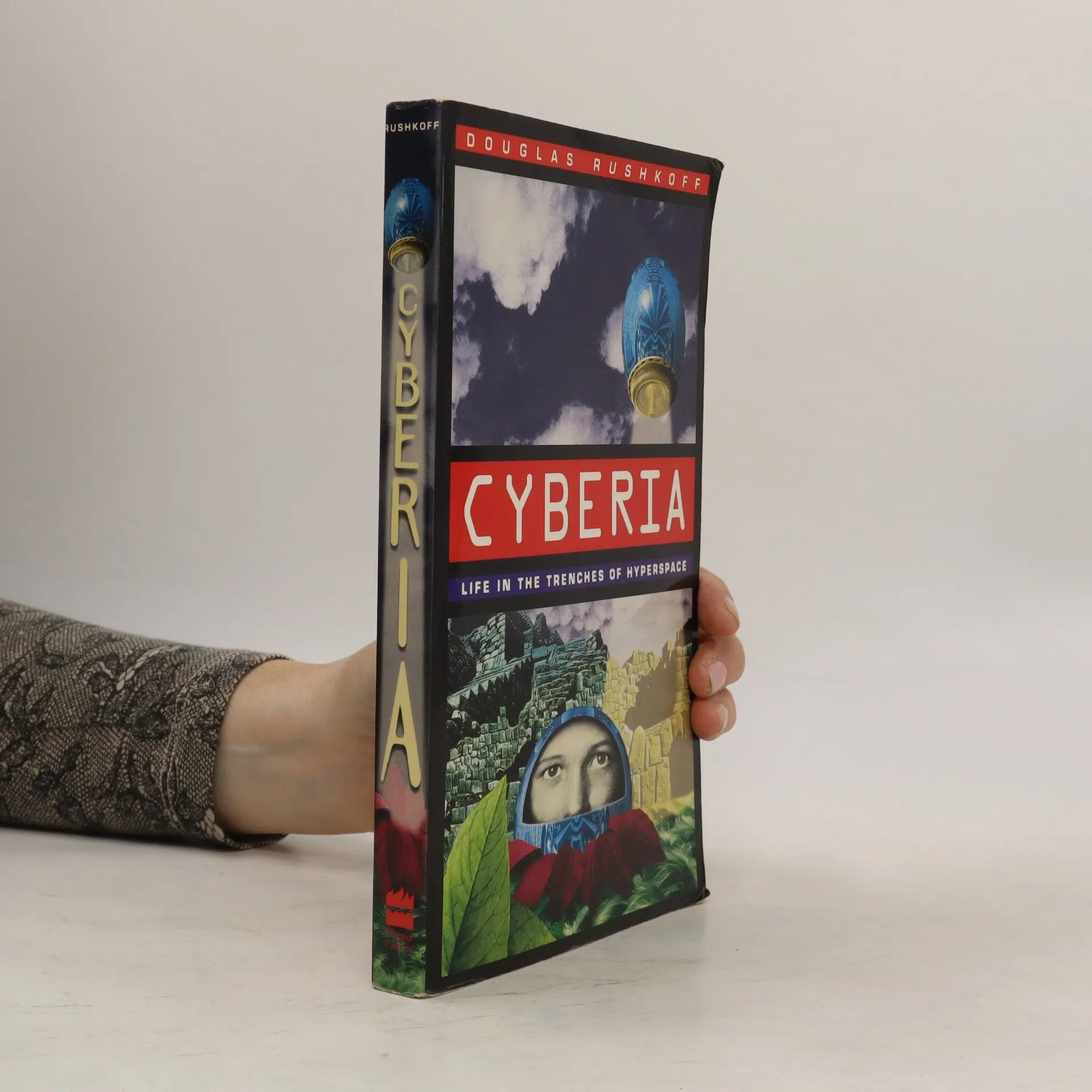
Now in paperback with a new introduction by the author, a dizzying and dangerous guided tour through 'cyberspace, ' an unfolding terrain of digital information . . . redefining reality.--Publishers Weekly. Rushkoff profiles the thinkers, technologies, sciences, and philosophies that are moving our society into the 21st Century.
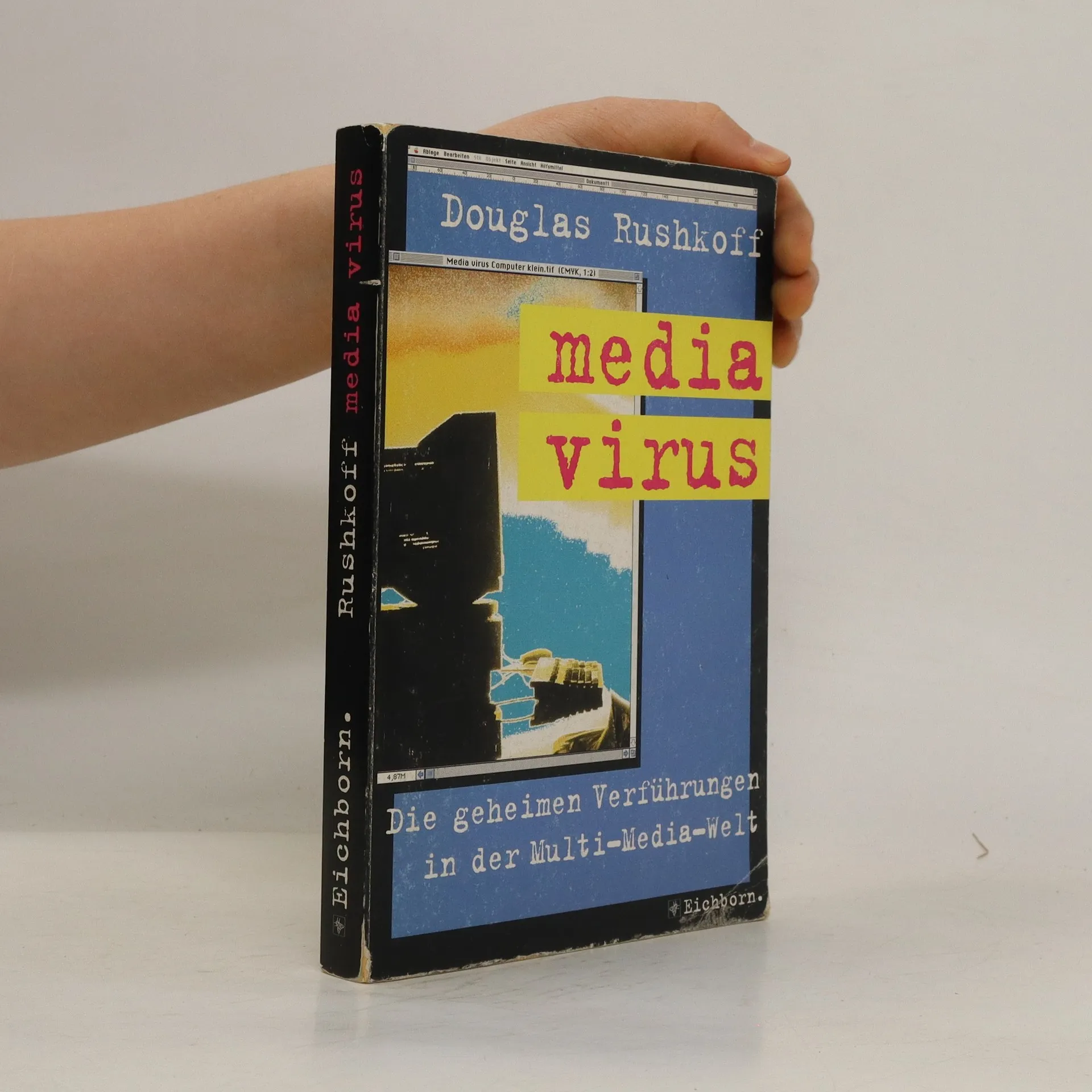
Das Verständnis der komplexen Beziehung, die die Amerikaner zur Informationstechnologie haben, zeigt, dass die Medien lebendig und dynamisch sind. Willkommen in der "Datasphäre", wo Nachrichten – gut, schlecht oder gleichgültig – sofort verbreitet werden, zusammen mit einem Strom von Informationen: Ideen, Bilder, Moden, Wahrheiten und Lügen. Die Infrastruktur dieser "Informationsautobahn", bestehend aus Kabelfernsehen, Glasfaser-Telekommunikation und verschiedenen digitalen Werkzeugen, regt dazu an, über die Natur der übermittelten Botschaften nachzudenken. Diese Erkundung geht der Frage nach, wie populäre Medien manipulieren und von denen manipuliert werden, die geschickt ihren Einfluss nutzen. Mit einer Mischung aus Amüsement und Besorgnis wird der wachsende Einfluss des "Medienvirus" hervorgehoben. Douglas Rushkoff zeigt als Kulturkritiker, wie Botschaften das Publikum "infizieren" können, von den subversiven Untertönen von Sendungen wie "Die Simpsons" bis hin zu politischen Skandalen, die zum eigenen Vorteil ausgenutzt werden. Die allgegenwärtige Natur dieses Medieninflusses bedeutet, dass man, es sei denn, man war völlig desconectiert, bereits vom Medienvirus betroffen ist. Aber keine Sorge; anstatt schädlich zu sein, fördert er kritisches Denken.