This publication focuses on making historical works accessible to individuals with impaired vision through large print reproduction. Megali, the publishing house behind this initiative, emphasizes the importance of preserving and sharing classic literature while enhancing readability for all.
Walter Pater Reihenfolge der Bücher (Chronologisch)
4. August 1839 – 30. Juli 1894

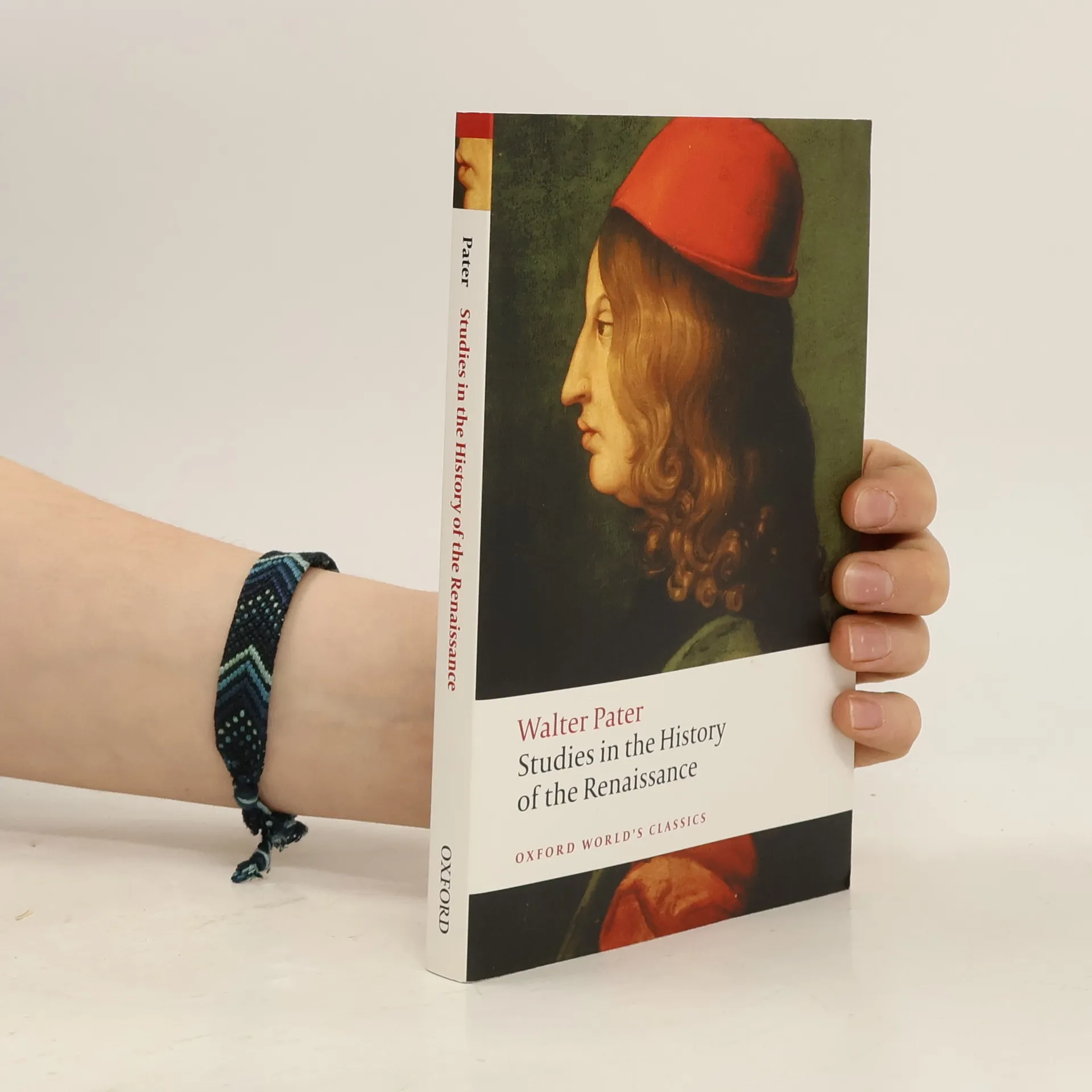


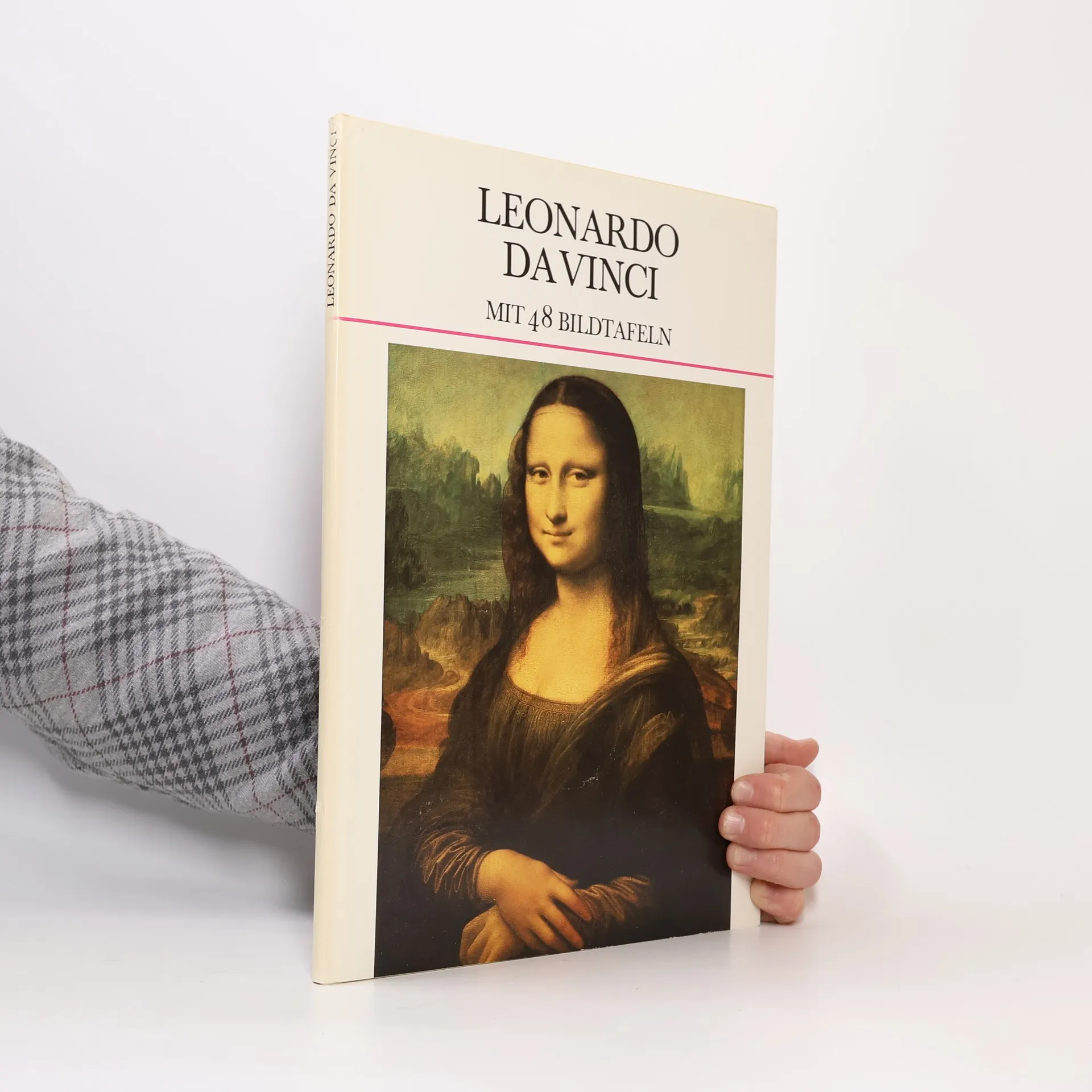
This book is a faithful reproduction of the original text, preserving the authenticity and nuances of the initial work. Readers can expect an unaltered experience that captures the essence and style of the original author. Ideal for those interested in historical literature or seeking a classic reading experience, this edition offers a glimpse into the past while maintaining the integrity of the original content.
Focusing on accessibility, this publication is a reproduction of a historical work, presented in large print to cater to individuals with impaired vision. Megali, the publishing house behind this initiative, is dedicated to making historical texts more readable and inclusive for all.
Focusing on accessibility, this publishing house specializes in reproducing historical works in large print, catering specifically to individuals with impaired vision. By enhancing readability, it ensures that a wider audience can engage with important historical texts.
This book is a reproduction of a historical work, published in large print to enhance accessibility for readers with impaired vision. The focus on readability reflects the commitment of the publishing house Megali to make literature more inclusive.
The book is a reproduction of a historical work, presented in large print to enhance accessibility for readers with impaired vision. Published by Megali, a company dedicated to making historical texts available to a wider audience, this edition aims to preserve the original content while ensuring it is easier to read.
Focusing on accessibility, this work is a reproduction of an original text published by Megali, a house dedicated to producing historical works in large print. This initiative aims to enhance readability for individuals with impaired vision, ensuring that important historical literature remains accessible to a wider audience.
The book is a reproduction of a historical work, specifically designed to cater to readers with impaired vision by using large print. Published by Megali, which focuses on making classic texts more accessible, this edition aims to preserve the original content while enhancing readability for those who may struggle with standard-sized print.
The publishing house Megali focuses on reproducing historical works in large print, catering specifically to individuals with impaired vision. This initiative enhances accessibility and ensures that important texts remain available to a broader audience, allowing readers to engage with historical literature comfortably.
Marius the Epicurean and Other Short Works
- 530 Seiten
- 19 Lesestunden
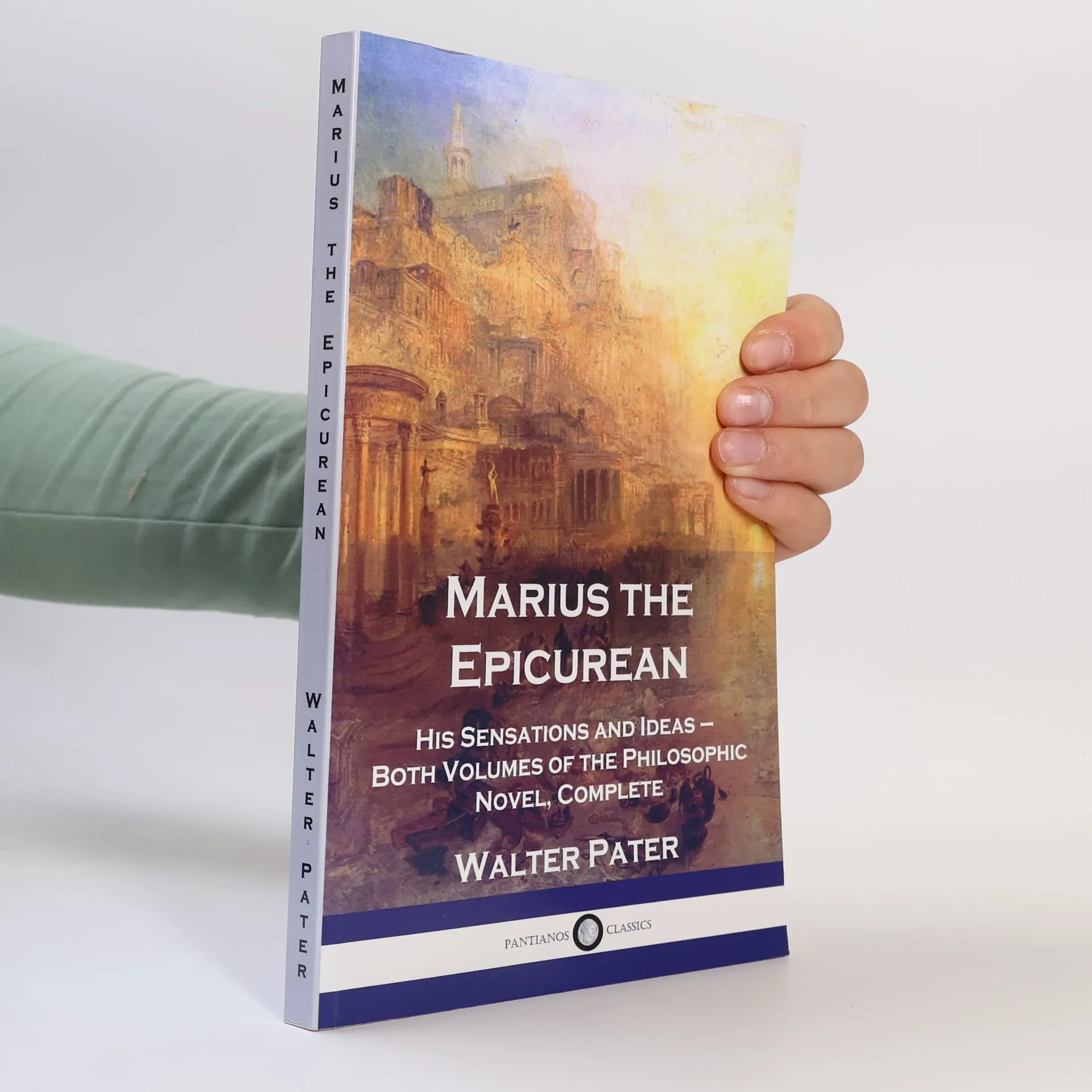
Classics: Marius the Epicurean
His Sensations and Ideas - Both Volumes of the Philosophic Novel, Complete
- 202 Seiten
- 8 Lesestunden
Marius is born into a patrician family in the second-century Roman Empire. After the death of his parents, he is sent to boarding school, where he absorbs the rituals and beliefs of his homeland. As he matures, he explores various philosophies until he becomes the amanuensis to Emperor Marcus Aurelius, a prominent Stoic thinker. Marius engages with Stoicism but soon becomes intrigued by Christianity. His quest for meaning allows Pater to explore key themes, such as the impact of childhood experiences on adult personality and the value of an aesthetic life balanced with modest pleasures, distinguishing it from hedonism's destructive excess. The narrative emphasizes Marius's inner conflict regarding religion, mirroring Pater's own longing for the simplicity of his youthful faith. Marius's journey takes him through paganism, philosophy, and Christianity, as he seeks the comfort of lost rituals. Ultimately, he finds peace elusive. The work stands as a significant milestone in 19th-century explorations of religion and philosophy, employing a complex structure of frame narratives, epistolary fragments, orations, and dialogues. This innovative approach foreshadows the modernism that would characterize 20th-century literature, earning it recognition as a remarkable fictional experiment of its time.
Through his highly idiosyncratic readings of some of the finest paintings, sculptures, and poems of the French and Italian Renaissance, Walter Pater in Studies in the History of the Renaissance redefined the practice of criticism as an impressionistic, almost erotic exploration of the critic's aesthetic responses. Pater's infamous nullConclusion, null which forever linked him with the decadent movement, scandalized many with its insistence on making pleasure the sole motive of life, even as it charmed fellow aesthetes such as Oscar Wilde. This edition of Studies reproduces the text of the first edition of 1873. Matthew Beaumont's Introduction describes the cultural context that gave rise to the book, the reasons for its notoriety, Pater's philosophical outlook, and the arguments in his book. It explores Pater's work as an attempt to preserve the unique aesthetic of a work of art in the face of encroaching mass culture. The book also includes the later chapter on Giorgione as an Appendix, comprehensive notes that identify the many literary and artistic references, and a useful glossary of names. - Publisher
Oscar Wilde called this collection of essays the "holy writ of beauty." Published to great acclaim in 1837, it examines the work of Renaissance artists such as Winckelmann and the then neglected Botticelli, and includes a celebrated discussion of the Mona Lisa in a study of Da Vinci. The book strongly influenced art students and aesthetes of the day and is still valuable for the insights it offers and the beauty of the writing.
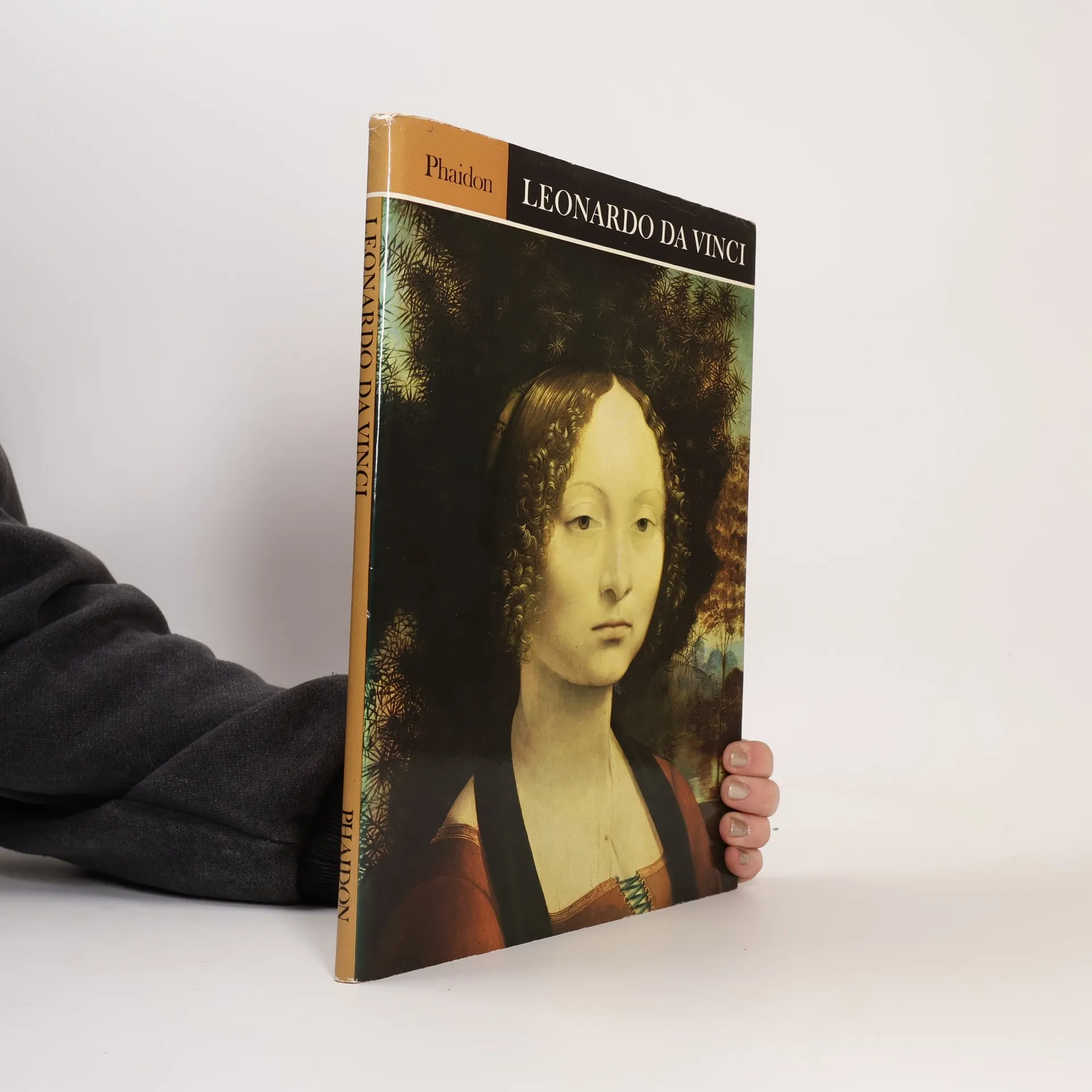
Leonardo Da Vinci
- 16 Seiten
- 1 Lesestunde
The quintessential "Renaissance man," Leonardo da Vinci (1452-1519) is still recognized today for his accomplishments in science, architecture, and philosophy, as well as his artistic masterworks. Full-color reproductions and thorough text provide a quick yet solid introduction to this master.
Uměleckokritické eseje o výtvarném a literárním díle vybraných osobností období renesance.
Historický román z dob starověkého Říma. S filosofickými rozbory, názory a postoji tehdejší doby, nástup křesťanství a ústup pohanství. Edice: Knihy dobrých autorů svazek č. 80–82.