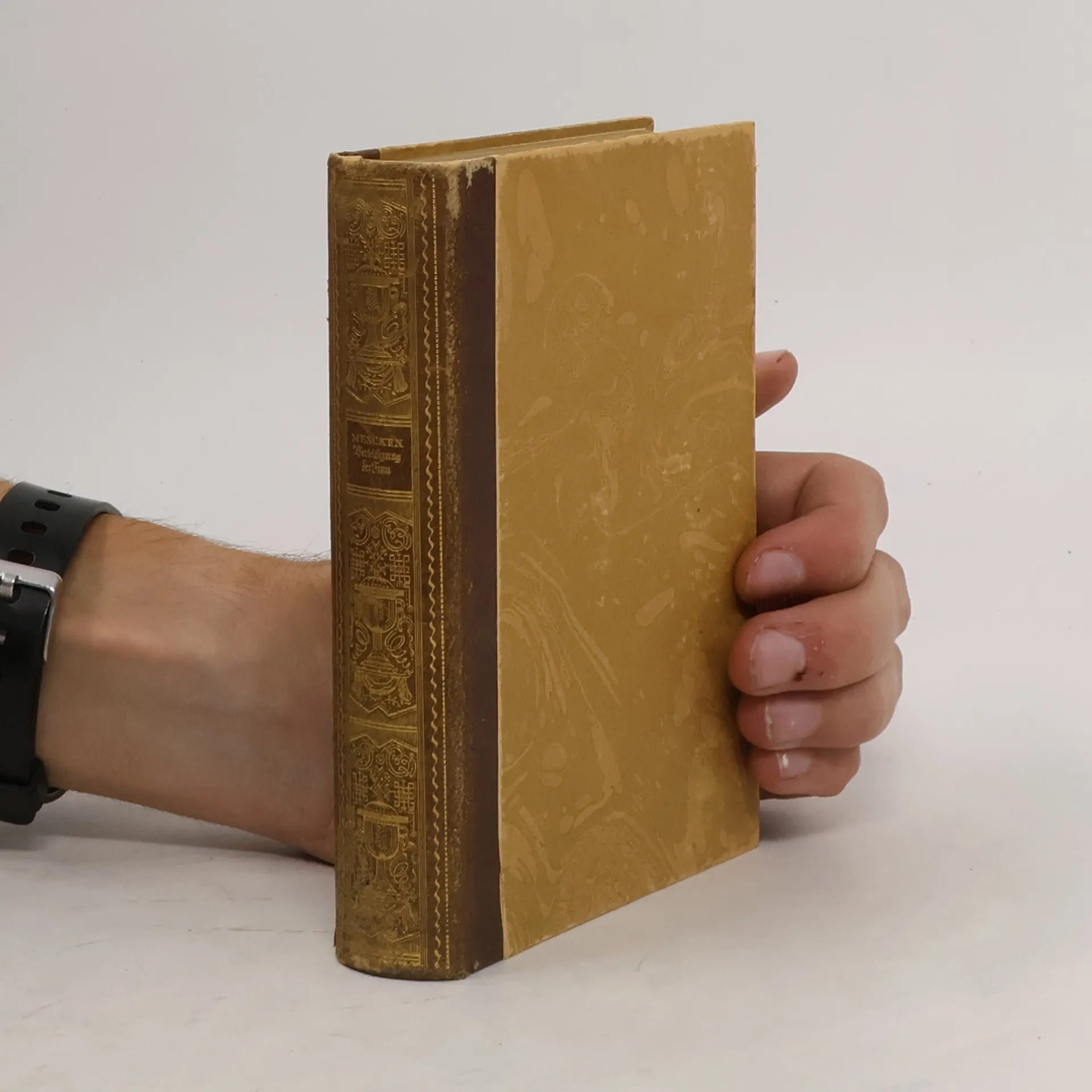
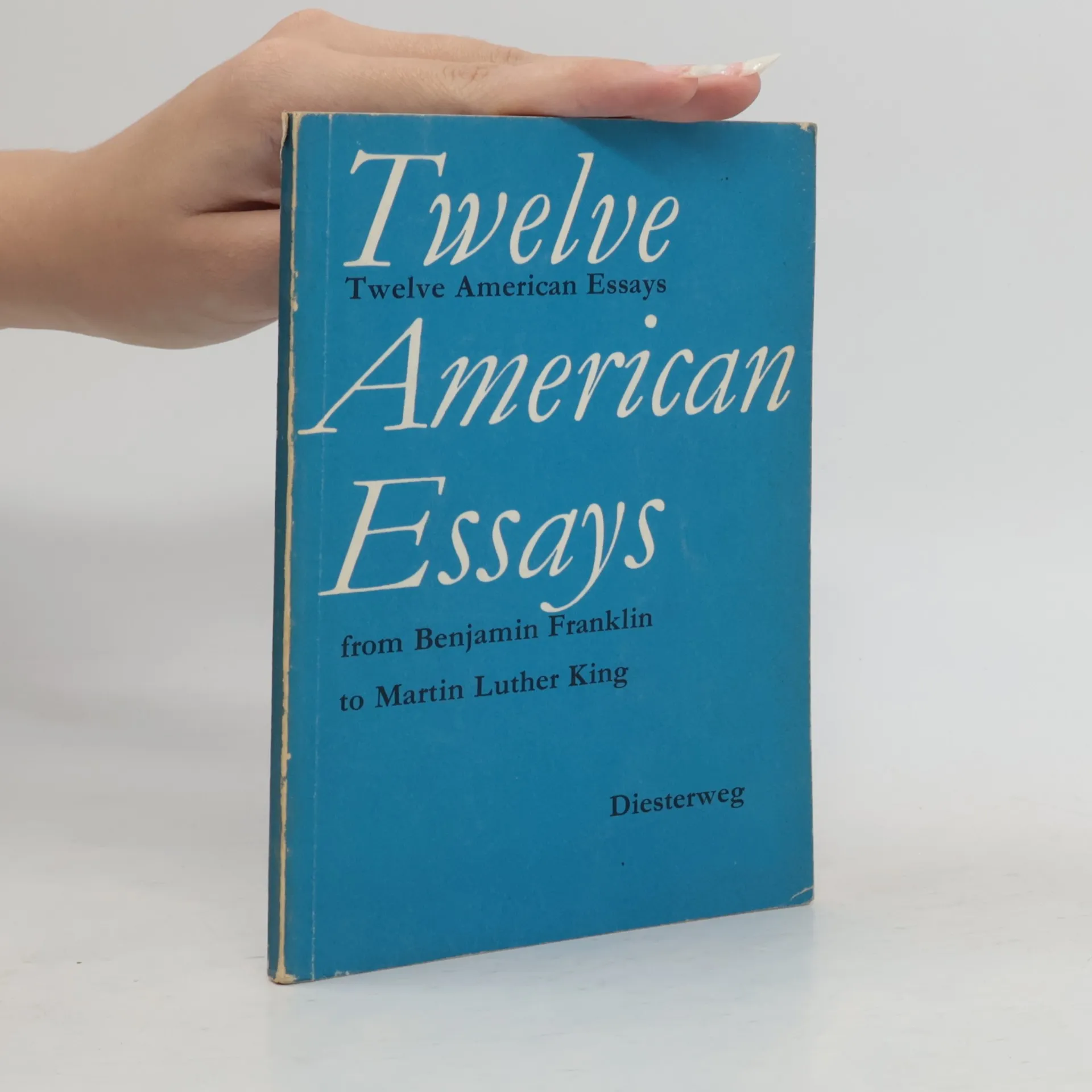
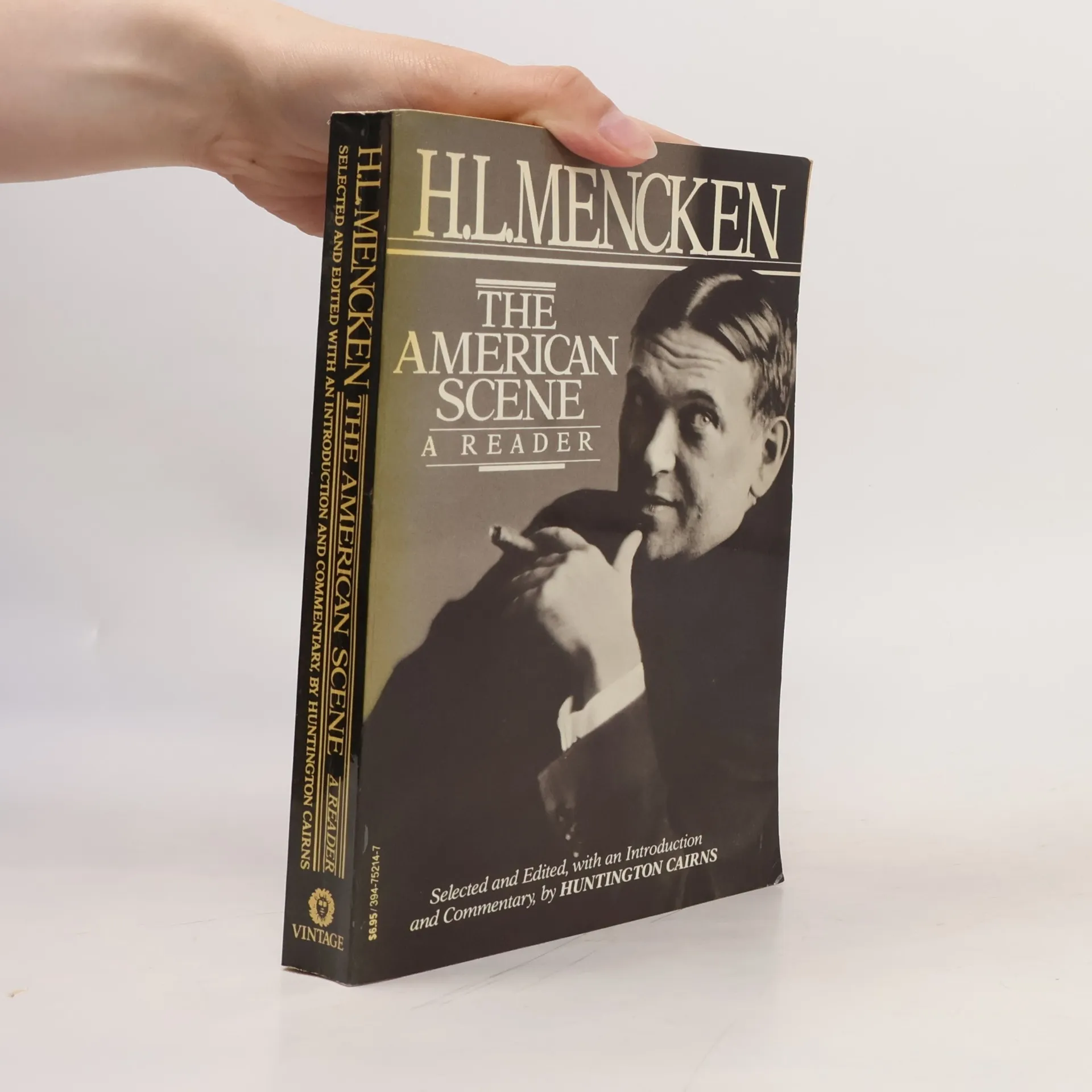
H.L. Mencken hat über Jahrzehnte zahllose Zeitungsartikel und Aufsätze verfasst, deren Vielseitigkeit, Prägnanz und Virtuosität noch heute ein besonderes Lesevergnügen bereiten. Worüber er sich auch äußert, ob über den Präsidentenkult in den USA, die amerikanische Literatur, über Moralapostel, die eigene Zunft, deutsche Komponisten oder Münchener Bier - Temperament, ein zupackender Stil und originelle Einfälle zeichnen alle diese Texte aus.
This never-before-published diary reveals the thoughts of one of America's most outspoken social critics, a columnist for the Baltimore Sun and editor of The American Mercury. Renowned for his sharp wit and incisive critiques, he was both admired and feared for his ability to expose pretentiousness and smugness. Walter Lippmann noted in 1926 that he wielded a significant influence on educated Americans. Sealed for 25 years after his death, the diary spans 1930 to 1948, offering an unvarnished view of the man, his world, and notable figures like Theodore Dreiser, F. Scott Fitzgerald, Sinclair Lewis, and Franklin D. Roosevelt, whom he famously despised.
From over 2,000 pages, scholar Charles A. Fecher has curated a selection of entries that capture the full spectrum of Mencken's personality. Readers will encounter Mencken as a unique observer of American society, alongside his contradictions: a skeptic with superstitions, a bold critic who was also a hypochondriac, and a loving husband who struggled with bigotry. The diary presents Mencken in all his outrageous vitality, showcasing the brilliance that made him a vital part of America's intellectual landscape.
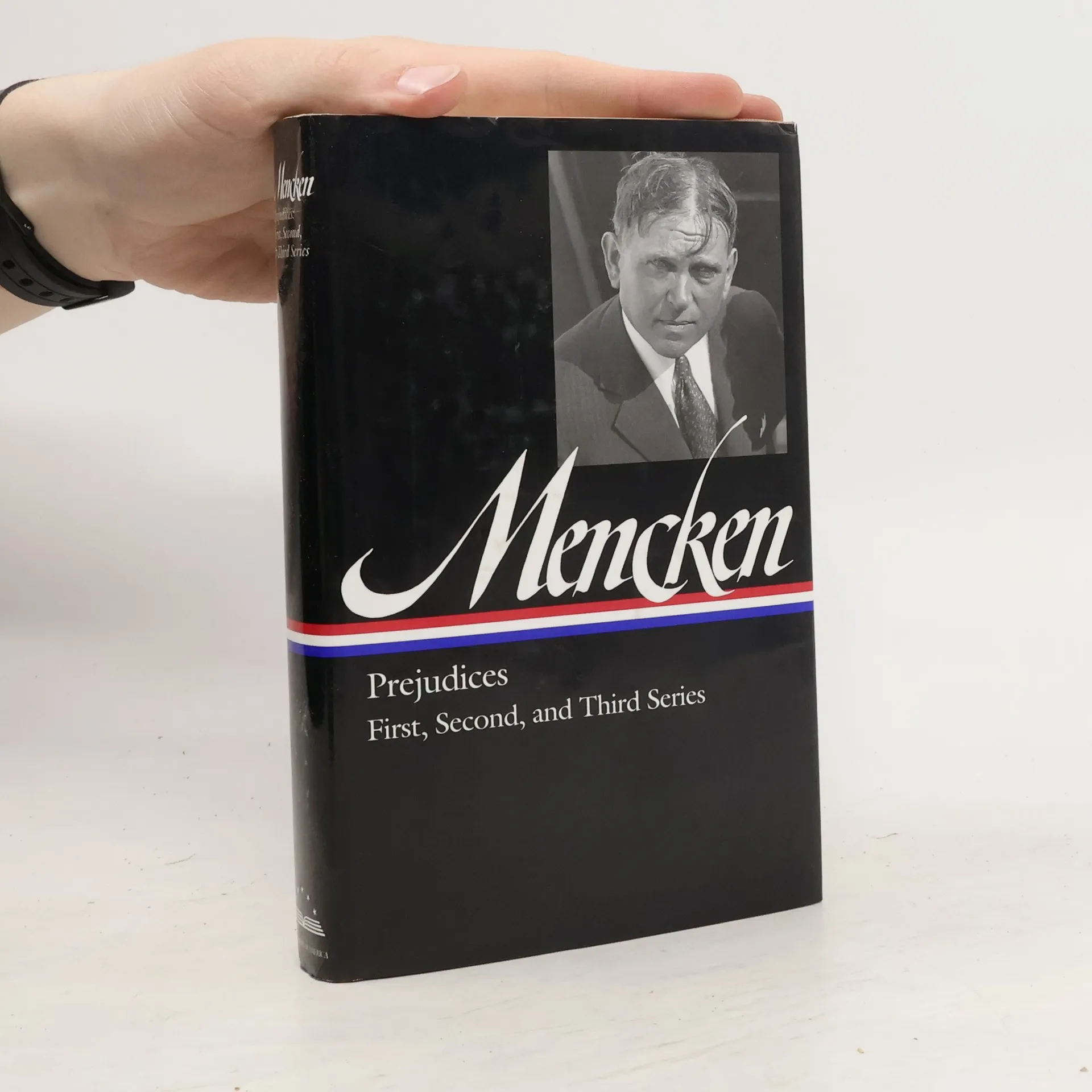
These essays, first published between 1919 and 1927, ushered in a new cosmopolitanism and skepticism in twentieth-century America. Taking on all aspects of the conformism and provincial narrowness of the American worldview that he saw, Mencken launched himself at a wide variety of targets with his usual humor and richness.
A critical examination of democracy, this work categorizes political leaders as either demagogues or pandering politicians, highlighting their manipulative tactics and moral compromises. Mencken's sharp commentary portrays politicians as individuals who sacrifice their integrity for power. Lauded as a "tremendous polemic" by Walter Lippmann, the book challenges and ridicules the democratic ideals established by American pioneers, questioning the very foundations of democratic governance. This reprint faithfully reproduces the original 1926 edition.
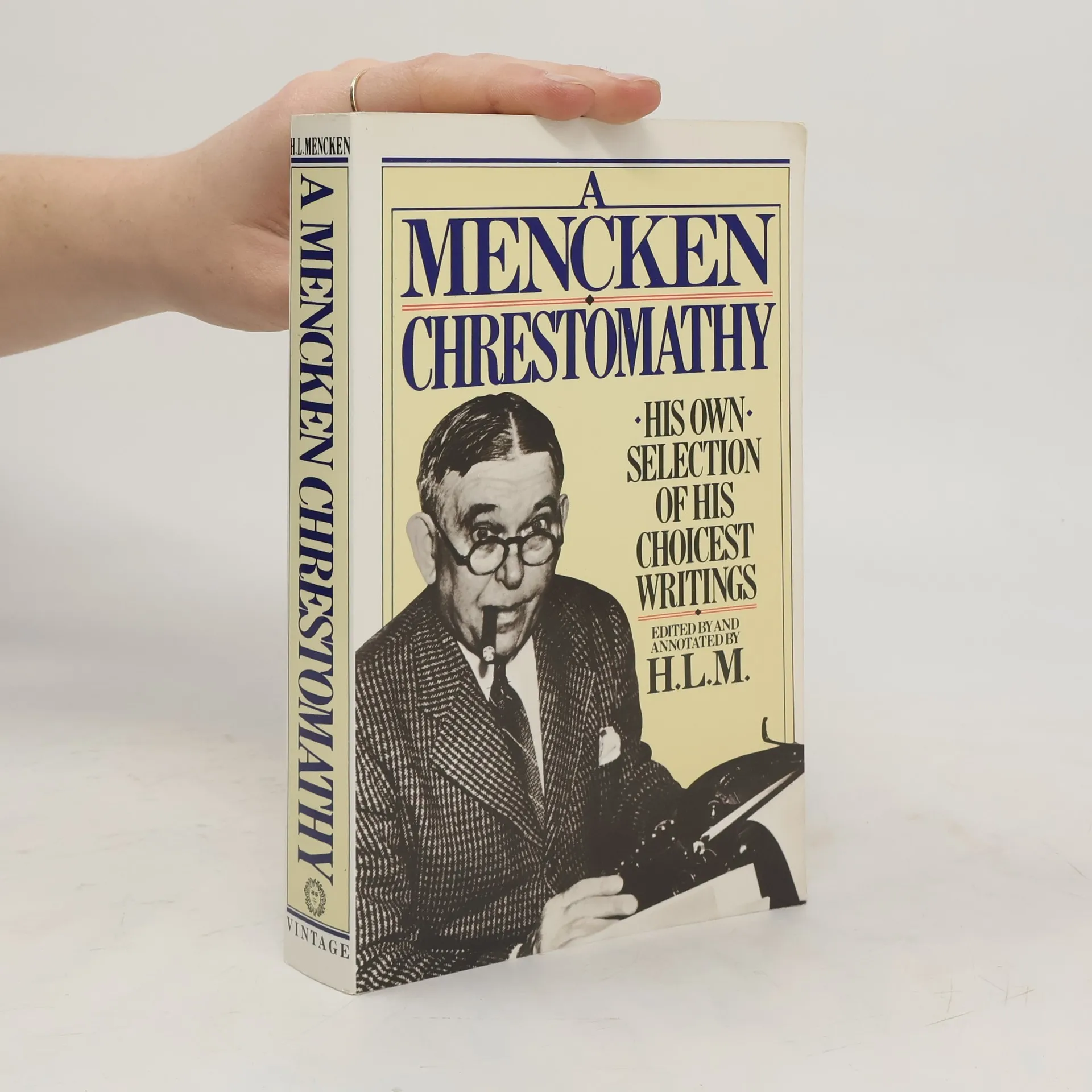
A Mencken Chrestomathy is full of the iconoclastic common sense that marked H. L. Mencken's astonishing career as the premier American social critic of the twentieth century
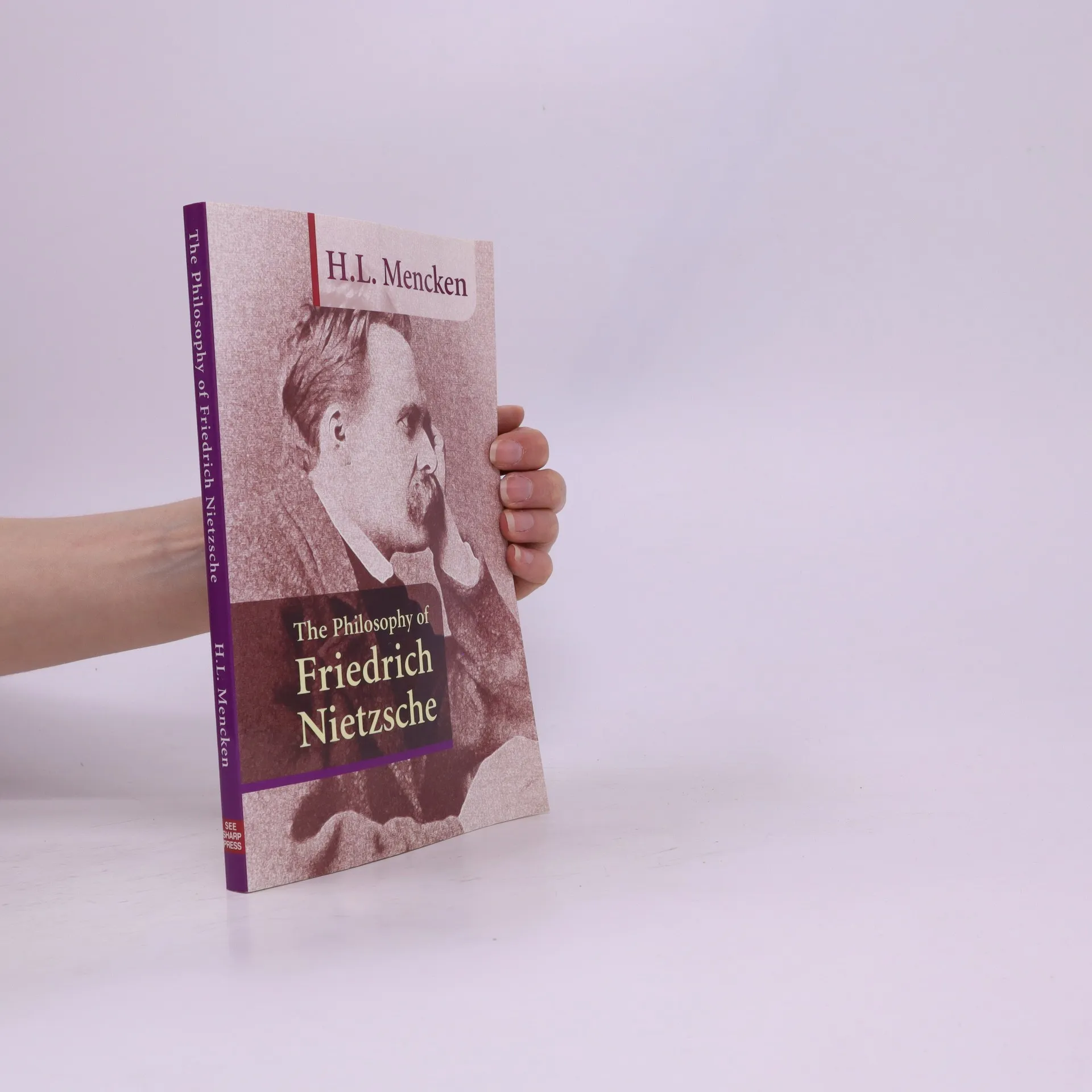
The first book on Nietzsche ever to appear in English, this examination by legendary journalist H. L. Mencken is still one of the most enlightening. Mencken wrote this book while still in his 20s, but his penchant for thoroughness was evident even at that young age—in preparation for writing this book, he read Nietzsche's works in their entirety, mostly in the original German. A brief biographical sketch is followed by clear and thorough explanations of Nietzsche's basic concepts and attitudes. Analyzed are Nietzsche's much-misunderstood concept of the superman, his concept of eternal recurrence, his rejection of Christianity, and his basic rationalism and materialism. Included are two essays on Nietzsche that appeared in Mencken's magazine The Smart Set subsequent to the publishing of the original edition of this book. Nearly a century after its original publication, this remains one of the clearest, most concise, and entertaining introductions to Nietzsche to date.
H.L. Mencken's work offers a sharp and humorous critique on a diverse range of topics, from prominent figures like William Jennings Bryan to cultural institutions such as zoos and classical music. His bombastic and verbose style embodies the quintessential American cynic, making for an engaging read as he challenges societal norms and beliefs. Even if readers may not always agree with his viewpoints, his insights are invaluable for grasping the American mindset in the three decades leading up to World War II.
The book explores the complexities of gender dynamics through H. L. Mencken's lens, presenting women as possessing unique wisdom while critiquing the average man. Published in 1918, it has sparked debate over its progressive and reactionary elements, as Mencken refrains from advocating for women's rights but offers insightful observations on their roles and capabilities. This duality invites readers to reflect on societal norms and the evolving perceptions of gender during that era.
'Diese ewige Anklage des Christentums will ich an alle Wände schreiben, wo es nur Wände gibt ich habe Buchstaben, um auch Blinde sehend zu machen ...', so Friedrich Nietzsche (1844 1900) am Ende dieses Buches. Polemisch, streitbar und sprachgewaltig formuliert er in 62 Abschnitten die Kernthesen seiner fundamentalen Kritik des Christentums. Auf unnachahmliche Weise bündelt der große Philosoph hier die Argumente seiner früheren Werke zu einer letzten vehementen Abrechnung mit der mächtigsten Wurzel europäischer Kultur. 'Der Antichrist' erschien erstmals 1895, entstand jedoch schon 1888. Nur wenige Monate nach dessen Fertigstellung fiel Nietzsche in die geistige Umnachtung.
This collection of literature attempts to compile many of the classic works that have stood the test of time and offer them at a reduced, affordable price, in an attractive volume so that everyone can enjoy them.