

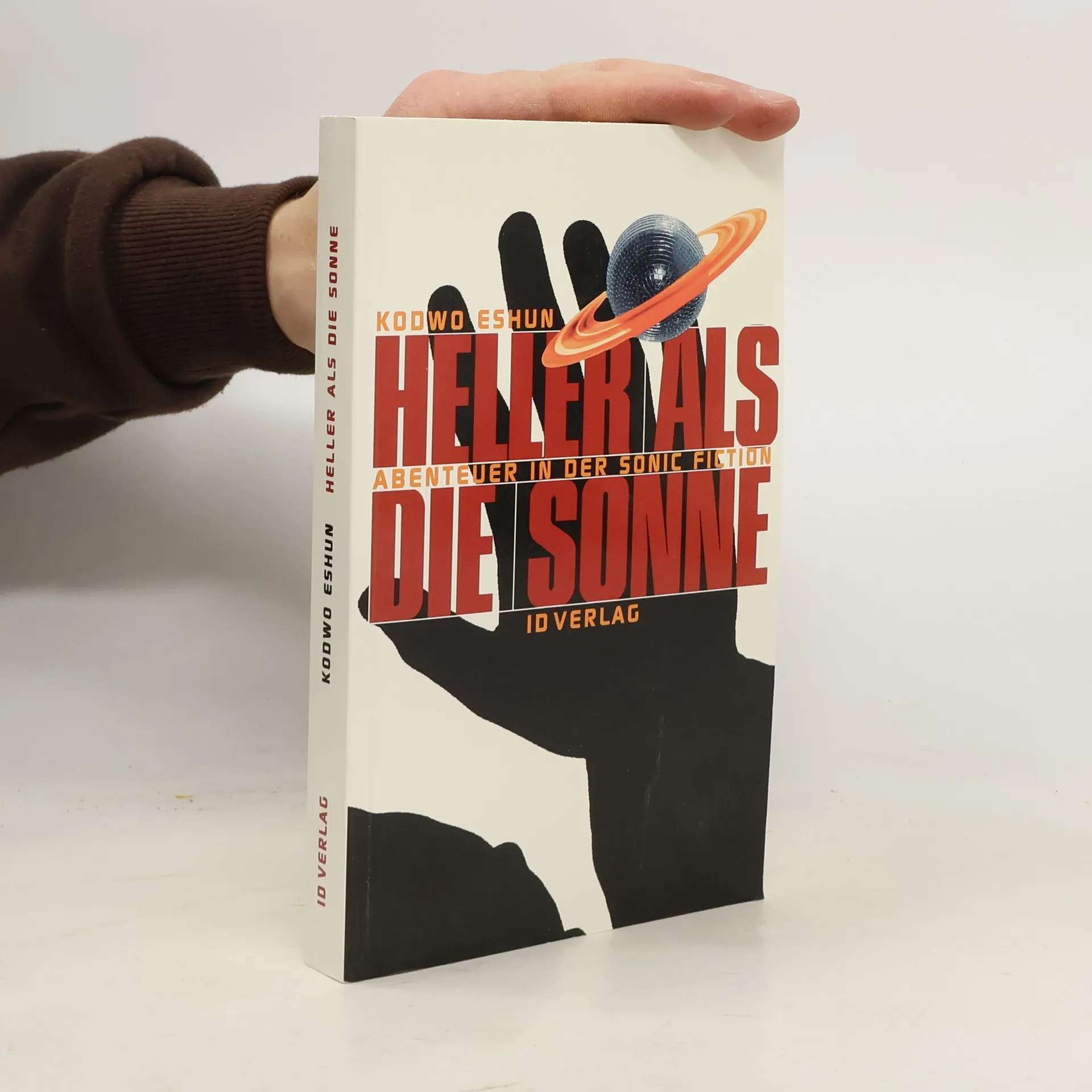
Das klassische Werk über die Musik des Afrofuturismus, von Jazz bis Jungle. More Brilliant than the Sun ist eines der außergewöhnlichsten Bücher über Musik, die je geschrieben wurden. Teil Manifest für einen militanten Posthumanismus, Teil Reise durch die unanerkannten Traditionen der diasporischen Science-Fiction, findet dieses Buch den Zukunftsschock in afrofuturistischen Klängen von Jazz, Dub und Techno bis Funk, Hip-Hop und Jungle. Indem er die Musik solcher musikalischen Größen wie Sun Ra, Alice Coltrane, Lee Perry, Dr. Octagon, Parliament und Underground Resistance untersucht, mobilisiert der Theoretiker und Künstler Kodwo Eshun deren Konzepte, um die Möglichkeiten des Klanges und die bisher unerforschten Schnittstellen zwischen Science-Fiction und organisierter Klangkunst zu eröffnen. Zwischen der Geschichte der elektronischen Musik, Medientheorie, Science-Fiction und afrodiasporischen Studien angesiedelt, ist More Brilliant than the Sun eines der Schlüsselwerke, um die generativen Möglichkeiten des Afrofuturismus zu beanspruchen.
Kodwo Eshun Bücher
Kodwo Eshun ist ein britisch-ghanaischer Schriftsteller und Theoretiker. Seine Arbeit befasst sich mit der Schnittstelle von Kultur, Technologie und Gesellschaftskritik. Eshun untersucht, wie zeitgenössische Kunst und Populärkultur unser Weltverständnis und unsere Zukunft widerspiegeln und prägen. Sein Ansatz ist tiefgründig analytisch und nutzt oft unkonventionelle Methoden, um verborgene Bedeutungen in der modernen Gesellschaft aufzudecken.

Black Ark
- 600 Seiten
- 21 Lesestunden
Focusing on the Black Ark Studios in Jamaica, this book captures the artistic and musical legacy of Lee "Scratch" Perry, a pioneer of the Dub genre. Through an extensive photographic and written inventory, it showcases Perry's unique blend of music and visual art, including murals and assemblages created from various materials. The book intertwines contemporary images with archival footage, reflecting on themes of memory and identity. As the studio has been sold, this work serves as a vital preservation of Perry's creative universe, linking his artistic processes and personal history.
The New Internationalists
- 300 Seiten
- 11 Lesestunden
An account of the mobilization of thousands of volunteers who rescued, supported, and welcomed refugees during the recent European refugee crisis. In The New Internationalists , Sue Clayton tells the story of the largest civic mobilization since the Second World War, when volunteers—many young and untrained—took on unimaginable responsibilities and saved thousands of lives. During the European refugee crisis of 2015–2020, they witnessed first hand the catastrophic failure of established NGOs, and the indifference—and frequently, the open hostility—of the EU and national governments. Many faced state hostility themselves. Their accounts show how activist volunteers have shaped today's European humanitarian agenda, and provide a powerful critique of failures of current policy. With The New Internationalists , Clayton offers a contemporary history and critical contextualization of this powerful new force. Mapping key flashpoint locations and curating unique first hand testimonies, she explores how during the crisis, when almost two million people reached Europe by deadly sea-crossings, more than 100,000 citizens came together in new grassroots social formations to rescue, support, and welcome them. She provides a unique and multifaceted account, based on evidence and testimonies, and situates it within current debates on humanitarianism and contemporary social and solidarity movements.
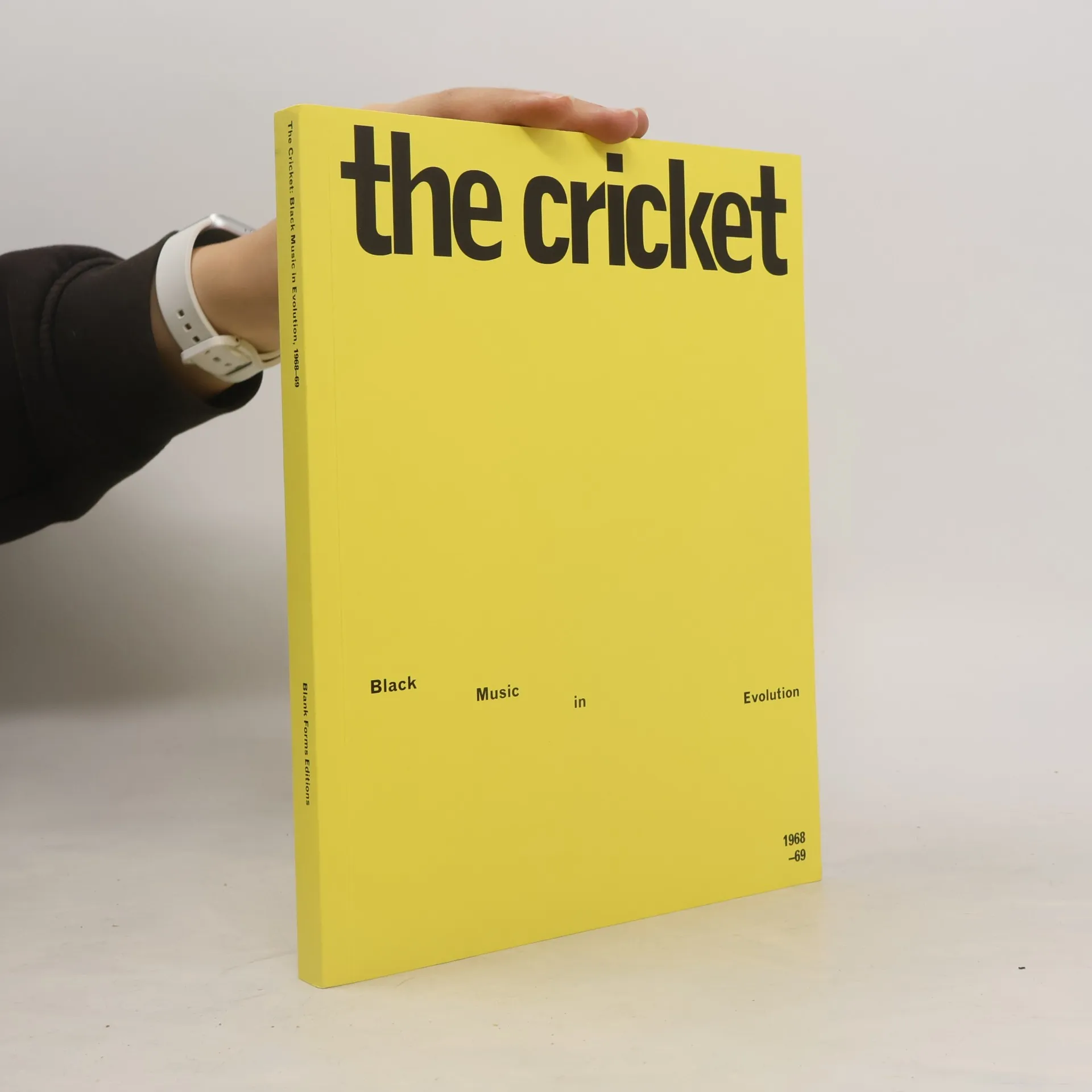
The Cricket: Black Music in Evolution, 1968-69
- 181 Seiten
- 7 Lesestunden
The Cricket: Black Evolution in Music is a rare document of the Black Arts Movement. Edited by poets and writers Amiri Baraka, A. B. Spellman, and Larry Neal in 1968-69, and published by Baraka's New Jersey-based JIHAD productions around the time of the Newark Riots, this experimental music magazine ran poetry, short plays, and gossip alongside concert and record reviews and essays on music and politics. Over four mimeographed issues, The Cricket laid out an anti-commercial ideology and took aim at the conservative jazz press, providing a space for critics, poets, and journalists (including Stanley Crouch, Haki Madhubuti, Ishmael Reed, Sonia Sanchez, and Keorapetse Kgositsile) and musicians (including Cecil Taylor, Milford Graves, Sun Ra, Mtume, Albert Ayler, the Black Unity Trio) to devise new styles of music writing. The publication emerged from the heart of a political movement-"a proto-ideology, akin to but younger than the Garveyite movement and the separatism of Elijah Mohammed," as Spellman write's in the books preface-and aimed to reunite advanced art with its community, "to provide Black Music with a powerful historical and critical tool," and to enable avant-garde Black musicians and writers "to finally make a way for themselves." This publication gathers all issues of the magazine with a new critical introduction by artist and writer Kodwo Eshun