Murder Houses of London
- 496 Seiten
- 18 Lesestunden
Which of London's most gruesome murders happened in your street? And were they committed by Jack the Ripper, the Kray twins, the Blackout Ripper or `Acid Bath' Haigh?


Dieser Autor befasst sich mit den faszinierenden und oft bizarren Rändern der menschlichen Geschichte und Medizin. Seine Werke erforschen seltsame medizinische Anomalien und ungelöste Mordfälle und bringen dunkle Geheimnisse und ungewöhnliche Charaktere ans Licht. Durch sorgfältige Recherche und fesselnde Erzählungen erweckt er Geschichten zum Leben, die ebenso informativ wie beunruhigend sind. Sein Ansatz wurzelt in der Enthüllung unglaublicher Wahrheiten, die in vergessenen Chroniken verborgen sind.



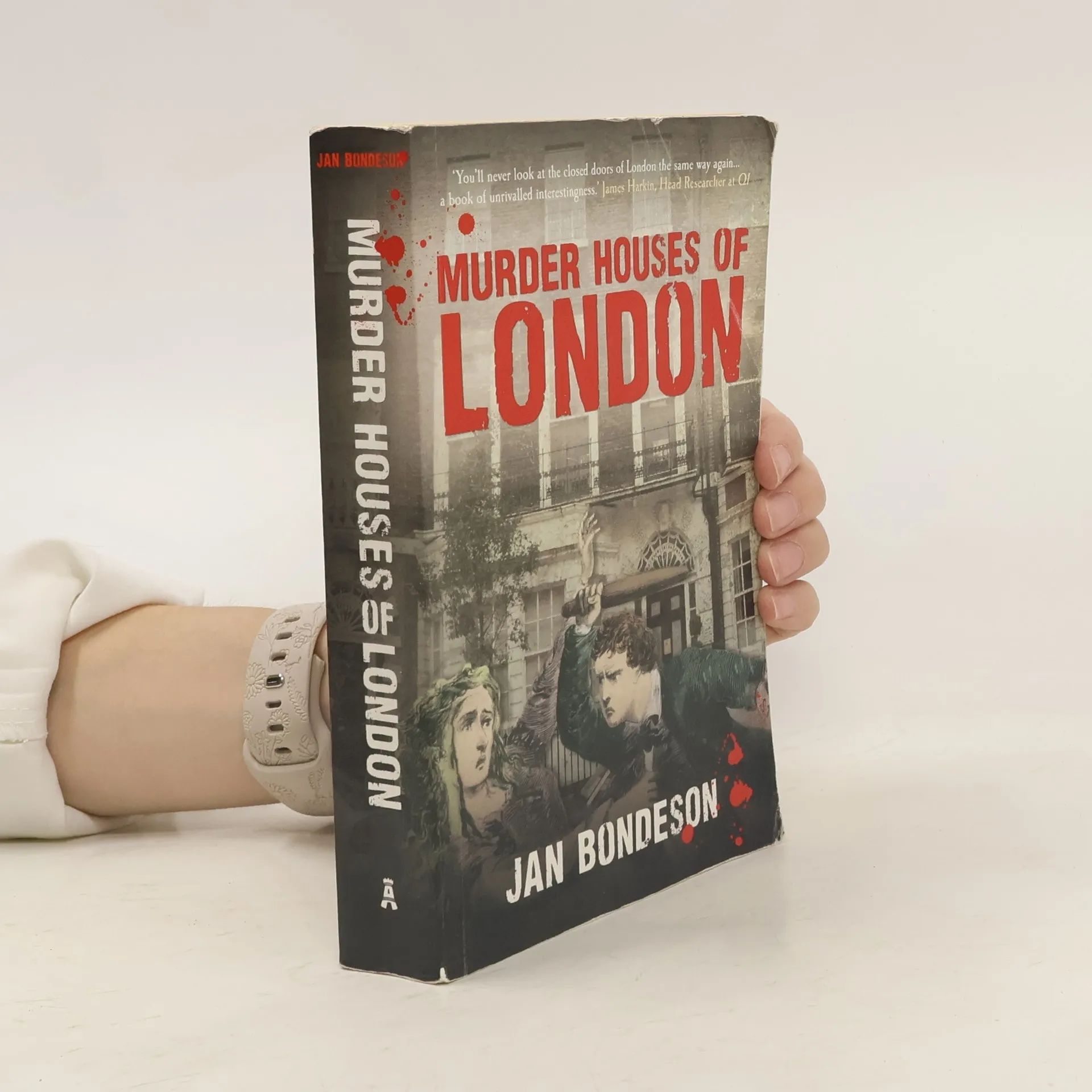
Which of London's most gruesome murders happened in your street? And were they committed by Jack the Ripper, the Kray twins, the Blackout Ripper or `Acid Bath' Haigh?
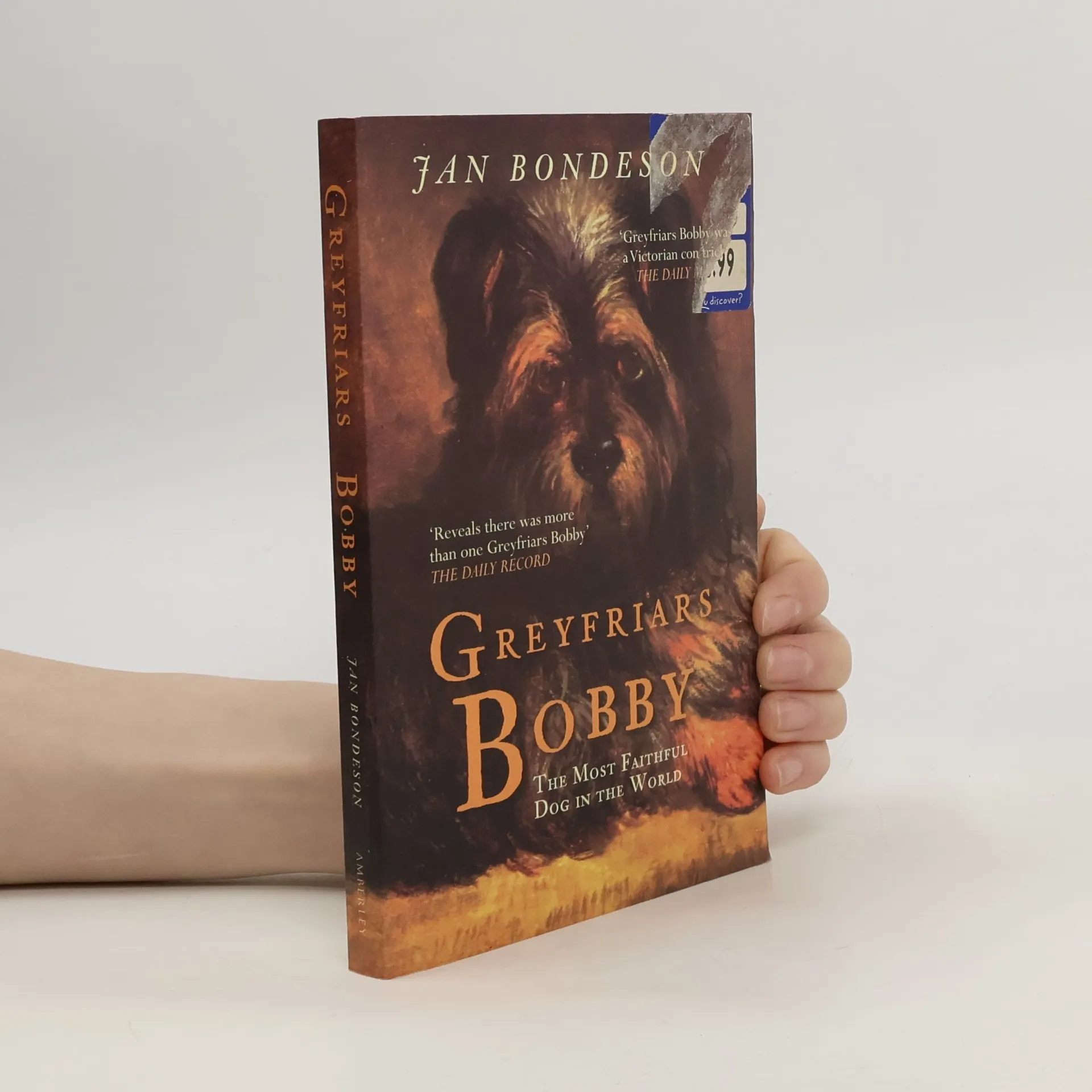
No visitor to Edinburgh will miss the monument to Scotlands most famous dog, the little Skye terrier Greyfriars Bobby. This amazing dog, the most faithful in the world, kept vigil at his masters grave for fourteen long years, before expiring in 1872. Many childrens books, and three successful films, have been inspired by the affecting story of this little dog, said to be the most inspiring tale of love and loyalty ever heard. Every summer, Bobbys statue is surrounded by tourists from all over the world, some of whom weep profusely when they hear dogs pathetic story.
"A guilty pleasure....The Victorian-era courtroom antics alone are worth the price of admission."― Publishers Weekly Jan Bondeson, M.D., focuses his medical expertise and insightful wit on the great unsolved mysteries of disputed identity of the last two hundred years. Did the son of Louis XVI and Marie Antoinette really die in the Temple Tower, or did the Lost Dauphin reappear among the throngs of pretenders to the throne? And what does DNA testing reveal about the Dauphin's mummified heart? Who was Kaspar Hauser: an abused child, the crown prince of Baden, or a pathological liar? In this highly entertaining work covering the most famous cases of disputed identity, Jan Bondeson uncovers all the evidence, then applies his medical knowledge and logical thinking to ascertain the true stories behind these fascinating histories. "Bondeson examines hitherto neglected documents and adds his valuable medical knowledge....Entertaining studies of classic imposters and a public inclined to be gullible even before the age of TV."― Kirkus Reviews 36 illustrations
An investigative account of the still-unsolved assassination of Swedish Prime Minister Olof Palme, a major figure in world politics and an ardent opponent of apartheid, shot dead on the streets of Stockholm in February 1986.
"The facts in this case are so bizarre that no novelist would have dared to invent them," said the Philadelphia Inquirer . Indeed. A century before Jack the Ripper haunted the streets of London, another predator held a "vulgar-looking man" who slashed at female pedestrians with a knife while uttering profanities with a "tremulous eagerness" -- over fifty victims during a two-year crime spree. The city was gripped with fear, outrage, and "Monster mania." The latter was abetted by a -- reward and by the circulation of bawdy prints that capitalized on the Monster's tendency to slash his victims' buttocks. Armed vigilantes roamed the streets, and fashionable ladies dared not walk outdoors without first strategically placing cooking pots under their dresses. Finally, in June 1790, one Rhynwick Williams was arrested. After two long and ludicrous trials (at one of which he was defended energetically by the eccentric Irish poet Theophilus Swift), Williams was convicted. Was he guilty? Or just unlucky enough to fall into the hands of authorities when they needed someone to pay? Drawing on contemporary evidence and reinterpreting Monster mania in the light of historical and modern instances of mass hysteria, Jan Bondeson recounts with dry wit a tale that occupies a unique place in criminal history and imagination.
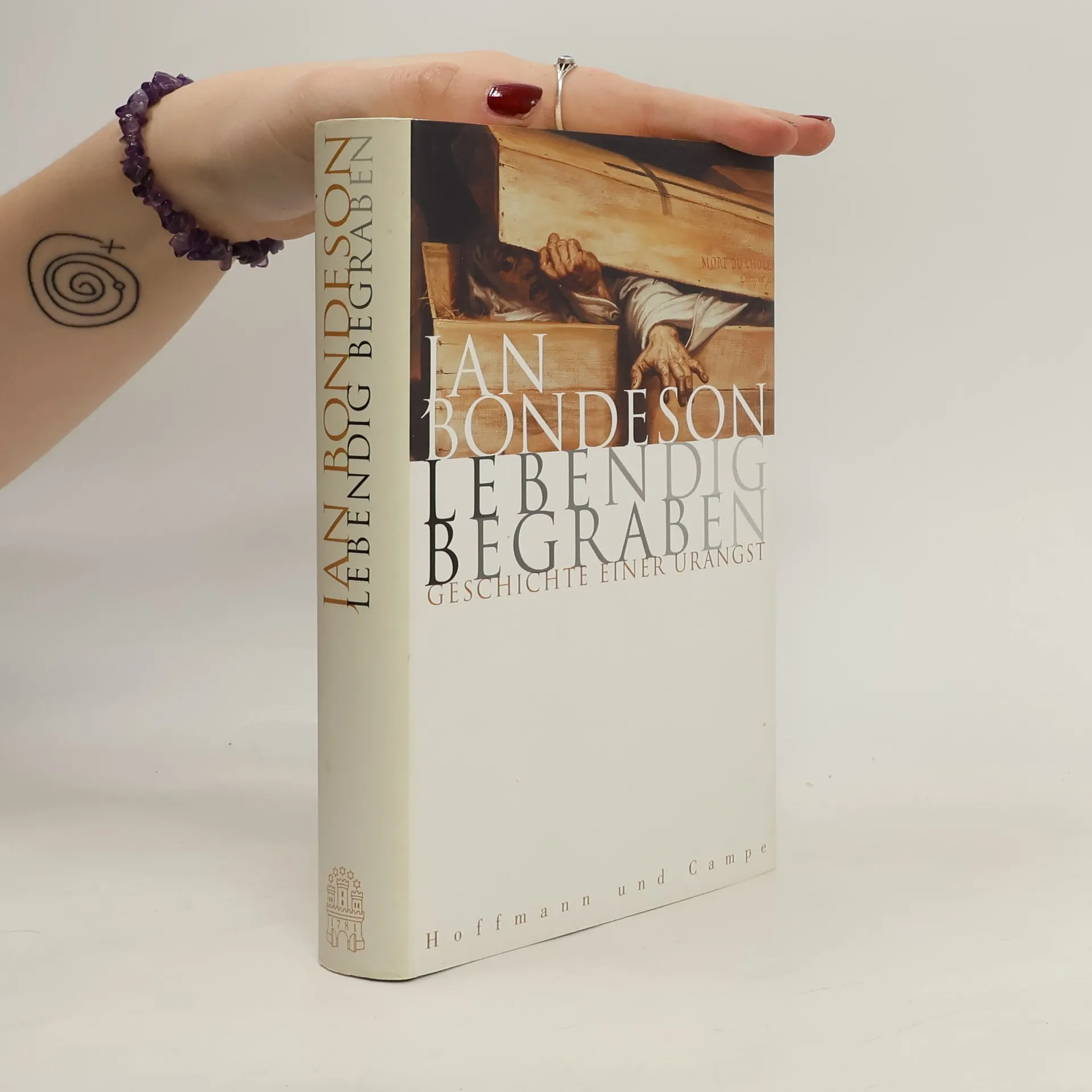
Die Literaturgeschichte bietet massenweise Horrorgeschichten von Scheintoten, die im Grab erwachen, eingezwängt in einen dumpfen, kalten Sarg. Aber waren das nicht reine Fantasieprodukte? Keineswegs. Lebendig Begrabene bevölkern nicht nur die Schauermärchen vergangener Jahrhunderte, sondern auch zahllose Berichte in der medizinischen Fachpresse, in denen von grausigen Funden die Rede ist, von Leichen mit abgenagten Händen und Armen, von Skeletten, die in ihren Särgen in schrecklich verzerrten Stellungen vorgefunden wurden. Auch das Thema der ungewollten Wiedererweckung durch Grabräuber zieht sich durch forensische Protokolle.§ Noch im 19. Jahrhundert hieß es, jeder Zehnte werde bei lebendigem Leibe verscharrt. Kein Wunder, dass die Angst vor diesem Schicksal immens war und - besonders auch im deutschsprachigen Bereich - zu allerlei Vorkehrungen führte, um ihm zu entgehen. So wurden diverse Todestestmethoden entwickelt, 'Sicherheitssärge' mit Glockenzug und Luftschläuchen patentiert, Leichenhäuser gebaut, in denen die Aufgebahrten tagelang dem natürlichen Verfall überlassen wurden.§