



Mehr zum Buch
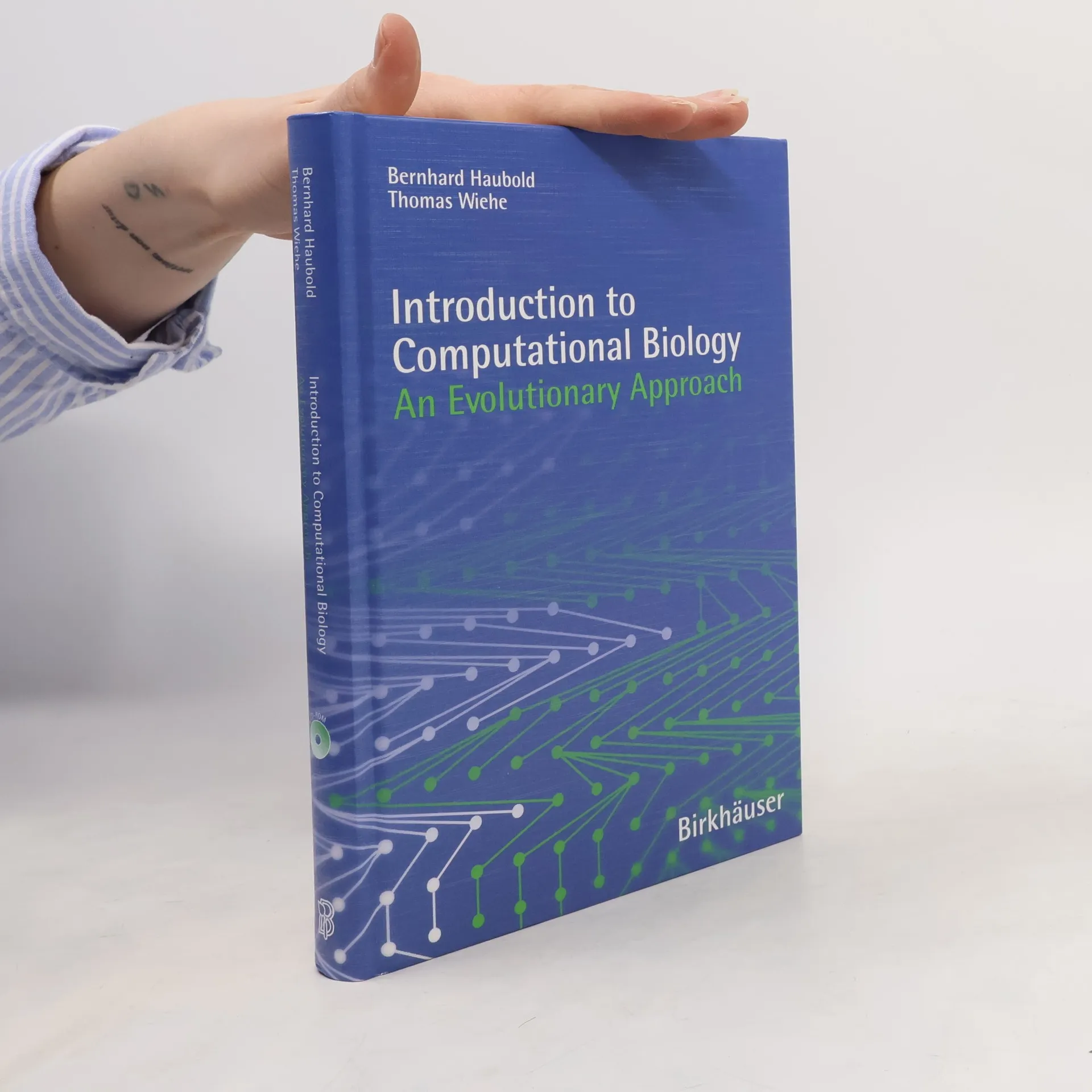
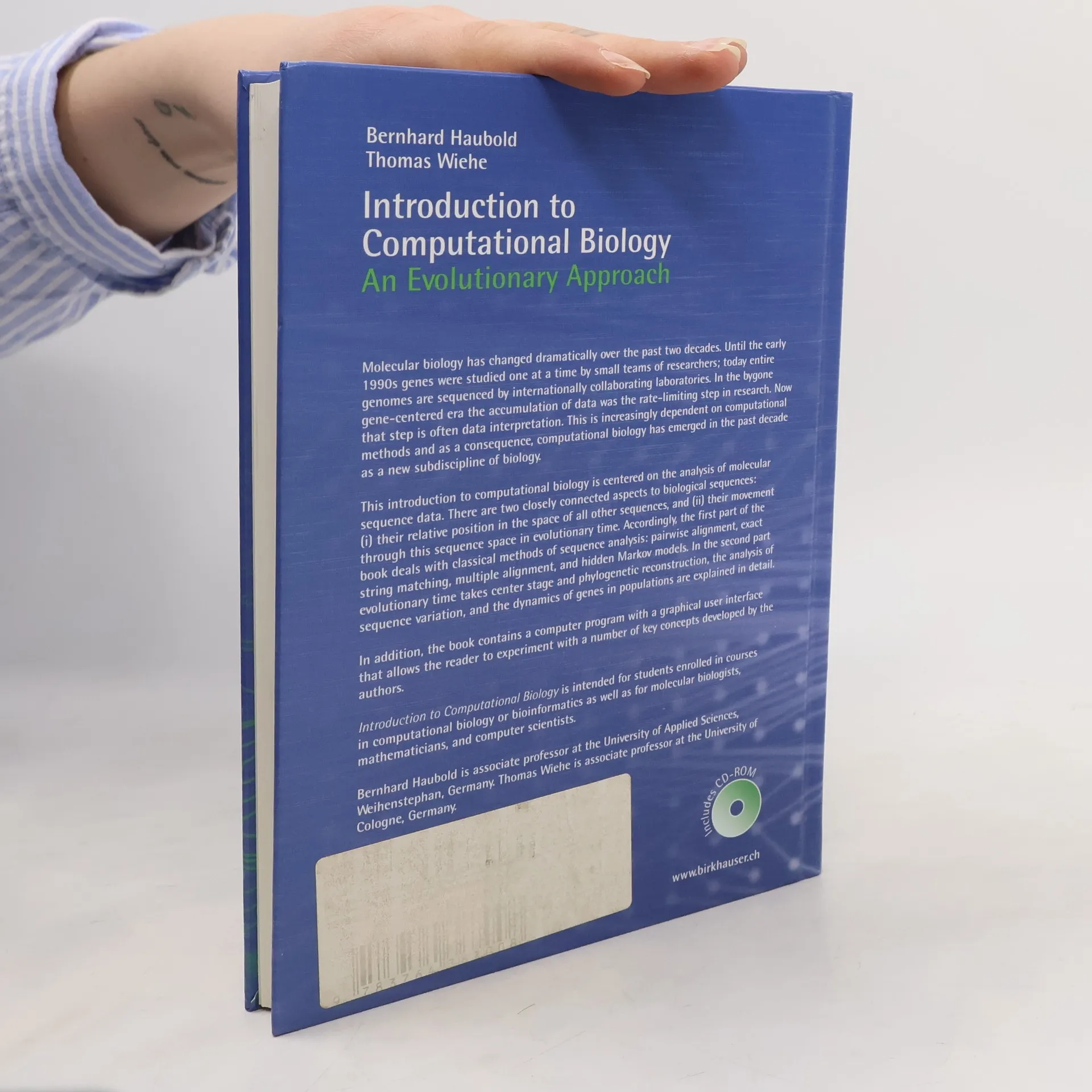
Analysis of molecular sequence data is the main subject of this introduction to computational biology. There are two closely connected aspects to biological sequences: (i) their relative position in the space of all other sequences, and (ii) their movement through this sequence space in evolutionary time. Accordingly, the first part of the book deals with classical methods of sequence analysis: pairwise alignment, exact string matching, multiple alignment, and hidden Markov models. In the second part evolutionary time takes center stage and phylogenetic reconstruction, the analysis of sequence variation, and the dynamics of genes in populations are explained in detail. In addition, the book contains a computer program with a graphical user interface that allows the reader to experiment with a number of key concepts developed by the authors. This textbook is intended for students enrolled in courses in computational biology or bioinformatics as well as for molecular biologists, mathematicians, and computer scientists.
Buchkauf
Introduction to computational biology, Bernhard Haubold
- Sprache

- Erscheinungsdatum
- 2006
- Einband
- (Hardcover)
Hier könnte deine Bewertung stehen.
- Titel
- Introduction to computational biology
- Untertitel
- An Evolutionary Approach
- Sprache
- Englisch
- Autor*innen
- Bernhard Haubold
- Verlag
- Birkhäuser
- Erscheinungsdatum
- 2006
- Einband
- Hardcover
- Seitenzahl
- 328
- ISBN10
- 3764367008
- ISBN13
- 9783764367008
- Reihe
- Schlagwörter
- Naturwissenschaften, Biologie-Lehrbücher
- Bewertung
- 3,5 von 5 Sternen
- Beschreibung
- Analysis of molecular sequence data is the main subject of this introduction to computational biology. There are two closely connected aspects to biological sequences: (i) their relative position in the space of all other sequences, and (ii) their movement through this sequence space in evolutionary time. Accordingly, the first part of the book deals with classical methods of sequence analysis: pairwise alignment, exact string matching, multiple alignment, and hidden Markov models. In the second part evolutionary time takes center stage and phylogenetic reconstruction, the analysis of sequence variation, and the dynamics of genes in populations are explained in detail. In addition, the book contains a computer program with a graphical user interface that allows the reader to experiment with a number of key concepts developed by the authors. This textbook is intended for students enrolled in courses in computational biology or bioinformatics as well as for molecular biologists, mathematicians, and computer scientists.