

Mehr zum Buch
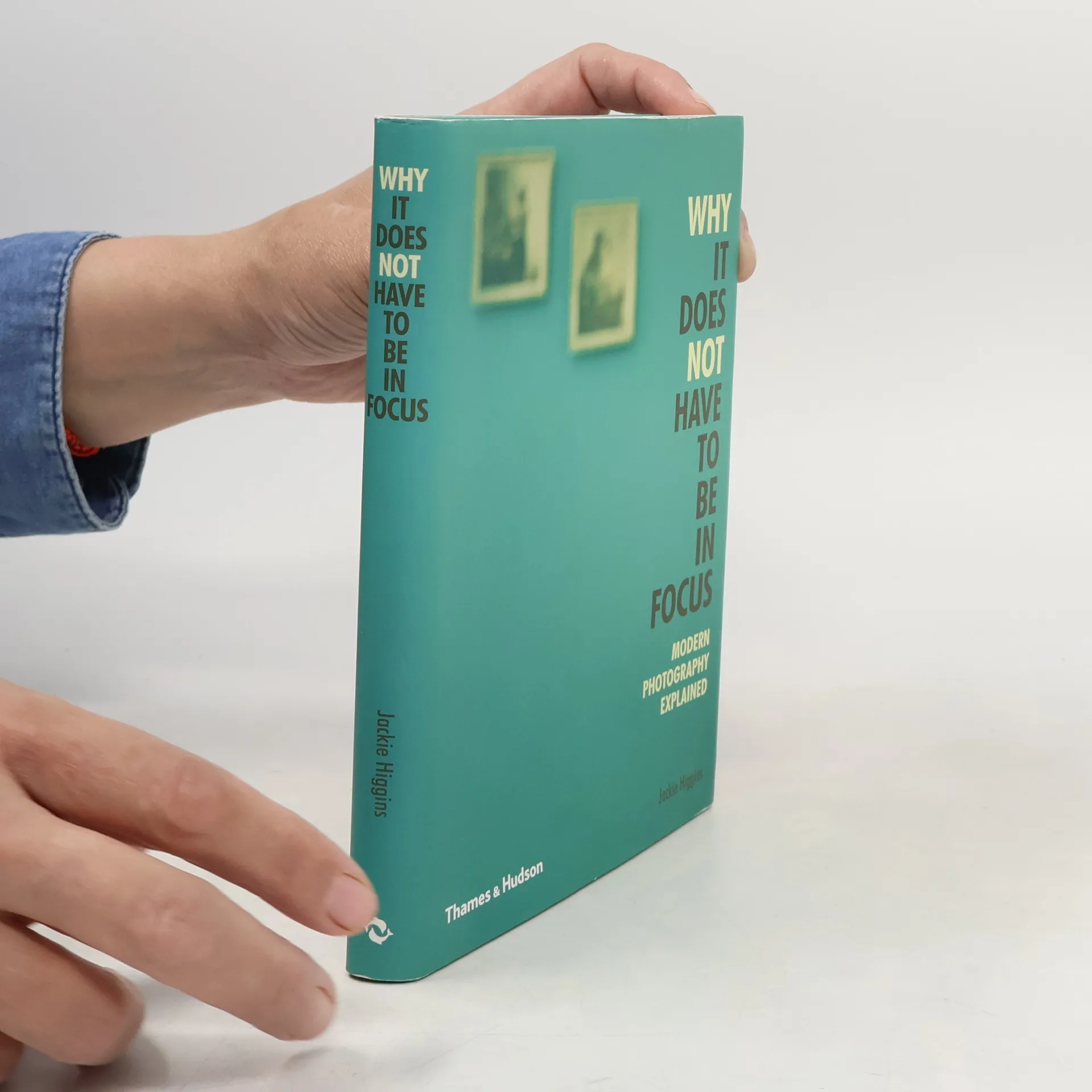
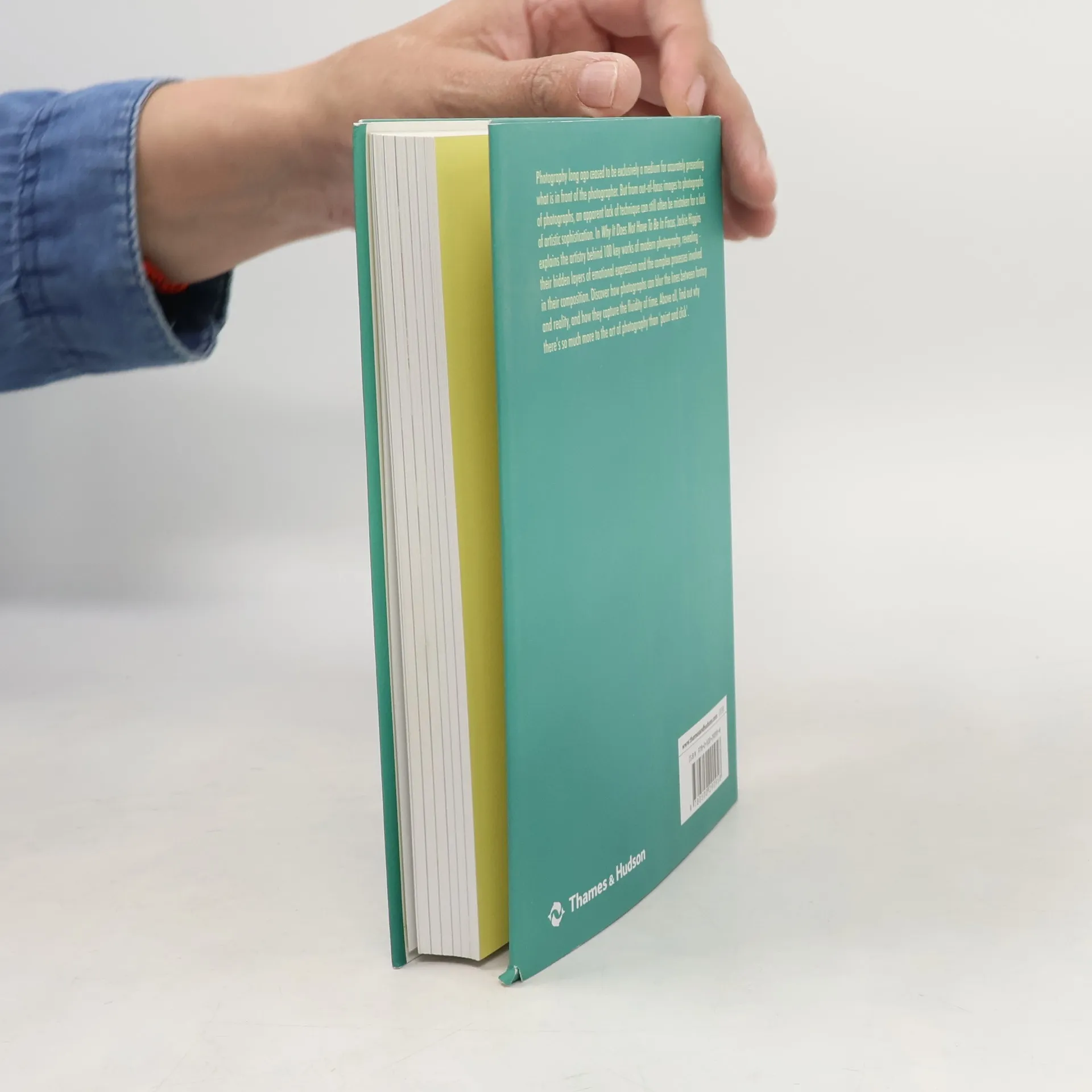
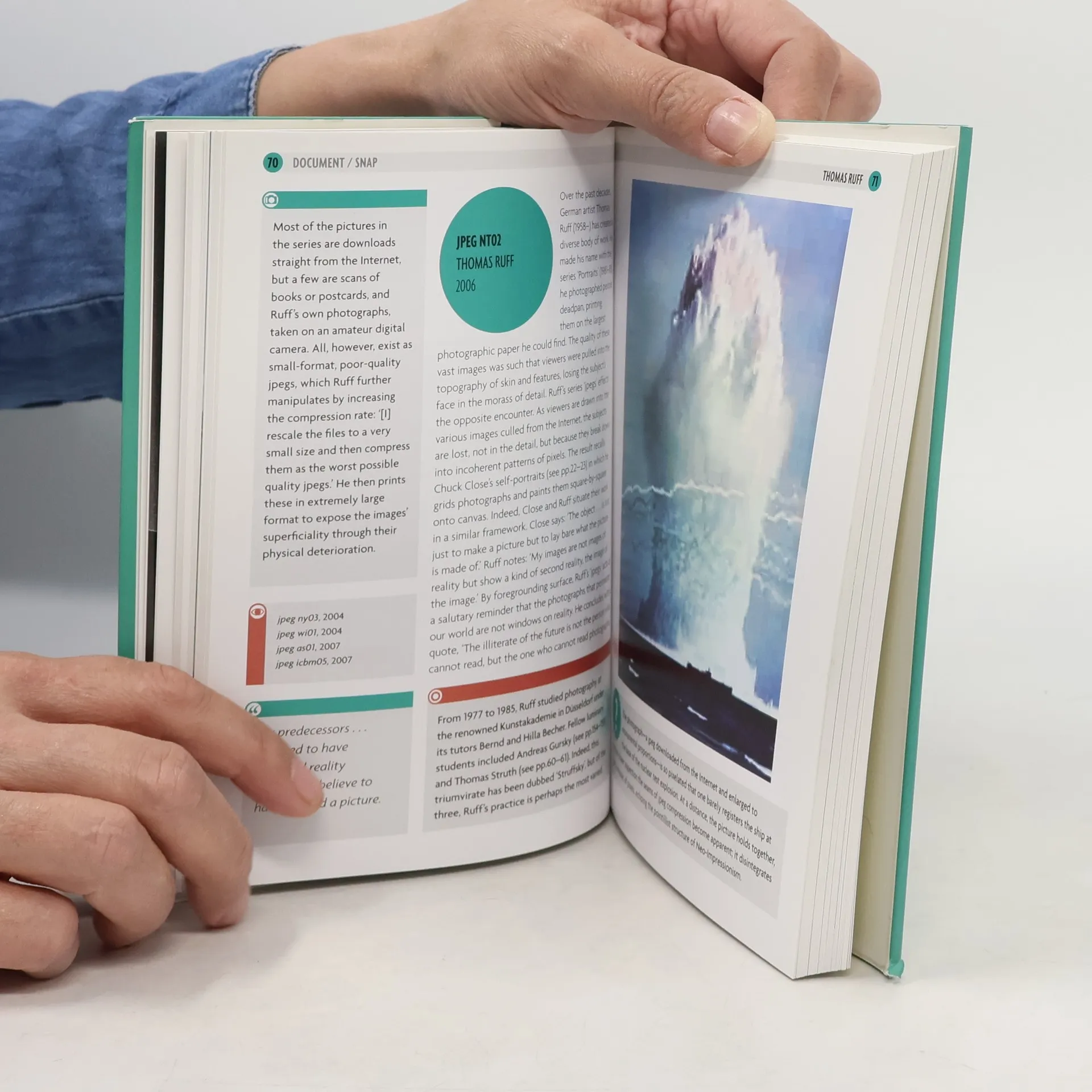
Why take a self-portrait but obscure your face with a lightbulb (Lee Friedlander, Provincetown, Cape Cod, Massachusetts (1968)? Or deliberately underexpose an image (Vera Lutter, Battersea Power Station, XI: July 13, 2004)? And why photograph a ceiling (William Eggleston, Red Ceiling, 1973)? In Why It Does Not Have To Be In Focus, Jackie Higgins offers a lively, informed defence of modern photography. Choosing 100 key photographs with particular emphasis on the last twenty years she examines what inspired each photographer in the first place, and traces how the piece was executed. In doing so, she brings to light the layers of meaning and artifice behind these singular works, some of which were initially dismissed out of hand for being blurred, overexposed or badly composed.


Buchkauf
Why it does not have to be in focus: modern photography explained, Jackie Higgins
- Sprache

- Erscheinungsdatum
- 2013
- product-detail.submit-box.info.binding
- (Paperback)
Hier könnte deine Bewertung stehen.
- Sprache
- Englisch
- Autor*innen
- Jackie Higgins
- Verlag
- Thames & Hudson
- Erscheinungsdatum
- 2013
- Einband
- Paperback
- Seitenzahl
- 224
- ISBN10
- 0500290954
- ISBN13
- 9780500290958
- Reihe
- Schlagwörter
- Sachbücher, Kunst & Kultur, Kunst, Fotografie
- Bewertung
- 3,7 von 5 Sternen
- Beschreibung
- Why take a self-portrait but obscure your face with a lightbulb (Lee Friedlander, Provincetown, Cape Cod, Massachusetts (1968)? Or deliberately underexpose an image (Vera Lutter, Battersea Power Station, XI: July 13, 2004)? And why photograph a ceiling (William Eggleston, Red Ceiling, 1973)? In Why It Does Not Have To Be In Focus, Jackie Higgins offers a lively, informed defence of modern photography. Choosing 100 key photographs with particular emphasis on the last twenty years she examines what inspired each photographer in the first place, and traces how the piece was executed. In doing so, she brings to light the layers of meaning and artifice behind these singular works, some of which were initially dismissed out of hand for being blurred, overexposed or badly composed.