

Mehr zum Buch
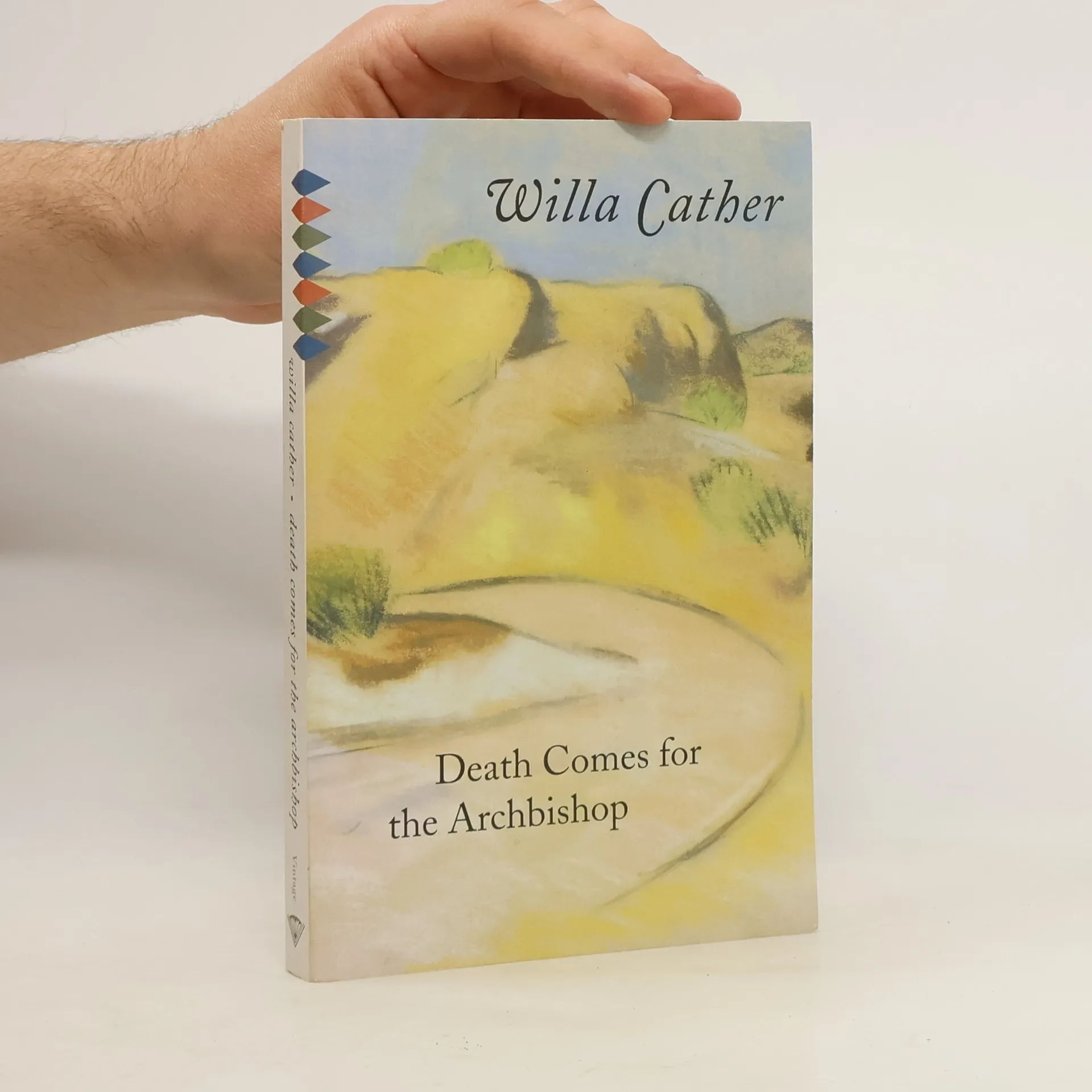
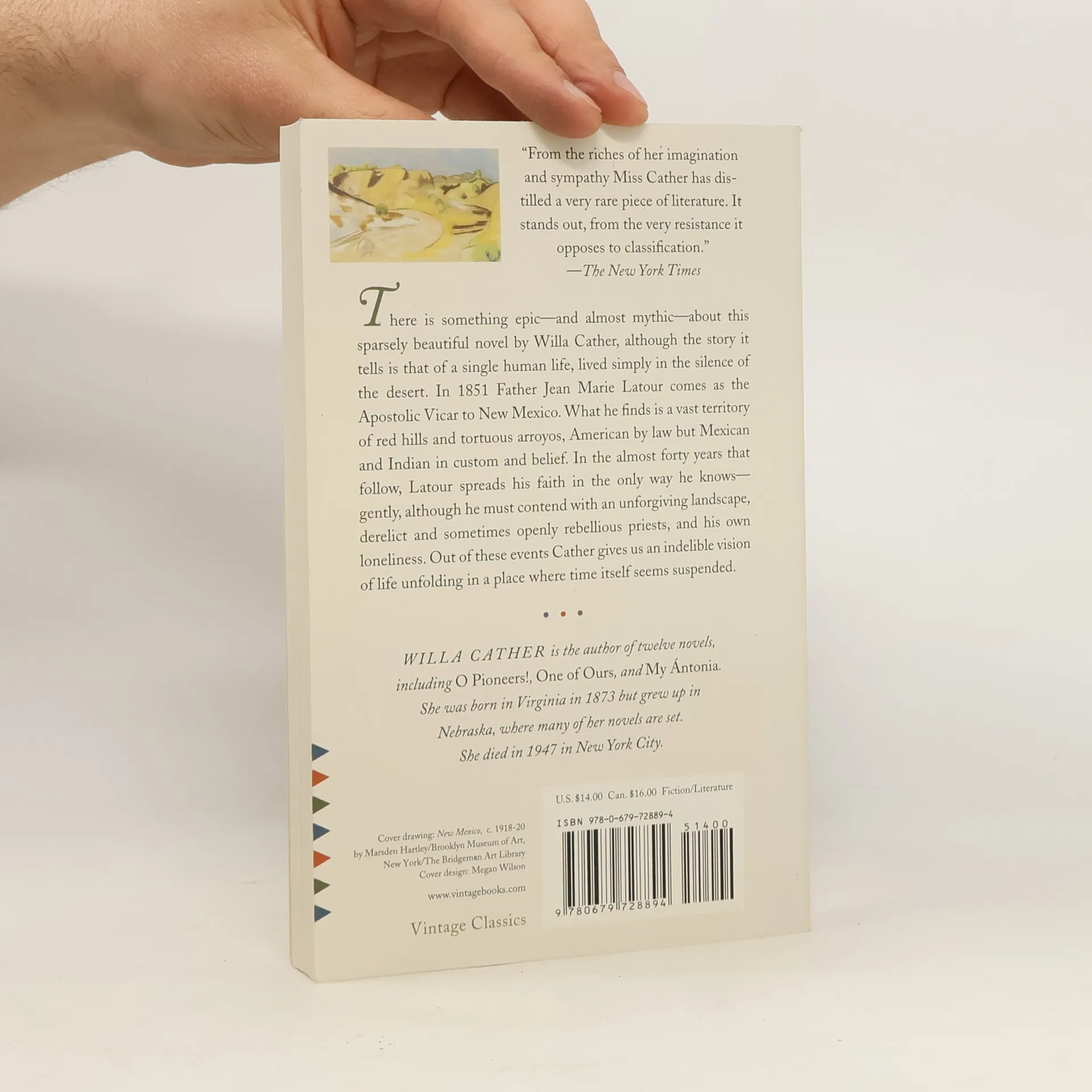
From one of the most highly acclaimed novelists of the twentieth century: a truly remarkable book" (The New York Times), an epic story of a life lived simply in the silence of the southwestern desert. With a new introduction by Claire Messud. In 1851 Father Jean Marie Latour comes to serve as the Apostolic Vicar to New Mexico. What he finds is a vast territory of red hills and tortuous arroyos, American by law but Mexican and Indian in custom and belief. In the almost forty years that follow, Latour spreads his faith in the only way he knows—gently, all the while contending with an unforgiving landscape, derelict and sometimes openly rebellious priests, and his own loneliness. Out of these events, Cather gives us an indelible vision of life unfolding in a place where time itself seems suspended.



Buchkauf
Death comes for the Archbishop, Willa Cather
- Sprache

- Erscheinungsdatum
- 1990
- product-detail.submit-box.info.binding
- (Paperback)
Hier könnte deine Bewertung stehen.
- Sprache
- Englisch
- Autor*innen
- Willa Cather
- Verlag
- Vintage Books
- Erscheinungsdatum
- 1990
- Einband
- Paperback
- ISBN10
- 0679728899
- ISBN13
- 9780679728894
- Reihe
- Schlagwörter
- Belletristik, Historische Romane, Religiöse Themen, Klassiker, Amerikanische Literatur
- Bewertung
- 3,95 von 5 Sternen
- Beschreibung
- From one of the most highly acclaimed novelists of the twentieth century: a truly remarkable book" (The New York Times), an epic story of a life lived simply in the silence of the southwestern desert. With a new introduction by Claire Messud. In 1851 Father Jean Marie Latour comes to serve as the Apostolic Vicar to New Mexico. What he finds is a vast territory of red hills and tortuous arroyos, American by law but Mexican and Indian in custom and belief. In the almost forty years that follow, Latour spreads his faith in the only way he knows—gently, all the while contending with an unforgiving landscape, derelict and sometimes openly rebellious priests, and his own loneliness. Out of these events, Cather gives us an indelible vision of life unfolding in a place where time itself seems suspended.