


Mehr zum Buch
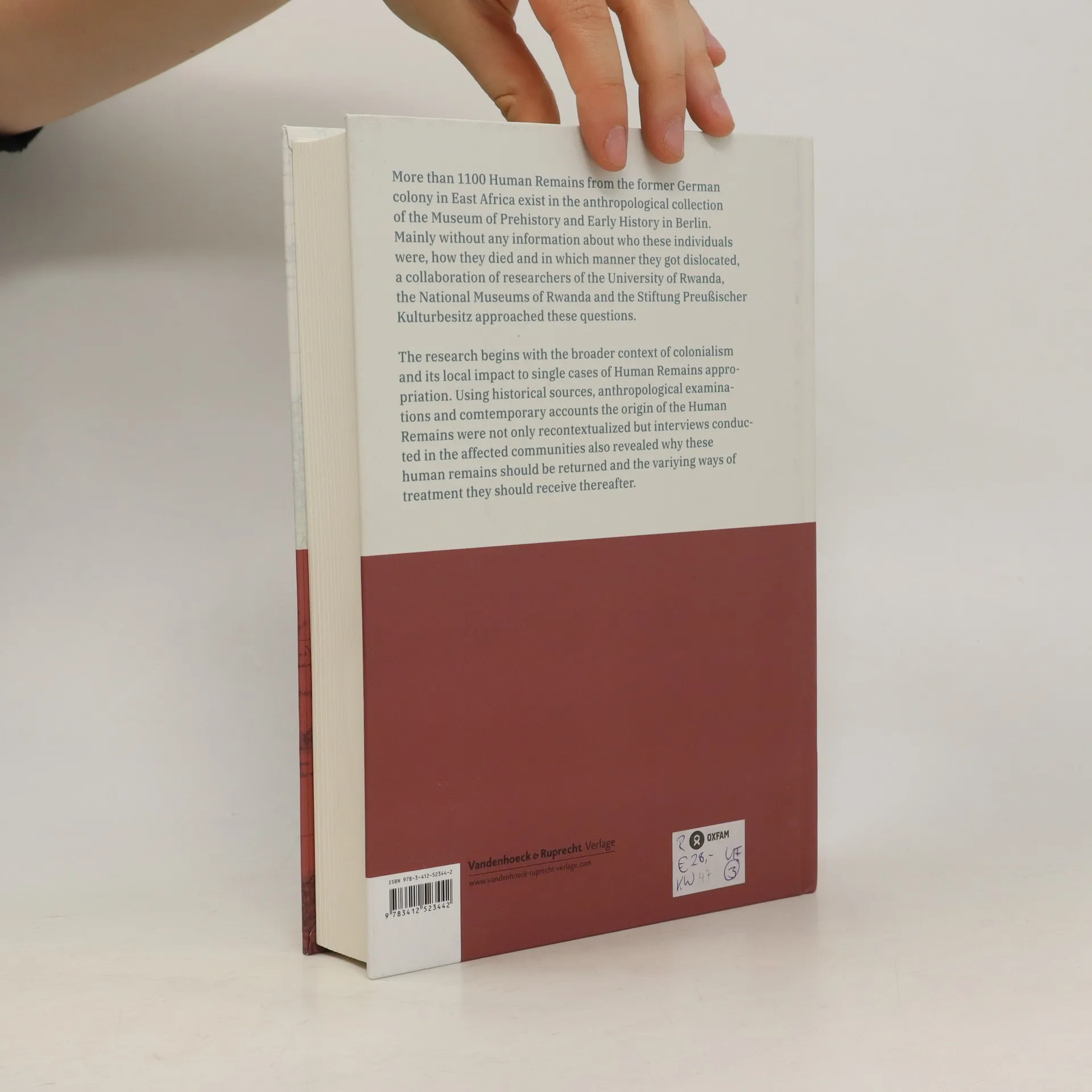
More than 1100 Human Remains from the former German colony in East Africa exist in the anthropological collection of the Museum of Prehistory and Early History in Berlin. Mainly without any information about who these individuals were, how they died and in which manner they got dislocated, a collaboration of researchers of the University of Rwanda, the National Museums of Rwanda and the Stiftung Preussischer Kulturbesitz approached these questions. The research begins with the broader context of colonialism and its local impact to single cases of Human Remains appropriation. Using historical sources, anthropological examinations and comtemporary accounts the origin of the Human Remains were not only recontextualized but interviews conducted in the affected communities also revealed why these human remains should be returned and the variying ways of treatment they should receive thereafter.
Buchkauf
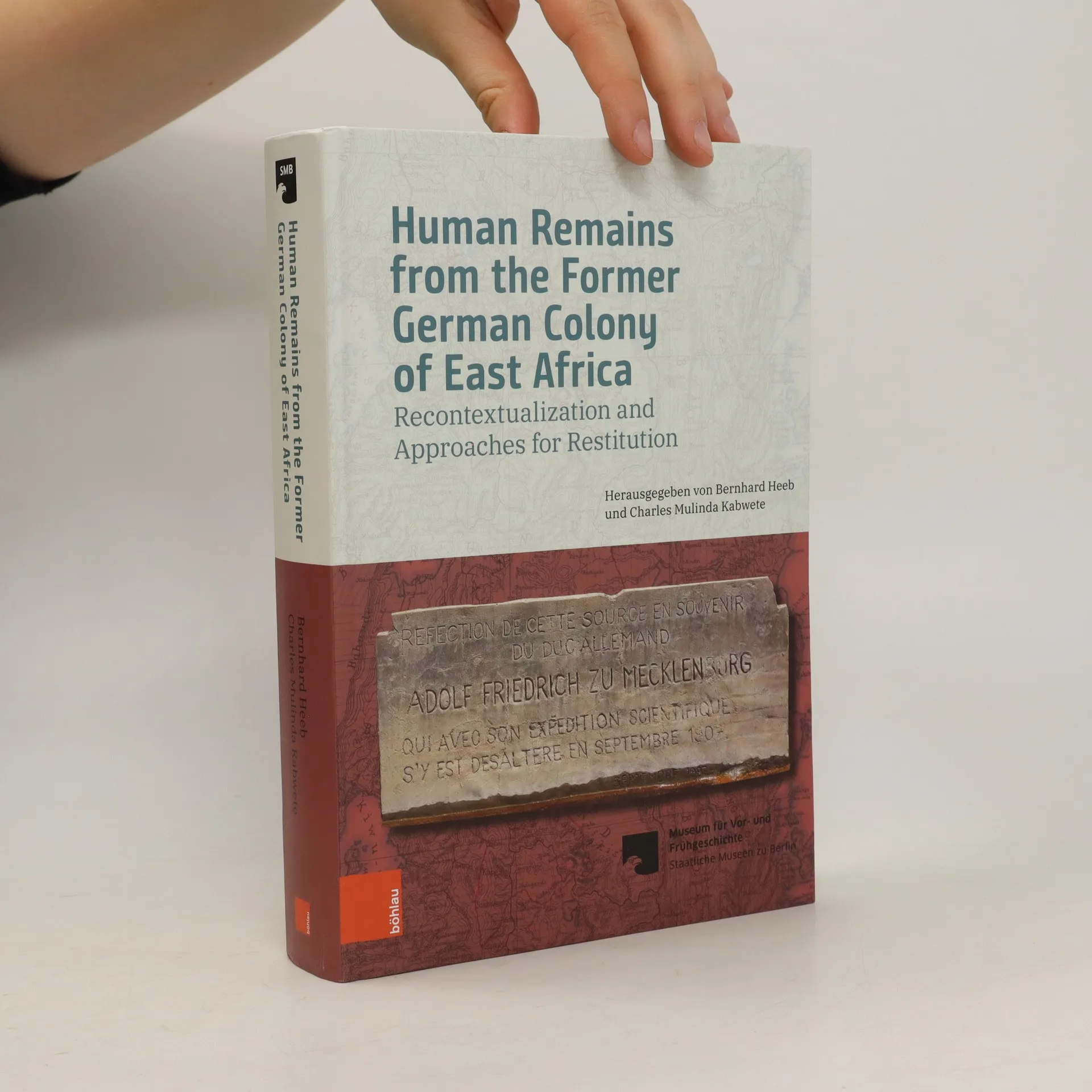
Human Remains from the Former German Colony of East Africa, Benhard S. Heeb
- Sprache

- Erscheinungsdatum
- 2021
- Einband
- (Hardcover)
Keiner hat bisher bewertet.
- Titel
- Human Remains from the Former German Colony of East Africa
- Untertitel
- Recontextualization and Approaches for Restitution
- Sprache
- Englisch
- Autor*innen
- Benhard S. Heeb
- Erscheinungsdatum
- 2021
- Einband
- Hardcover
- Seitenzahl
- 472
- ISBN10
- 3412523445
- ISBN13
- 9783412523442
- Reihe
- Schlagwörter
- Archäologie
- Beschreibung
- More than 1100 Human Remains from the former German colony in East Africa exist in the anthropological collection of the Museum of Prehistory and Early History in Berlin. Mainly without any information about who these individuals were, how they died and in which manner they got dislocated, a collaboration of researchers of the University of Rwanda, the National Museums of Rwanda and the Stiftung Preussischer Kulturbesitz approached these questions. The research begins with the broader context of colonialism and its local impact to single cases of Human Remains appropriation. Using historical sources, anthropological examinations and comtemporary accounts the origin of the Human Remains were not only recontextualized but interviews conducted in the affected communities also revealed why these human remains should be returned and the variying ways of treatment they should receive thereafter.