




It was interesting to read a psychological take on paranormal phenomena. Kate Summerscale presented the different perspectives of the people involved, as well as the difficulty of deciding whether fake mediums should be seen as possible victims of trauma and difficult life circumstances, or as disingenuous frauds. The latter would mean they were vandalising homes, hurting themselves, stealing, and lying to their friends. (p. 193) And maybe, as so often the case, it's not an extreme "and/or" but a little bit of both. Fodor, the investigator, wanted to believe in the supernatural while simultaneously trying to explain the hoaxes behind the phenomena. He made a conscious effort to remain kind to clients even when he caught them cheating and his patience was being tested. I also remember a funny moment in this non-fiction book when Fodor shared his theory and a possible psychological explanation with one of his clients for her haunting, and: "His interpretation seemed to do the trick: the ghost left the cottage."



Parameter
Mehr zum Buch
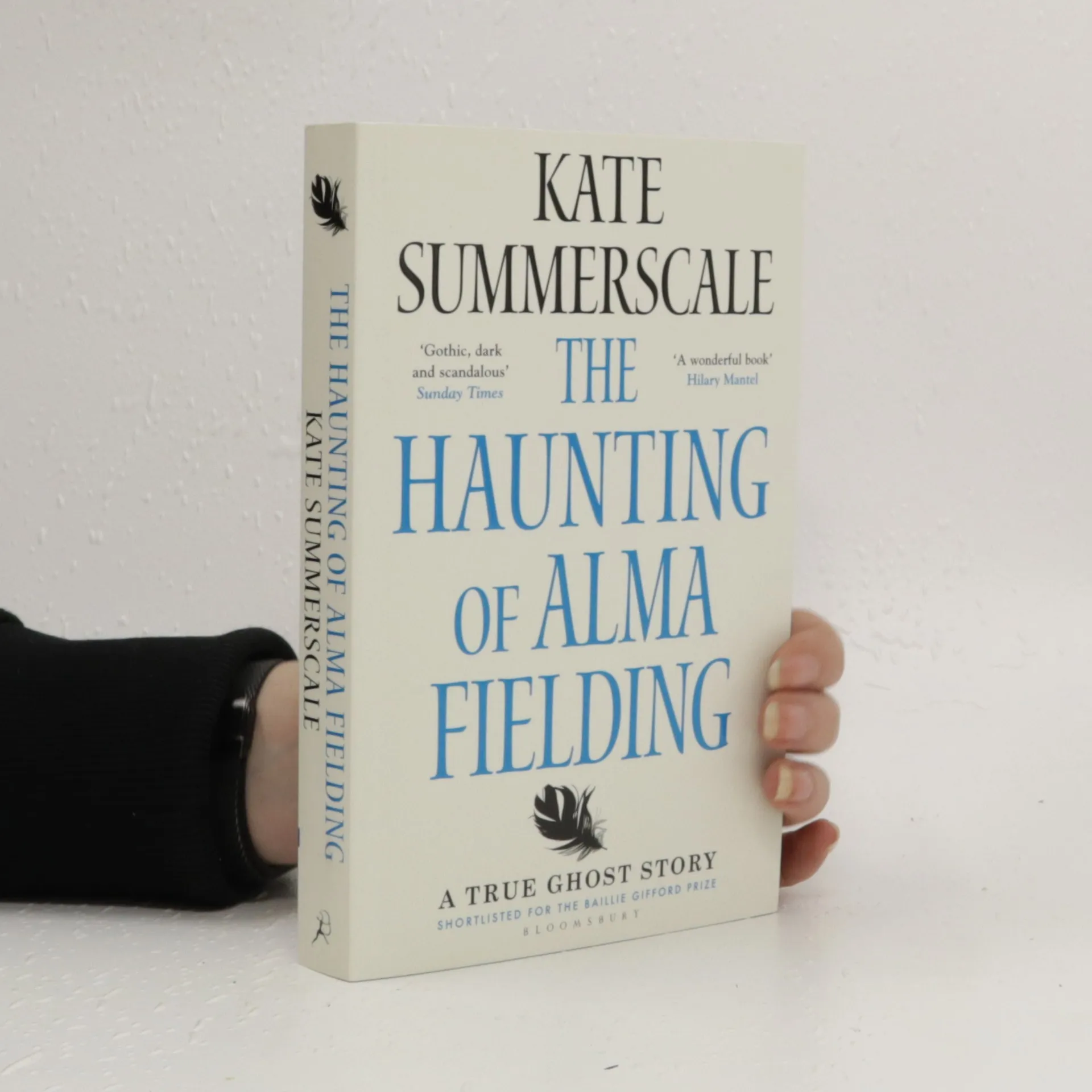
SHORTLISTED FOR THE 2020 BAILLIE GIFFORD PRIZE 'A page-turner with the authority of history' PHILIPPA GREGORY 'As gripping as a novel. An engaging, unsettling, deeply satisfying read' SARAH WATERS London, 1938. Alma Fielding, an ordinary young woman, begins to experience supernatural events in her suburban home. Nandor Fodor - a Jewish-Hungarian refugee and chief ghost hunter for the International Institute for Psychical research - begins to investigate. In doing so he discovers a different and darker type of haunting: trauma, alienation, loss - and the foreshadowing of a nation's worst fears. As the spectre of Fascism lengthens over Europe, and as Fodor's obsession with the case deepens, Alma becomes ever more disturbed. With rigour, daring and insight, the award-winning pioneer of historical narrative non-fiction Kate Summerscale shadows Fodor's enquiry, delving into long-hidden archives to find the human story behind a very modern haunting. 'An empathetic, meticulous account of a spiritual unravelling; a tribute to the astonishing power of the human mind - but also a properly absorbing, baffling, satisfying detective story' AIDA EDEMARIAM A PICK OF THE AUTUMN IN THE TIMES, SUNDAY TIMES, OBSERVER AND THE GUARDIAN
Buchkauf
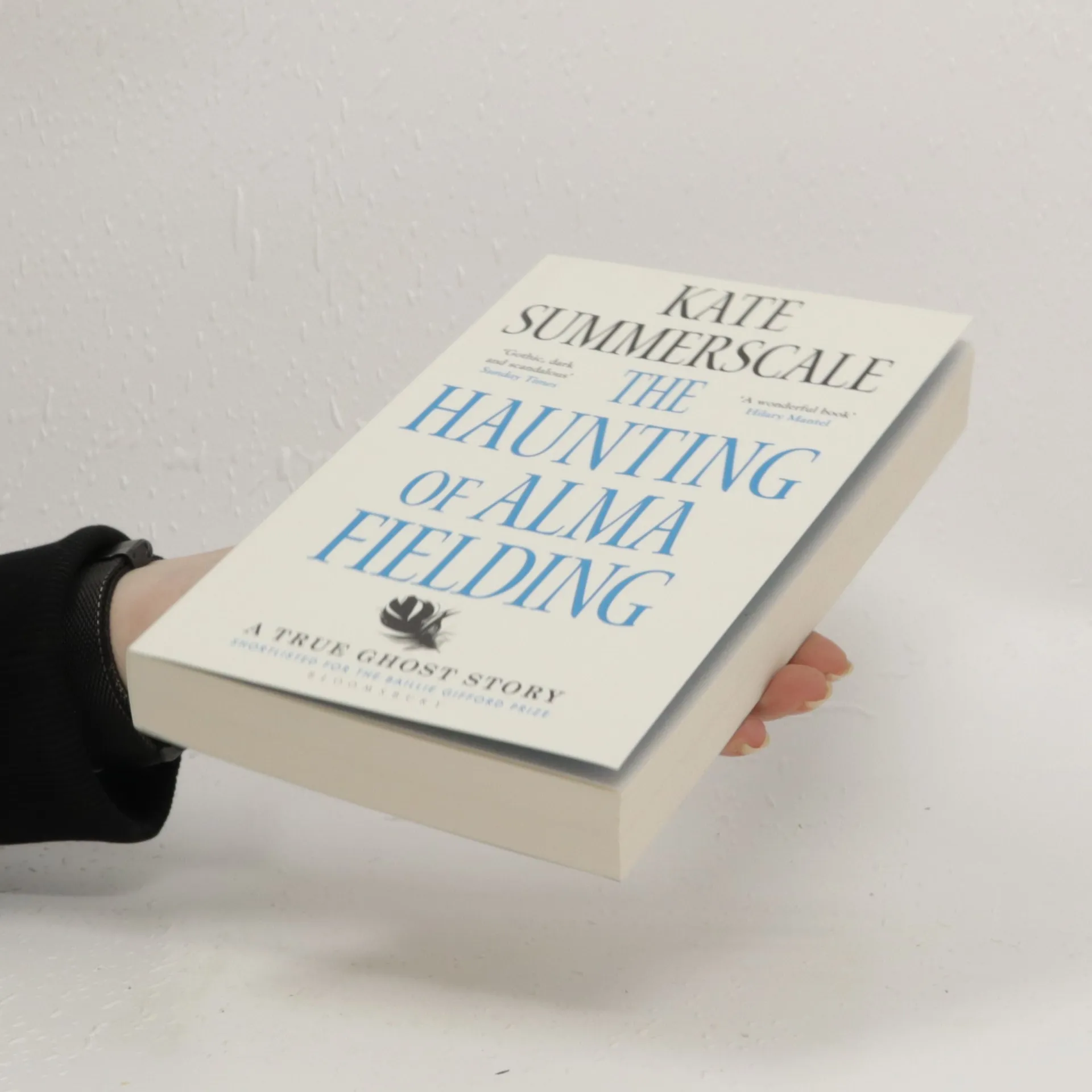
The Haunting of Alma Fielding, Kate Summerscale
- Sprache

- Erscheinungsdatum
- 2020
- product-detail.submit-box.info.binding
- (Paperback)
- Sprache
- Englisch
- Autor*innen
- Kate Summerscale
- Erscheinungsdatum
- 2020
- Einband
- Paperback
- ISBN10
- 1408895471
- ISBN13
- 9781408895474
- Reihe
- Schlagwörter
- Sachbücher, Wahre Geschichten, Übernatürliche Phänomene, True Crime
- Bewertung
- 3,2 von 5 Sternen
- Beschreibung
- SHORTLISTED FOR THE 2020 BAILLIE GIFFORD PRIZE 'A page-turner with the authority of history' PHILIPPA GREGORY 'As gripping as a novel. An engaging, unsettling, deeply satisfying read' SARAH WATERS London, 1938. Alma Fielding, an ordinary young woman, begins to experience supernatural events in her suburban home. Nandor Fodor - a Jewish-Hungarian refugee and chief ghost hunter for the International Institute for Psychical research - begins to investigate. In doing so he discovers a different and darker type of haunting: trauma, alienation, loss - and the foreshadowing of a nation's worst fears. As the spectre of Fascism lengthens over Europe, and as Fodor's obsession with the case deepens, Alma becomes ever more disturbed. With rigour, daring and insight, the award-winning pioneer of historical narrative non-fiction Kate Summerscale shadows Fodor's enquiry, delving into long-hidden archives to find the human story behind a very modern haunting. 'An empathetic, meticulous account of a spiritual unravelling; a tribute to the astonishing power of the human mind - but also a properly absorbing, baffling, satisfying detective story' AIDA EDEMARIAM A PICK OF THE AUTUMN IN THE TIMES, SUNDAY TIMES, OBSERVER AND THE GUARDIAN