



Parameter
- 512 Seiten
- 18 Lesestunden
Mehr zum Buch
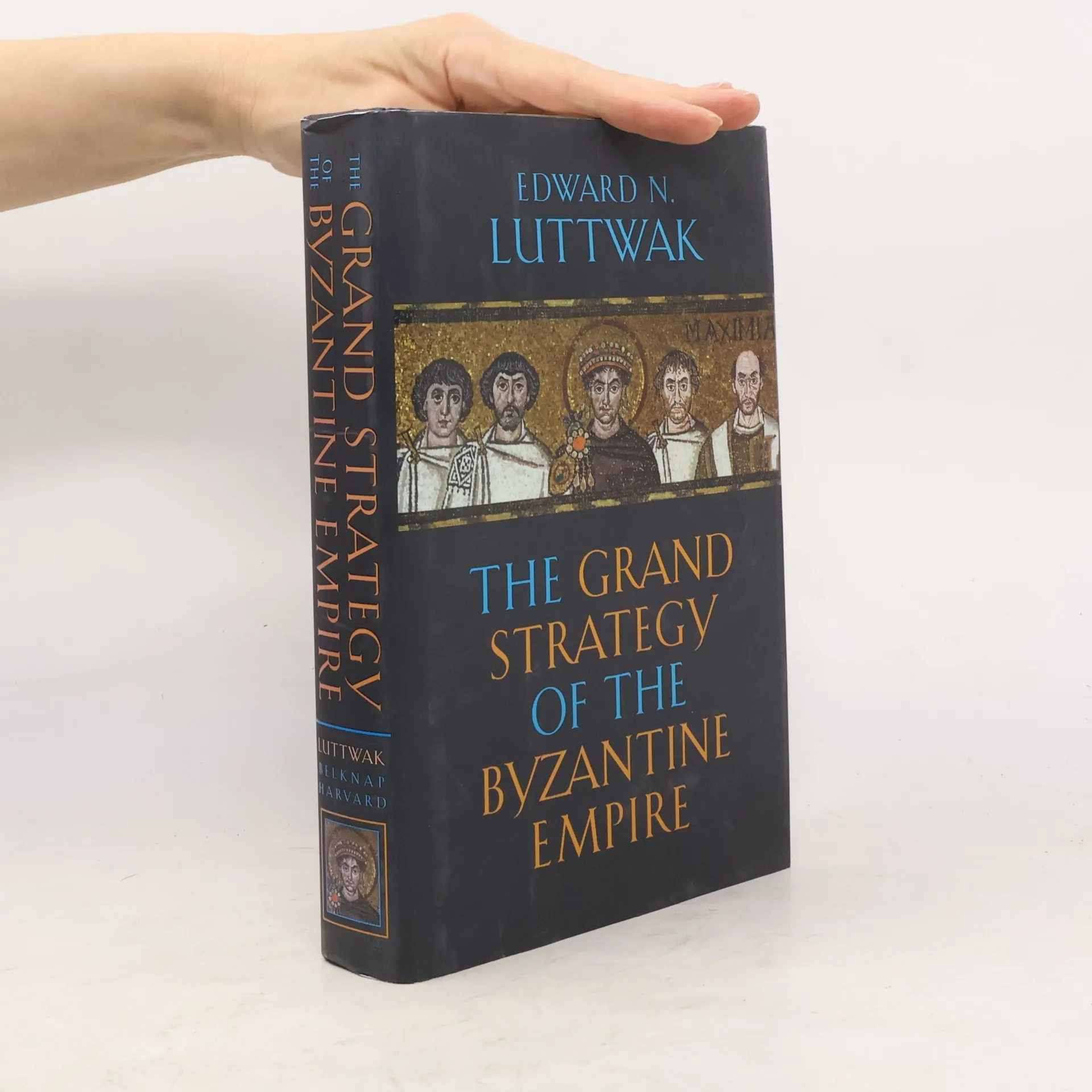
In this work, distinguished writer Edward Luttwak explores the grand strategy of the Byzantine Empire, which endured for over eight centuries, far surpassing the western Roman Empire. This remarkable longevity is notable given the Byzantine Empire's lack of geographic advantages and military dominance. While the western empire collapsed in the fifth century, the Byzantines thrived by adapting strategically to challenging circumstances, developing innovative methods to manage various threats. Their approach emphasized persuasion over sheer military might, enabling them to recruit allies, deter hostile neighbors, and manipulate adversaries into conflict with one another. Even in battle, the Byzantines often aimed to contain rather than annihilate their foes, recognizing that today's enemies could become tomorrow's allies. Originating in the fifth century, when they successfully repelled the Huns with minimal force, Byzantine strategy evolved over the centuries, producing valuable insights into statecraft and warfare. This interpretive account of Byzantine strategy, intelligence, and diplomacy over eight centuries will captivate scholars, classicists, military history enthusiasts, and professional soldiers alike.


Buchkauf
The Grand Strategy of the Byzantine Empire, Edward Luttwak
- Sprache

- Erscheinungsdatum
- 2009
- Einband
- (Hardcover)
Hier könnte deine Bewertung stehen.
- Sprache
- Englisch
- Autor*innen
- Edward Luttwak
- Verlag
- Belknap Press
- Erscheinungsdatum
- 2009
- Einband
- Hardcover
- Seitenzahl
- 512
- ISBN10
- 0674035194
- ISBN13
- 9780674035195
- Reihe
- Schlagwörter
- Sachbücher, Sozialwissenschaften, Historisches Thema, Geschichte, Politikwissenschaft, Politik, Militärgeschichte, Kriegsliteratur, Kriege, Mittelalter, Altertum
- Bewertung
- 3,95 von 5 Sternen
- Beschreibung
- In this work, distinguished writer Edward Luttwak explores the grand strategy of the Byzantine Empire, which endured for over eight centuries, far surpassing the western Roman Empire. This remarkable longevity is notable given the Byzantine Empire's lack of geographic advantages and military dominance. While the western empire collapsed in the fifth century, the Byzantines thrived by adapting strategically to challenging circumstances, developing innovative methods to manage various threats. Their approach emphasized persuasion over sheer military might, enabling them to recruit allies, deter hostile neighbors, and manipulate adversaries into conflict with one another. Even in battle, the Byzantines often aimed to contain rather than annihilate their foes, recognizing that today's enemies could become tomorrow's allies. Originating in the fifth century, when they successfully repelled the Huns with minimal force, Byzantine strategy evolved over the centuries, producing valuable insights into statecraft and warfare. This interpretive account of Byzantine strategy, intelligence, and diplomacy over eight centuries will captivate scholars, classicists, military history enthusiasts, and professional soldiers alike.