





Mehr zum Buch
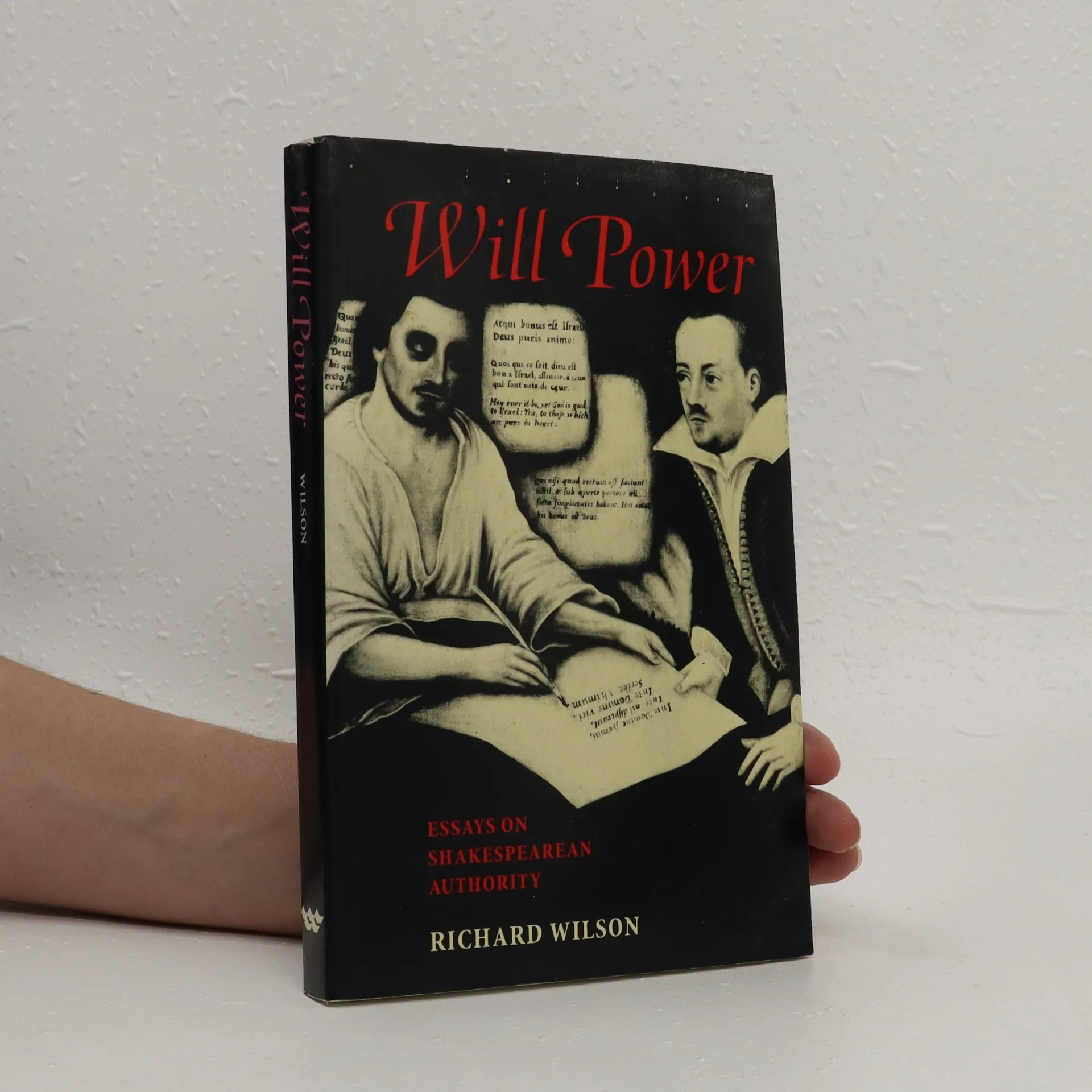
Shakespeare predicted neither palaces nor princes would outlast his "powerful rhyme." In Will Power, Richard Wilson considers the factors that charged Shakespearean literature with such force.This volume presents a wide-ranging historical background and sets the terms of contemporary Shakespeare criticism in the context of developments in philosophy, economics, and cultural theory. In a sequence of close readings of the entire range of plays, Wilson locates their social logic in relation to practices such as execution, electioneering, enclosure, childbirth, death, and the writing of wills. His two points of reference are the large Foucauldian argument about the institutional changes in Early Modern Europe that were connected with the formation of the modern state and conceptions of private property and subjectivity, and the specifics of social life and the particularism of local contexts that give us a more historically embedded Shakespeare.
Buchkauf
Will power : essays on Shakespearean authority, Richard Wilson
- Sprache

- Erscheinungsdatum
- 1993
- Einband
- (Paperback)
Hier könnte deine Bewertung stehen.
- Titel
- Will power : essays on Shakespearean authority
- Sprache
- Englisch
- Autor*innen
- Richard Wilson
- Erscheinungsdatum
- 1993
- Einband
- Paperback
- Seitenzahl
- 289
- ISBN10
- 0814324924
- ISBN13
- 9780814324929
- Reihe
- Kategorien
- Schlagwörter
- Historisches Thema, Literarische Kritik
- Bewertung
- 5 von 5 Sternen
- Beschreibung
- Shakespeare predicted neither palaces nor princes would outlast his "powerful rhyme." In Will Power, Richard Wilson considers the factors that charged Shakespearean literature with such force.This volume presents a wide-ranging historical background and sets the terms of contemporary Shakespeare criticism in the context of developments in philosophy, economics, and cultural theory. In a sequence of close readings of the entire range of plays, Wilson locates their social logic in relation to practices such as execution, electioneering, enclosure, childbirth, death, and the writing of wills. His two points of reference are the large Foucauldian argument about the institutional changes in Early Modern Europe that were connected with the formation of the modern state and conceptions of private property and subjectivity, and the specifics of social life and the particularism of local contexts that give us a more historically embedded Shakespeare.