



Parameter
- 297 Seiten
- 11 Lesestunden
Mehr zum Buch
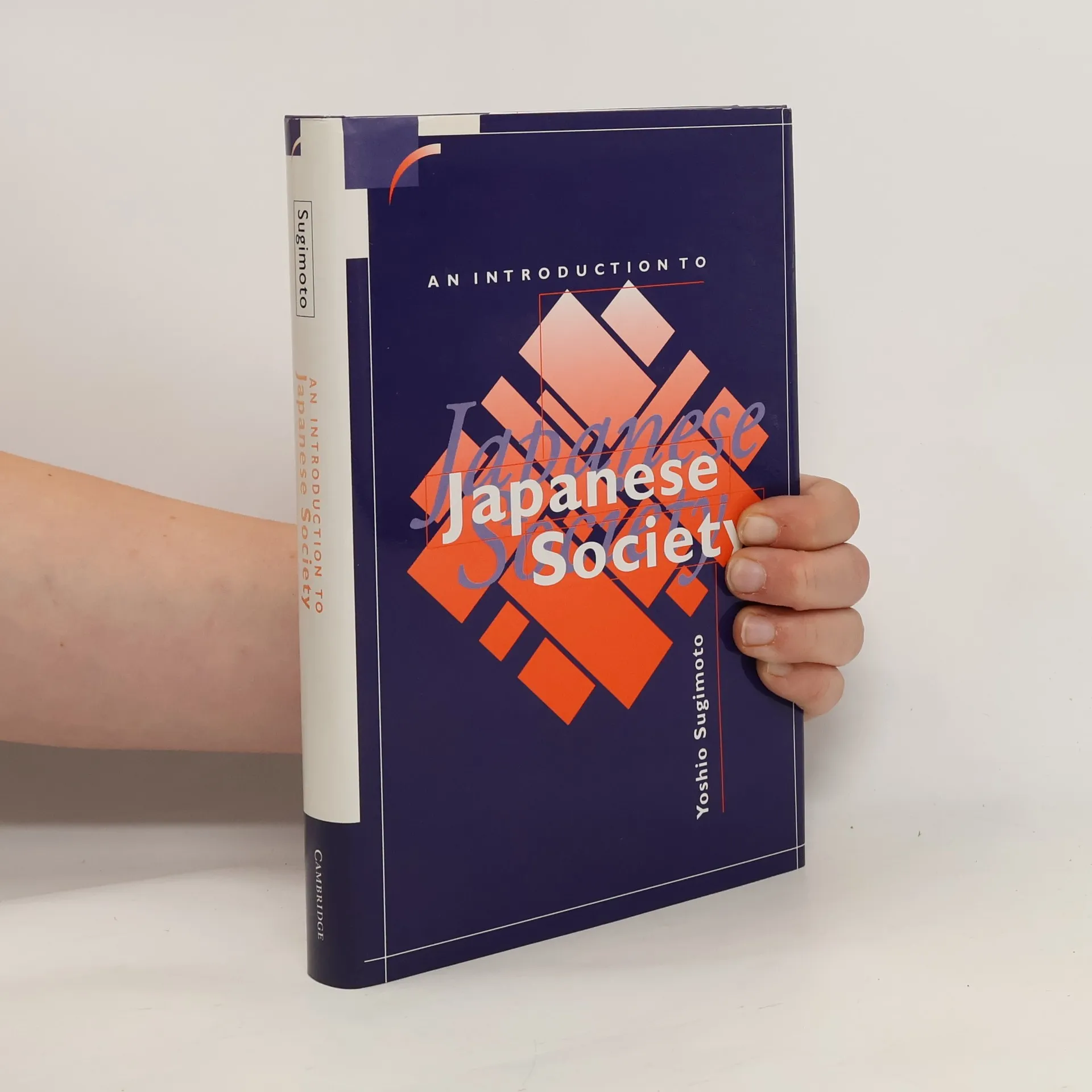
An Introduction to Japanese Society is a provocative, insightful and highly accessible book comprehensively examining contemporary Japanese society. It provides a thorough and critical analysis of the dominant view that Japanese society is strongly characterised by 'groupism and homogeneity'. Yoshio Sugimoto contests the notion that Japanese society comprises an extremely uniform culture, drawing attention to the subcultural diversity and class competition that exists within it. Sugimoto's views as an 'insider/outsider', having spent many years both in Japan and overseas, are insightful and probing. The book's accessibility and coverage of a broad range of issues, such as education, cultural diversity, power relations, politics and gender and family, makes it essential not only for students of Japan worldwide, but also for professional and lay people seeking a general introduction.



Buchkauf
An Introduction to Japanese Society, Yoshio Sugimoto
- Sprache

- Erscheinungsdatum
- 1997
- product-detail.submit-box.info.binding
- (Hardcover)
Hier könnte deine Bewertung stehen.
- Sprache
- Englisch
- Autor*innen
- Yoshio Sugimoto
- Erscheinungsdatum
- 1997
- Einband
- Hardcover
- Seitenzahl
- 297
- ISBN10
- 0521416922
- ISBN13
- 9780521416924
- Schlagwörter
- Sachbücher, Sozialwissenschaften, Historisches Thema, Geschichte, Esoterik & Religion, Politikwissenschaft, Religion, Politik, Soziologie, Kultur und Gesellschaft, Japan, Japanische Literatur, Shintoismus
- Bewertung
- 4 von 5 Sternen
- Beschreibung
- An Introduction to Japanese Society is a provocative, insightful and highly accessible book comprehensively examining contemporary Japanese society. It provides a thorough and critical analysis of the dominant view that Japanese society is strongly characterised by 'groupism and homogeneity'. Yoshio Sugimoto contests the notion that Japanese society comprises an extremely uniform culture, drawing attention to the subcultural diversity and class competition that exists within it. Sugimoto's views as an 'insider/outsider', having spent many years both in Japan and overseas, are insightful and probing. The book's accessibility and coverage of a broad range of issues, such as education, cultural diversity, power relations, politics and gender and family, makes it essential not only for students of Japan worldwide, but also for professional and lay people seeking a general introduction.