


Mehr zum Buch
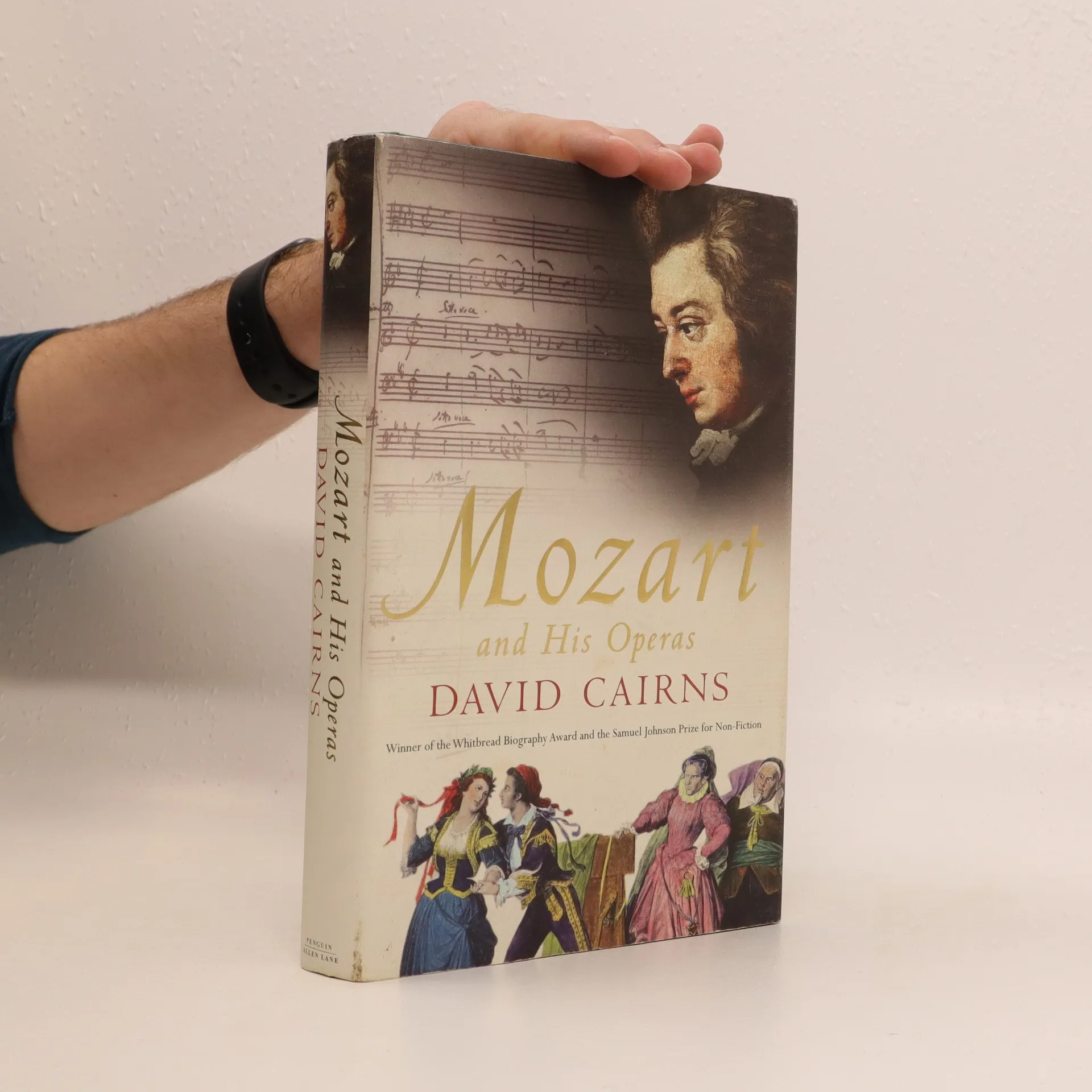
David Cairns's exploration of Mozart's life, coinciding with the 250th anniversary of the composer's birth, offers a unique perspective through his operas. Moving beyond traditional biography, Cairns provides insights into Mozart's creative process, revealing the revolutionary aspects of his music during his time and its enduring brilliance. He chronicles Mozart's journey from a child prodigy to a mature composer, dispelling myths that portray him as a dichotomy of artist and clown; instead, he presents a more human and miraculous figure. The narrative follows the evolution of Mozart's musical style, starting with "Idomeneo," which Cairns identifies as his most romantic and forward-looking opera, commissioned for the Munich Carnival in 1781. It then delves into the trio of comic operas created with Lorenzo Da Ponte—"The Marriage of Figaro," "Don Giovanni," and "Cosi fan tutte"—which showcase his full mastery. Finally, the discussion culminates with "The Magic Flute," regarded as his most complex achievement. Cairns subtly examines the interplay between the operas and his instrumental works, suggesting that a deeper understanding of the operas enriches our appreciation of Mozart's entire artistic legacy.


Buchkauf
Mozart and his operas, David Cairns
- Sprache

- Erscheinungsdatum
- 2006
- product-detail.submit-box.info.binding
- (Hardcover)
Hier könnte deine Bewertung stehen.
- Sprache
- Englisch
- Autor*innen
- David Cairns
- Verlag
- Allen Lane
- Erscheinungsdatum
- 2006
- Einband
- Hardcover
- ISBN10
- 0713994916
- ISBN13
- 9780713994919
- Reihe
- Schlagwörter
- Sachbücher, Kunst & Kultur, Historisches Thema, Geschichte, Wahre Geschichten, Biografien, Musikalische Thematik, Musik
- Bewertung
- 4,15 von 5 Sternen
- Beschreibung
- David Cairns's exploration of Mozart's life, coinciding with the 250th anniversary of the composer's birth, offers a unique perspective through his operas. Moving beyond traditional biography, Cairns provides insights into Mozart's creative process, revealing the revolutionary aspects of his music during his time and its enduring brilliance. He chronicles Mozart's journey from a child prodigy to a mature composer, dispelling myths that portray him as a dichotomy of artist and clown; instead, he presents a more human and miraculous figure. The narrative follows the evolution of Mozart's musical style, starting with "Idomeneo," which Cairns identifies as his most romantic and forward-looking opera, commissioned for the Munich Carnival in 1781. It then delves into the trio of comic operas created with Lorenzo Da Ponte—"The Marriage of Figaro," "Don Giovanni," and "Cosi fan tutte"—which showcase his full mastery. Finally, the discussion culminates with "The Magic Flute," regarded as his most complex achievement. Cairns subtly examines the interplay between the operas and his instrumental works, suggesting that a deeper understanding of the operas enriches our appreciation of Mozart's entire artistic legacy.