

Mehr zum Buch
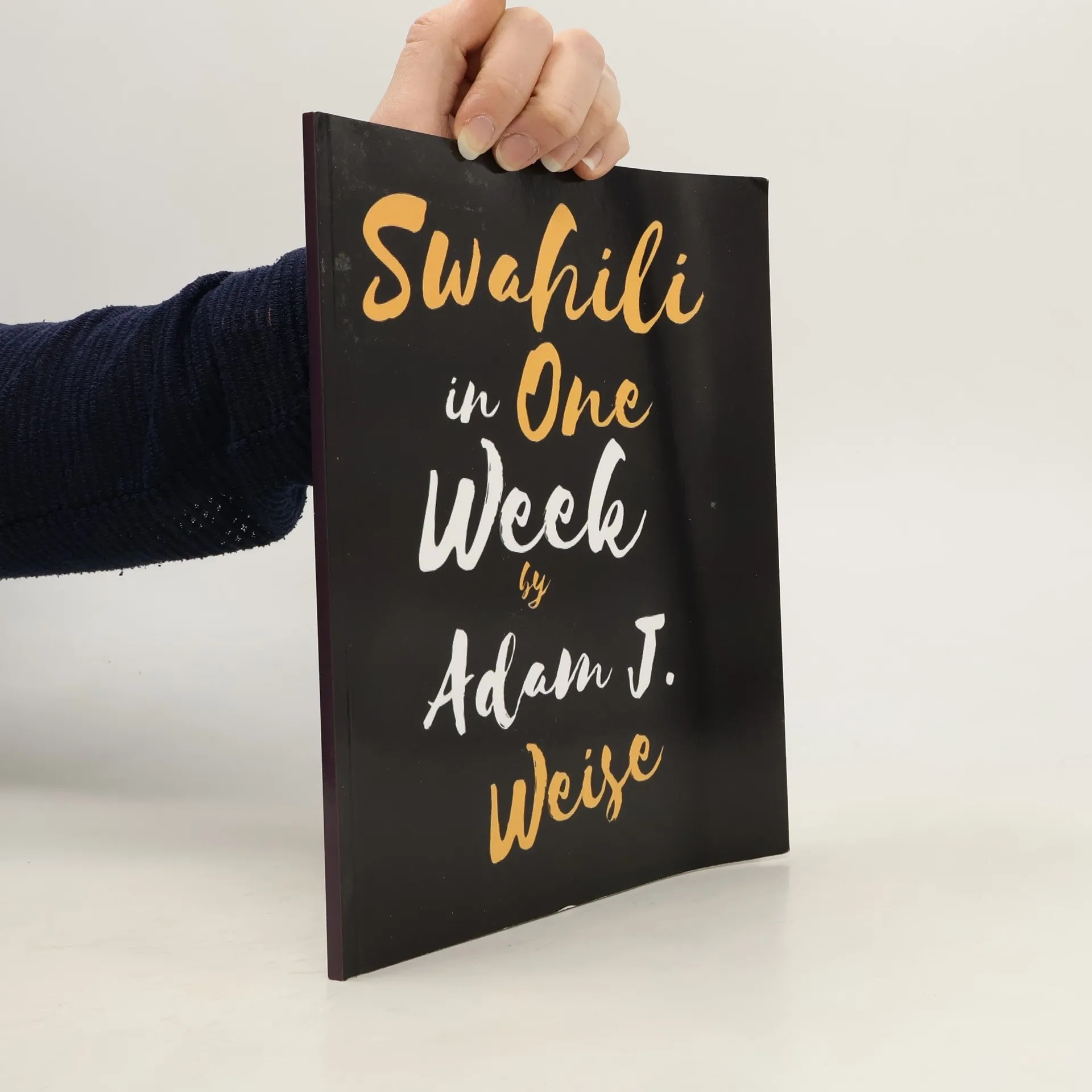
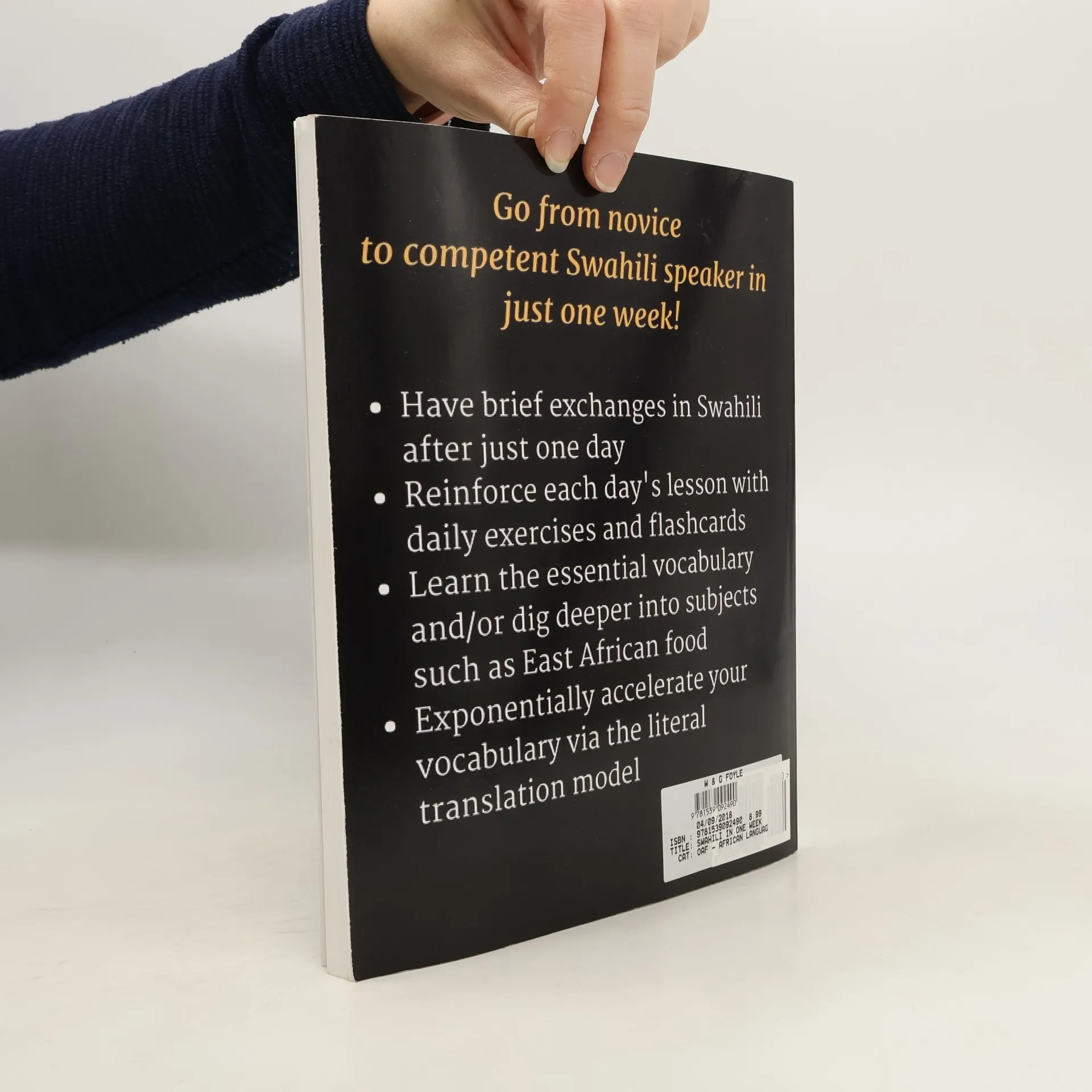
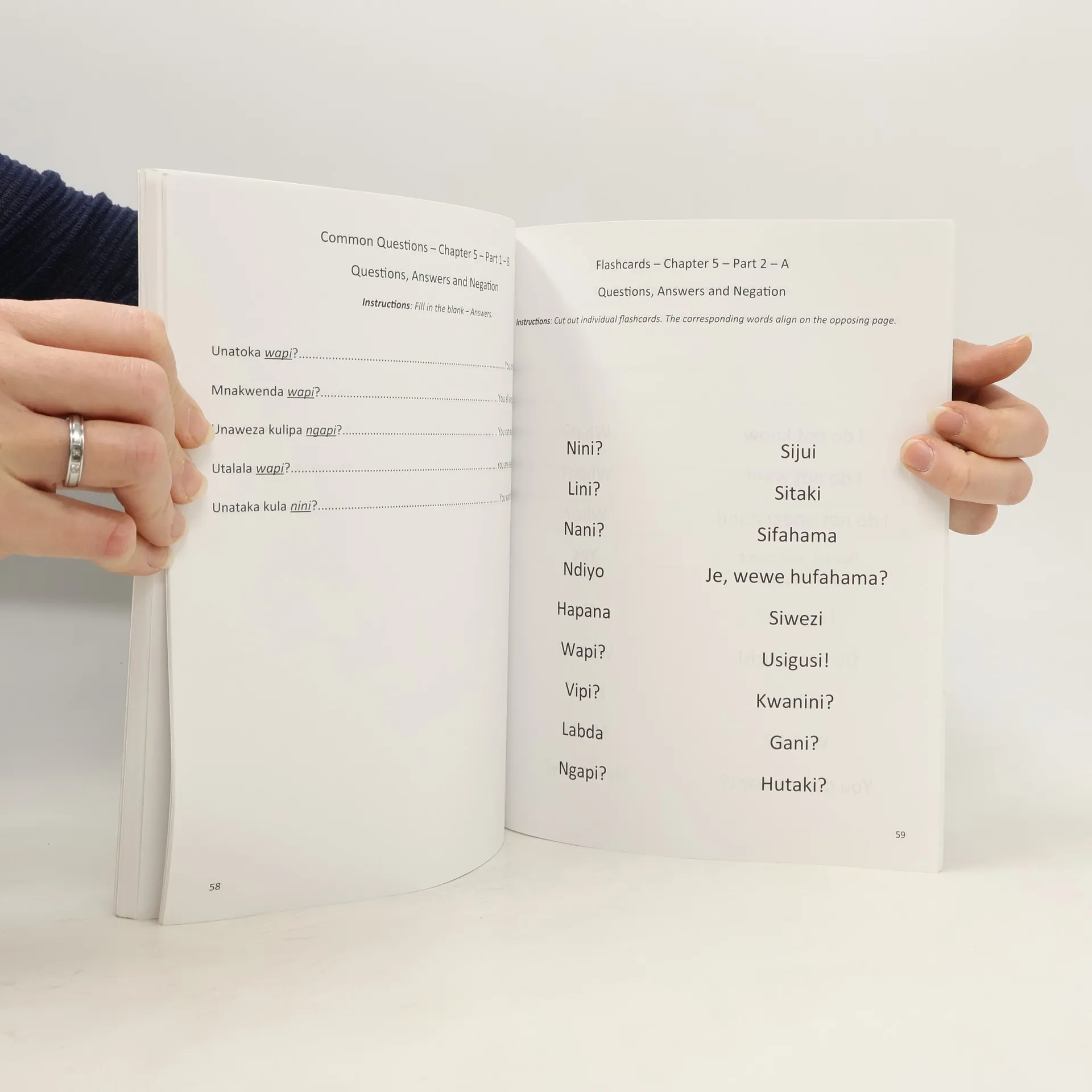
Swahili in One Week is easily accessible to those who struggle to learn languages or doubt their ability to do so. This book sets you on the path to fluency by teaching you the fundamentals of Swahili, which you can use as a base for future learning. The book is divided into seven days worth of subjects and practice exercises and includes Swahili-English and English-Swahili dictionaries. The goal of this book is to give the reader—having no prior knowledge of Swahili—the ability to manage basic exchanges and, more importantly, an understanding of the language upon which they can quickly build to become a proficient speaker. This is why literal translations are used, by knowing “habari yako” means “news your” instead of “how are you,” which is the non-literal translation, the language learner adds two unique words plus the phrase to their vocabulary.
Buchkauf
Swahili in One Week, Adam J. Weise
- Sprache

- Erscheinungsdatum
- 2017
- Einband
- (Paperback)
Hier könnte deine Bewertung stehen.
- Titel
- Swahili in One Week
- Sprache
- Englisch
- Autor*innen
- Adam J. Weise
- Erscheinungsdatum
- 2017
- Einband
- Paperback
- Seitenzahl
- 100
- ISBN10
- 1539092496
- ISBN13
- 9781539092490
- Reihe
- Kategorien
- Schlagwörter
- Sprachbücher & -lexika
- Bewertung
- 3,5 von 5 Sternen
- Beschreibung
- Swahili in One Week is easily accessible to those who struggle to learn languages or doubt their ability to do so. This book sets you on the path to fluency by teaching you the fundamentals of Swahili, which you can use as a base for future learning. The book is divided into seven days worth of subjects and practice exercises and includes Swahili-English and English-Swahili dictionaries. The goal of this book is to give the reader—having no prior knowledge of Swahili—the ability to manage basic exchanges and, more importantly, an understanding of the language upon which they can quickly build to become a proficient speaker. This is why literal translations are used, by knowing “habari yako” means “news your” instead of “how are you,” which is the non-literal translation, the language learner adds two unique words plus the phrase to their vocabulary.