


Reihen
Parameter
- 1184 Seiten
- 42 Lesestunden
Mehr zum Buch
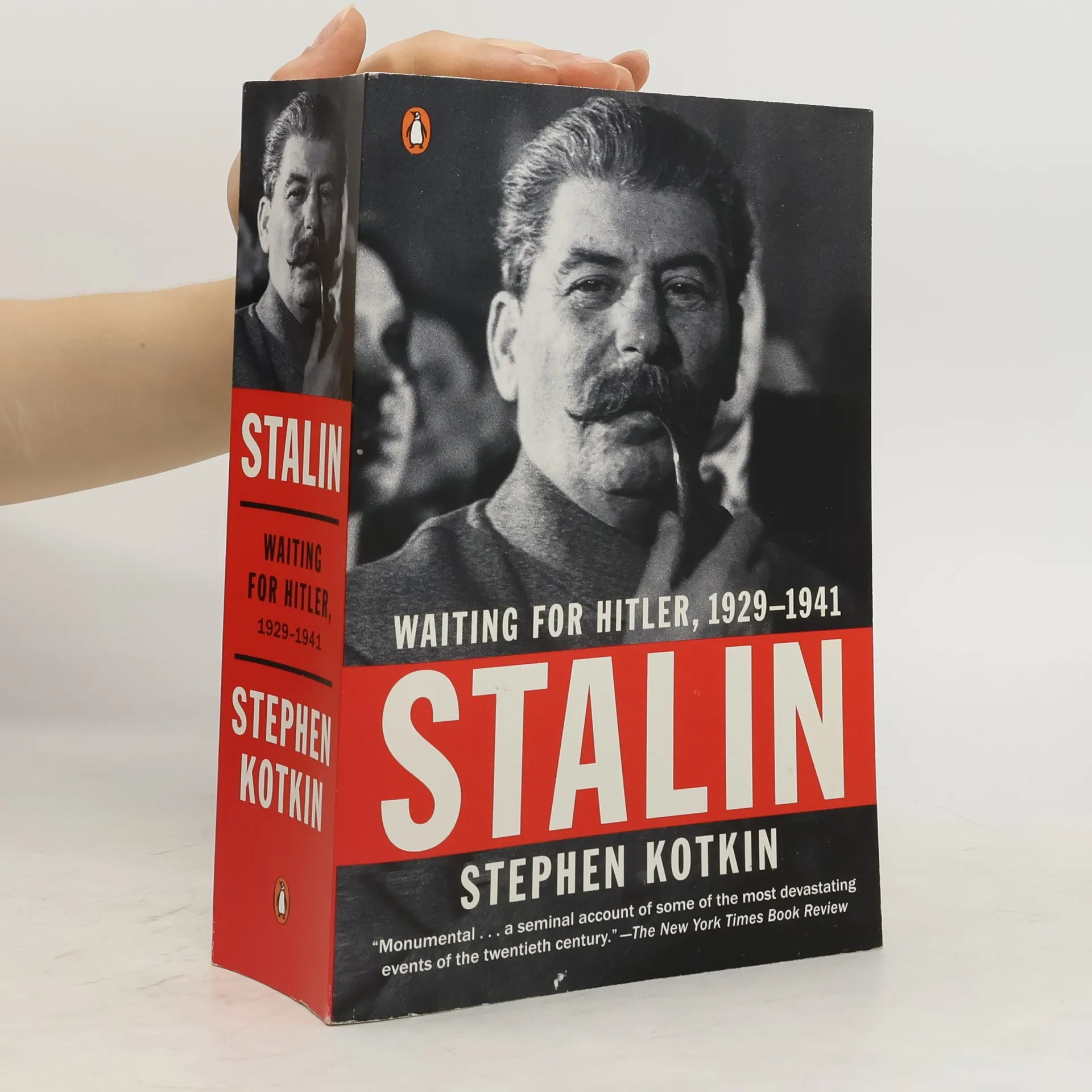
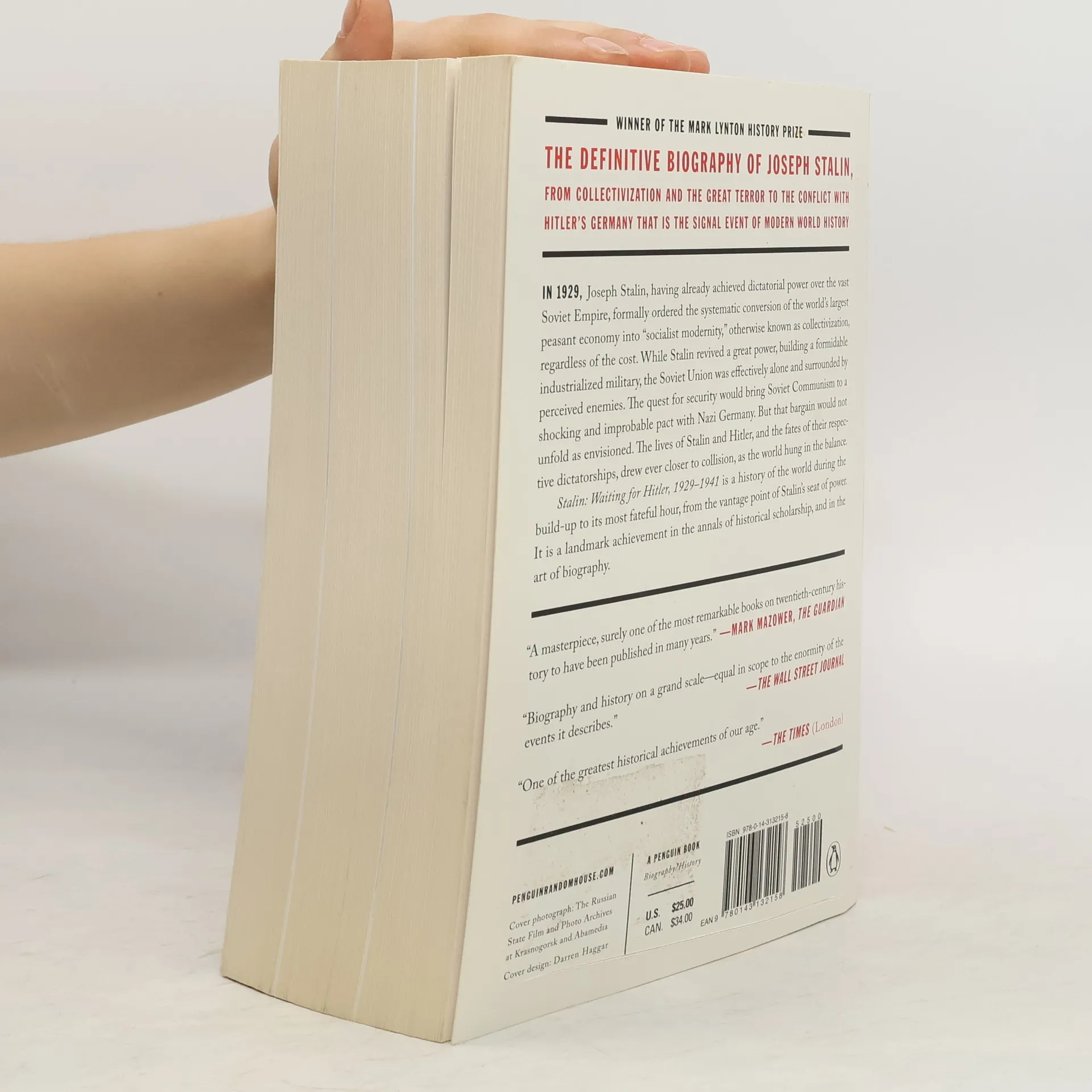
In 1929, Joseph Stalin, having secured dictatorial power over the Soviet Empire, initiated the systematic transformation of the world's largest peasant economy into "socialist modernity" through collectivization, regardless of the consequences. This drastic policy profoundly altered both the nation and its leader. Managing a dictatorship with life-and-death authority over millions shaped Stalin into an extraordinary figure. The collectivization of around 120 million peasants required extreme coercion, leading to mass starvation that drew criticism even from loyal Communists. Yet, Stalin remained unwavering. By 1934, as the Soviet Union stabilized and socialism took root in the countryside, he received widespread praise for his anti-capitalist achievements. However, Stalin's unforgiving nature led him to execute nearly a million individuals, including military leaders and cultural icons, as he sought to consolidate power with a new elite. While he succeeded in reviving a formidable industrialized military, the Soviet Union found itself isolated and surrounded by perceived threats. This quest for security culminated in an unexpected pact with Nazi Germany, which would not unfold as planned. The lives of Stalin and Hitler, along with the trajectories of their regimes, drew closer to a catastrophic confrontation, leaving the world in a precarious state.


Buchkauf
Stalin: Waiting for Hitler, 1929-1941, Stephen Kotkin
- Sprache

- Erscheinungsdatum
- 2018
- product-detail.submit-box.info.binding
- (Paperback)
Hier könnte deine Bewertung stehen.
- Sprache
- Englisch
- Autor*innen
- Stephen Kotkin
- Verlag
- Penguin Group
- Erscheinungsdatum
- 2018
- Einband
- Paperback
- Seitenzahl
- 1184
- ISBN10
- 0143132156
- ISBN13
- 9780143132158
- Reihe
- Stalin
- Schlagwörter
- Sachbücher, Sozialwissenschaften, Historisches Thema, Geschichte, Wahre Geschichten, Biografien, Politikwissenschaft, Politik, Militärgeschichte, Zweiter Weltkrieg, Geschenke für Opa, Russland, Politikerbiografien, Sowjetunion, Russische Geschichte
- Bewertung
- 4,35 von 5 Sternen
- Beschreibung
- In 1929, Joseph Stalin, having secured dictatorial power over the Soviet Empire, initiated the systematic transformation of the world's largest peasant economy into "socialist modernity" through collectivization, regardless of the consequences. This drastic policy profoundly altered both the nation and its leader. Managing a dictatorship with life-and-death authority over millions shaped Stalin into an extraordinary figure. The collectivization of around 120 million peasants required extreme coercion, leading to mass starvation that drew criticism even from loyal Communists. Yet, Stalin remained unwavering. By 1934, as the Soviet Union stabilized and socialism took root in the countryside, he received widespread praise for his anti-capitalist achievements. However, Stalin's unforgiving nature led him to execute nearly a million individuals, including military leaders and cultural icons, as he sought to consolidate power with a new elite. While he succeeded in reviving a formidable industrialized military, the Soviet Union found itself isolated and surrounded by perceived threats. This quest for security culminated in an unexpected pact with Nazi Germany, which would not unfold as planned. The lives of Stalin and Hitler, along with the trajectories of their regimes, drew closer to a catastrophic confrontation, leaving the world in a precarious state.