

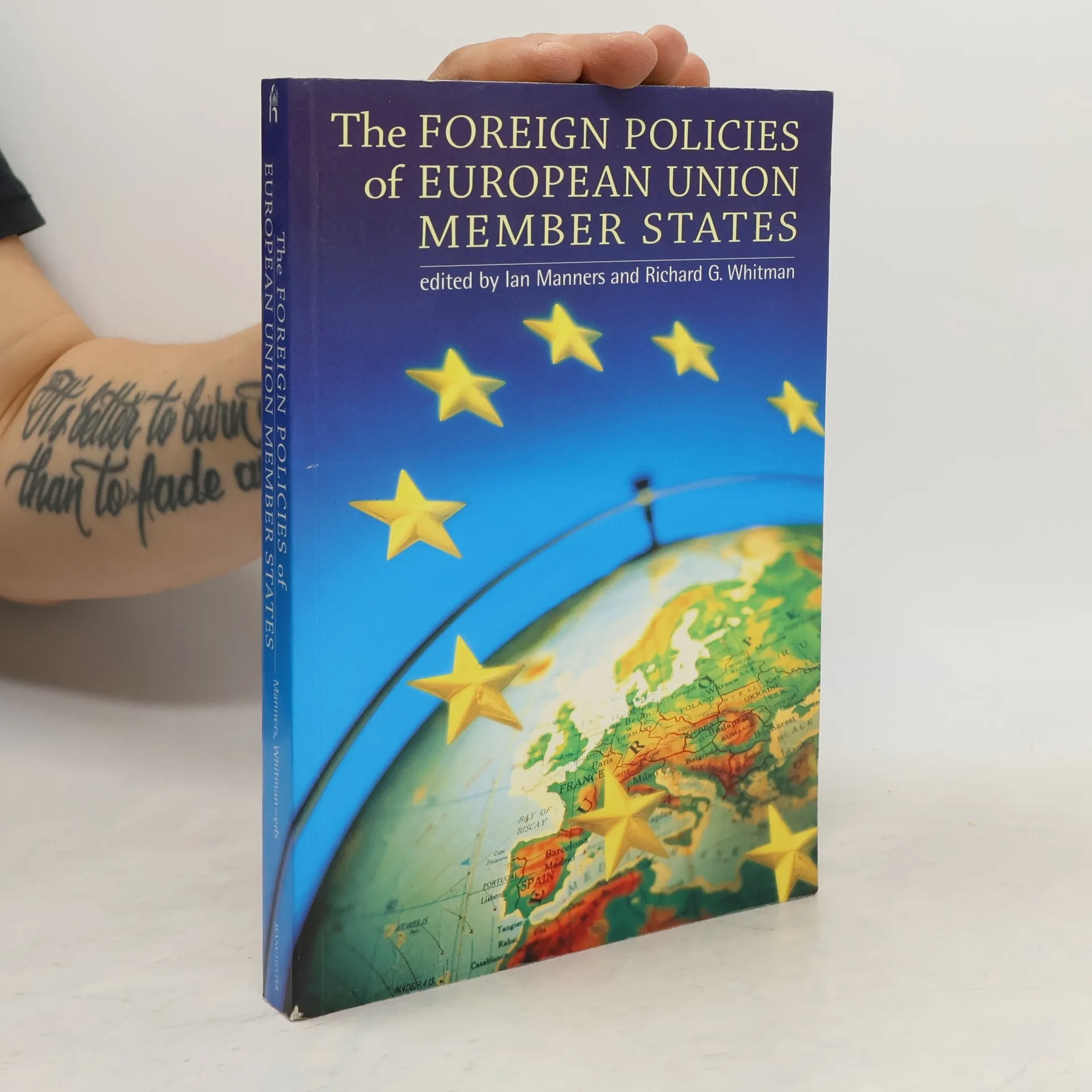
The Foreign Policies of European Union Member States
Autor*innen
Buchbewertung
Parameter
- 300 Seiten
- 11 Lesestunden
Mehr zum Buch
This comparative analysis of the foreign policies of European Union member states includes comprehensive coverage of the post-Maastricht period and the three newest members of the EU. In the only comparative study of its kind since 1976, the book analyzes the dual impact of the Maastricht Treaty on the European Union, and the post-Cold War environment on the foreign policy processes of the EU’s member states. The book argues for a new approach to the foreign policy analysis of EU states that recognizes the fundamental changes that membership brings after the Cold War, but also acknowledges the diverse role of policies which states seek to retain or advance as being “special.”
Buchkauf
The Foreign Policies of European Union Member States, Ian Manners, Richard Whitman
- Sprache

- Erscheinungsdatum
- 2000
- Einband
- (Paperback)
Hier könnte deine Bewertung stehen.
- Titel
- The Foreign Policies of European Union Member States
- Sprache
- Englisch
- Autor*innen
- Ian Manners, Richard Whitman
- Erscheinungsdatum
- 2000
- Einband
- Paperback
- Seitenzahl
- 300
- ISBN10
- 0719057795
- ISBN13
- 9780719057793
- Reihe
- Schlagwörter
- Politik, Internationale Beziehungen, Europäische Union, Literatur und Politik
- Bewertung
- 3,5 von 5 Sternen
- Beschreibung
- This comparative analysis of the foreign policies of European Union member states includes comprehensive coverage of the post-Maastricht period and the three newest members of the EU. In the only comparative study of its kind since 1976, the book analyzes the dual impact of the Maastricht Treaty on the European Union, and the post-Cold War environment on the foreign policy processes of the EU’s member states. The book argues for a new approach to the foreign policy analysis of EU states that recognizes the fundamental changes that membership brings after the Cold War, but also acknowledges the diverse role of policies which states seek to retain or advance as being “special.”