


Mehr zum Buch
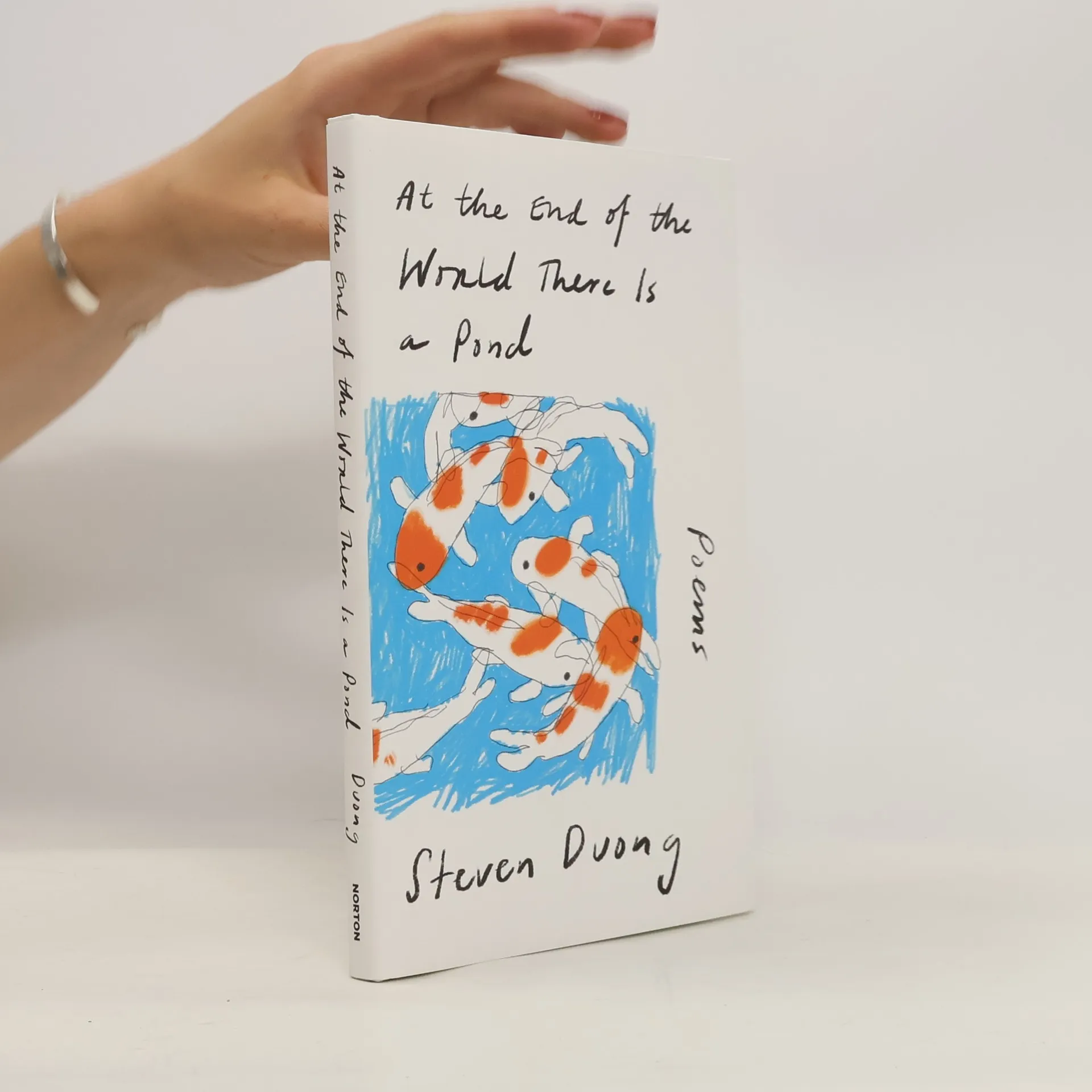
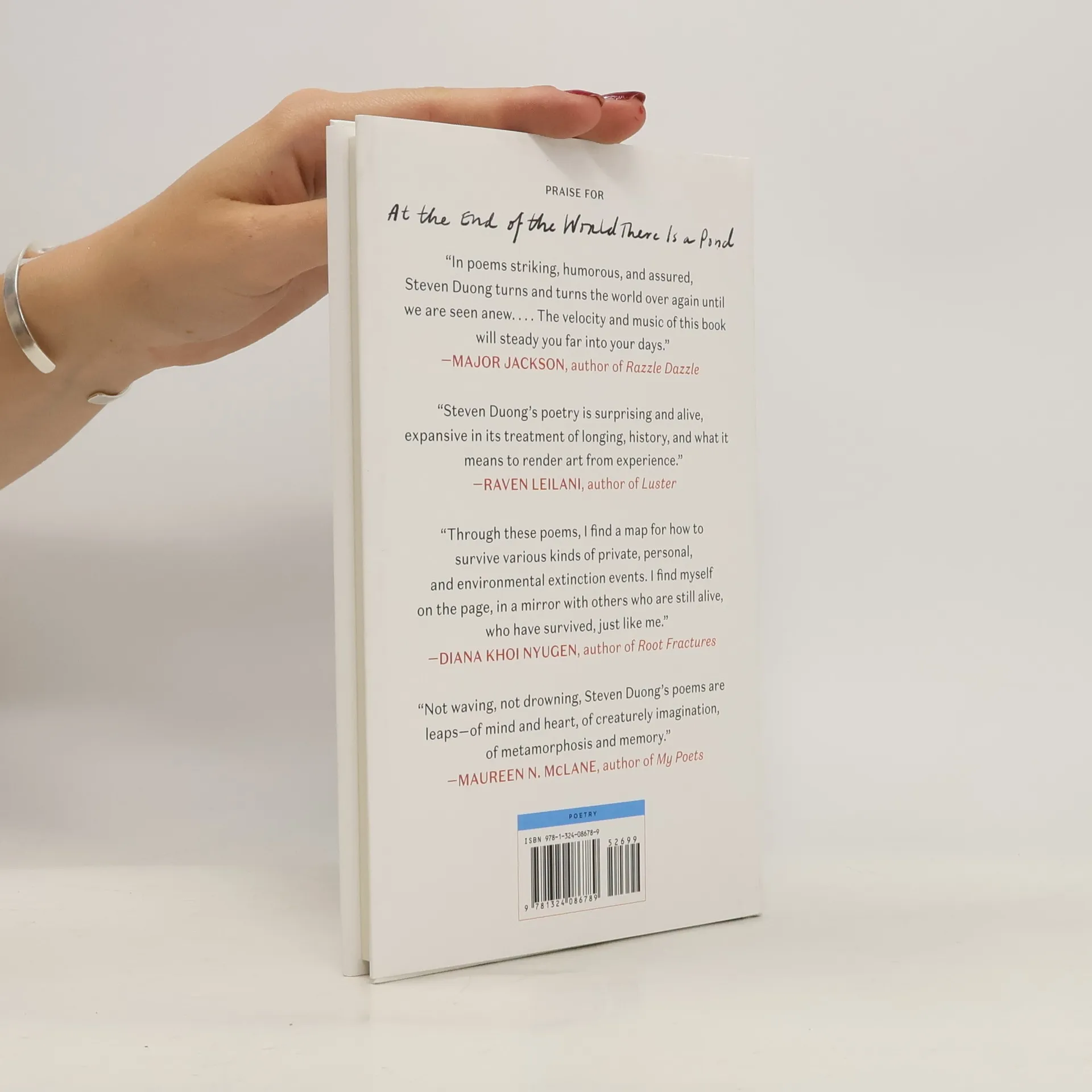
At the End of the World There Is a Pond is a book about aftermaths. Each poem comes in the wake of a deep rupture--the rupture of mental illness and addiction, of migration and displacement, of violence, familial conflict, and ecological catastrophe. The speakers of these poems engage with despair and playfulness in equal measure, always allowing humor, irony, and the exuberance of the natural world to bend darkness toward something like hope. Again and again, Steven Duong's writing excavates the unnatural conditions of the seemingly natural world: the betta fish trapped in its mason jar, the forest choked by invasive kudzu, the elephant wounded in a landmine blast. Ultimately, At the End of the World There Is a Pond articulates an impossible question: How can we reconcile a deep love for the world in all its buzzing, wriggling aliveness with an equally deep self-destructive desire to leave it behind?
Buchkauf
At the End of the World There Is a Pond, Steven Duong
- Sprache

- Erscheinungsdatum
- 2025
- Einband
- (Hardcover)
Hier könnte deine Bewertung stehen.
- Titel
- At the End of the World There Is a Pond
- Untertitel
- Poems
- Sprache
- Englisch
- Autor*innen
- Steven Duong
- Verlag
- W. W. Norton
- Erscheinungsdatum
- 2025
- Einband
- Hardcover
- Seitenzahl
- 96
- ISBN10
- 1324086785
- ISBN13
- 9781324086789
- Reihe
- Kategorien
- Schlagwörter
- Bewertung
- 4,05 von 5 Sternen
- Beschreibung
- At the End of the World There Is a Pond is a book about aftermaths. Each poem comes in the wake of a deep rupture--the rupture of mental illness and addiction, of migration and displacement, of violence, familial conflict, and ecological catastrophe. The speakers of these poems engage with despair and playfulness in equal measure, always allowing humor, irony, and the exuberance of the natural world to bend darkness toward something like hope. Again and again, Steven Duong's writing excavates the unnatural conditions of the seemingly natural world: the betta fish trapped in its mason jar, the forest choked by invasive kudzu, the elephant wounded in a landmine blast. Ultimately, At the End of the World There Is a Pond articulates an impossible question: How can we reconcile a deep love for the world in all its buzzing, wriggling aliveness with an equally deep self-destructive desire to leave it behind?