

Mehr zum Buch
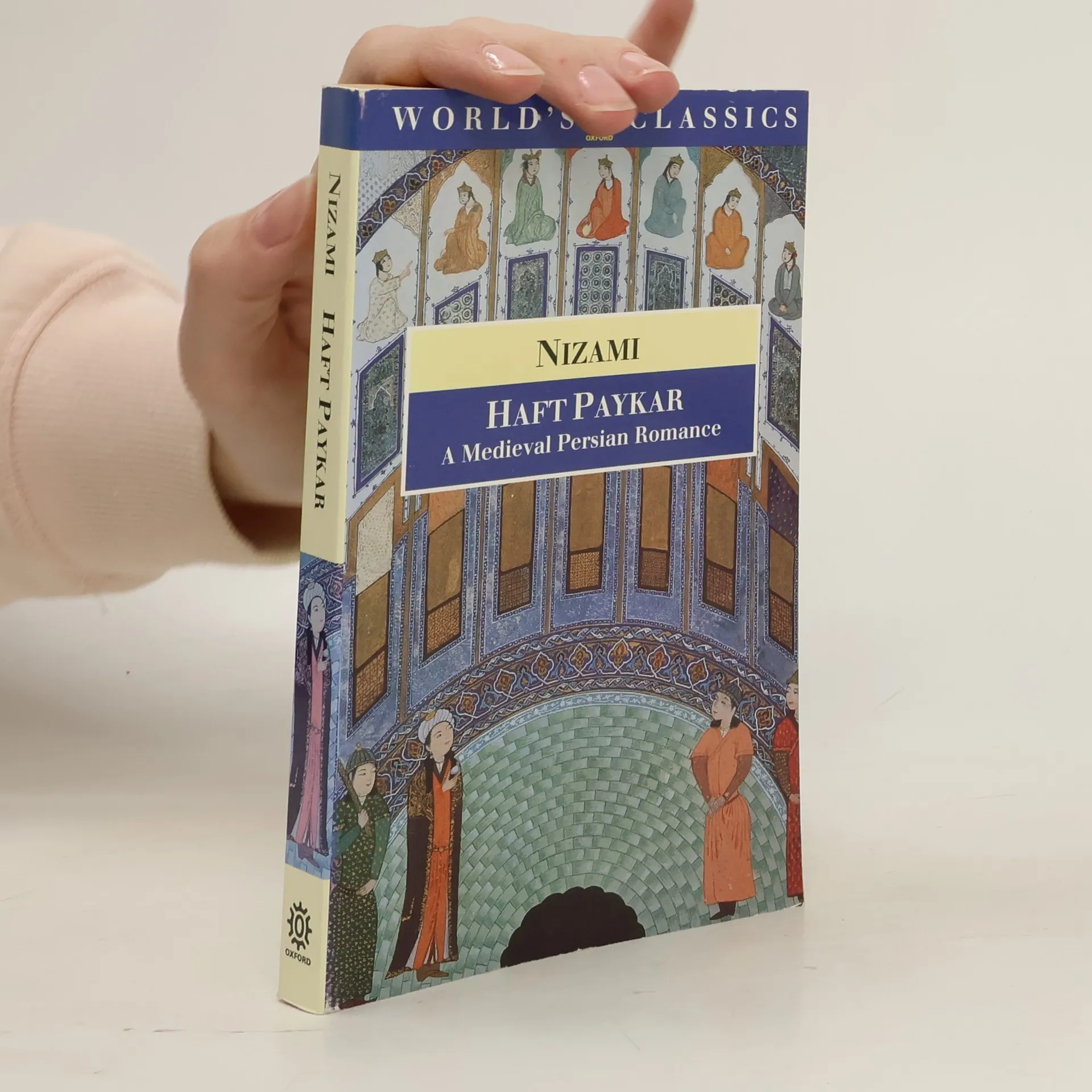
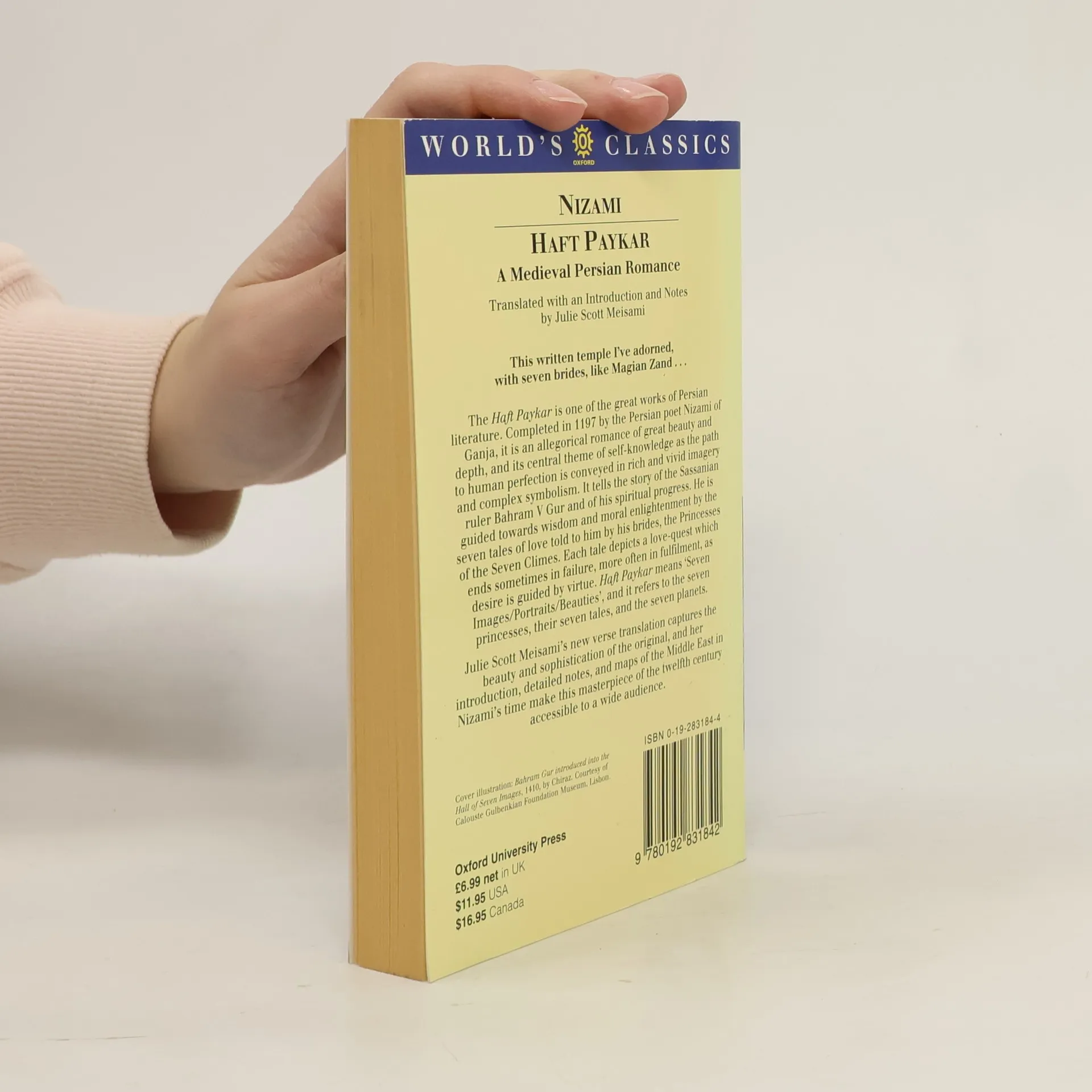
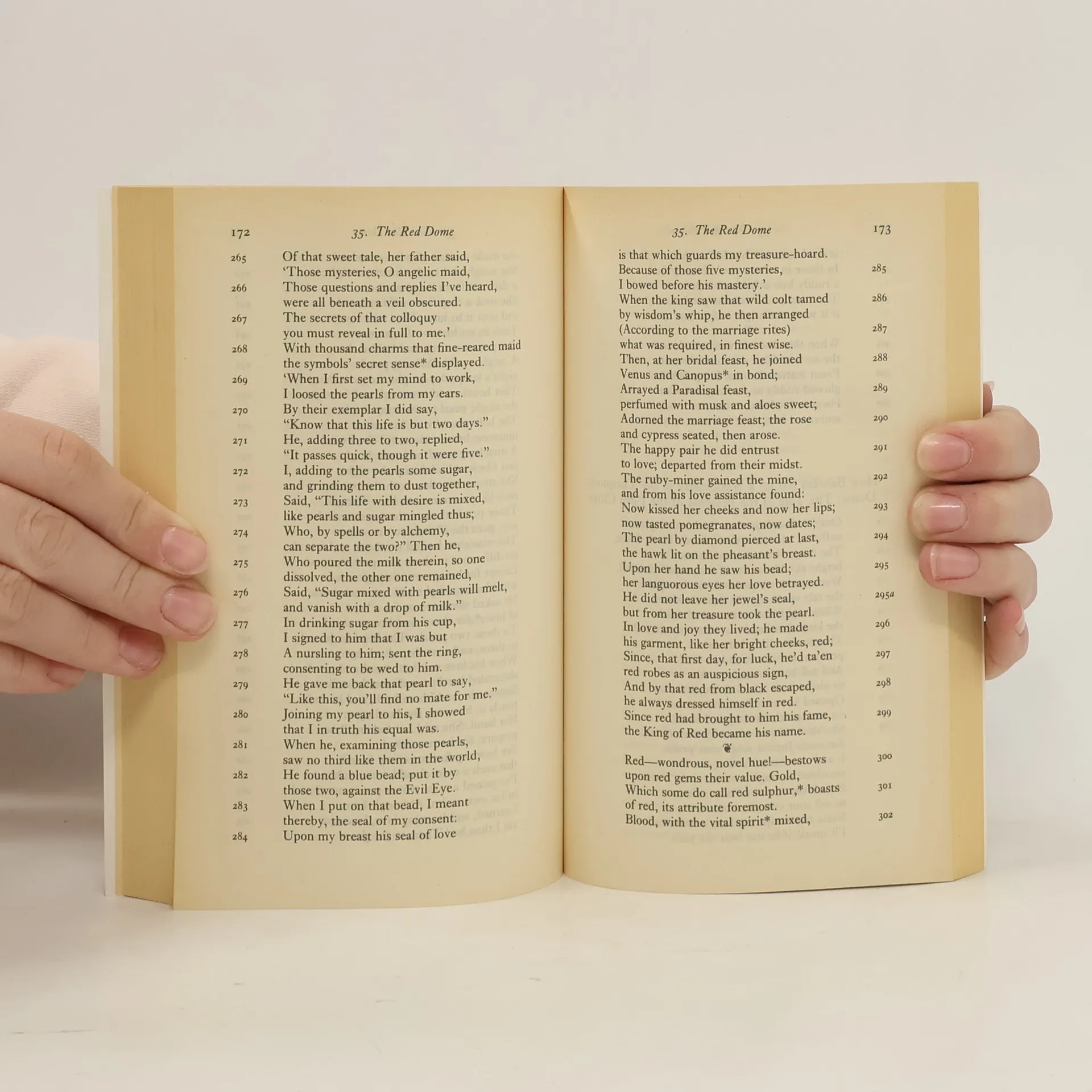
The romance of the Haft Paykar ("Seven Beauties") is one of the great works of Persian literature. Completed in 1197 by the poet Nizami of Ganja, it is an allegorical romance of great beauty and depth, and its central theme of self-knowledge as the path to human perfection is conveyed in rich and vivid imagery and complex symbolism. The Haft Paykar tells the story of the Sassanian ruler Prince Bahram V Gur and his progress towards wisdom, and is enlivened by many adventures and by the seven tales--love stories--told to the prince by his brides. This new English verse translation captures the beauty and sophistication of the original, and makes this masterpiece of twelfth-century Persia accessible to a wide audience.
Buchkauf
The Haft Paykar, Niẓāmī Ganjavī, Julie Scott Meisami
- Sprache

- Erscheinungsdatum
- 1995
- Einband
- (Paperback)
Hier könnte deine Bewertung stehen.
- Titel
- The Haft Paykar
- Untertitel
- A Medieval Persian Romance
- Sprache
- Englisch
- Autor*innen
- Niẓāmī Ganjavī, Julie Scott Meisami
- Verlag
- Oxford University Press
- Erscheinungsdatum
- 1995
- Einband
- Paperback
- Seitenzahl
- 362
- ISBN10
- 0192831844
- ISBN13
- 9780192831842
- Reihe
- Kategorien
- Schlagwörter
- Asien, Iran, 12. Jahrhundert
- Bewertung
- 4,15 von 5 Sternen
- Beschreibung
- The romance of the Haft Paykar ("Seven Beauties") is one of the great works of Persian literature. Completed in 1197 by the poet Nizami of Ganja, it is an allegorical romance of great beauty and depth, and its central theme of self-knowledge as the path to human perfection is conveyed in rich and vivid imagery and complex symbolism. The Haft Paykar tells the story of the Sassanian ruler Prince Bahram V Gur and his progress towards wisdom, and is enlivened by many adventures and by the seven tales--love stories--told to the prince by his brides. This new English verse translation captures the beauty and sophistication of the original, and makes this masterpiece of twelfth-century Persia accessible to a wide audience.