


Mehr zum Buch
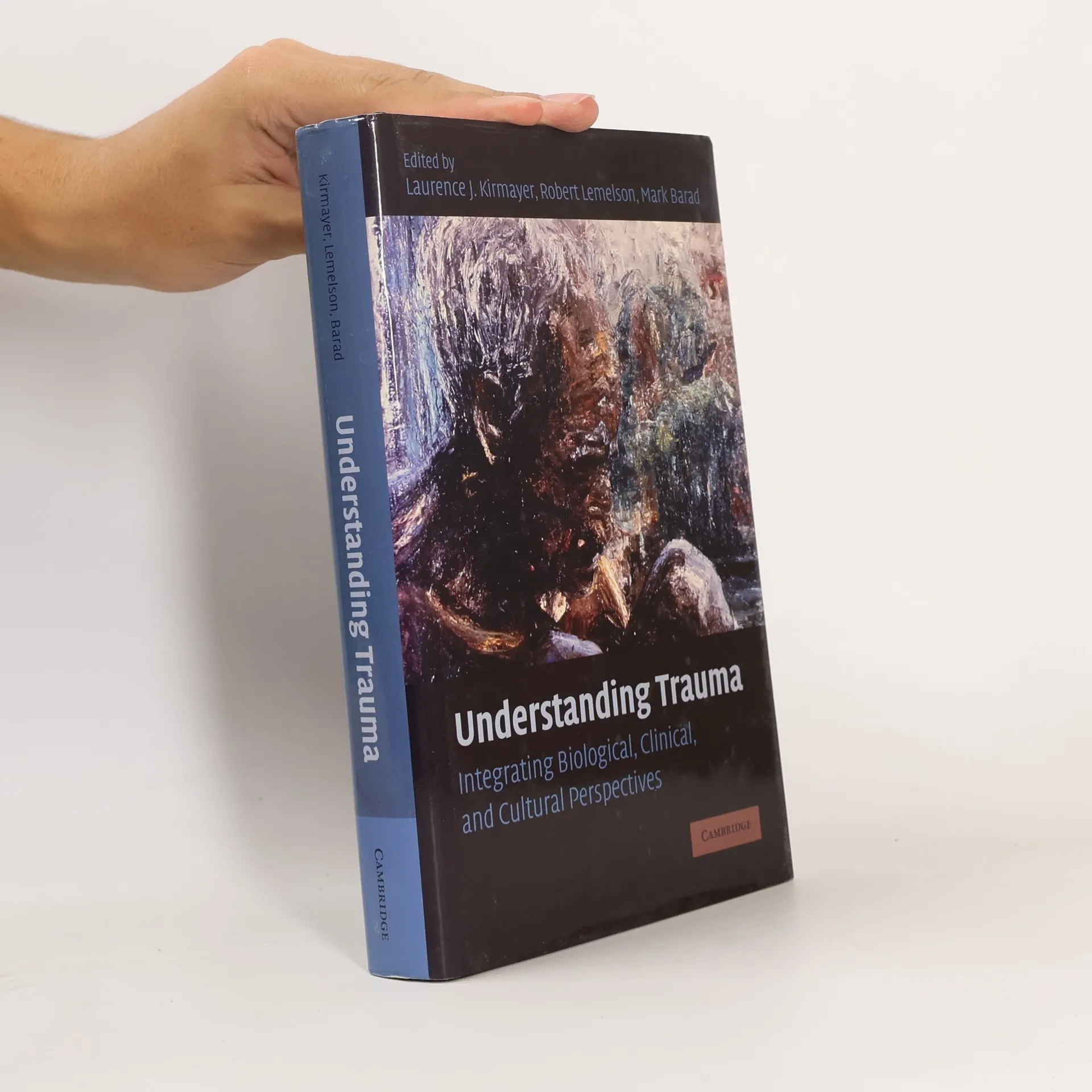
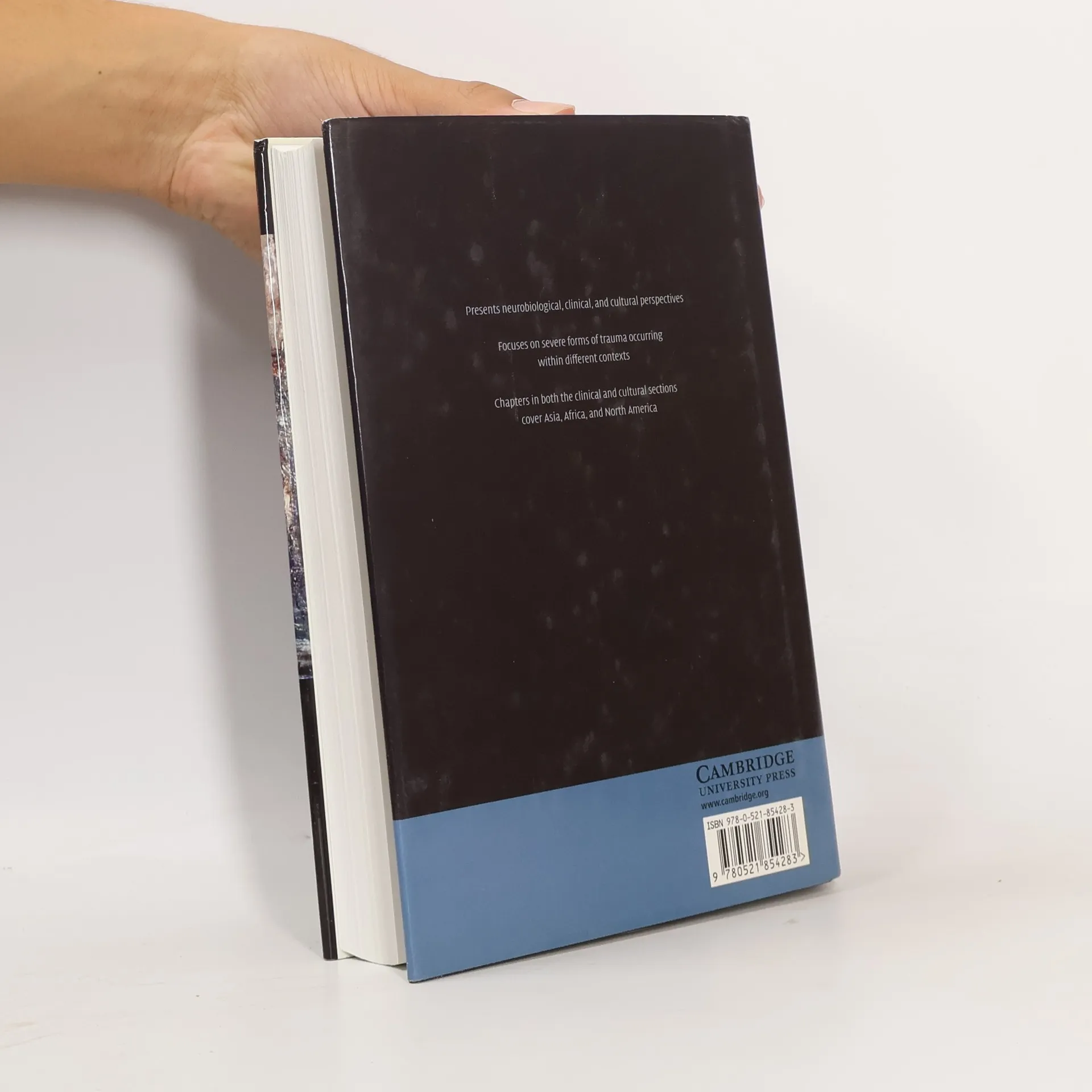
This book analyzes the individual and collective experience of and response to trauma from a wide range of perspectives including basic neuroscience, clinical science, and cultural anthropology. Each perspective presents critical and creative challenges to the other. The first section reviews the effects of early life stress on the development of neural systems and vulnerability to persistent effects of trauma. The second section of the book reviews a wide range of clinical approaches to the treatment of the effects of trauma. The final section of the book presents cultural analyses of personal, social, and political responses to massive trauma and genocidal events in a variety of societies.This work goes well beyond the neurobiological models of conditioned fear and clinical syndrome of post-traumatic stress disorder to examine how massive traumatic events affect the whole fabric of a society, calling forth collective responses of resilience and moral transformation.
Buchkauf
Understanding Trauma, Laurence J. Kirmayer, Mark Barad, Robert Lemelson
- Sprache

- Erscheinungsdatum
- 2007
- Einband
- (Hardcover)
Hier könnte deine Bewertung stehen.
- Titel
- Understanding Trauma
- Untertitel
- Integrating Biological, Clinical, and Cultural Perspectives
- Sprache
- Englisch
- Autor*innen
- Laurence J. Kirmayer, Mark Barad, Robert Lemelson
- Erscheinungsdatum
- 2007
- Einband
- Hardcover
- Seitenzahl
- 548
- ISBN10
- 0521854288
- ISBN13
- 9780521854283
- Reihe
- Kategorien
- Schlagwörter
- Psychologische Thematik, Medizin, Psychiatrie, Neurowissenschaft, Sozialpsychologie, Klinische Psychologie, Soziale Aspekte
- Bewertung
- 4,85 von 5 Sternen
- Beschreibung
- This book analyzes the individual and collective experience of and response to trauma from a wide range of perspectives including basic neuroscience, clinical science, and cultural anthropology. Each perspective presents critical and creative challenges to the other. The first section reviews the effects of early life stress on the development of neural systems and vulnerability to persistent effects of trauma. The second section of the book reviews a wide range of clinical approaches to the treatment of the effects of trauma. The final section of the book presents cultural analyses of personal, social, and political responses to massive trauma and genocidal events in a variety of societies.This work goes well beyond the neurobiological models of conditioned fear and clinical syndrome of post-traumatic stress disorder to examine how massive traumatic events affect the whole fabric of a society, calling forth collective responses of resilience and moral transformation.