



Parameter
- 672 Seiten
- 24 Lesestunden
Mehr zum Buch
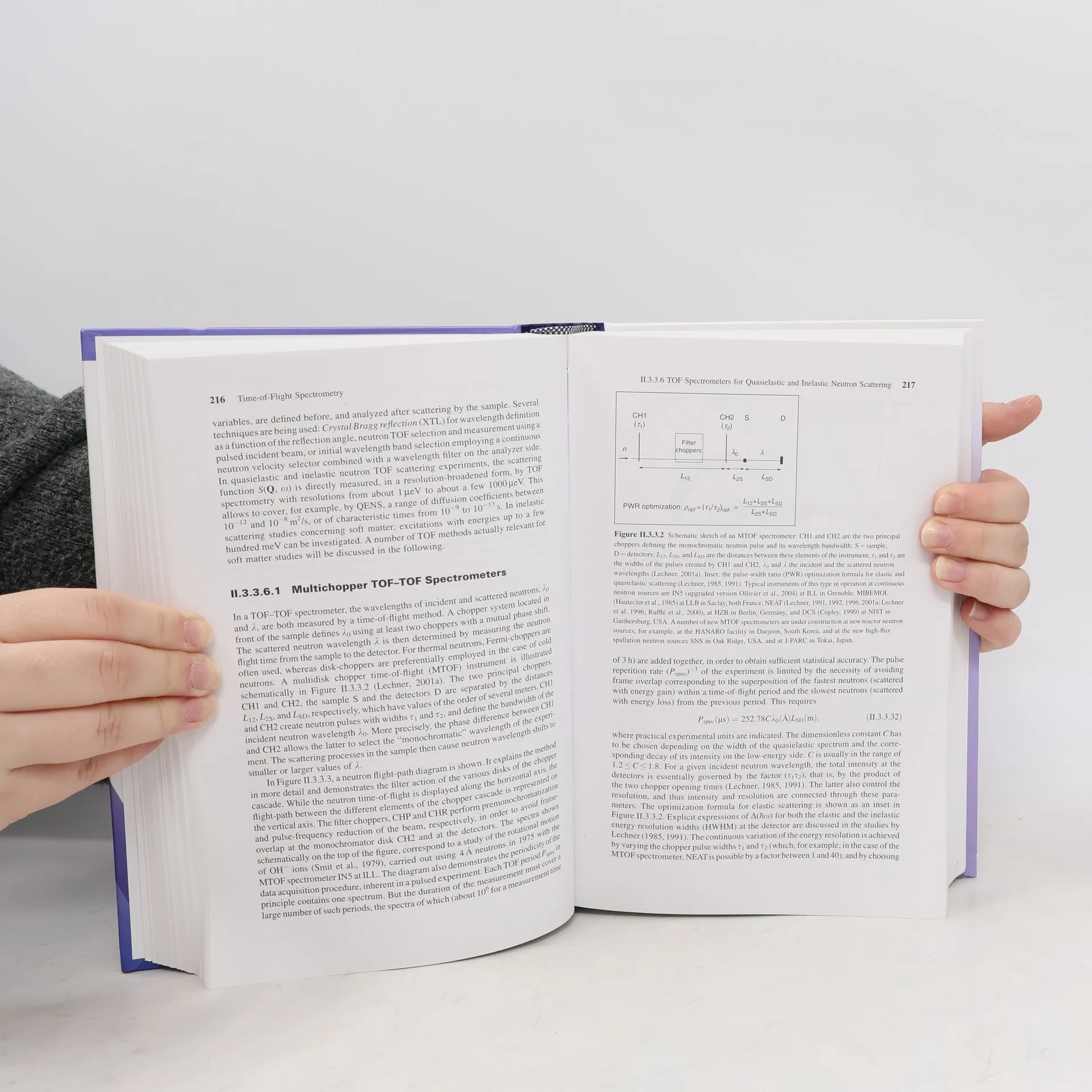
Neutron and synchrotron facilities, which are beyond the scale of the laboratory, and supported on a national level in countries throughout the world. These tools for probing micro- and nano-structure research and on fast dynamics research of atomic location in materials have been key in the development of new polymer-based materials. Different from several existing professional books on neutron science, this book focuses on theory, instrumentation, an applications.The book is divided into five Part 1 describes the underlying theory of neutron scattering. Part 2 describes the various instruments that exist and the various techniques used to achieve neutron scattering or bombardment. Part 3 discusses data treatment and simulation methods as well as how to assess the environment of the sample (temperature, pressure, shear, and external fields). Part 4 addresses the myriad applications of small and large molecules, biomolecules, and gels. Part 5 describes the various global neutron sources that exist and provides an overview of the different reactors.
Buchkauf
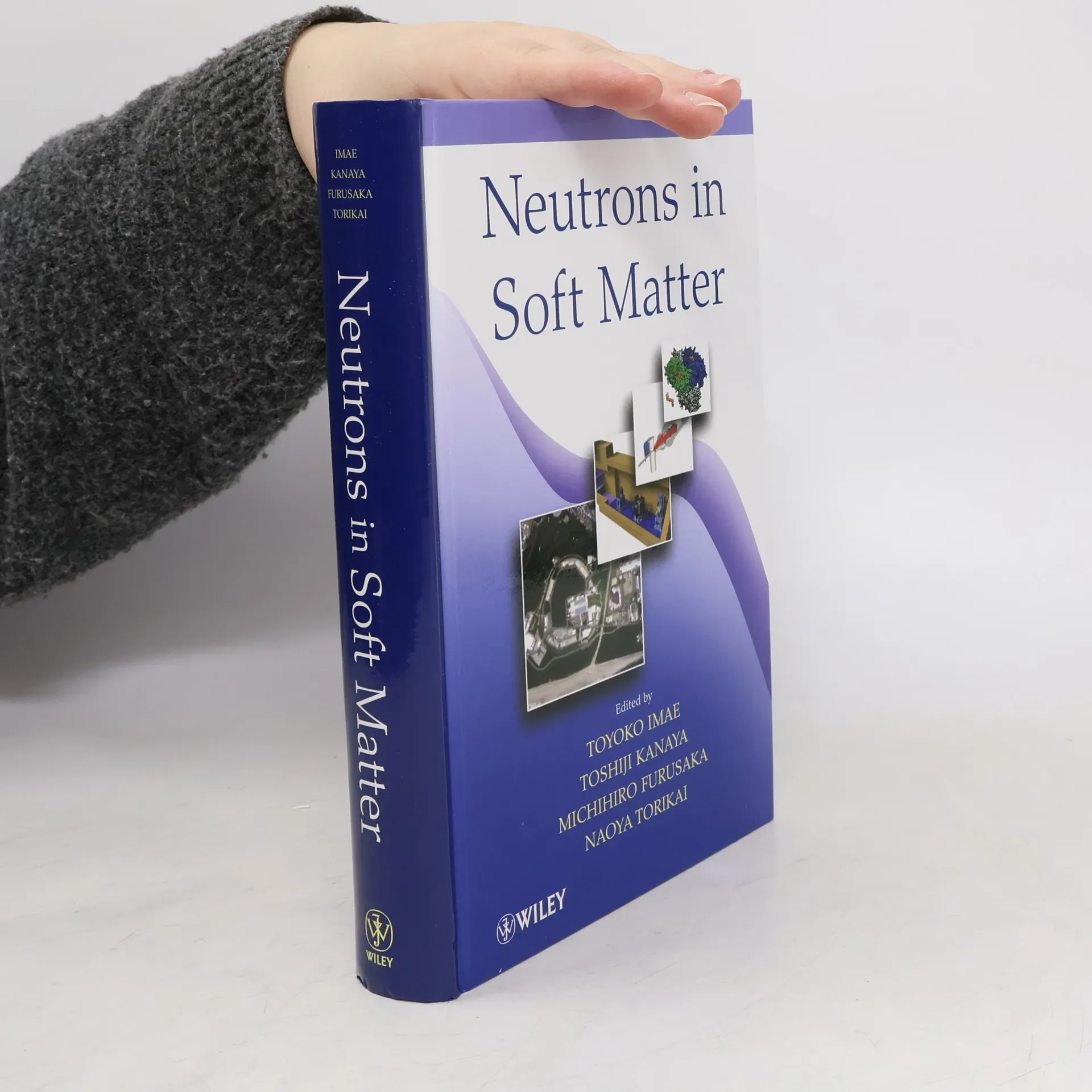
Neutrons in Soft Matter, Toyoko Imae, Toshiji Kanaya, Michihiro Furusaka, Naoya Torikai
- Sprache

- Erscheinungsdatum
- 2011
- product-detail.submit-box.info.binding
- (Hardcover),
- Buchzustand
- Beschädigt
- Preis
- 12,56 €inkl. MwSt.
Keiner hat bisher bewertet.
- Sprache
- Englisch
- Autor*innen
- Toyoko Imae, Toshiji Kanaya, Michihiro Furusaka, Naoya Torikai
- Verlag
- Wiley
- Erscheinungsdatum
- 2011
- Einband
- Hardcover
- Seitenzahl
- 672
- ISBN10
- 0470402520
- ISBN13
- 9780470402528
- Reihe
- Schlagwörter
- Sachbücher, Wissenschaft & Mathematik, Naturwissenschaften, Wissenschaft, Physik, Chemie, Technologie, Gesammelte Werke, Physikalische Chemie
- Beschreibung
- Neutron and synchrotron facilities, which are beyond the scale of the laboratory, and supported on a national level in countries throughout the world. These tools for probing micro- and nano-structure research and on fast dynamics research of atomic location in materials have been key in the development of new polymer-based materials. Different from several existing professional books on neutron science, this book focuses on theory, instrumentation, an applications.The book is divided into five Part 1 describes the underlying theory of neutron scattering. Part 2 describes the various instruments that exist and the various techniques used to achieve neutron scattering or bombardment. Part 3 discusses data treatment and simulation methods as well as how to assess the environment of the sample (temperature, pressure, shear, and external fields). Part 4 addresses the myriad applications of small and large molecules, biomolecules, and gels. Part 5 describes the various global neutron sources that exist and provides an overview of the different reactors.


