

Mehr zum Buch
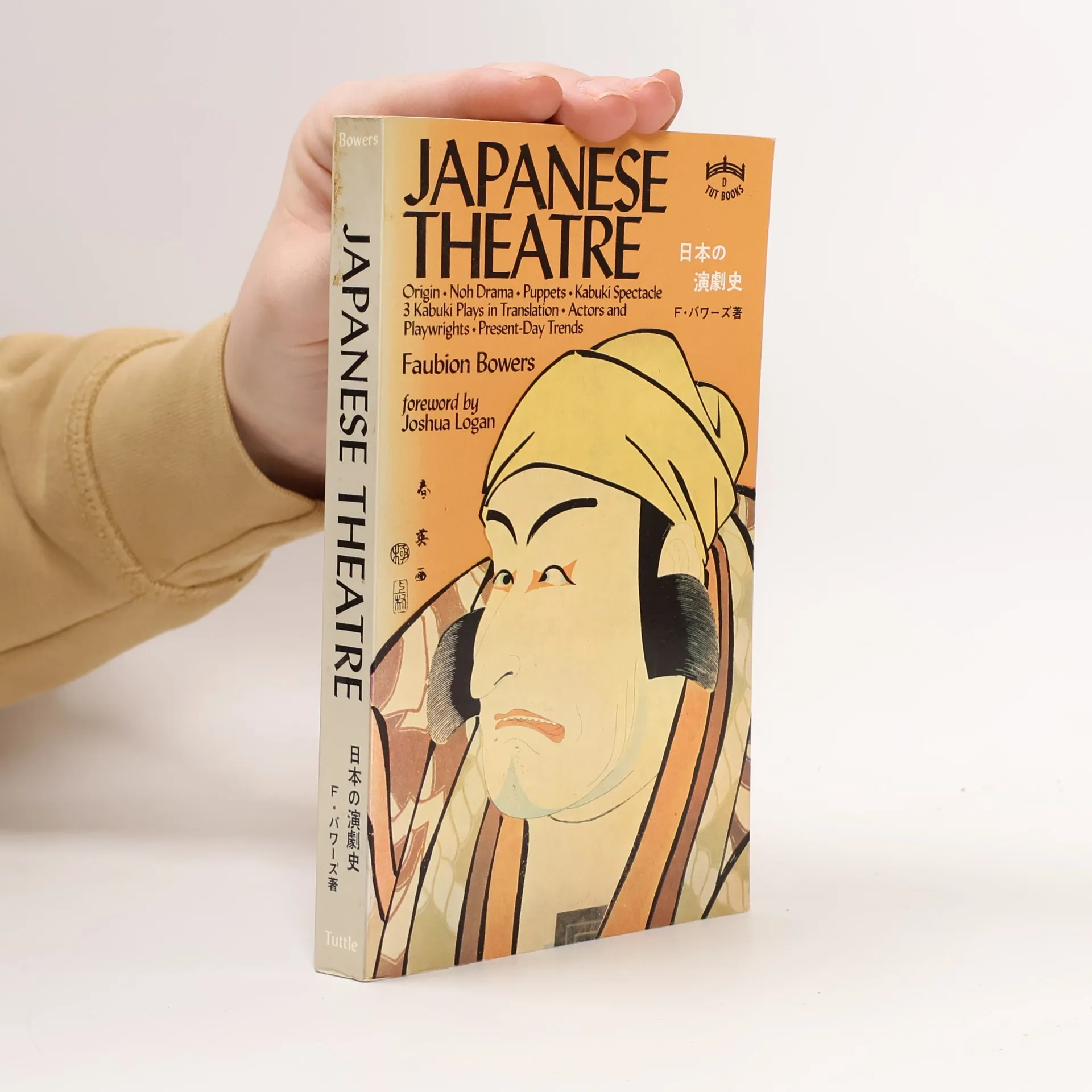
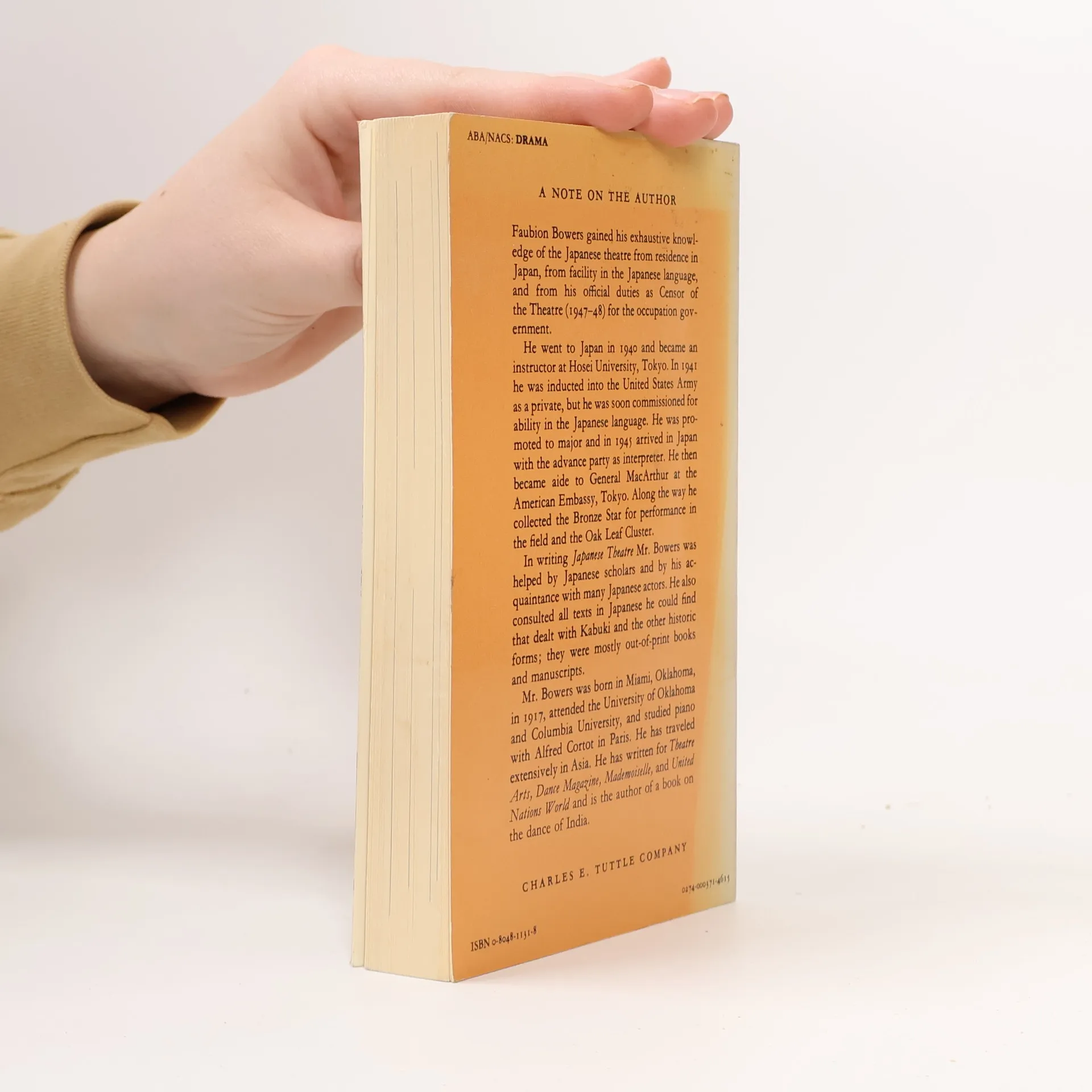
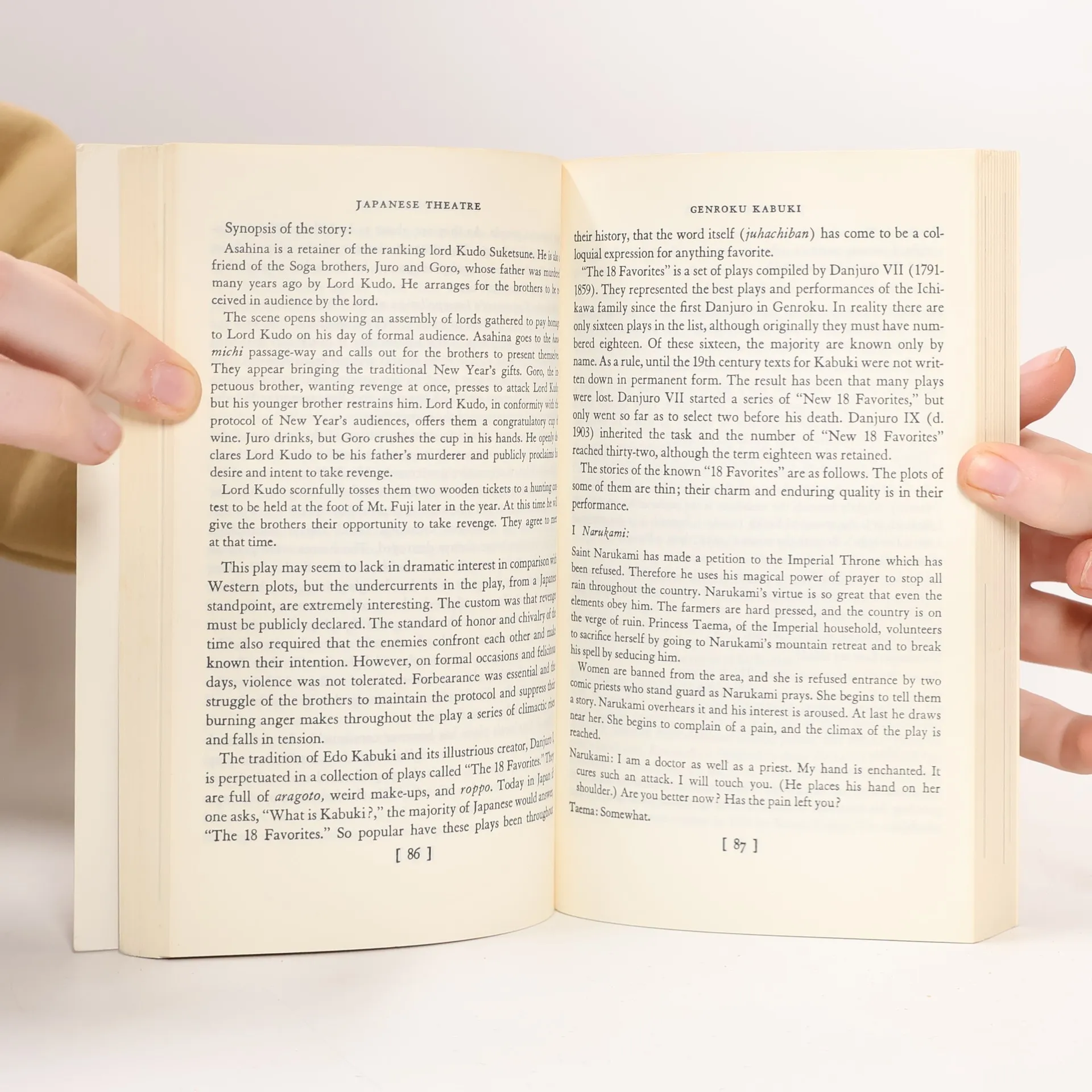
Japanese Theatre presents a full historical account for Westerners of the theater arts that have flourished for centuries in Japan.Kabuki, arising in the late seventeenth century, is the theater of the commoner. The successive syllables of Kabuki mean song - dance - skill. The precursors of Kabuki were the puppet theater and the comic interludes in the stately, aristocratic Noh drama - all fully described by the author. In the modem era the Japanese have broken away from Kabuki, and their stage has shown a realistic trend. Left-wing theater groups arose in the 1920's, were suppressed by the militarists, and then revived during the occupation.Appended to the historical chapters are Mr. Bowers's translations of three Kabuki plays: The Monstrous Spider, Gappo and His Daughter Tsuji, and the bombastic Sukeroku.This book, with its many excellent photographs, is a permanent addition to the West's knowledge of the exotic, exciting theater of Japan and its tradition of great acting.
Buchkauf
Japanese Theatre, Faubion Bowers
- Sprache

- Erscheinungsdatum
- 1974
- Einband
- (Paperback)
Hier könnte deine Bewertung stehen.
- Titel
- Japanese Theatre
- Sprache
- Englisch
- Autor*innen
- Faubion Bowers
- Verlag
- Tuttle Publishing
- Erscheinungsdatum
- 1974
- Einband
- Paperback
- Seitenzahl
- 294
- ISBN10
- 0804811318
- ISBN13
- 9780804811316
- Reihe
- Bewertung
- 2,4 von 5 Sternen
- Beschreibung
- Japanese Theatre presents a full historical account for Westerners of the theater arts that have flourished for centuries in Japan.Kabuki, arising in the late seventeenth century, is the theater of the commoner. The successive syllables of Kabuki mean song - dance - skill. The precursors of Kabuki were the puppet theater and the comic interludes in the stately, aristocratic Noh drama - all fully described by the author. In the modem era the Japanese have broken away from Kabuki, and their stage has shown a realistic trend. Left-wing theater groups arose in the 1920's, were suppressed by the militarists, and then revived during the occupation.Appended to the historical chapters are Mr. Bowers's translations of three Kabuki plays: The Monstrous Spider, Gappo and His Daughter Tsuji, and the bombastic Sukeroku.This book, with its many excellent photographs, is a permanent addition to the West's knowledge of the exotic, exciting theater of Japan and its tradition of great acting.