


Mehr zum Buch
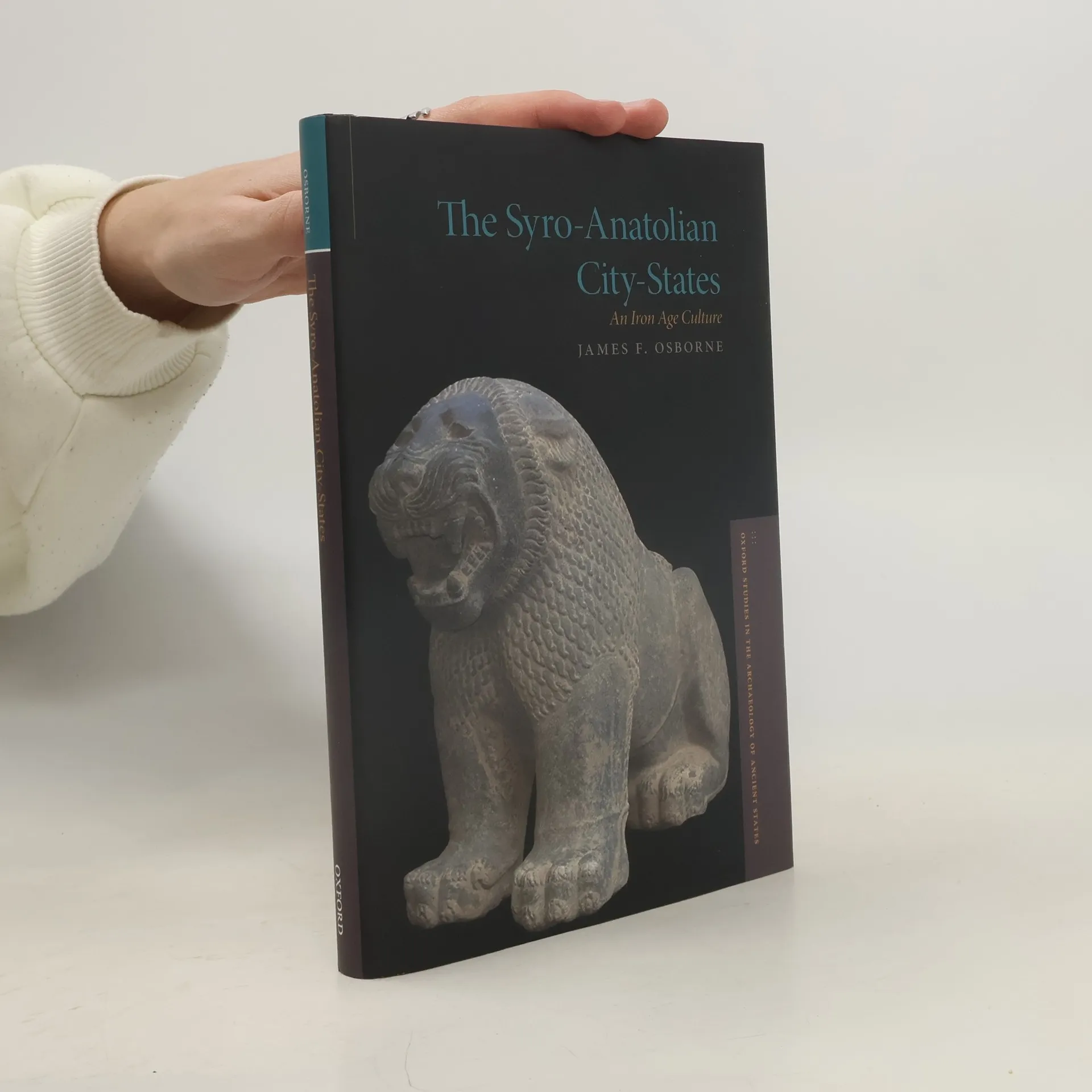
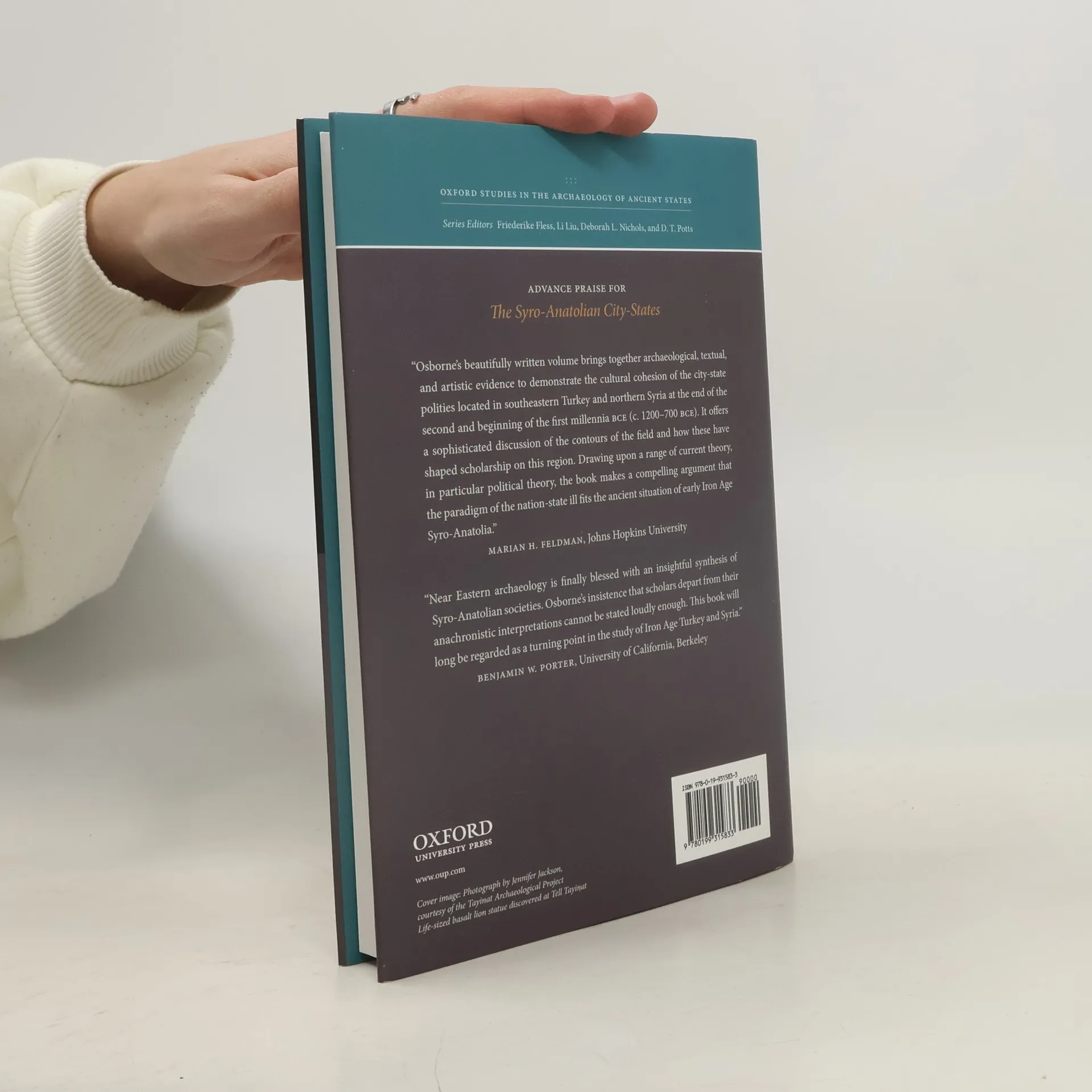
This book presents a new model for understanding the collection of ancient kingdoms that surrounded the northeast corner of the Mediterranean Sea from the Cilician Plain in the west to the upper Tigris River in the east, and from Cappadocia in the north to western Syria in the south, during the Iron Age of the ancient Near East (ca. 1200 to 600 BCE). Rather than presenting them as homogenous ethnolinguistic communities like "the Aramaeans" or "the Luwians" living in neatly bounded territories, this book sees these polities as being fundamentally diverse and variable, distinguished by demographic fluidity and cultural mobility. The Syro-Anatolian City-States sheds new light via an examination of a host of evidentiary sources, including archaeological site plans, settlement patterns, visual arts, and historical sources. Together, these lines of evidence reveal a complex fusion of cultural traditions that is nevertheless distinctly recognizable unto itself. This book is the firstto specifically characterize the Iron Age city-states of southeastern Turkey and northern Syria, arguing for a unified cultural formation characterized above all by diversity and mobility and that can be referred to as the "Syro-Anatolian Culture Complex."
Buchkauf
The Syro-Anatolian City-States, James F. Osborne
- Sprache

- Erscheinungsdatum
- 2020
- Einband
- (Hardcover)
Hier könnte deine Bewertung stehen.
- Titel
- The Syro-Anatolian City-States
- Untertitel
- An Iron Age Culture
- Sprache
- Englisch
- Autor*innen
- James F. Osborne
- Verlag
- Oxford University Press
- Erscheinungsdatum
- 2020
- Einband
- Hardcover
- Seitenzahl
- 288
- ISBN10
- 0199315833
- ISBN13
- 9780199315833
- Reihe
- Schlagwörter
- USA, Fachliteratur, Altertum, Archäologie, Türkei, Geisteswissenschaften, Syrien, Eisenzeit
- Bewertung
- 4,65 von 5 Sternen
- Beschreibung
- This book presents a new model for understanding the collection of ancient kingdoms that surrounded the northeast corner of the Mediterranean Sea from the Cilician Plain in the west to the upper Tigris River in the east, and from Cappadocia in the north to western Syria in the south, during the Iron Age of the ancient Near East (ca. 1200 to 600 BCE). Rather than presenting them as homogenous ethnolinguistic communities like "the Aramaeans" or "the Luwians" living in neatly bounded territories, this book sees these polities as being fundamentally diverse and variable, distinguished by demographic fluidity and cultural mobility. The Syro-Anatolian City-States sheds new light via an examination of a host of evidentiary sources, including archaeological site plans, settlement patterns, visual arts, and historical sources. Together, these lines of evidence reveal a complex fusion of cultural traditions that is nevertheless distinctly recognizable unto itself. This book is the firstto specifically characterize the Iron Age city-states of southeastern Turkey and northern Syria, arguing for a unified cultural formation characterized above all by diversity and mobility and that can be referred to as the "Syro-Anatolian Culture Complex."