

Ausverkauft, aber heiß begehrt!
Mehr zum Buch
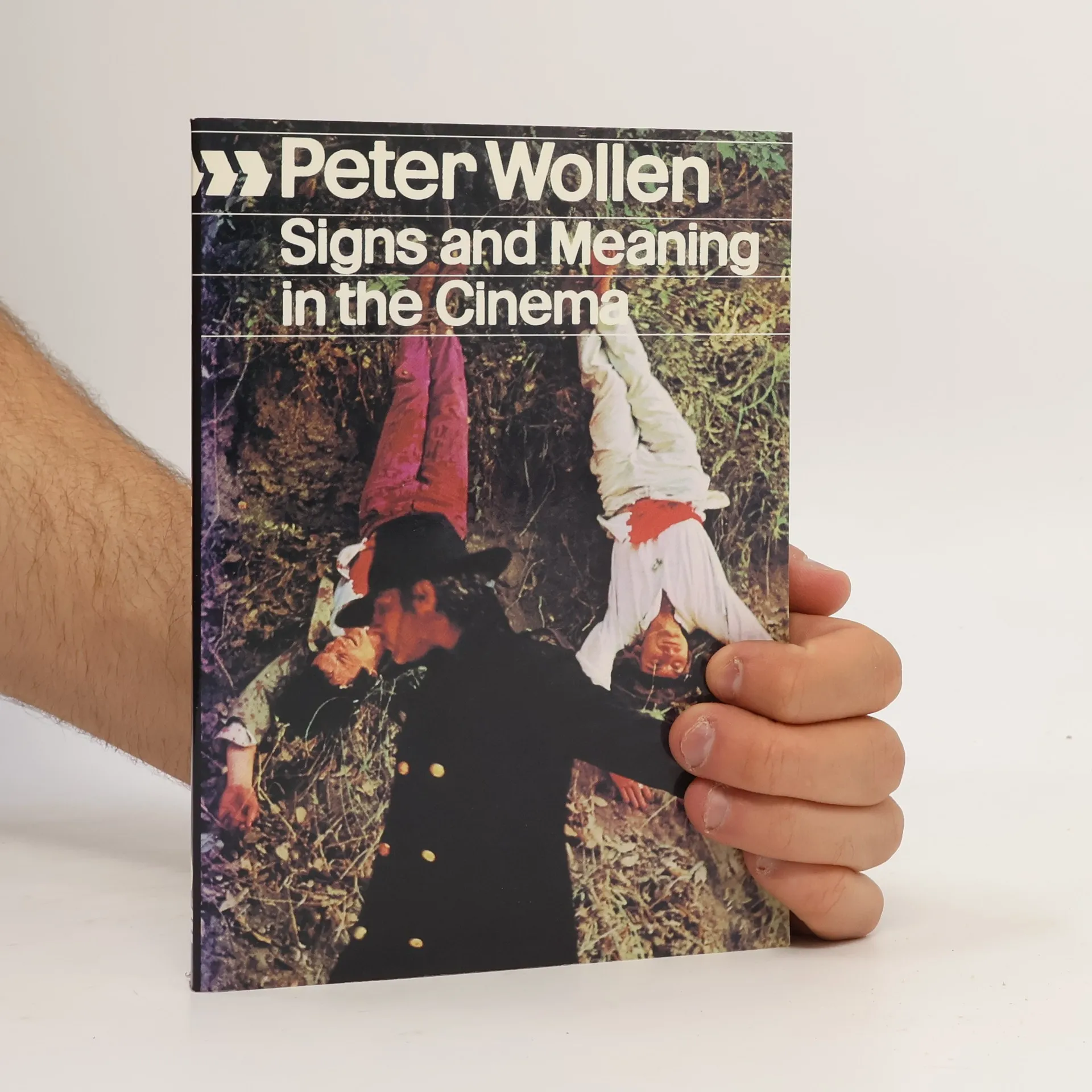
"Without doubt, it is the best study of cinema published in English for years." ―Cinema "... a major achievement... drawing on the results of aesthetic inquiry―from Shaftesbury and Lessing to Jakobson and the formalists―in order to relate the cinema to wider areas of linguistic theory and theory of art." ―Times Literary Supplement


Buchkauf
Signs and Meaning in the Cinema, Peter Wollen
- Sprache

- Erscheinungsdatum
- 2002
- Einband
- (Paperback)
Wir benachrichtigen dich per E-Mail.
Keiner hat bisher bewertet.
- Titel
- Signs and Meaning in the Cinema
- Sprache
- Englisch
- Autor*innen
- Peter Wollen
- Verlag
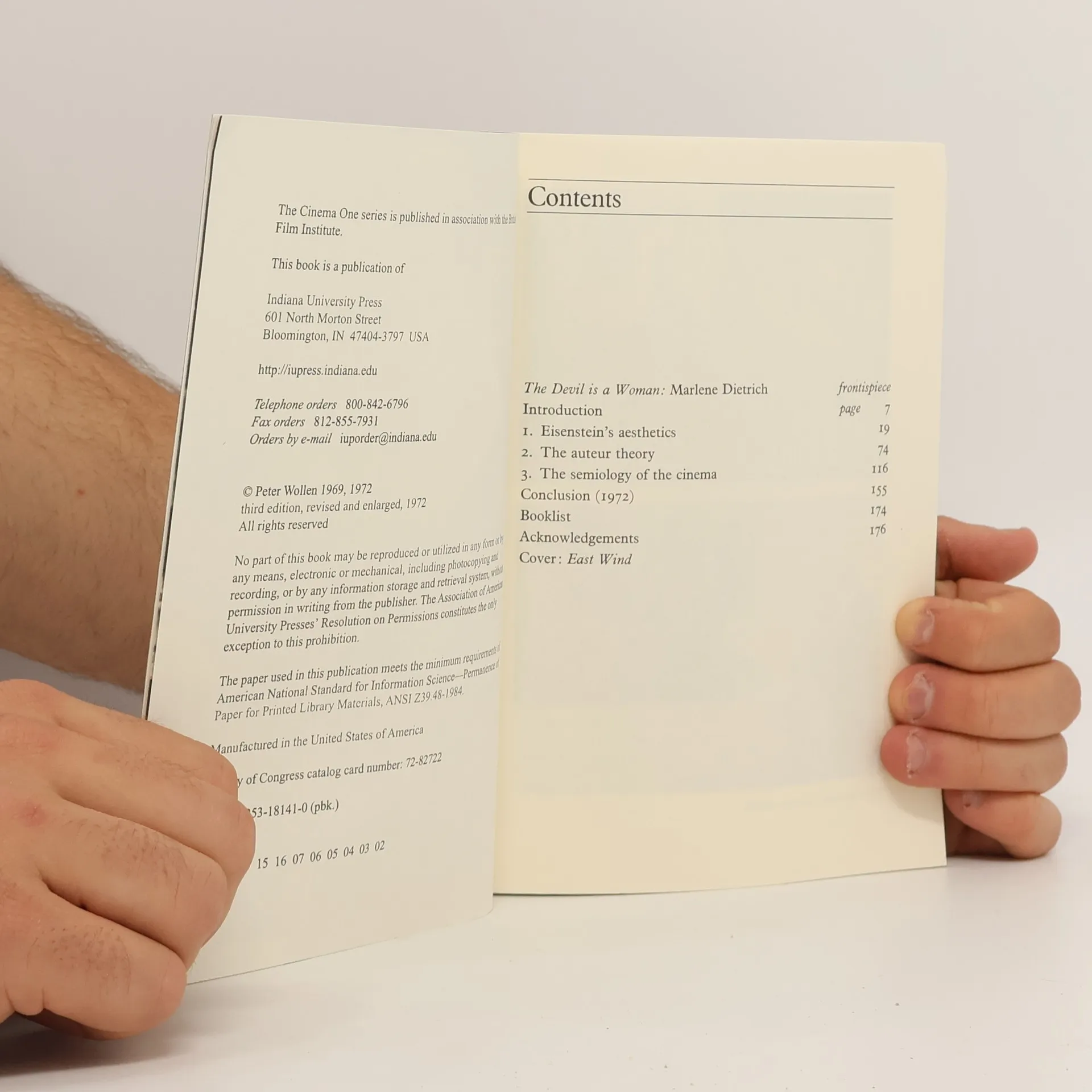
- Indiana University Press
- Erscheinungsdatum
- 2002
- Einband
- Paperback
- Seitenzahl
- 176
- ISBN10
- 0253181410
- ISBN13
- 9780253181411
- Reihe
- Kategorien
- Schlagwörter
- Kinos, Lichtspielhäuser, Semiotik, Filmwissenschaft, Filmtheorie
- Beschreibung
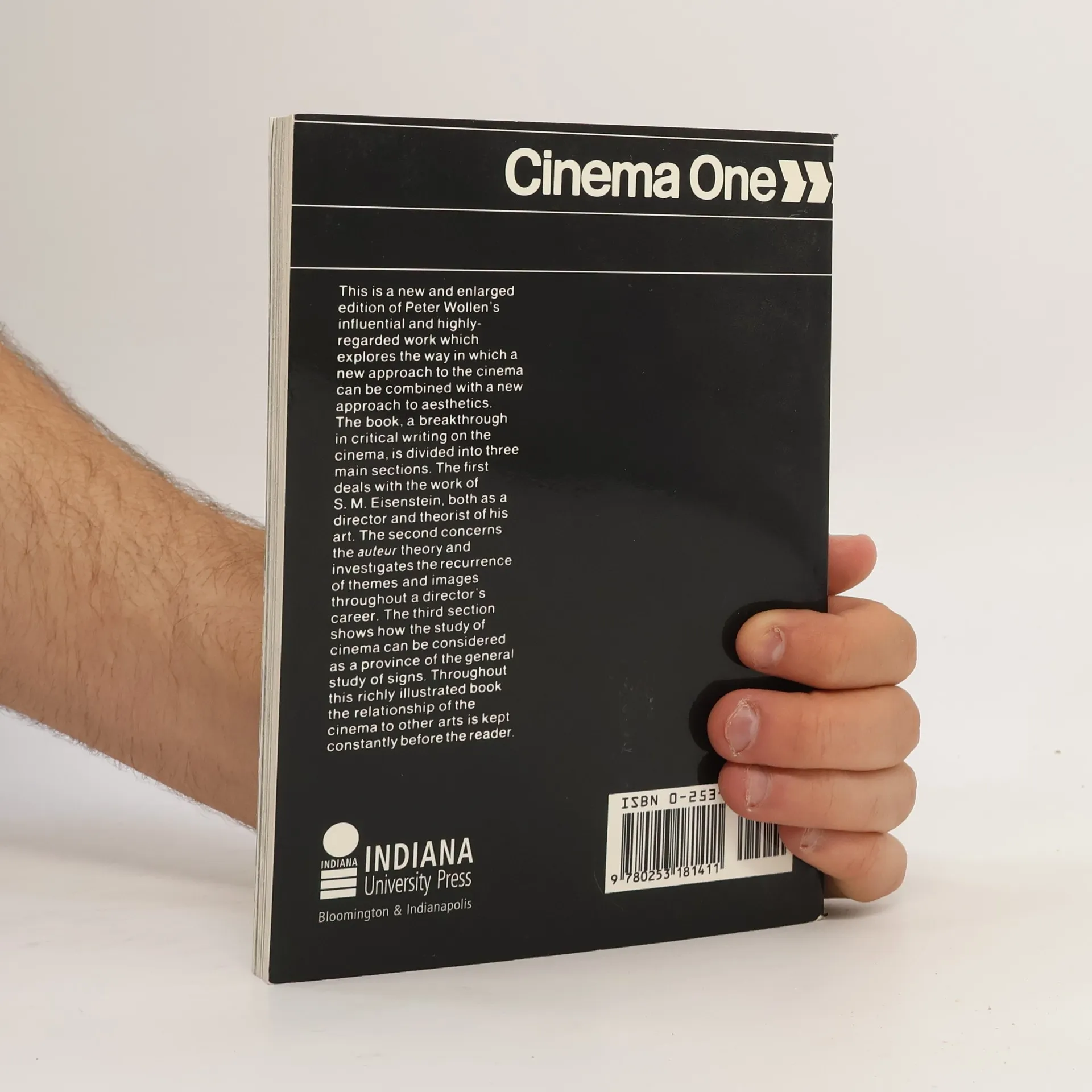
- "Without doubt, it is the best study of cinema published in English for years." ―Cinema "... a major achievement... drawing on the results of aesthetic inquiry―from Shaftesbury and Lessing to Jakobson and the formalists―in order to relate the cinema to wider areas of linguistic theory and theory of art." ―Times Literary Supplement