


Mehr zum Buch
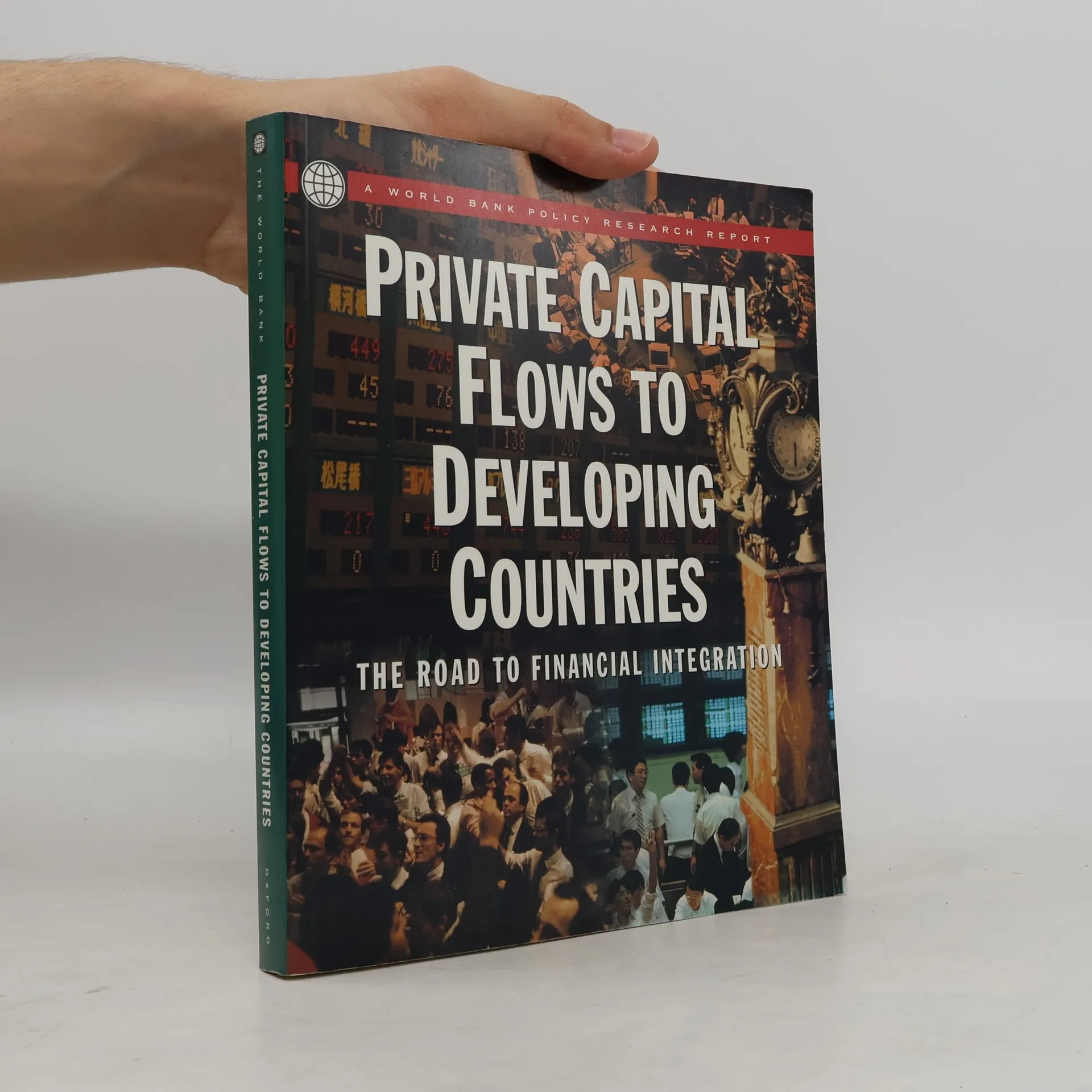
The world's financial markets are increasingly merging into a single global marketplace, with developing countries entering this process at different stages. Those with strong institutions and sound policies can navigate financial integration effectively and reap its benefits. However, many developing economies lack the necessary foundations, and some are so ill-prepared that integration could be detrimental. While these countries may not have the option to avoid this path due to advances in communication and finance, they can choose how to approach it, selecting policies that bolster their economies and mitigate potential shocks. This World Bank report addresses the significant challenges faced by both developing and developed nations in the evolving global capital landscape. It presents compelling evidence that low interest rates in industrial countries initially fueled a surge in private capital flows from 1989 to 1993, which have since evolved, driven by greater financial integration. The analysis focuses on the causes and effects of this integration, particularly how developing countries in early stages can learn from those that are progressing more rapidly. The report is divided into two parts: the first examines the financial integration process, the factors attracting private capital to developing nations, and the potential advantages of integration. The second part addresses the domestic policy challenges these coun
Buchkauf
World Bank Policy Research Report: Private Capital Flows to Developing Countries, World Bank Group
- Sprache

- Erscheinungsdatum
- 1997
- Einband
- (Paperback),
- Buchzustand
- Gebraucht - Sehr gut
- Preis
- 2,79 €inkl. MwSt.
Keiner hat bisher bewertet.
- Titel
- World Bank Policy Research Report: Private Capital Flows to Developing Countries
- Untertitel
- The Road to Financial Integration
- Sprache
- Englisch
- Autor*innen
- World Bank Group
- Verlag
- Oxford University Press
- Erscheinungsdatum
- 1997
- Einband
- Paperback
- Seitenzahl
- 424
- ISBN10
- 0195211162
- ISBN13
- 9780195211160
- Reihe
- Kategorien
- Schlagwörter
- Handel, Entwicklungsländer
- Beschreibung
- The world's financial markets are increasingly merging into a single global marketplace, with developing countries entering this process at different stages. Those with strong institutions and sound policies can navigate financial integration effectively and reap its benefits. However, many developing economies lack the necessary foundations, and some are so ill-prepared that integration could be detrimental. While these countries may not have the option to avoid this path due to advances in communication and finance, they can choose how to approach it, selecting policies that bolster their economies and mitigate potential shocks. This World Bank report addresses the significant challenges faced by both developing and developed nations in the evolving global capital landscape. It presents compelling evidence that low interest rates in industrial countries initially fueled a surge in private capital flows from 1989 to 1993, which have since evolved, driven by greater financial integration. The analysis focuses on the causes and effects of this integration, particularly how developing countries in early stages can learn from those that are progressing more rapidly. The report is divided into two parts: the first examines the financial integration process, the factors attracting private capital to developing nations, and the potential advantages of integration. The second part addresses the domestic policy challenges these coun