

Mehr zum Buch
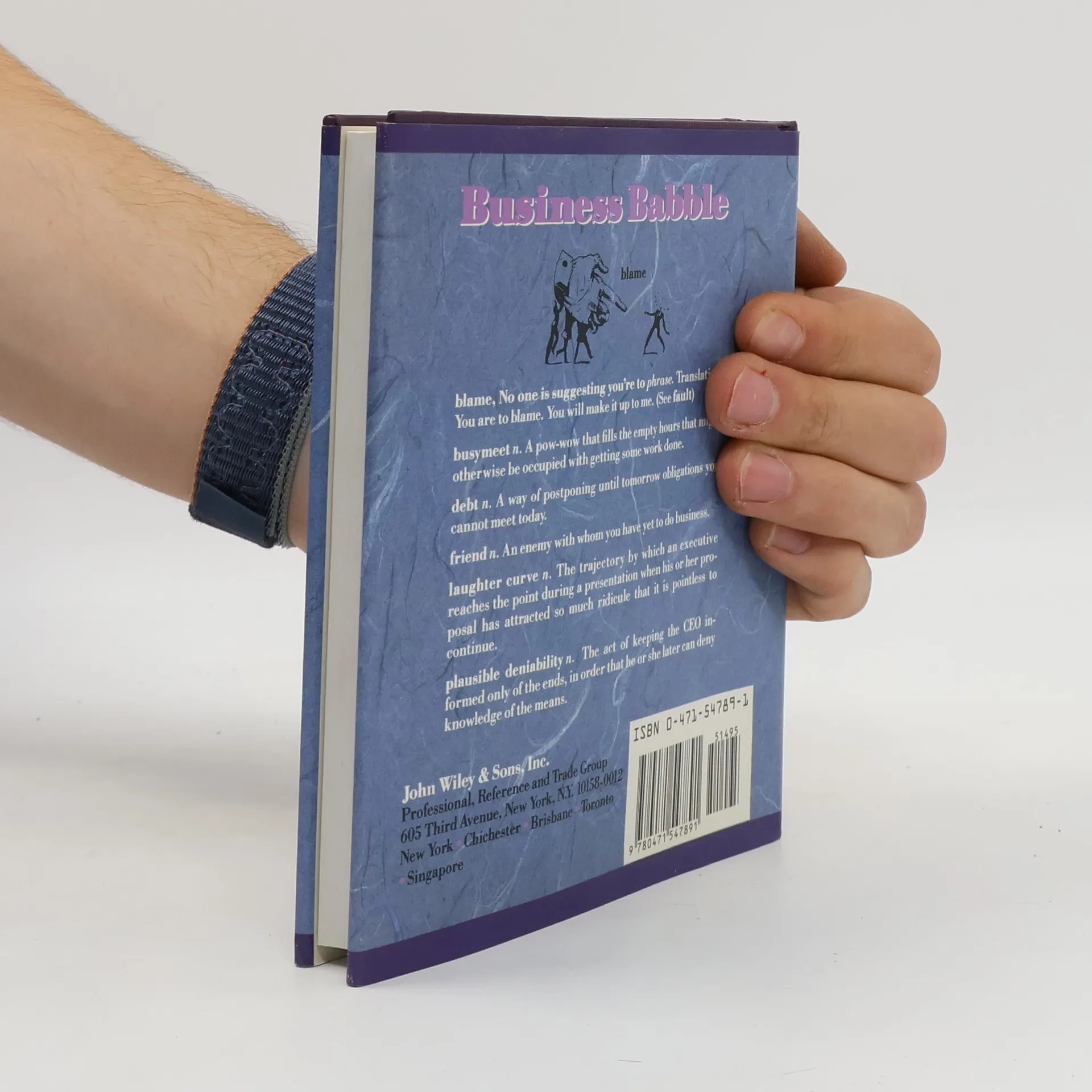
Business Babble blame, No one is suggesting you’re to phrase. You are to blame. You will make it up to me. (See fault) busymeet n. A pow-wow that fills the empty hours that might otherwise be occupied with getting some work done. debt n. A way of postponing until tomorrow obligations you cannot meet today. friend n. An enemy with whom you have yet to do business. laughter curve n. The trajectory by which an executive reaches the point during a presentation when his or her proposal has attracted so much ridicule that it is pointless to continue. plausible deniability n. The act of keeping the CEO informed only of the ends, in order that he or she later can deny knowledge of the means.
Buchkauf
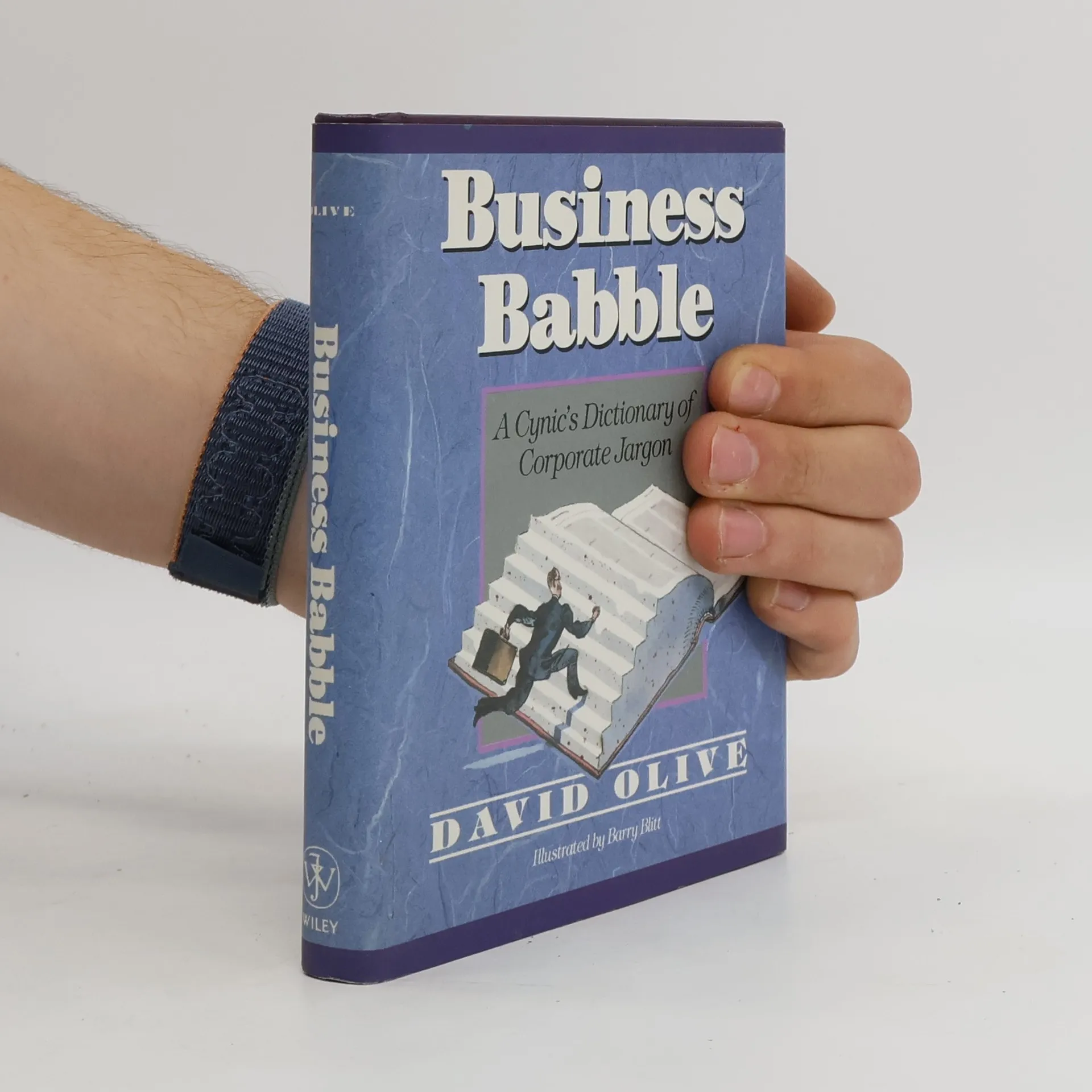
Business Babble, David Olive, Barry Blitt
- Sprache

- Erscheinungsdatum
- 1991
- Einband
- (Hardcover),
- Buchzustand
- Gebraucht - Sehr gut
- Preis
- 2,39 €inkl. MwSt.
Keiner hat bisher bewertet.
- Titel
- Business Babble
- Untertitel
- A Cynic's Dictionary of Corporate Jargon
- Sprache
- Englisch
- Autor*innen
- David Olive, Barry Blitt
- Verlag
- WILEY
- Erscheinungsdatum
- 1991
- Einband
- Hardcover
- Seitenzahl
- 175
- ISBN10
- 0471547891
- ISBN13
- 9780471547891
- Reihe
- Kategorien
- Schlagwörter
- Beschreibung
- Business Babble blame, No one is suggesting you’re to phrase. You are to blame. You will make it up to me. (See fault) busymeet n. A pow-wow that fills the empty hours that might otherwise be occupied with getting some work done. debt n. A way of postponing until tomorrow obligations you cannot meet today. friend n. An enemy with whom you have yet to do business. laughter curve n. The trajectory by which an executive reaches the point during a presentation when his or her proposal has attracted so much ridicule that it is pointless to continue. plausible deniability n. The act of keeping the CEO informed only of the ends, in order that he or she later can deny knowledge of the means.