
Gratis Versand ab 14,99 €. Mehr Infos.
Bookbot

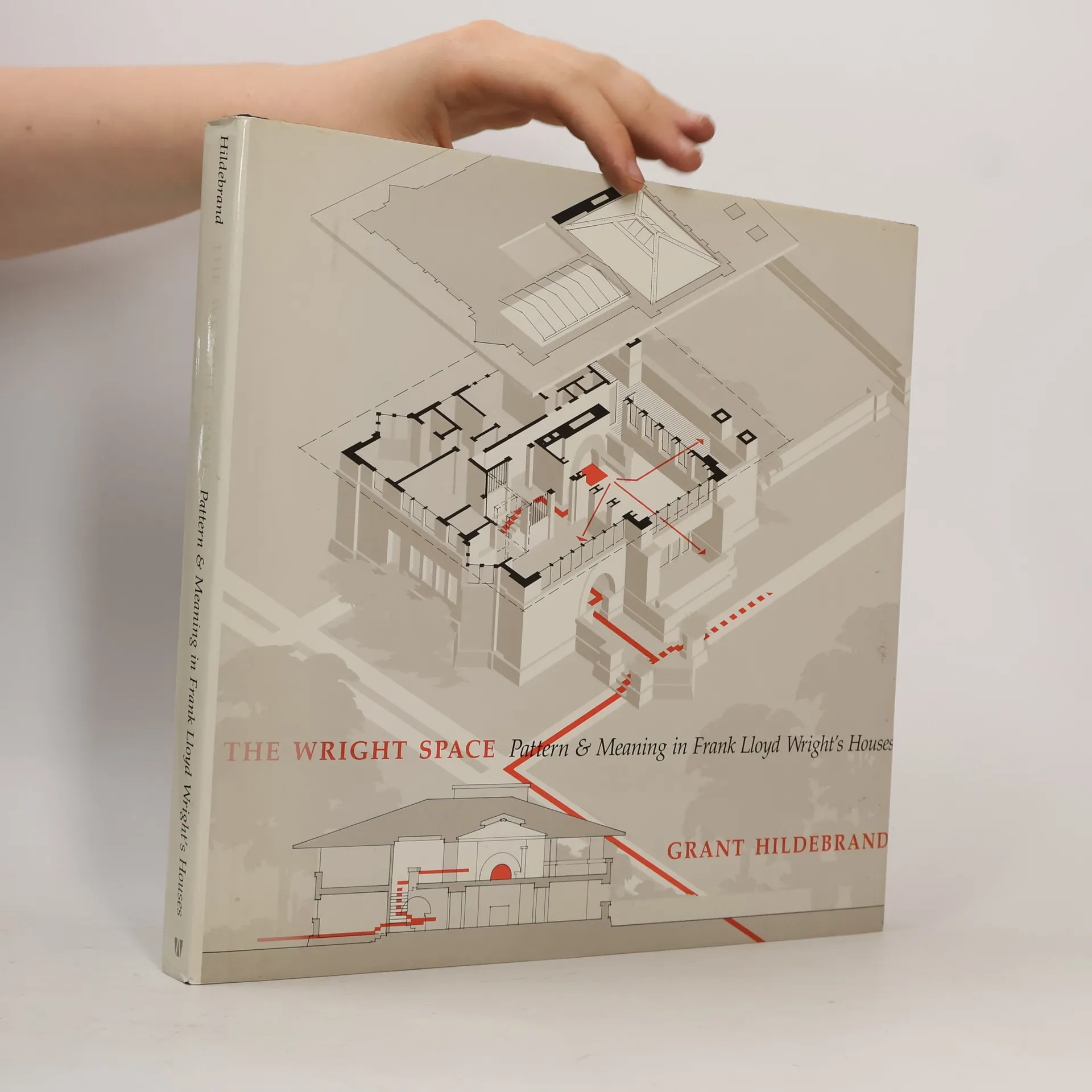
The Wright Space

Pattern and Meaning in Frank Lloyd Wright's Houses

Autor*innen

Parameter

  • 192 Seiten
  • 7 Lesestunden

Mehr zum Buch

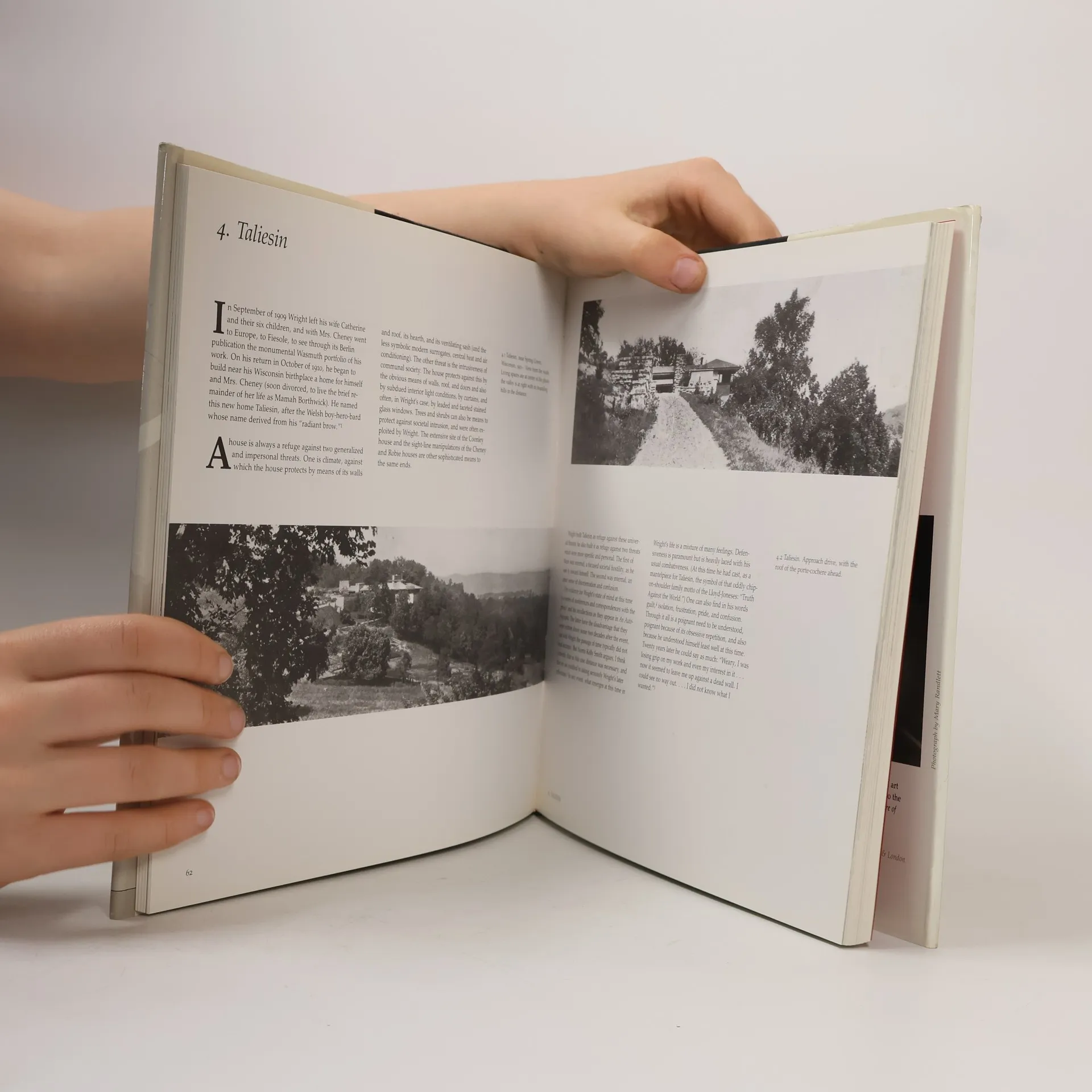
"In both early and late life," write Grant Hildebrand, 'Wright had an enormous number of domestic clients. ... They came to his drawing board in droves, and, having seen through to completion their adventure with him, they were, by and large, ecstatic about what they got. ...Many of these clients subsequently returned to Write for another house, and sometimes more than one.... "Yet few houses of equal fame have embodied more conspicuous faults. Many of Wright's plans defy reasonable furniture arrangements, many frustrate even the storage of reasonable and treasured possessions. In many cases sever problems afflict the architectural fabric: leaking roofs, unserviceable detailing, even structural inadequacies. ...There were problems of personality as well. ...Many of Wright's clients found him arrogant, careless, slow, and misleading, and were not by any means always amused by his temperament. And there are more vague and subjective difficulties, for the sheer power of these house as dramatic exercises in space and form can intimidate the...acts of ordinary daily life: how does on have a casual conversation in the Robie house dining room, or hang a cherished delicate picture in a Usonian?" If, then, these houses lacked so many of the usual aspects of satisfaction, why were they built with such profusion, and valued so highly? In this book thirty-three of Wright's domestic buildings, including all of the major houses on which his significance depends, are analyzed in detail in terms of their spatial characteristics. Fireplaces, seating, ceiling form, glazing, terraces, and roof overhangs are seen to follow a repetitive organization or pattern characterized by complementary juxtapositions of what the English geographer Jay Appleton calls "prospect" (a condition in which one can see over a considerable distance) and "refuge" (a place where one can hide). According to Appleton's theory of landscape aesthetics, this juxtaposition offers the ability to see without being seen (or to hunt successfully without being, in turn, successfully hunted) and thus, eons ago, had survival value. But such a condition must have been sought, originally, because it was intrinsically pleasurable to our species. Hildebrand finds a striking correlation in Wright's houses. Wright's pattern of prospect and refuge, to which are added similarly derived qualities of complexity and order, is show to be unique in domestic architecture to the degree to which it provides these preferred characteristics, suggesting why -- in spite of serious drawbacks -- his house were built and valued by so many clients. The text of the book is enhanced by photographs, plans, and by nine exquisitely drawn diagrams of key dwellings specially prepared by William Hook. Addressed to architects, landscape architects, architectural historians, environmental psychologist, anthropologists, philosophers of aesthetics, and the lay public with an interest in these subjects, <i>The Wright Space, </i> is essential reading for anyone who has ever lived in, looked at, or studied Frank Lloyd Wright's remarkable houses.

Buchkauf

The Wright Space, Grant Hildebrand

Sprache
Erscheinungsdatum
1991
product-detail.submit-box.info.binding
(Hardcover),
Buchzustand
Gebraucht - Gut
Preis
113,99 €inkl. MwSt.

Lieferung

  • Gratis Versand ab 14,99 € in ganz Deutschland! Mehr Infos.

Zahlungsmethoden

Keiner hat bisher bewertet.Abgeben

Titel
The Wright Space
Untertitel
Pattern and Meaning in Frank Lloyd Wright's Houses
Sprache
Englisch
Autor*innen
Grant Hildebrand
Erscheinungsdatum
1991
Einband
Hardcover
Seitenzahl
192
ISBN10
0295970057
ISBN13
9780295970059
Reihe
Schlagwörter
Architektur, Design
Beschreibung
"In both early and late life," write Grant Hildebrand, 'Wright had an enormous number of domestic clients. ... They came to his drawing board in droves, and, having seen through to completion their adventure with him, they were, by and large, ecstatic about what they got. ...Many of these clients subsequently returned to Write for another house, and sometimes more than one.... "Yet few houses of equal fame have embodied more conspicuous faults. Many of Wright's plans defy reasonable furniture arrangements, many frustrate even the storage of reasonable and treasured possessions. In many cases sever problems afflict the architectural fabric: leaking roofs, unserviceable detailing, even structural inadequacies. ...There were problems of personality as well. ...Many of Wright's clients found him arrogant, careless, slow, and misleading, and were not by any means always amused by his temperament. And there are more vague and subjective difficulties, for the sheer power of these house as dramatic exercises in space and form can intimidate the...acts of ordinary daily life: how does on have a casual conversation in the Robie house dining room, or hang a cherished delicate picture in a Usonian?" If, then, these houses lacked so many of the usual aspects of satisfaction, why were they built with such profusion, and valued so highly? In this book thirty-three of Wright's domestic buildings, including all of the major houses on which his significance depends, are analyzed in detail in terms of their spatial characteristics. Fireplaces, seating, ceiling form, glazing, terraces, and roof overhangs are seen to follow a repetitive organization or pattern characterized by complementary juxtapositions of what the English geographer Jay Appleton calls "prospect" (a condition in which one can see over a considerable distance) and "refuge" (a place where one can hide). According to Appleton's theory of landscape aesthetics, this juxtaposition offers the ability to see without being seen (or to hunt successfully without being, in turn, successfully hunted) and thus, eons ago, had survival value. But such a condition must have been sought, originally, because it was intrinsically pleasurable to our species. Hildebrand finds a striking correlation in Wright's houses. Wright's pattern of prospect and refuge, to which are added similarly derived qualities of complexity and order, is show to be unique in domestic architecture to the degree to which it provides these preferred characteristics, suggesting why -- in spite of serious drawbacks -- his house were built and valued by so many clients. The text of the book is enhanced by photographs, plans, and by nine exquisitely drawn diagrams of key dwellings specially prepared by William Hook. Addressed to architects, landscape architects, architectural historians, environmental psychologist, anthropologists, philosophers of aesthetics, and the lay public with an interest in these subjects, <i>The Wright Space, </i> is essential reading for anyone who has ever lived in, looked at, or studied Frank Lloyd Wright's remarkable houses.
