

Mehr zum Buch
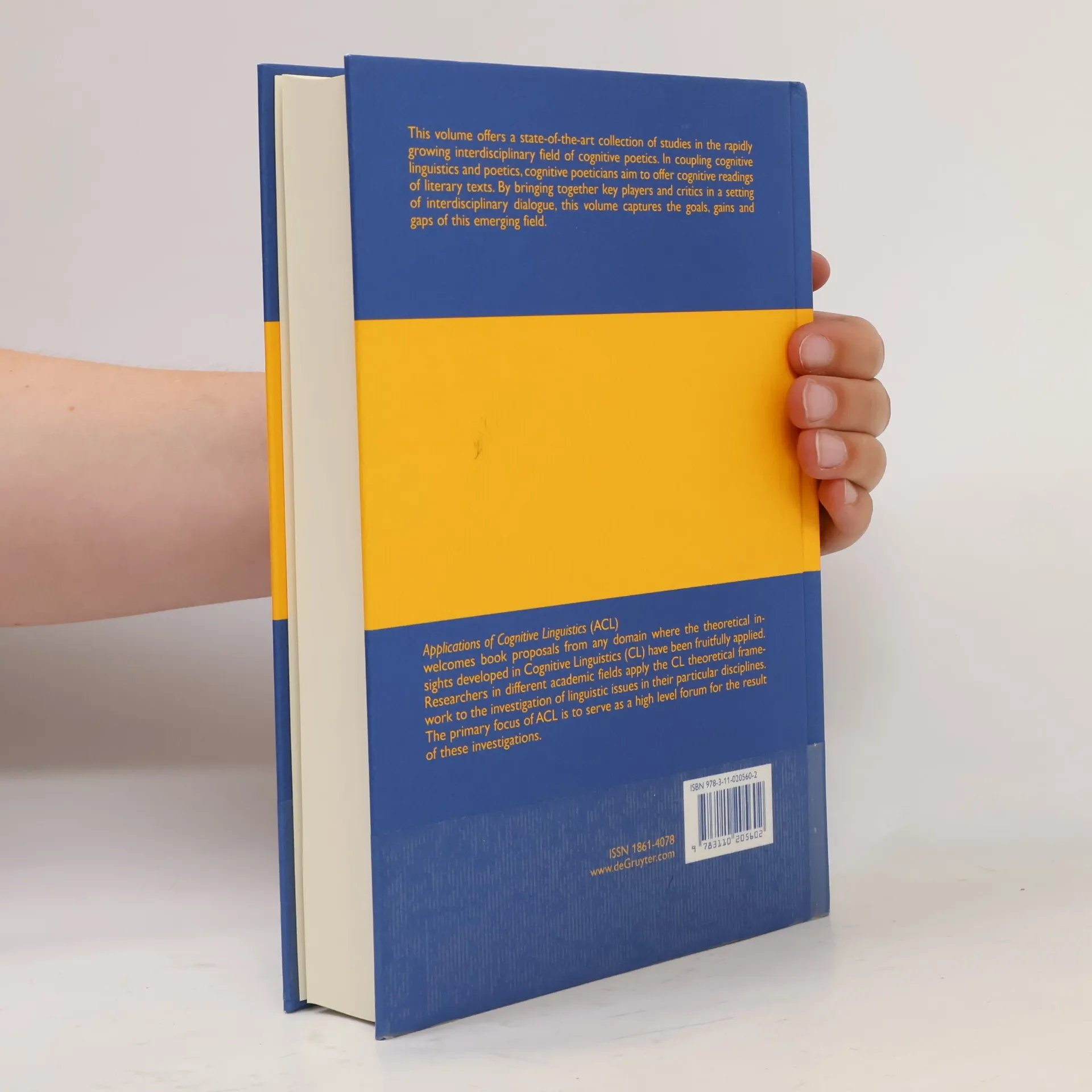
For over two decades, cognitive science has engaged with literature and literary studies, but only recently have cognitive linguistics and poetics begun to foster a more serious interdisciplinary approach. Cognitive poeticians aim to provide cognitive readings of literary texts, formulating hypotheses about the relationship between aesthetic meaning effects and cognitive processing patterns. A key assumption is that important topics in poetics, such as text world construction, characterization, and narrative perspective, can benefit from cognitive linguistic concepts like embodied cognition and metaphor. This approach seeks to enhance traditional poetic analysis while allowing poetics to critically assess insights from cognitive linguistics. This volume gathers key figures and critics in cognitive poetics, organizing eleven chapters into four sections: (i) cognitive mechanisms and mental products related to narrativity; (ii) various interpretations of the concept of figure in cognitive poetics; (iii) procedures that express discursive attitudes, such as humor and irony; and (iv) a critical evaluation of cognitive poetics and the integration of cognitive linguistics within this interdisciplinary field. The dialogue between cognitive and literary scholars is enriched by short response articles following ten chapters, promoting discussion among advocates and critics alike.
Von Cognitive Poetics (2009) sind aktuell auf Lager verfügbar.
Buchkauf
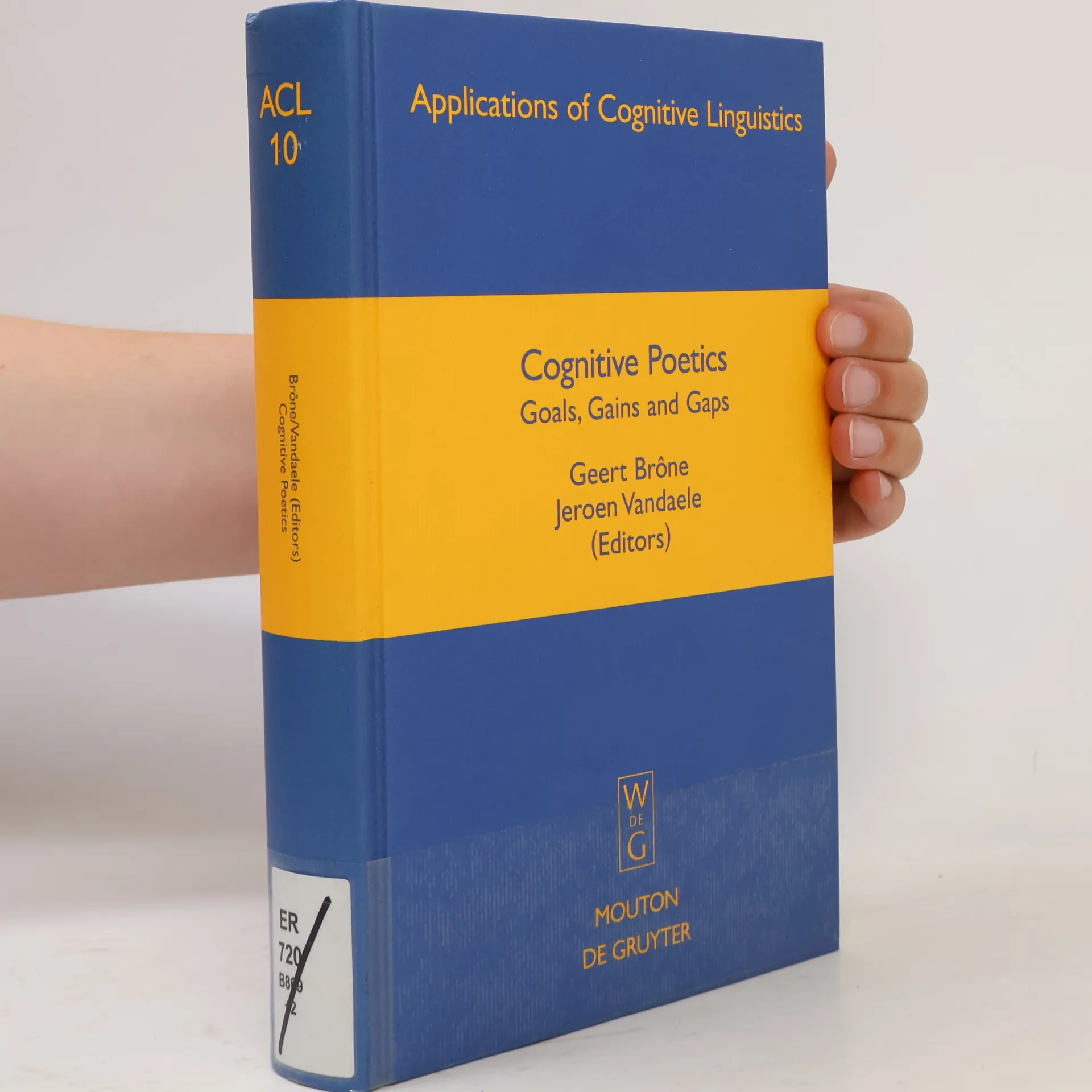
Cognitive Poetics, Geert Brône, Jeroen Vandaele
- Sprache

- Erscheinungsdatum
- 2009
- Einband
- (Hardcover),
- Buchzustand
- Gebraucht - Gut
- Preis
- 23,49 €inkl. MwSt.
Keiner hat bisher bewertet.
- Titel
- Cognitive Poetics
- Sprache
- Englisch
- Autor*innen
- Geert Brône, Jeroen Vandaele
- Verlag
- De Gruyter Mouton
- Erscheinungsdatum
- 2009
- Einband
- Hardcover
- Seitenzahl
- 560
- ISBN10
- 3110205602
- ISBN13
- 9783110205602
- Reihe
- Kategorien
- Schlagwörter
- Sprachbücher & -lexika
- Beschreibung
- For over two decades, cognitive science has engaged with literature and literary studies, but only recently have cognitive linguistics and poetics begun to foster a more serious interdisciplinary approach. Cognitive poeticians aim to provide cognitive readings of literary texts, formulating hypotheses about the relationship between aesthetic meaning effects and cognitive processing patterns. A key assumption is that important topics in poetics, such as text world construction, characterization, and narrative perspective, can benefit from cognitive linguistic concepts like embodied cognition and metaphor. This approach seeks to enhance traditional poetic analysis while allowing poetics to critically assess insights from cognitive linguistics. This volume gathers key figures and critics in cognitive poetics, organizing eleven chapters into four sections: (i) cognitive mechanisms and mental products related to narrativity; (ii) various interpretations of the concept of figure in cognitive poetics; (iii) procedures that express discursive attitudes, such as humor and irony; and (iv) a critical evaluation of cognitive poetics and the integration of cognitive linguistics within this interdisciplinary field. The dialogue between cognitive and literary scholars is enriched by short response articles following ten chapters, promoting discussion among advocates and critics alike.