

Mehr zum Buch
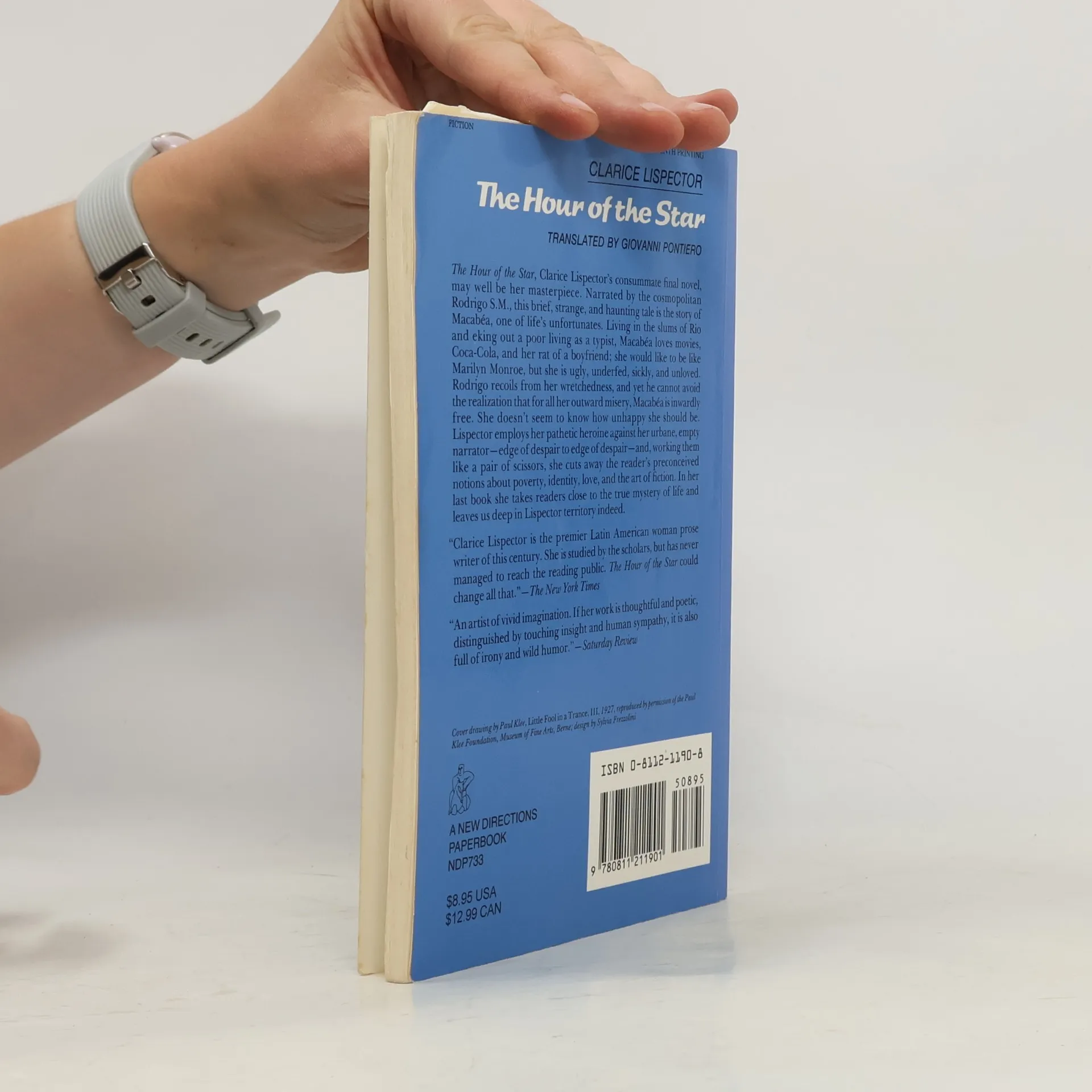
<i>The Hour of the Star</i>, Clarice Lispector's consummate final novel, may well be her masterpiece. Narrated by the cosmopolitan Rodrigo S.M., this brief, strange, and haunting tale is the story of Macabéa, one of life's unfortunates. Living in the slums of Rio de Janeiro and eking out a poor living as a typist, Macabéa loves movies, Coca-Cola, and her rat of a boyfriend; she would like to be like Marylin Monroe, but she is ugly, underfed, sickly, and unloved. Rodrigo recoils from her wretchedness, and yet he cannot avoid realization that for all her outward misery, Macabéa is inwardly free. She doesn't seem to know how unhappy she should be. Lispector employs her pathetic heroine against her urbane, empty narrator--edge of despair to edge of despair--and, working them like a pair of scissors, she cuts away the reader's preconceived notions about poverty, identity, love, and the art of fiction. In her last novel she takes readers close to the true mystery of life, and leaves us deep in Lispector territory indeed.
Buchkauf
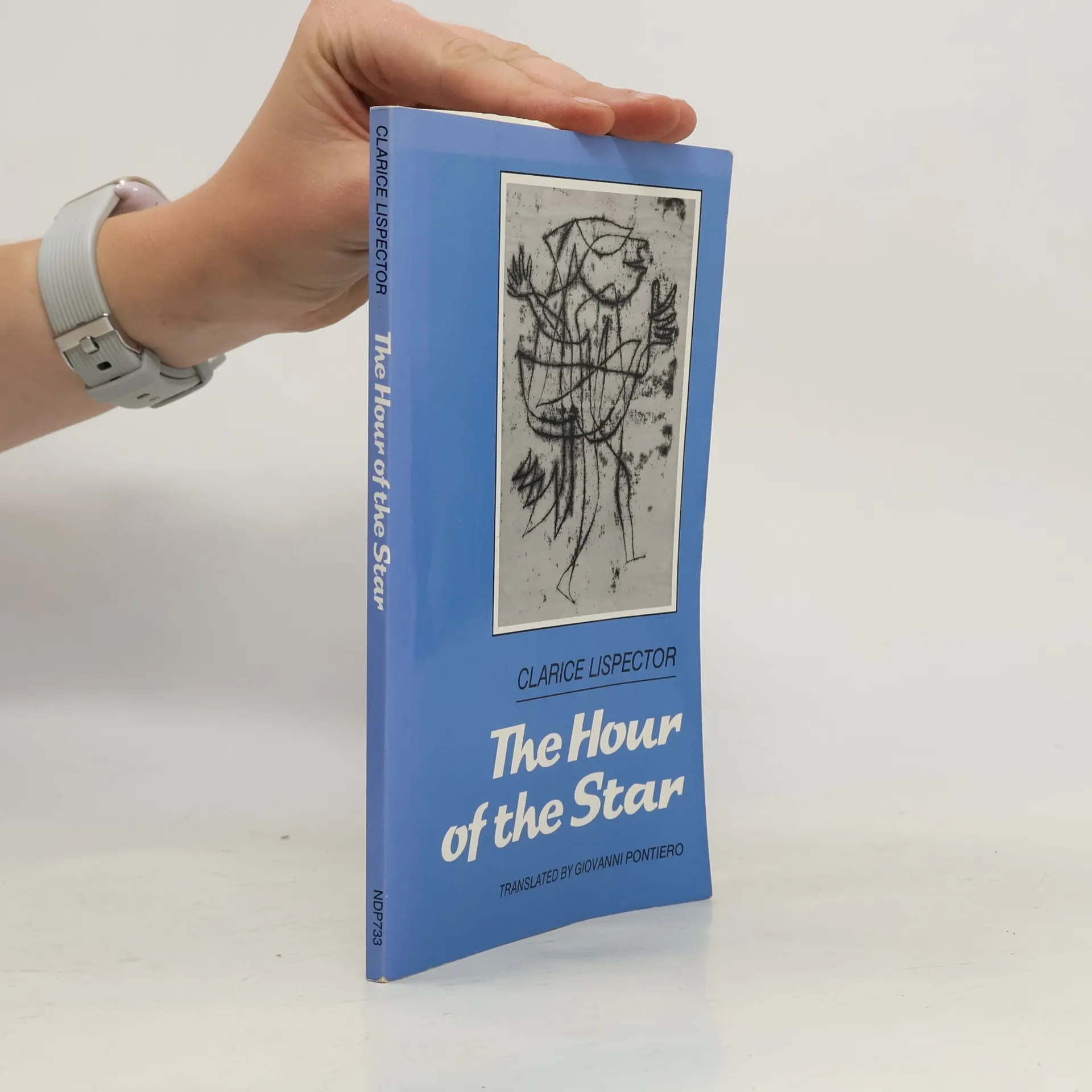
New Directions Paperbook - NDP733: The Hour of the Star, Clarice Lispector, Хая Пінкасівна Ліспектор, Giovanni Pontiero
- Sprache

- Erscheinungsdatum
- 1992
- Einband
- (Paperback),
- Buchzustand
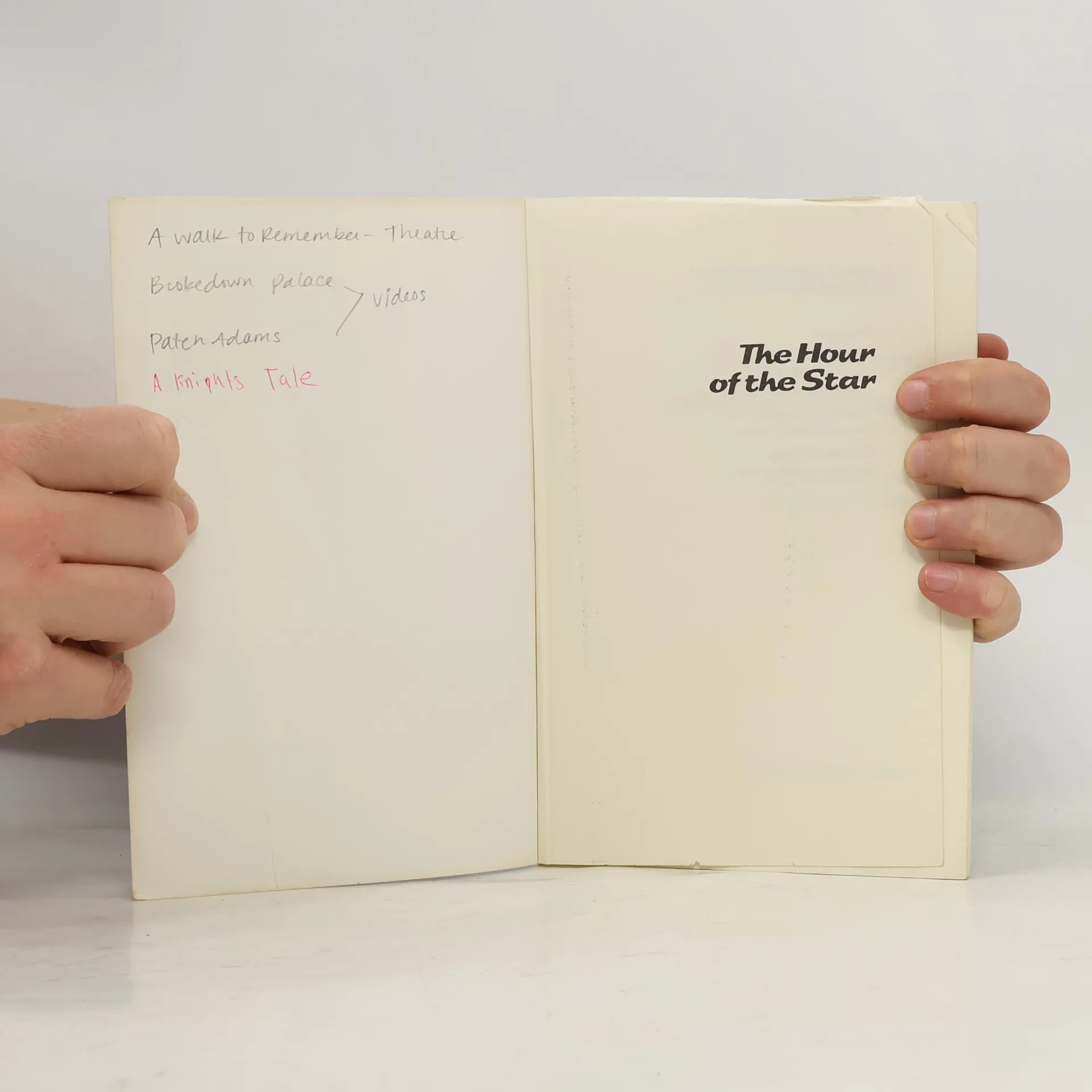
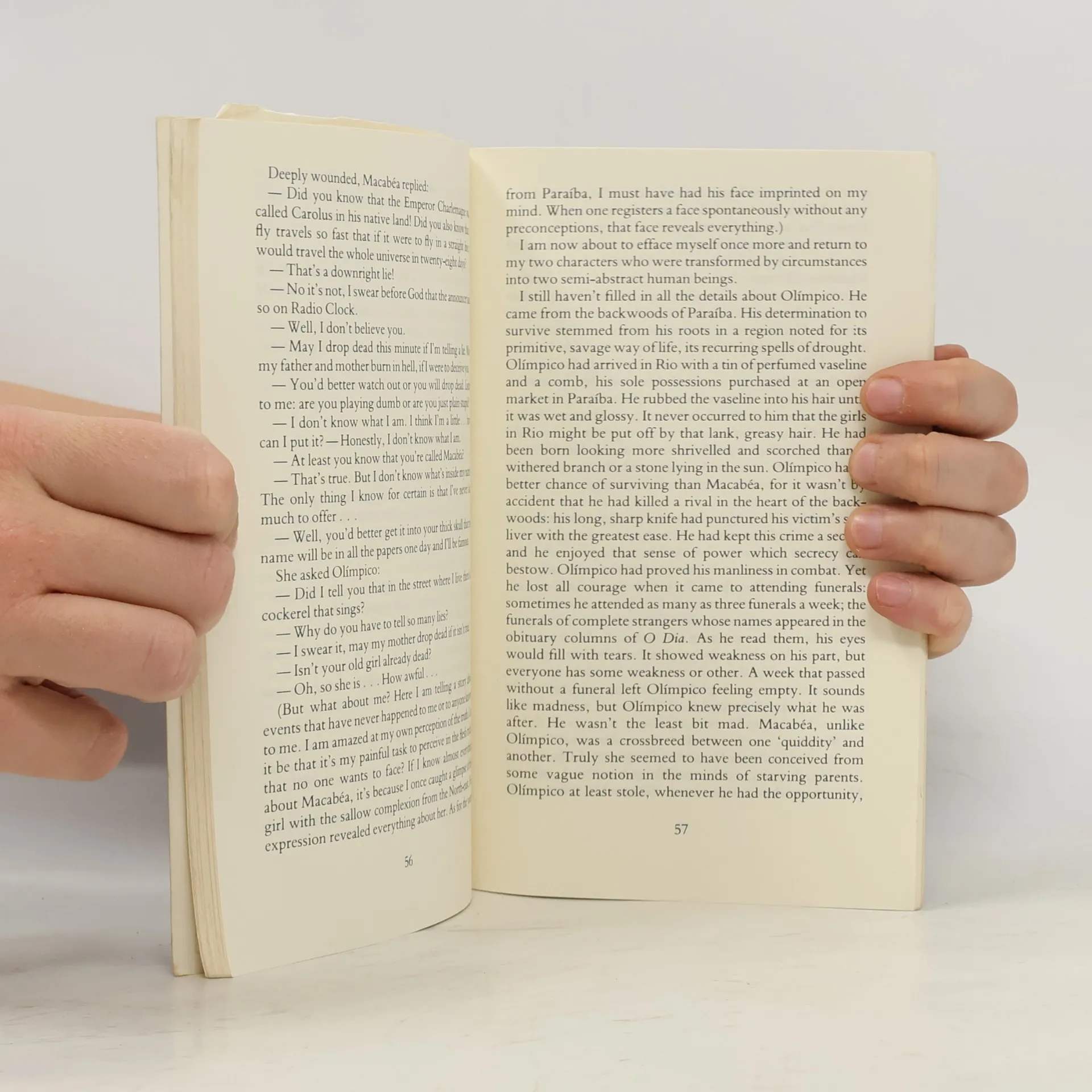
- Beschädigt
- Preis
- 11,46 €inkl. MwSt.
Keiner hat bisher bewertet.
- Sprache
- Englisch
- Autor*innen
- Clarice Lispector, Хая Пінкасівна Ліспектор, Giovanni Pontiero
- Verlag
- New Directions
- Erscheinungsdatum
- 1992
- Einband
- Paperback
- Seitenzahl
- 96
- ISBN10
- 0811211908
- ISBN13
- 9780811211901
- Reihe
- Schlagwörter
- Belletristik, Frauen, Gegenwartsliteratur, Klassiker, Kurzgeschichten, 20. Jahrhundert, Literarische Fiktion, Novellen, Hispanoamerikanische Literatur, Südamerika, Brasilien, Lateinamerika, 70er Jahre des 20. Jahrhunderts
- Beschreibung
- <i>The Hour of the Star</i>, Clarice Lispector's consummate final novel, may well be her masterpiece. Narrated by the cosmopolitan Rodrigo S.M., this brief, strange, and haunting tale is the story of Macabéa, one of life's unfortunates. Living in the slums of Rio de Janeiro and eking out a poor living as a typist, Macabéa loves movies, Coca-Cola, and her rat of a boyfriend; she would like to be like Marylin Monroe, but she is ugly, underfed, sickly, and unloved. Rodrigo recoils from her wretchedness, and yet he cannot avoid realization that for all her outward misery, Macabéa is inwardly free. She doesn't seem to know how unhappy she should be. Lispector employs her pathetic heroine against her urbane, empty narrator--edge of despair to edge of despair--and, working them like a pair of scissors, she cuts away the reader's preconceived notions about poverty, identity, love, and the art of fiction. In her last novel she takes readers close to the true mystery of life, and leaves us deep in Lispector territory indeed.