

Parameter
- 356 Seiten
- 13 Lesestunden
Mehr zum Buch
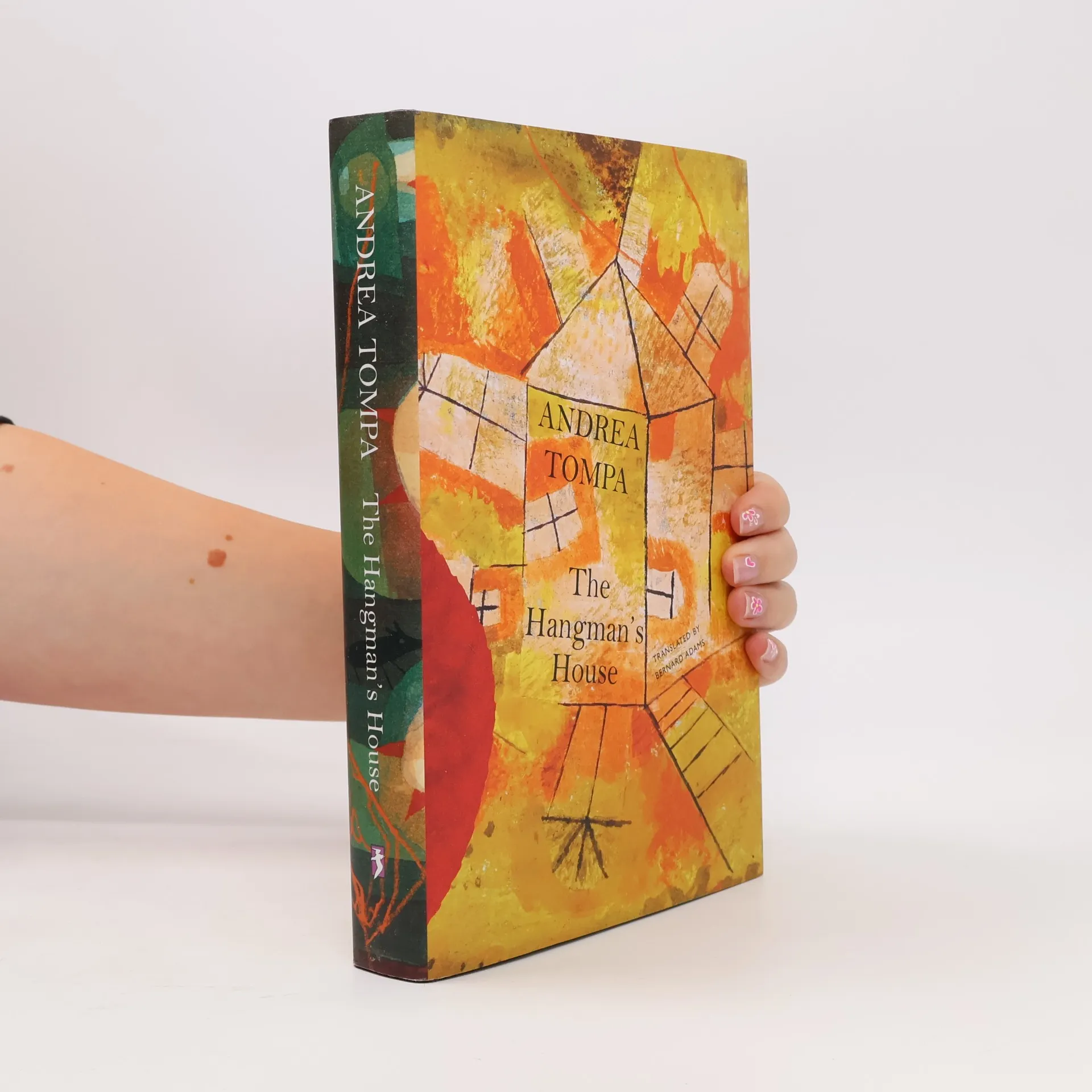
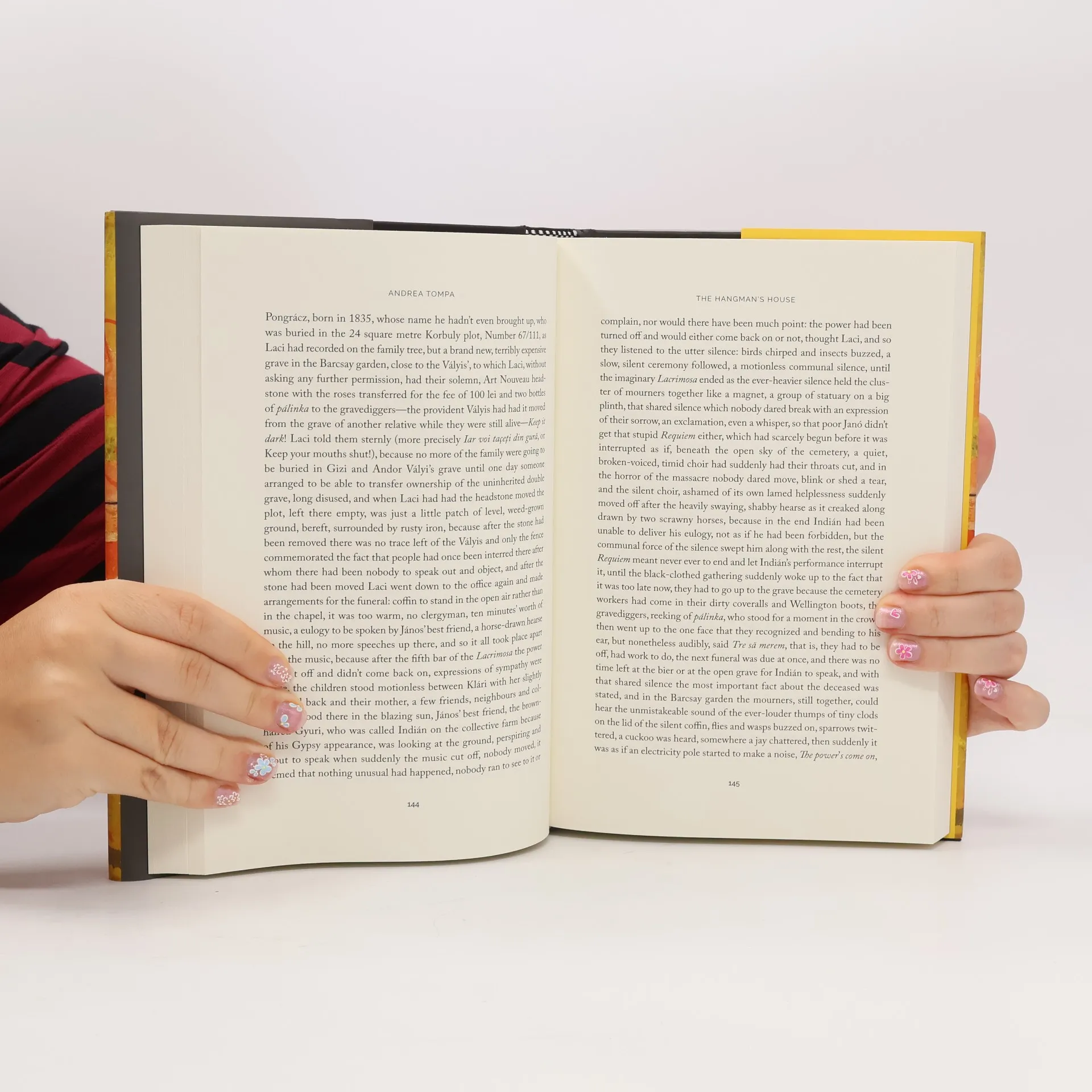
Set in the 1970s and ’80s, this novel explores the life of a Hungarian family in Romania during a time of oppression and poverty under Nicolae Ceaușescu’s brutal communist regime, referred to by the narrator as the “one-eared hangman.” Ceaușescu's presence permeates daily life, manifesting in portraits, empty food stores, and mandatory Party demonstrations, as well as haunting the dreams of the populace, who, in their suffering, turn cruel toward one another. The teenage narrator, known as “Girl,” navigates her tumultuous environment through long, intricate sentences, grappling with questions about her family’s disintegration, her mother’s multiple jobs, her father’s alcoholism, her grandmother's nostalgic dreams of a better past, and the pervasive persecution around them. Despite the harsh realities, Girl’s perspective is rich with love, tenderness, and irony, offering more than mere criticism. The narrative emphasizes the vital roles women play in maintaining the resilience of society. Infused with the wry humor characteristic of Hungarian literature, this work showcases a talented writer, inviting English-language readers to discover her brilliance.
Buchkauf
The Hangman's House, Tompa Andrea, Bernard Adams, Bernhard Adams
- Sprache

- Erscheinungsdatum
- 2021
- Einband
- (Hardcover),
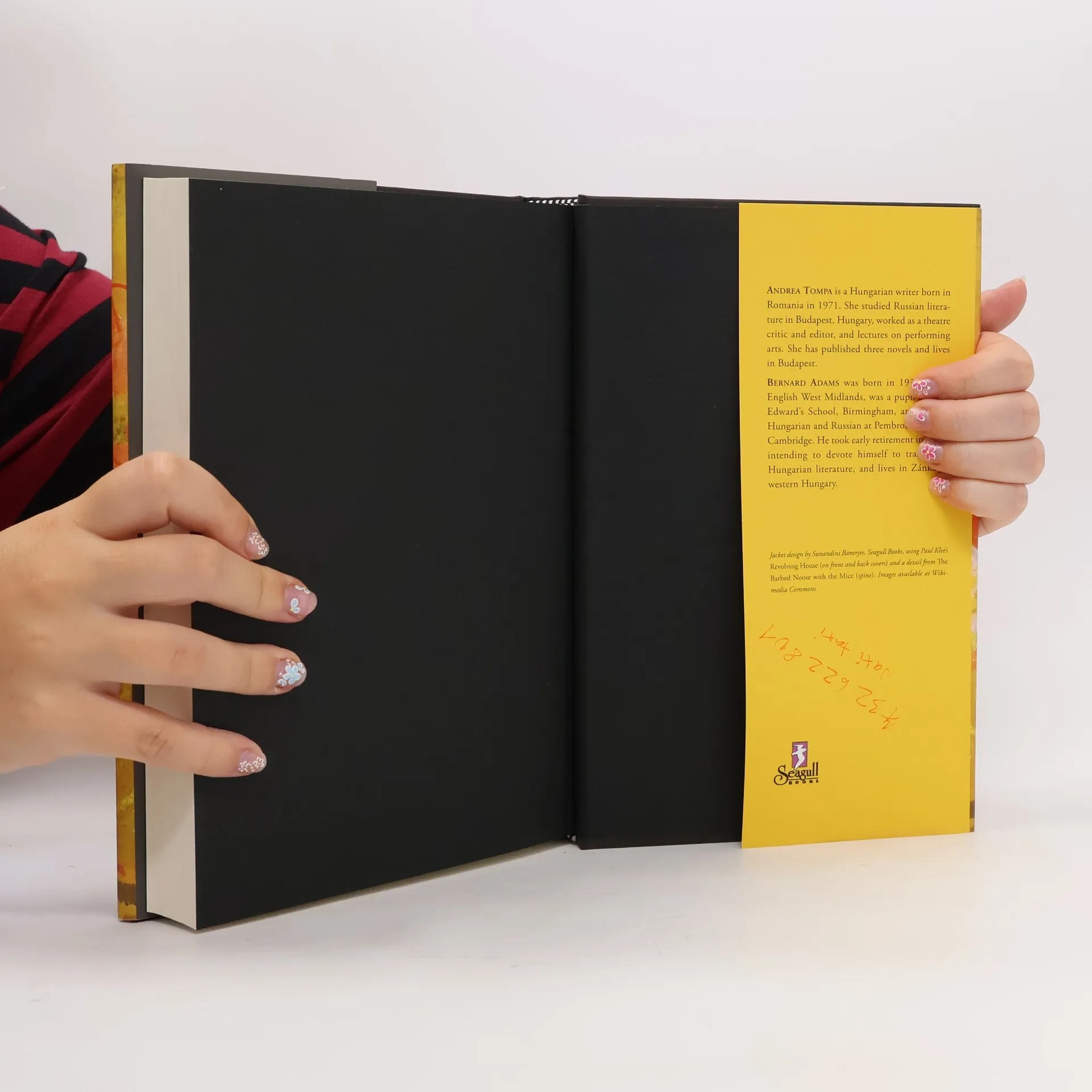
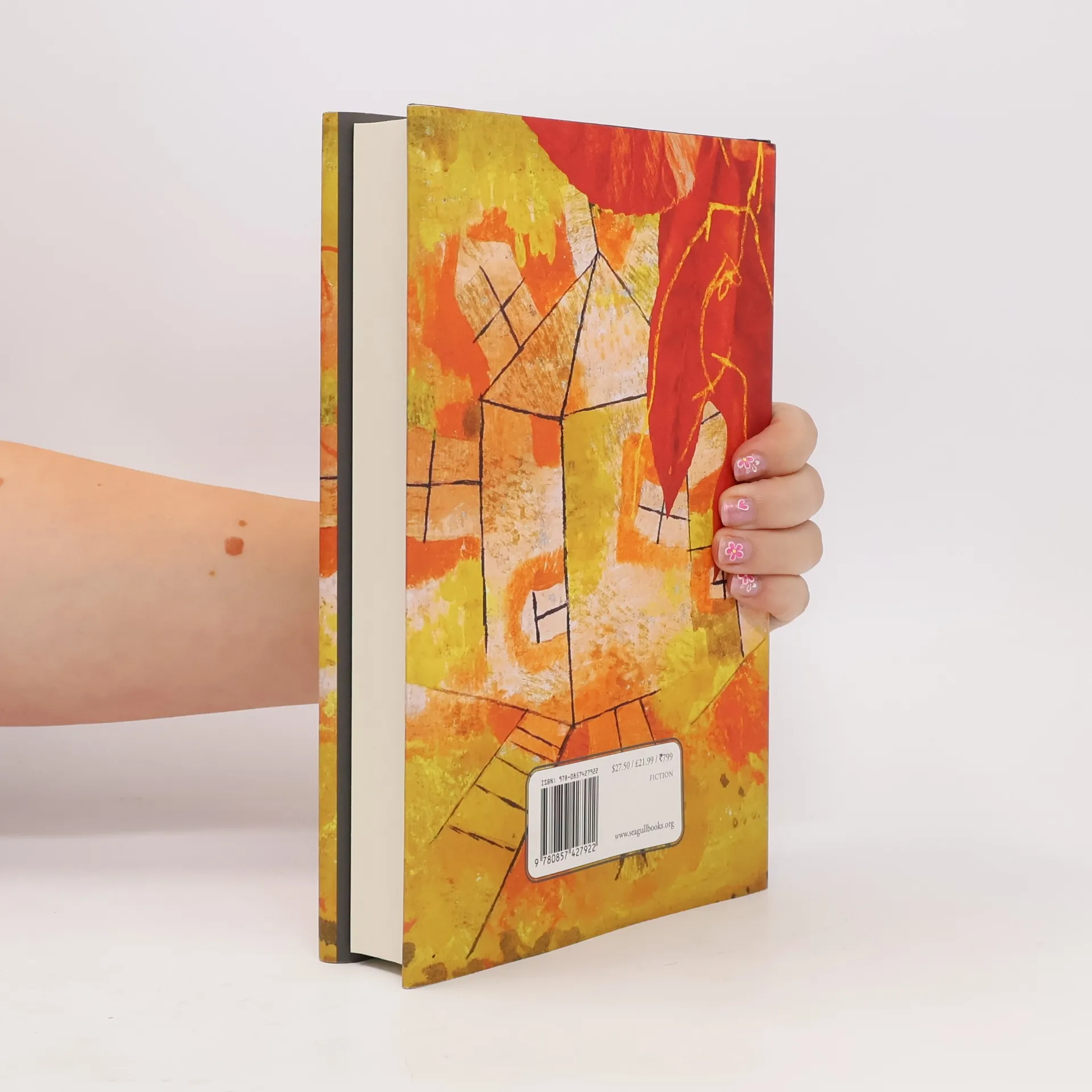
- Buchzustand
- Beschädigt
- Preis
- 15,84 €inkl. MwSt.
Keiner hat bisher bewertet.
- Titel
- The Hangman's House
- Sprache
- Englisch
- Autor*innen
- Tompa Andrea, Bernard Adams, Bernhard Adams
- Verlag
- Seagull Books London Ltd
- Erscheinungsdatum
- 2021
- Einband
- Hardcover
- Seitenzahl
- 356
- ISBN10
- 085742792X
- ISBN13
- 9780857427922
- Reihe
- Schlagwörter
- Belletristik, Sprachlehrbücher, Jüdische Literatur, Ungarische Literatur, Rumänien, Soziale Verhältnisse, Magyaren
- Beschreibung
- Set in the 1970s and ’80s, this novel explores the life of a Hungarian family in Romania during a time of oppression and poverty under Nicolae Ceaușescu’s brutal communist regime, referred to by the narrator as the “one-eared hangman.” Ceaușescu's presence permeates daily life, manifesting in portraits, empty food stores, and mandatory Party demonstrations, as well as haunting the dreams of the populace, who, in their suffering, turn cruel toward one another. The teenage narrator, known as “Girl,” navigates her tumultuous environment through long, intricate sentences, grappling with questions about her family’s disintegration, her mother’s multiple jobs, her father’s alcoholism, her grandmother's nostalgic dreams of a better past, and the pervasive persecution around them. Despite the harsh realities, Girl’s perspective is rich with love, tenderness, and irony, offering more than mere criticism. The narrative emphasizes the vital roles women play in maintaining the resilience of society. Infused with the wry humor characteristic of Hungarian literature, this work showcases a talented writer, inviting English-language readers to discover her brilliance.